Ticks are not just an itchy nuisance — in India they spread several life-threatening blood-borne diseases. The tricky part is timing: symptoms often appear days or weeks after the tick is long gone, so owners rarely connect the two. Knowing the signs means you act in time.
The main culprits
Ehrlichiosis attacks white blood cells and can cause fever, lethargy, loss of appetite, nosebleeds and bruising. Babesiosis destroys red blood cells, leading to pale or yellow gums, weakness and dark urine. Anaplasmosis often shows up as lameness and joint pain. All three are common in Indian dogs and all are serious.
Signs that mean call the vet today
- Fever, unusual tiredness or hiding
- Pale, white or yellow gums
- Loss of appetite or sudden weight loss
- Nosebleeds, bruising or blood in urine or stool
- Limping that shifts from leg to leg
Diagnosis and prevention
A simple blood test confirms most tick-borne infections, and early treatment with the right medication has a good success rate. Late treatment is far harder. The real answer is prevention: keep your dog on a year-round tick preventive, check the coat after every walk, and remove any tick promptly and correctly.
Why breed and lifestyle change the risk
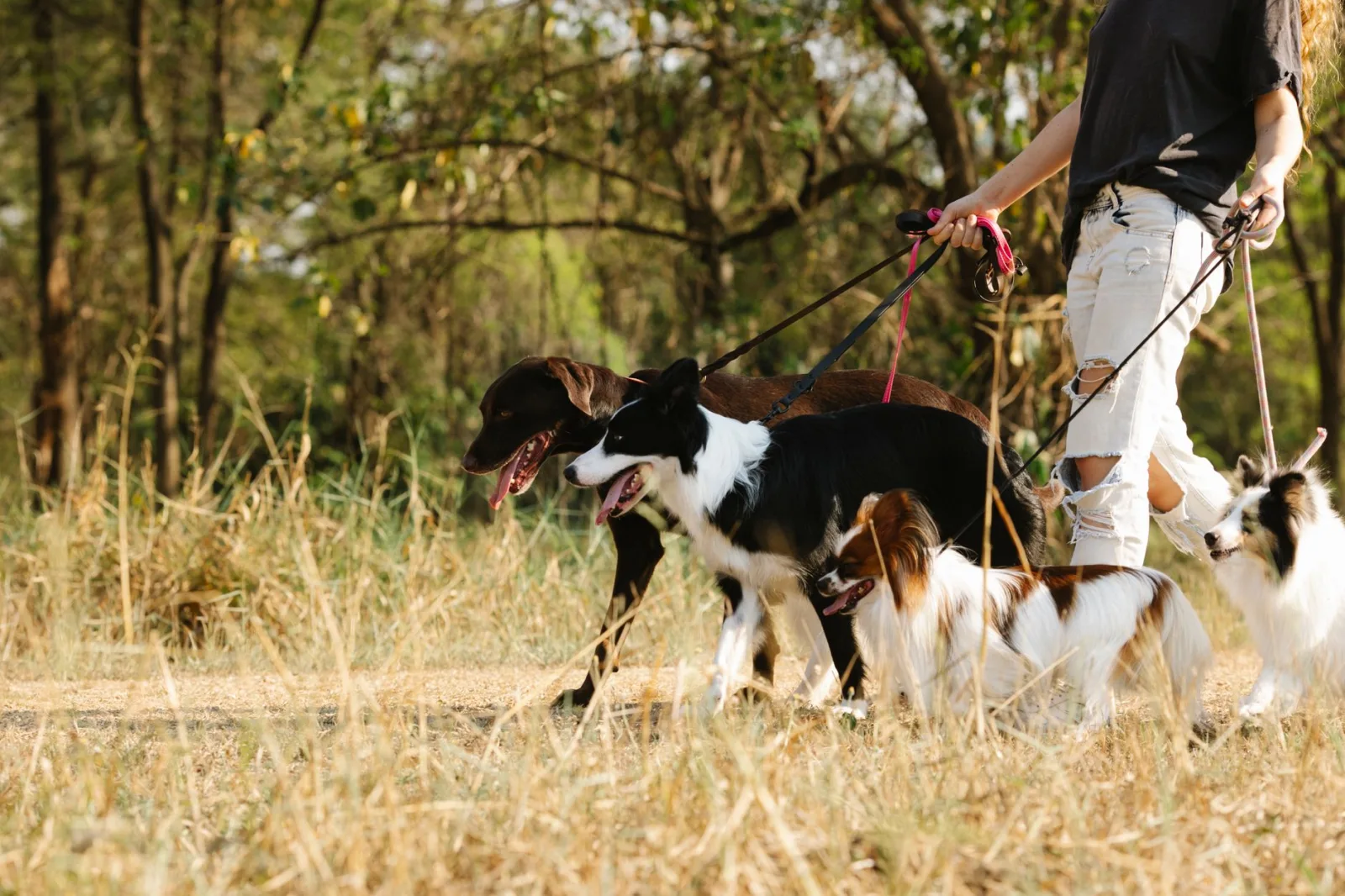
Dogs who spend a lot of time in parks, on trails, or around other street dogs face meaningfully higher exposure than dogs on mostly paved, urban routes. If your dog fits the higher-risk profile, it's worth discussing more frequent tick checks or even periodic screening bloodwork with your vet, even without obvious symptoms.