Akita
 Japan
Japan
Breed Traits
About
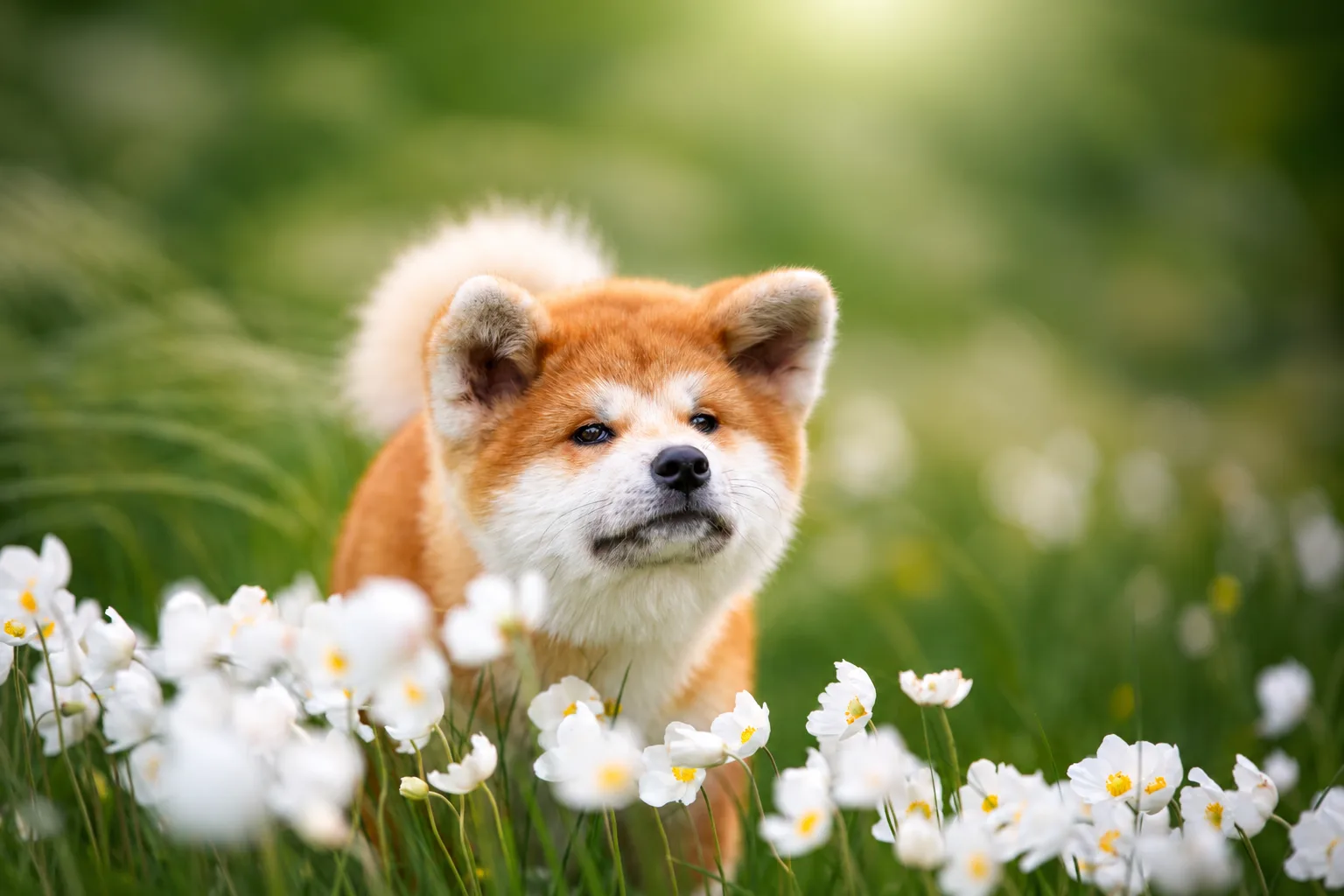
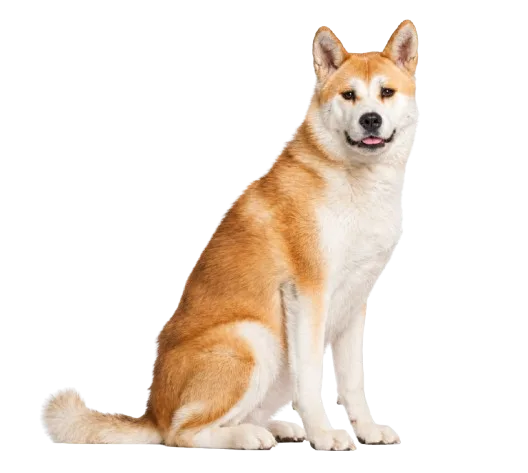
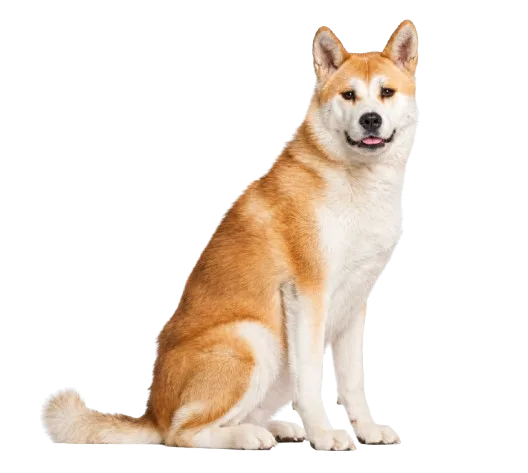
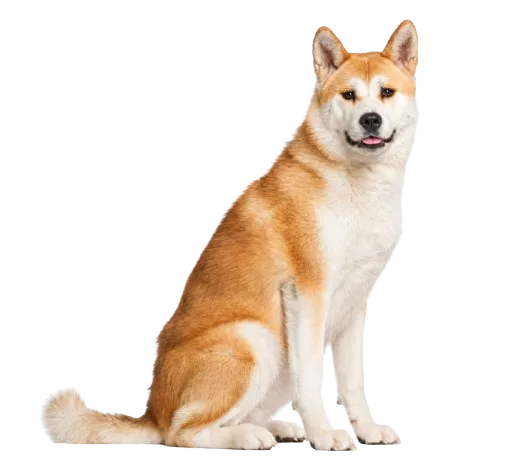
The Akita is a powerful and dignified breed originating from Japan, known for its loyalty, courage, and strong bond with its family. Akitas are intelligent and independent dogs that can be affectionate with the people they trust, while often remaining reserved around strangers. They have a strong protective instinct and a confident personality, so they tend to do best with experienced owners who can provide clear boundaries and consistent routines.
1. A Loyal Family Companion
Akitas form deep, lasting bonds with their families and are known for their unwavering loyalty and devotion.
Where the Akita Comes From
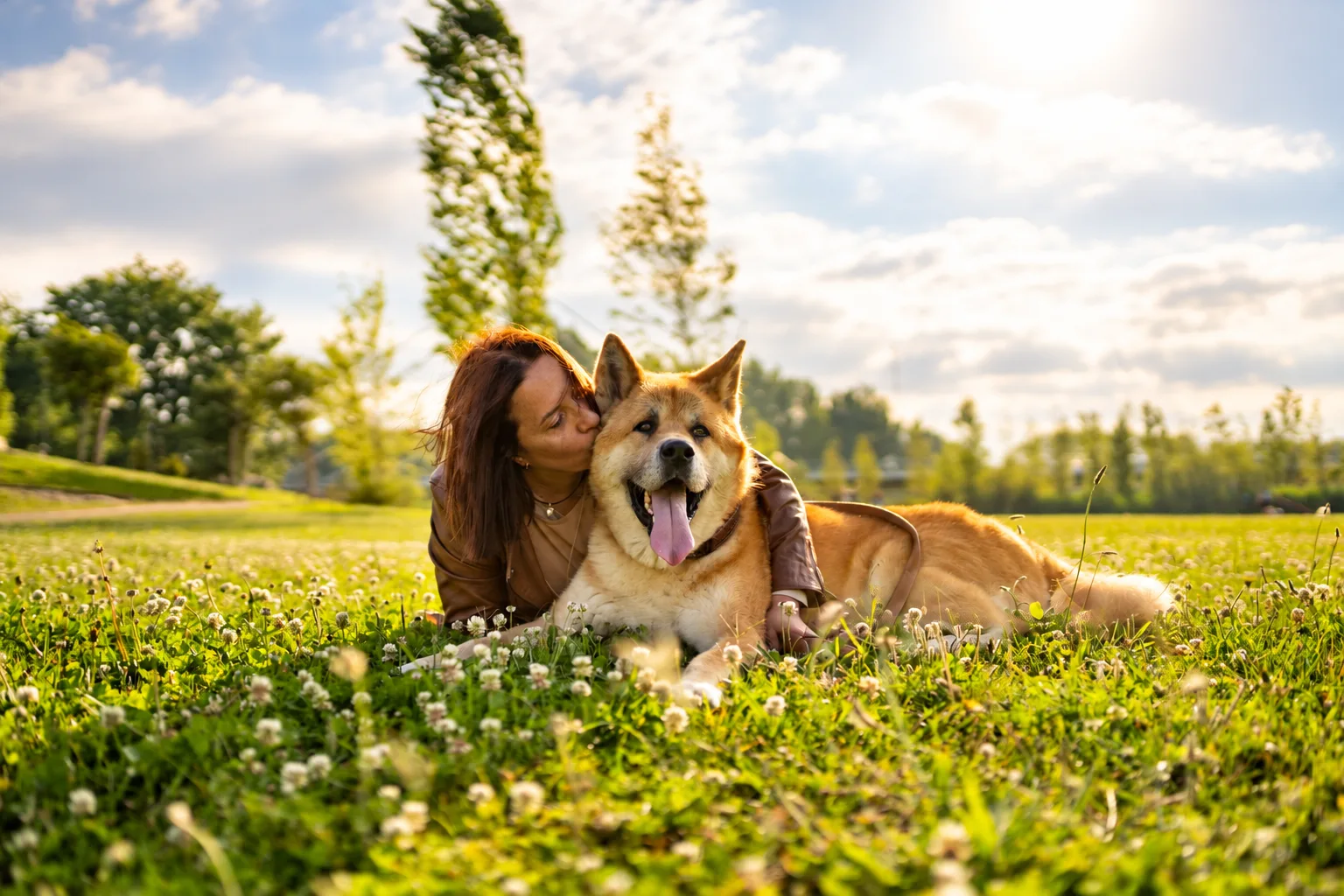
Few breeds carry as much cultural weight as the Akita. Declared a national treasure in its homeland, it is best remembered through Hachiko, the devoted Akita who waited at a Tokyo train station every day for his late owner for nearly a decade. That story captures the breed perfectly: an Akita's loyalty is profound and lifelong. The breed exists in two distinct types, the Japanese Akita Inu and the larger, bear-like American Akita.
Diet
A balanced, complete diet suited to your Akita's age, size, activity level, and individual needs is important for maintaining good health. Puppies should generally have a suitable large-breed puppy food, while adult dogs need appropriately portioned meals to maintain a healthy weight. Feeding smaller meals rather than one large meal may also help reduce the risk of bloat. Avoid overfeeding, as keeping an Akita at a healthy weight is particularly important for protecting their joints. Your vet can recommend the most appropriate food and portion size for your individual dog.
1. Choose a protein-rich diet
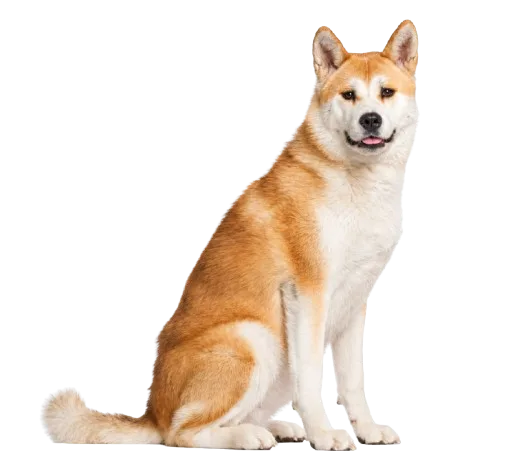
Since Akitas are large breed dogs, they require a diet high in quality protein to support lean muscle mass and energy needs.
2. Avoid fillers and additives
Look for food made with whole, natural ingredients and free from unnecessary fillers like corn, wheat, or soy.
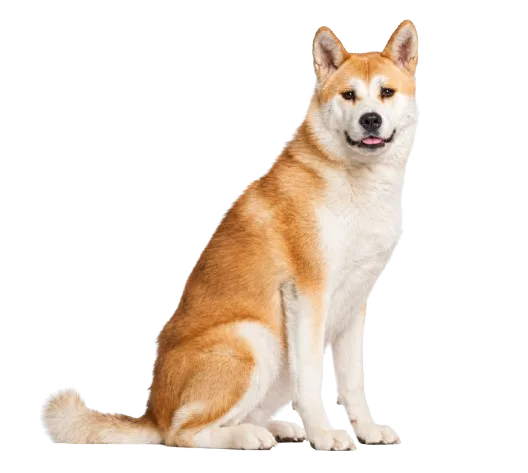
Confident and Dignified
This breed carries itself with quiet confidence, often described as calm, composed, and dignified in temperament.
Training
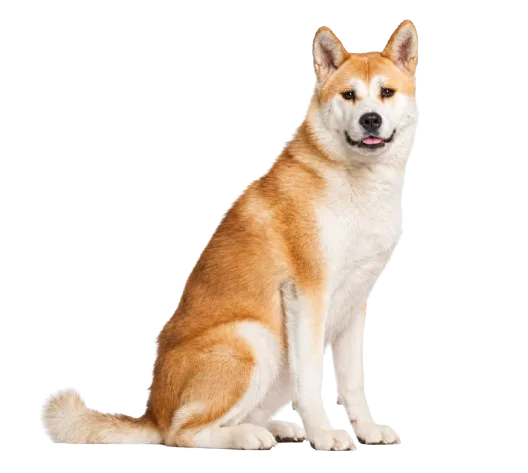
Akitas are intelligent and learn quickly, but their independent nature can make training challenging. Start obedience training and socialisation from puppyhood, introducing your Akita gradually to different people, environments, and experiences. Use positive reinforcement with treats, praise, or play, and keep training sessions short and interesting to prevent boredom. Consistent rules and patient handling are especially important because an Akita may become stubborn if training is repetitive or inconsistent.
1. Start early socialisation
Introduce your Akita to a variety of people, pets, and environments early to build a well-rounded, confident temperament.
Grooming
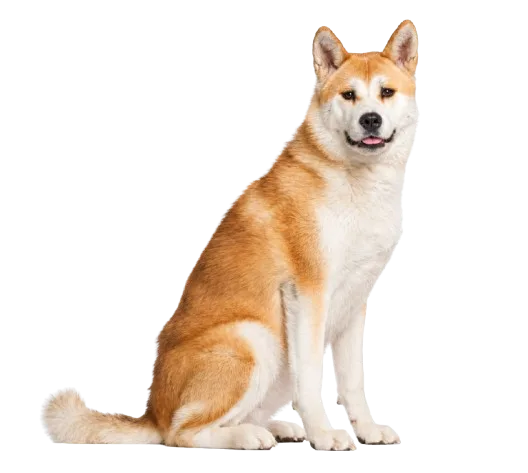
Akitas have a thick double coat that requires regular brushing. Weekly brushing can help remove loose hair and keep the coat healthy, while more frequent grooming is needed during heavy seasonal shedding. Their nails should be trimmed regularly, and their ears and eyes should be checked as part of their normal grooming routine. Getting your Akita used to grooming from a young age can make these sessions much easier as they grow.
1. Brush and bath regularly
Weekly brushing helps manage their thick double coat and reduces shedding, especially during seasonal coat blow.
2. Keep their nails trimmed
Regular nail trims prevent discomfort and joint strain, and help keep your Akita's paws healthy.
Health
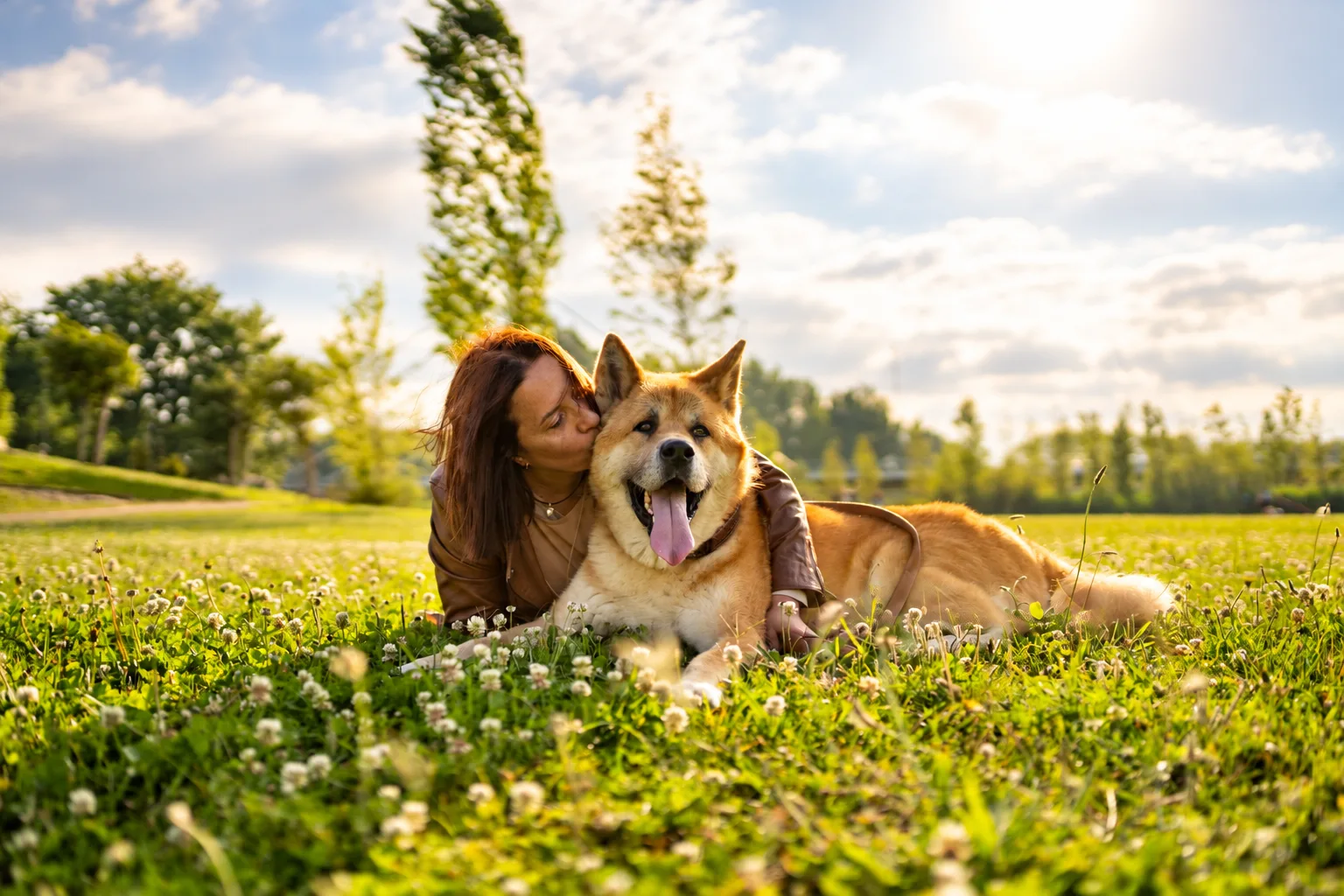
Akitas are generally strong, hardy dogs, but like other breeds they can be prone to certain health conditions. Hip and elbow dysplasia, eye problems, thyroid disorders, and some autoimmune conditions can occur in the breed. Regular veterinary check-ups can help identify problems early. Maintaining a healthy weight is also important because excess weight can place additional strain on the joints. Akitas can also struggle in hot weather because of their thick double coat, so they need access to shade, fresh water, and a cool environment.
1. Health tips
Akitas are generally strong, hardy dogs, but like other breeds they can be prone to certain health conditions.