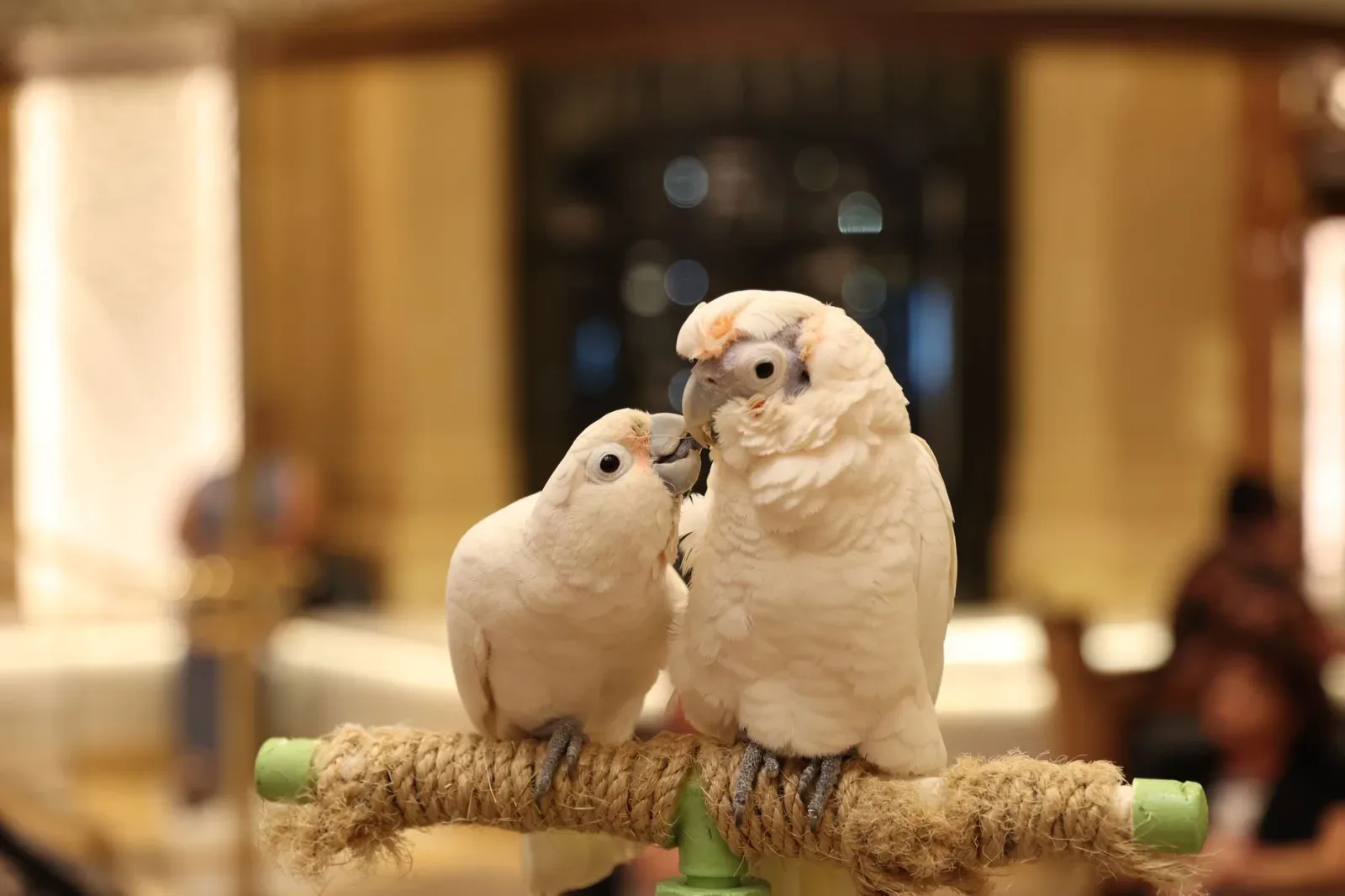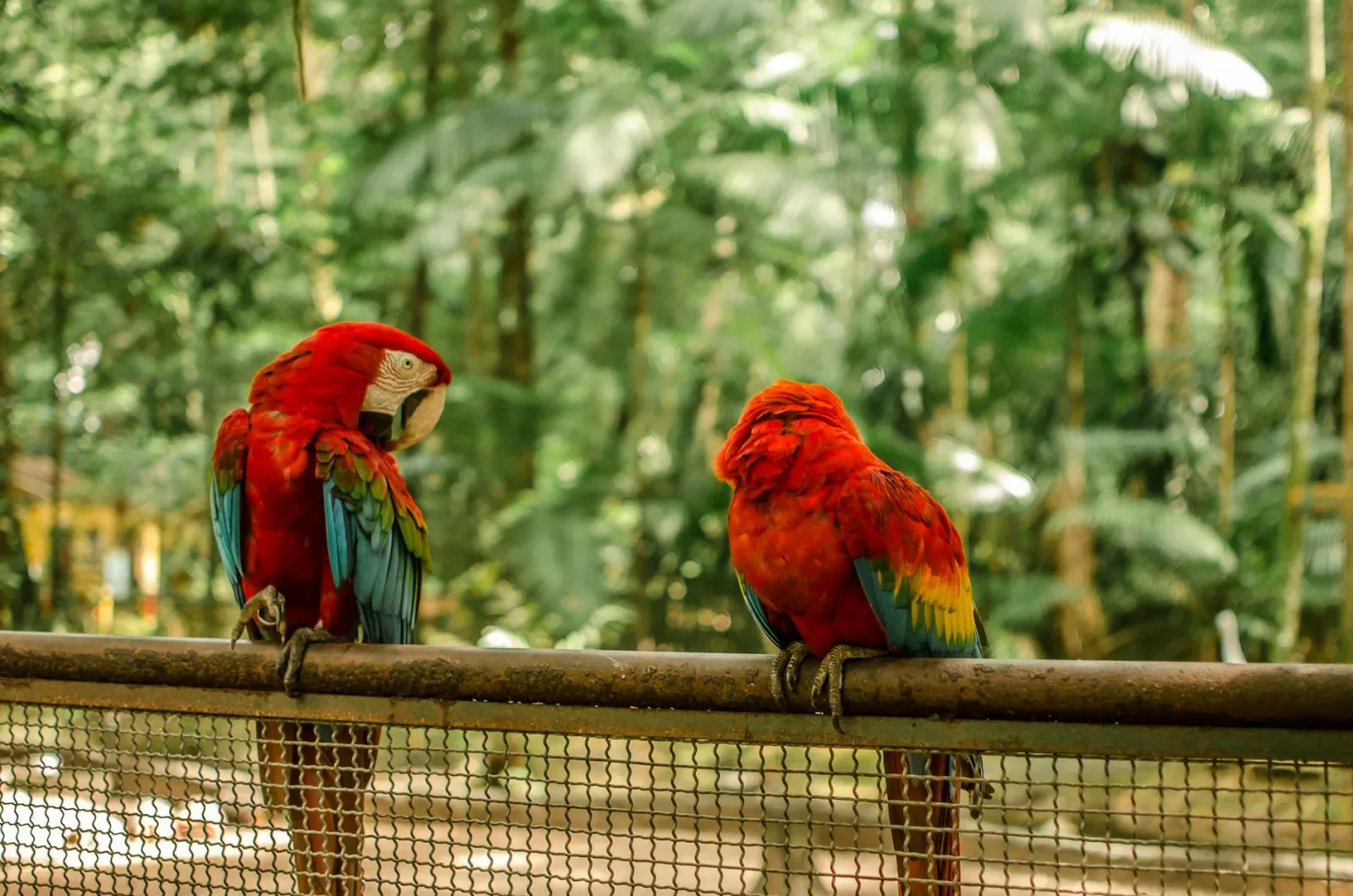
Parrots are among the most intelligent and long-lived pets you can keep — larger species can live 50 years or more. That intelligence and longevity make them deeply rewarding and genuinely demanding. Far too many parrots are rehomed because owners underestimated the commitment.
The reality of parrot ownership
- Time: parrots are highly social and need hours of interaction and out-of-cage time every day.
- Noise: many species are loud, especially morning and evening — this is normal, not misbehaviour.
- Mess and chewing: parrots scatter food and chew everything; they need constant safe things to destroy.
- Longevity: a parrot may outlive you, so plan for its long-term future.
Care essentials
Provide the largest cage you can, a varied diet of pellets, vegetables and limited fruit and nuts, and a great deal of mental enrichment. Boredom and loneliness lead to screaming and feather-plucking — signs of a distressed bird, not a bad one.
Species size and what it changes
A budgie-sized commitment and a macaw-sized commitment are barely comparable — larger species need proportionally larger cages, louder tolerances from neighbours, and stronger, more destructible toys to match their beak strength. Research the specific species you're considering rather than "parrots" as a single category.
Make an informed choice
Research the specific species, since needs vary enormously, and find an avian vet before you buy. If you can offer decades of time, patience and stimulation, a parrot is an extraordinary companion. If not, it is kinder to choose a less demanding pet.