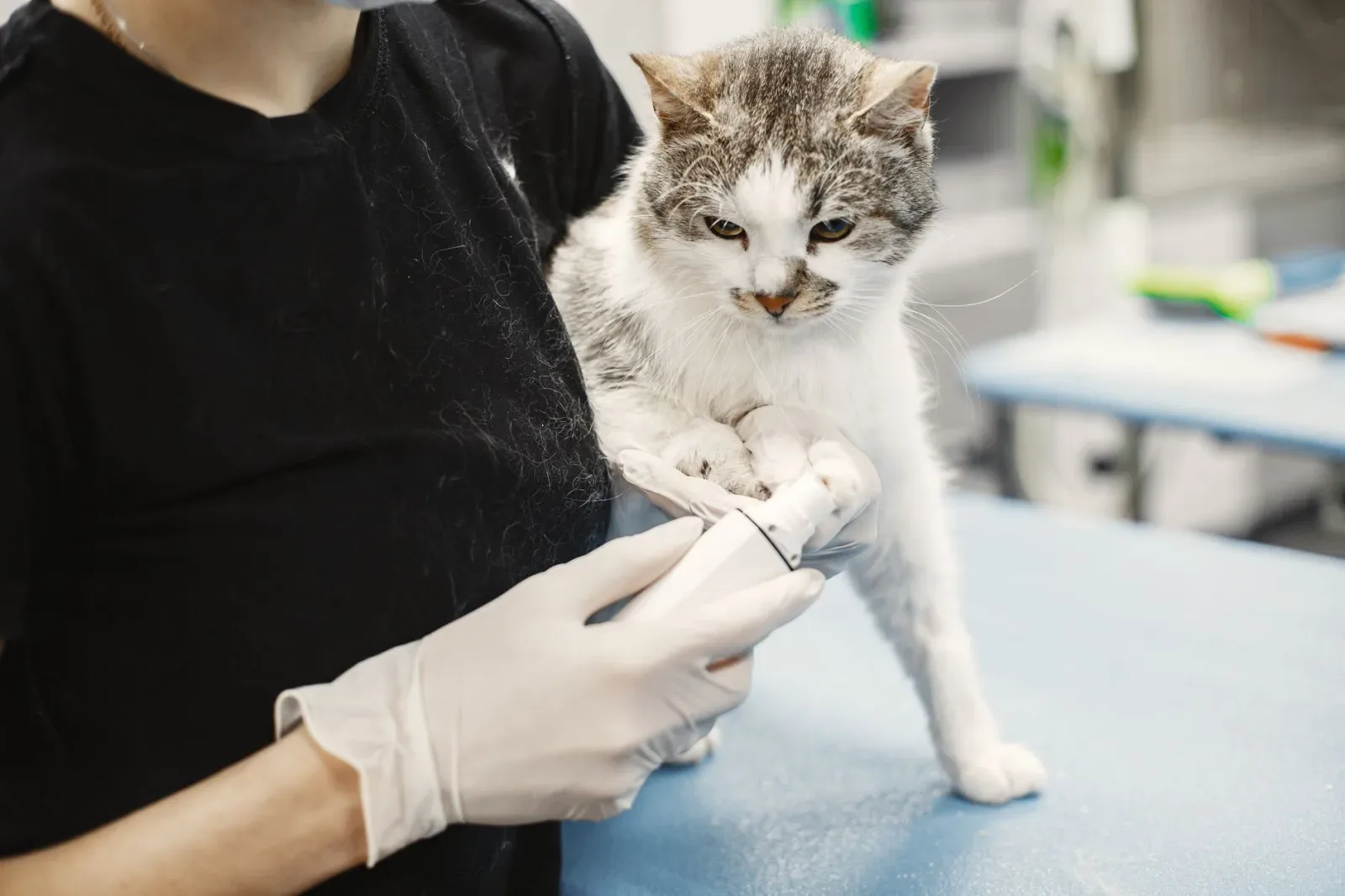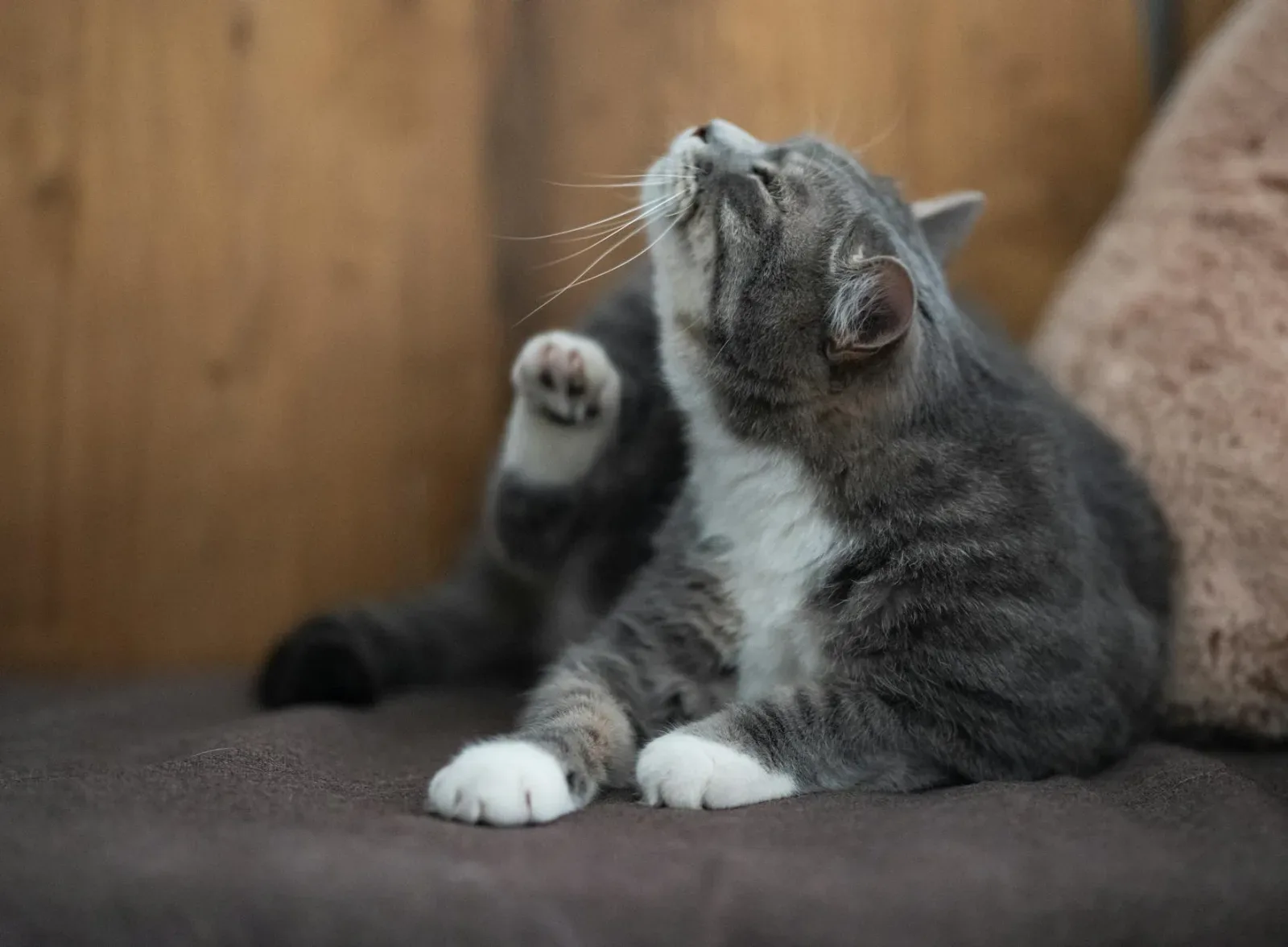
Because cats groom so thoroughly, they often swallow the evidence — the fleas and their droppings — before you ever see them. That makes flea problems in cats easy to miss until the population is large. A few simple checks catch them early.
The flea-dirt test
Part the fur at the base of the tail and along the back and look for tiny black specks that look like ground pepper. Comb some onto a damp white tissue: if the specks dissolve into rusty-red smears, that is flea dirt — digested blood — and confirms fleas even if you never see one.
Other signs
- Sudden over-grooming, scratching or biting at the skin
- Scabby bumps along the back and neck (a sign of flea-allergy dermatitis)
- Thinning fur or bald patches from constant licking
- Restlessness or visible irritation
What to do next
Use a fine flea comb over a bowl of soapy water to remove adults, then start a cat-safe preventive from your vet. Remember that most of an infestation lives in the home, not on the cat, so wash bedding and vacuum thoroughly. Treat every pet in the household at once so the fleas have nowhere to retreat.
Where indoor cats actually pick fleas up
A dog in the same household who goes outdoors is the most common source for an entirely indoor cat, followed by fleas carried in on clothing or shoes. If your indoor cat has fleas, checking every other pet in the house is the logical next step, not a mystery to solve from scratch.