If you have spotted small white grains that look like rice near your cat's rear or in their bedding, those are tapeworm segments. What surprises many owners is that the most common tapeworm in cats is spread by fleas — so a tapeworm problem is usually a flea problem in disguise.
How the cycle works
Flea larvae eat tapeworm eggs in the environment. When a cat grooms and swallows an infected flea, the tapeworm matures in the gut and starts shedding segments. This is why treating the worm without treating the fleas almost guarantees reinfection.
What to do
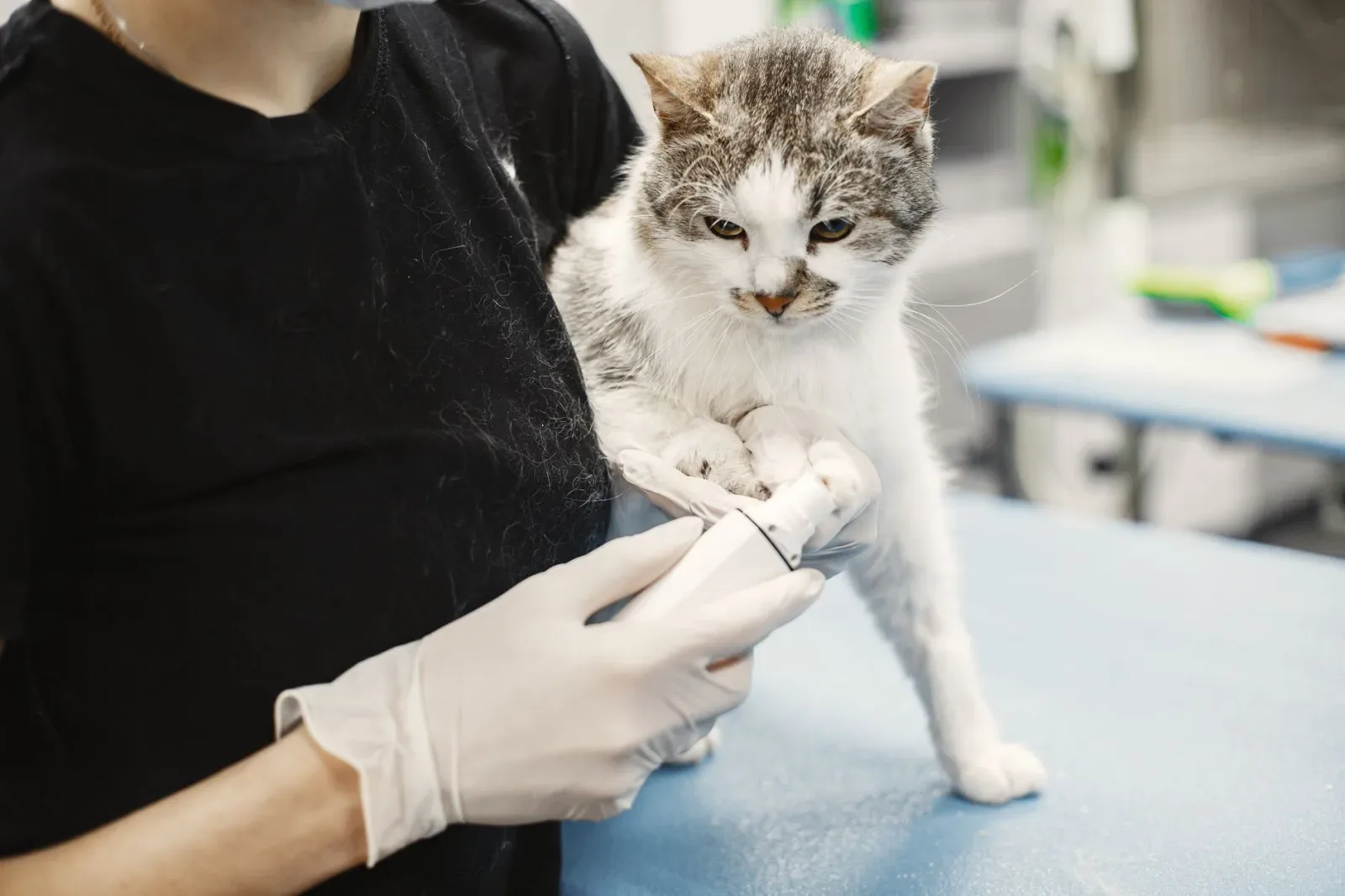
- Deworm your cat with a vet-recommended product that targets tapeworm specifically.
- At the same time, start or continue a cat-safe flea preventive — this breaks the cycle.
- Clean and vacuum the environment to reduce the flea population that keeps reinfecting.
Prevention
Year-round flea control is the single best way to prevent flea-borne tapeworm. Keep up routine deworming on the schedule your vet advises, especially for outdoor cats and hunters, who can also pick up tapeworm from prey. If you keep seeing segments despite treatment, it is a sign the fleas have not been fully cleared.
Are tapeworms a risk to people?
The flea-borne tapeworm common in cats can occasionally infect humans, though it's rare and mostly involves young children who accidentally swallow an infected flea. It's a minor additional reason to stay on top of flea control, alongside your cat's own comfort.