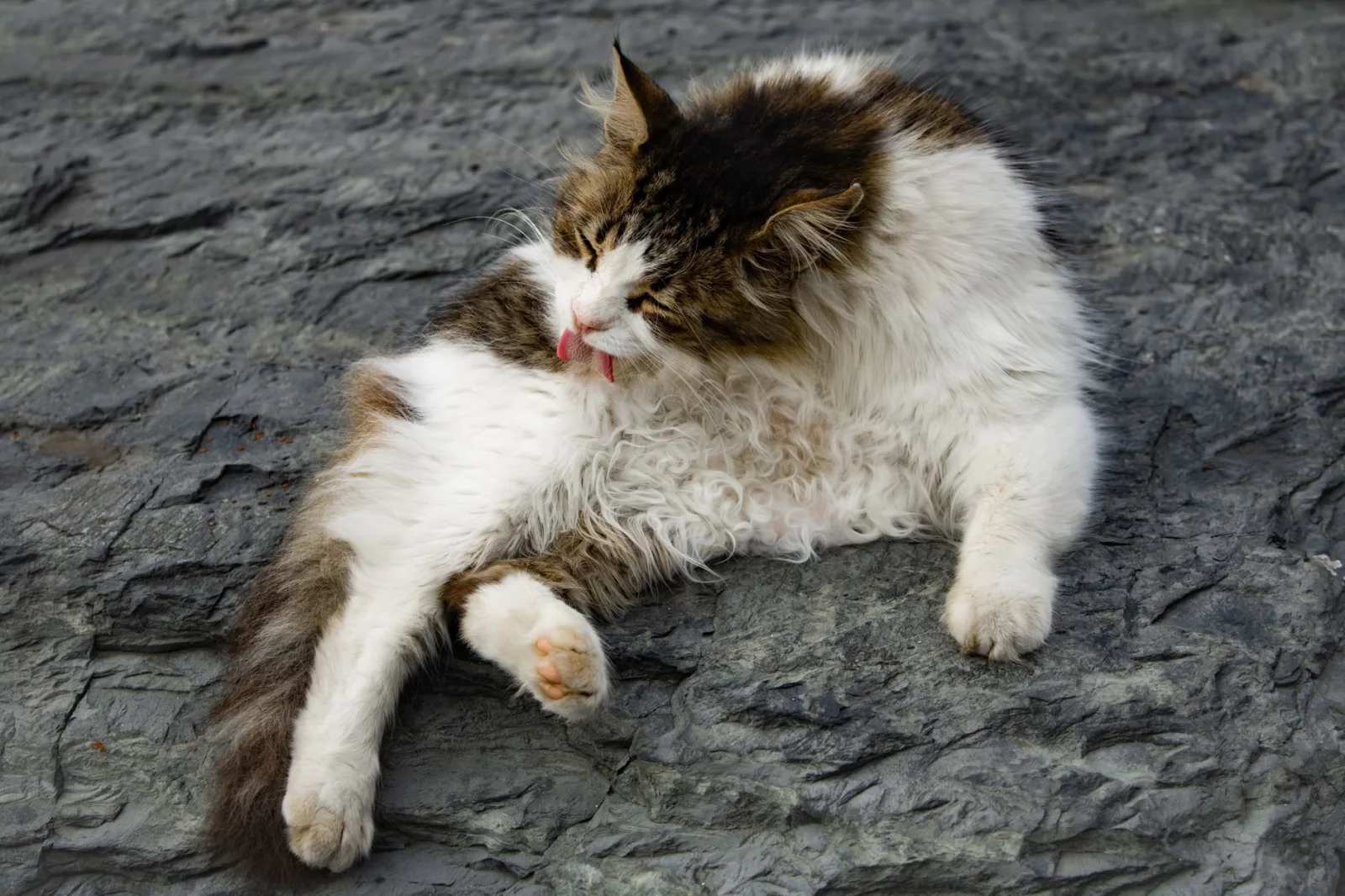
A healthy cat is a clean cat — usually. But certain situations push self-grooming past what they can manage alone.
Step in when
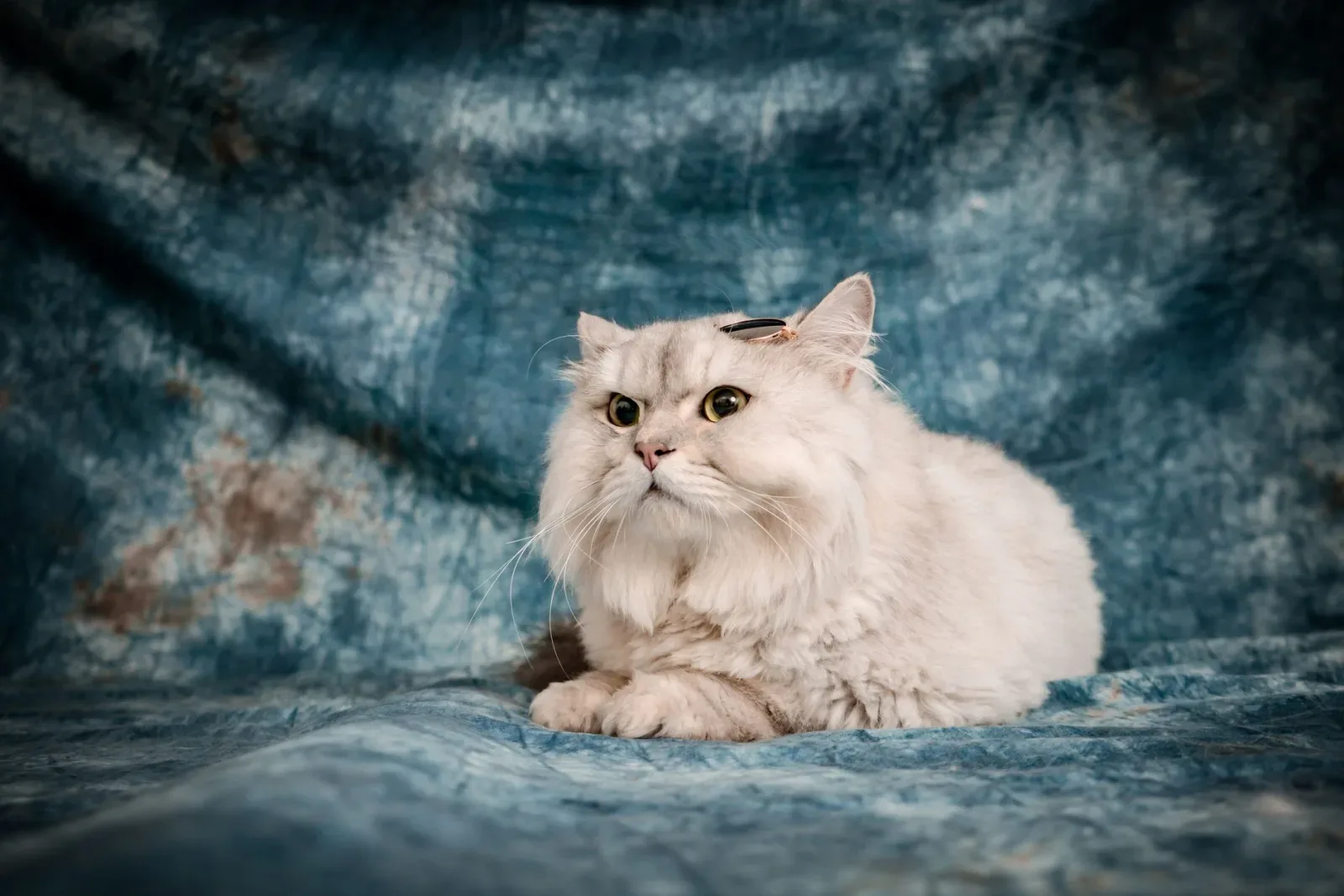
- Long-haired cats develop mats behind the ears, under the legs, or on the belly
- Senior cats stop grooming hard-to-reach spots (often the lower back)
- Overweight cats can't physically reach their back ends
Step back when
A cat grooming a specific spot obsessively isn't "extra clean" — that's usually itch, pain, or anxiety. Brushing won't fix it; investigate the underlying cause.
Signs arthritis is behind the grooming gap
A cat who used to groom their whole body but now has a dull, unkempt patch specifically over the lower back or hips is often simply too stiff to twist and reach it comfortably. This is a common early sign of arthritis in senior cats, worth mentioning at the next vet visit rather than dismissed as laziness.
Making grooming sessions welcome, not tolerated
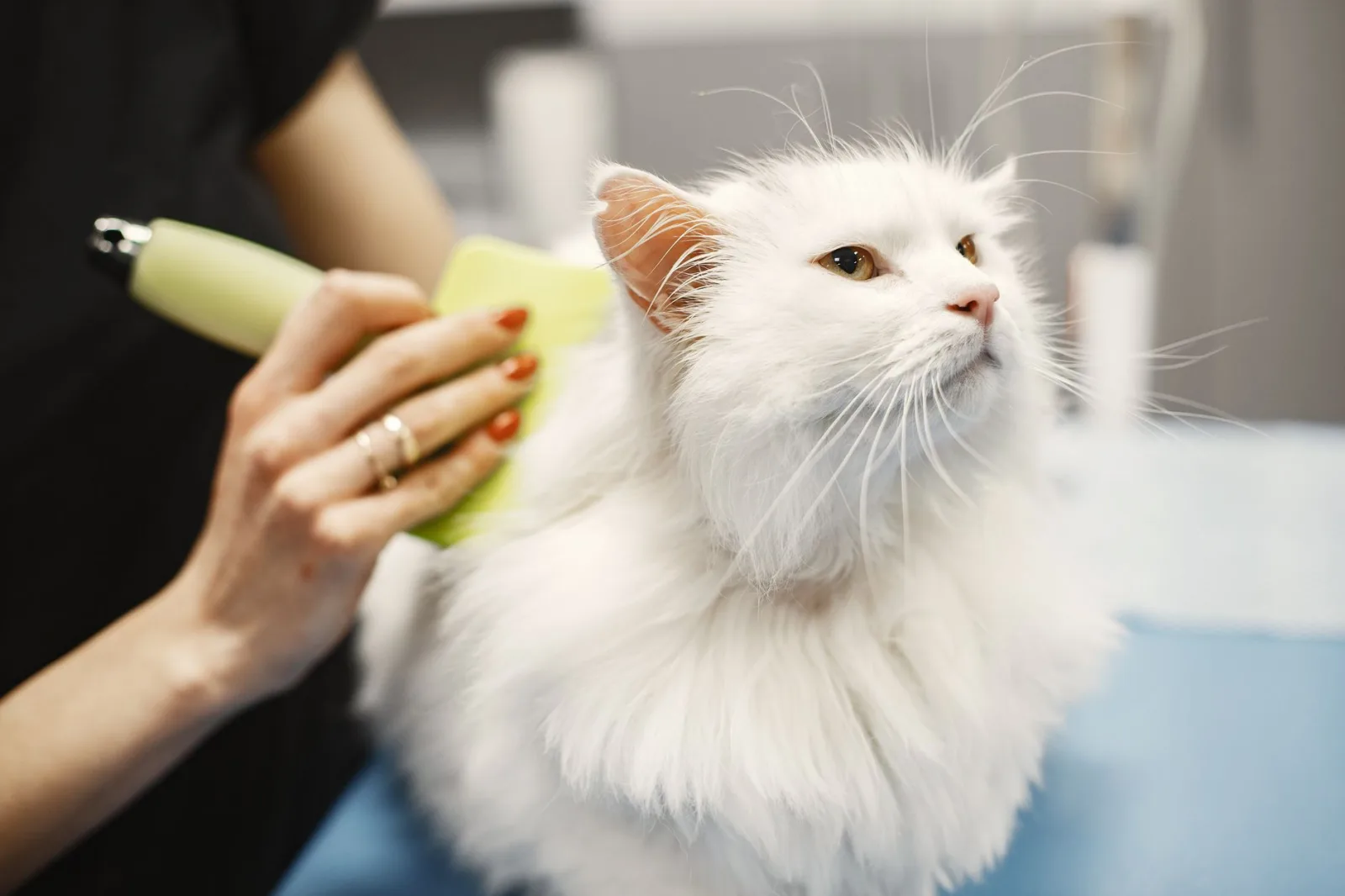
Choose a calm time, keep sessions short, and stop before your cat gets restless. A cat who associates the brush with a stressful wrestling match will avoid it; a cat who gets a treat and a calm scratch afterward starts to seek it out.
Short, regular combing sessions are gentler than once-a-month detangling marathons. Two minutes a day prevents almost every mat.