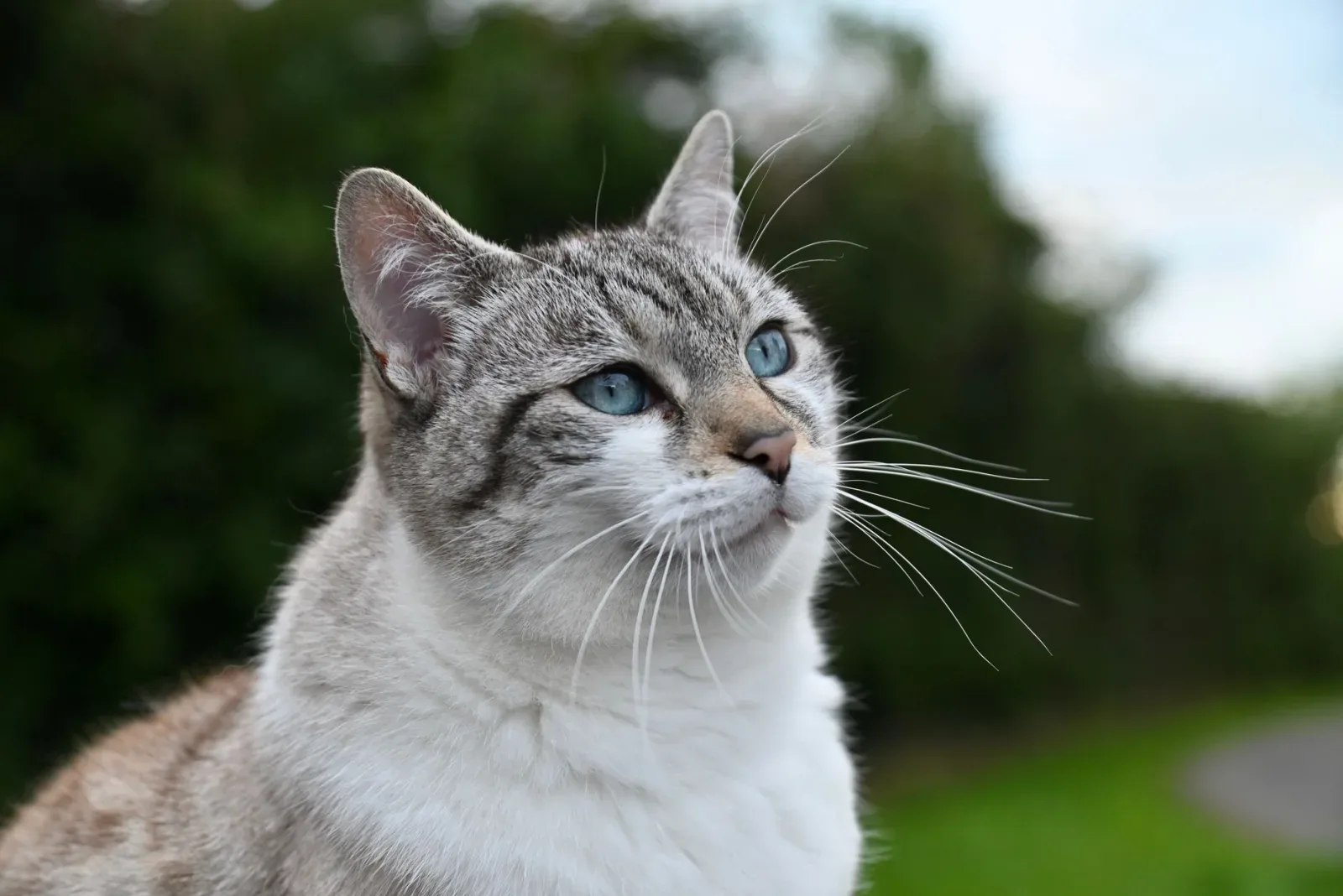
A sick cat doesn't usually act sick the way a sick dog does. They get quieter, hide more, and skip a meal here and there. By the time symptoms are obvious, things are often advanced.
Healthy signs
- A soft, glossy coat with no bald patches
- Clear eyes, clean ears, and pink gums
- Stable weight and consistent appetite
- Normal litter box habits — once or twice a day for stool, several urinations
Watch for
Drinking noticeably more water, hiding in unusual places, not jumping to favorite perches, or grooming less. These small shifts are how cats announce trouble.
Why cats hide illness so well
In the wild, a visibly unwell cat is a target for predators, so the instinct to mask pain and sickness runs deep even in a cat that's never left an apartment. This is exactly why the small behavioural shifts — not dramatic symptoms — are usually the first and only warning you get.
Building your own baseline
Note your cat's normal weight, typical energy through the day, and usual favourite spots. A monthly weigh-in on a kitchen scale (weigh yourself holding the cat, then subtract your own weight) catches slow weight loss long before it's visible to the eye.
Senior cats (over 10) should see a vet at least twice a year — they decline faster than younger cats and benefit from earlier intervention.