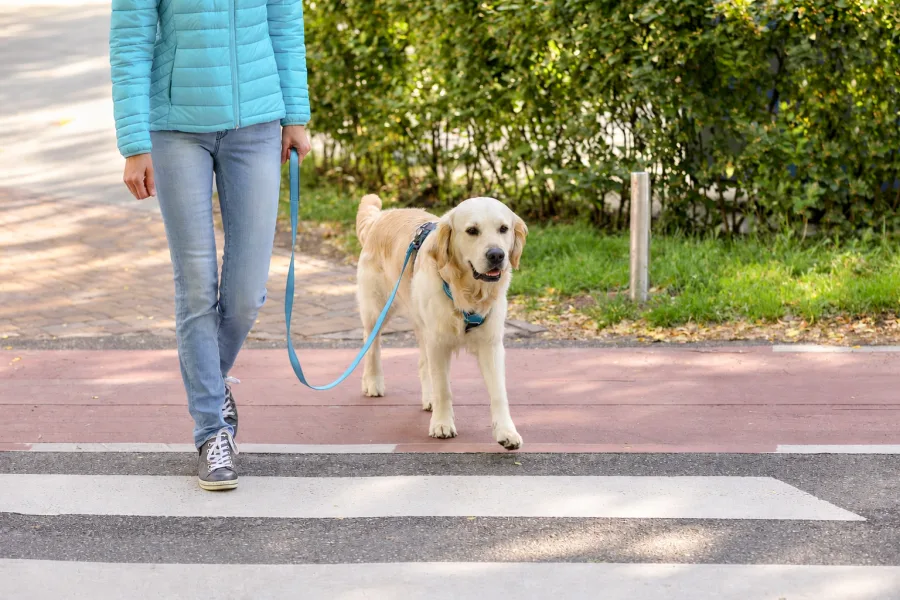
Most pet safety advice is scattered across a dozen different articles, which means half of it gets read once and forgotten.
This is meant to be the one you actually keep. It pulls together the household hazards worth checking, the basics of a home first-aid kit, the contacts worth saving now, and what a calm emergency response actually looks like.
The Household Hazards Worth Checking Today
A short walk through your home covers most of what matters. Look at cleaning products, medications, and small objects on the floor, and ask whether your pet could reach any of them.
Check cupboard latches, trash can lids, and any gaps in fencing outside. Look into which foods and houseplants are toxic for your specific type of pet, since the list is different for dogs, cats, birds, and small animals.
None of this needs to happen all at once. Going room by room over a weekend covers the essentials without turning it into a huge project.
Build a Basic Pet First-Aid Kit
A simple kit kept somewhere easy to find can make a real difference in the minutes before you can get to a vet.
A reasonable starting point includes gauze, adhesive tape, a digital thermometer, tweezers, saline solution, a muzzle or soft cloth for an injured and possibly frightened animal, and the phone number of your vet and the nearest emergency clinic written down somewhere physical, not just saved on a phone that could be lost, dead, or hard to find in the moment.
Your vet can tell you if there's anything specific worth adding based on your pet's age, breed, or health history.
Save These Numbers Before You Need Them
Waiting until an emergency to figure out who to call wastes time you don't have. Get these saved in your phone now:
- Your regular vet's number and address
- The nearest 24-hour emergency vet clinic
- A poison control hotline for pets, if one is available in your area
- A backup contact who could get to your pet if you're unreachable
It takes a few minutes to set up and removes one entire layer of stress if something actually happens.
Know the Signs That Mean Go to the Vet Now
Some symptoms genuinely can't wait for a routine appointment. Difficulty breathing, repeated vomiting, visible pain, sudden collapse, a swollen abdomen, seizures, or suspected poisoning all warrant an immediate call to your vet or the nearest emergency clinic.
When in doubt, call first and describe what's happening. A quick phone call to check is far better than waiting at home hoping it resolves on its own.
Have an Evacuation Plan for Emergencies
Fires, floods, and severe storms don't give much warning, and pets are easy to forget in the rush to get everyone else out safely.
Keep a carrier or leash somewhere accessible, know which rooms your pet tends to hide in when scared, and have a plan for where you'd go if you needed to leave quickly with them. If you have multiple pets, think through how you'd manage getting all of them out at once.
Make Sure Identification Is Actually Reliable
In any emergency that involves evacuating or getting separated from your pet, identification is what gets them back to you.
A microchip with current registration details, along with a legible ID tag, covers both ends of the problem: one works if a shelter or vet scans them, the other works if a stranger finds them first. Check both are up to date as part of your regular safety routine, not just once when you first got your pet.
Revisit This a Couple of Times a Year
Safety prep isn't a one-time task. Contact numbers change, first-aid supplies expire, and pets grow into new stages of life with different risks.
Set a reminder every few months to glance back through this list. It takes far less time than the first pass, and it keeps everything actually current instead of just sitting there from the day you set it up.
This Is the Foundation, Not the Finish Line
None of this guarantees nothing will ever go wrong. What it does is stack the odds in your favour and remove the scramble that usually makes emergencies feel worse than they need to.
Get the basics in place once, keep them current, and the rest of pet ownership gets to be a lot less stressful.