Most pet-proofing advice is overkill. A handful of changes covers the actual risks; the rest is up to your pet learning the house rules.
Actual hazards
- Toxic plants (lilies, sago palms, philodendrons) — relocate or rehome
- Loose cords and small swallowable items
- Open windows on upper floors, especially for cats
- Candles, essential-oil diffusers, and certain cleaners
What's usually fine
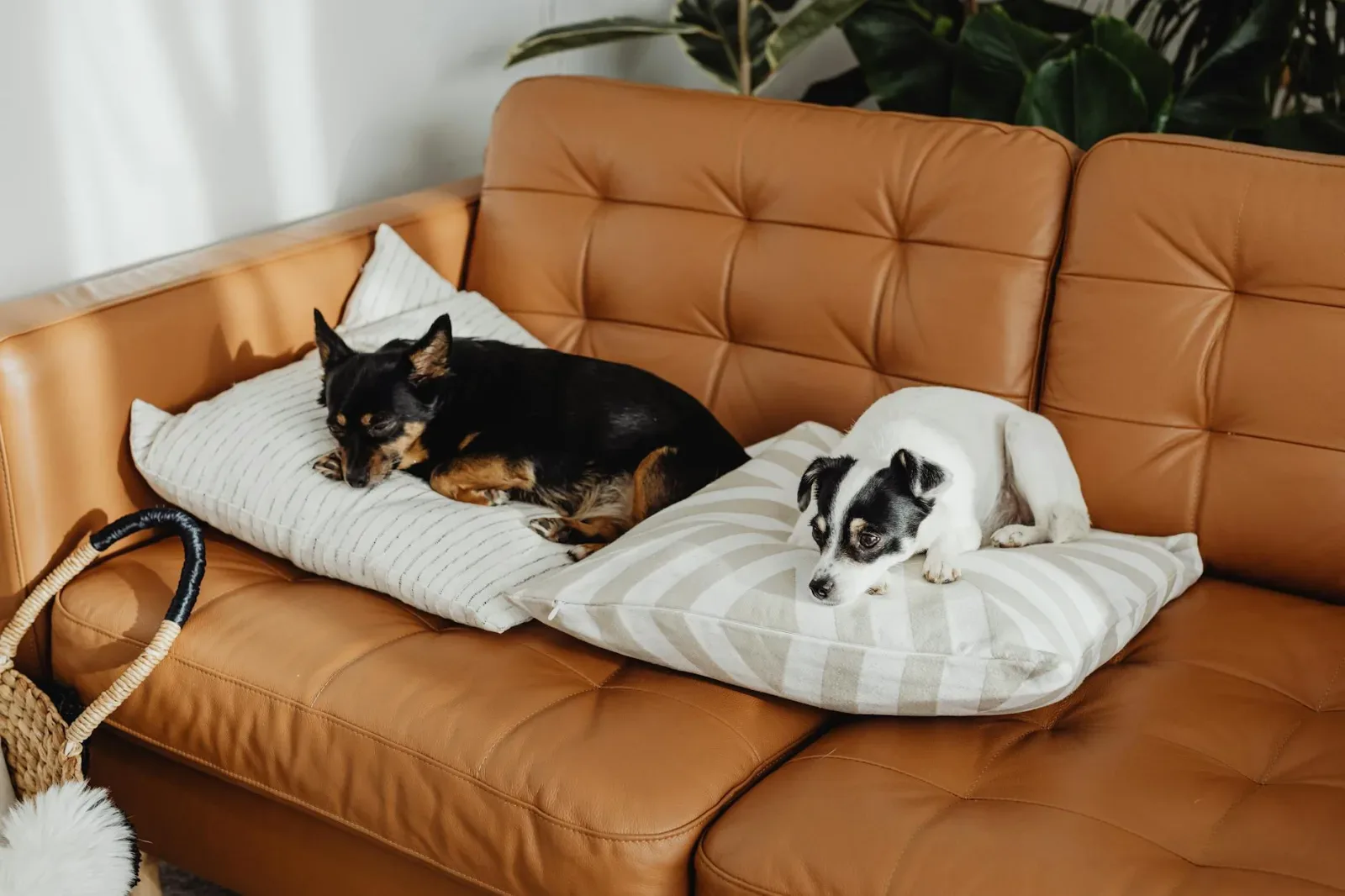
Furniture, rugs, and most decor are fine — your pet will learn what's theirs and what isn't with a bit of teaching.
A room-by-room pass
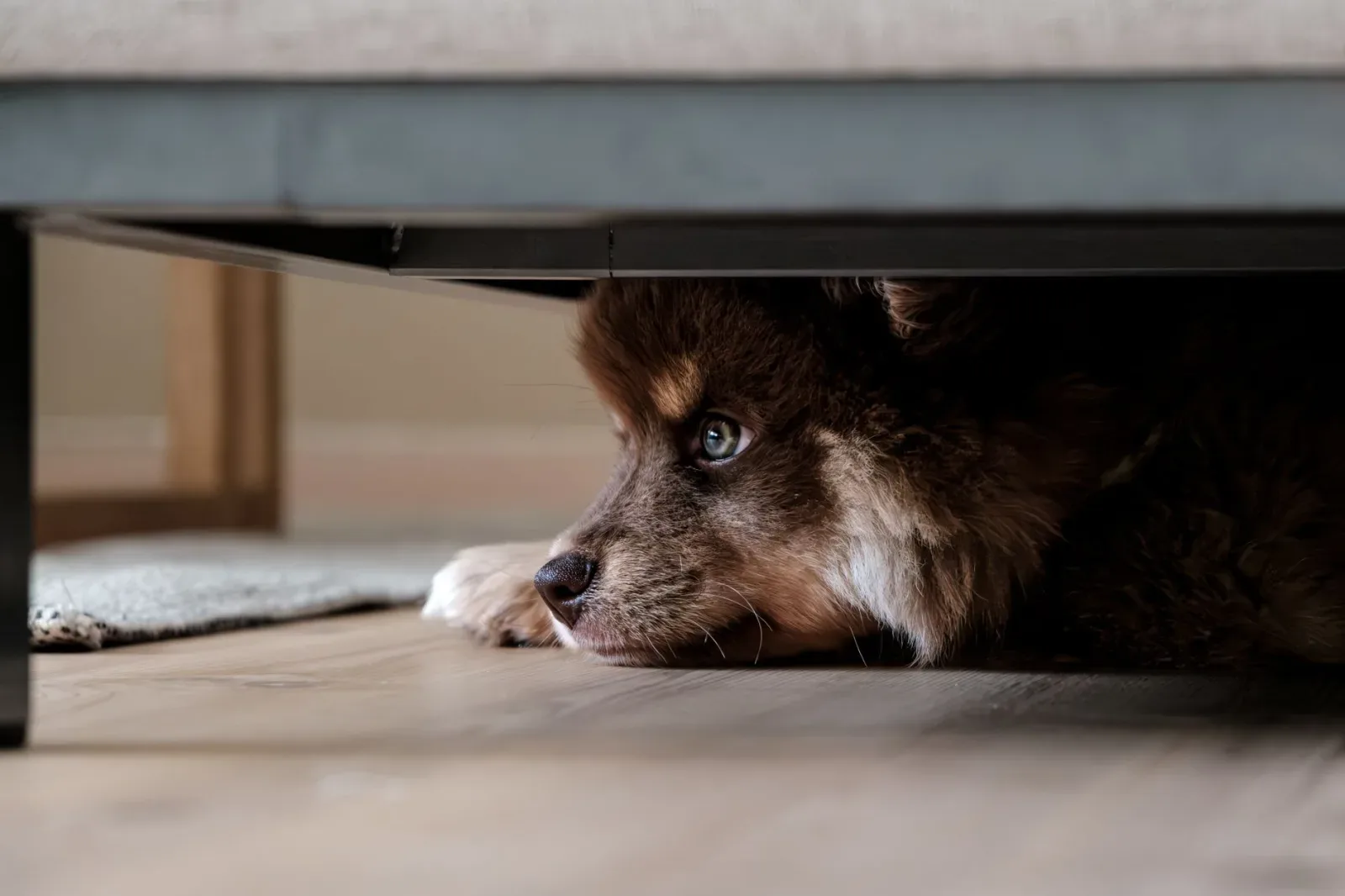
Get down to your pet's eye level and walk through each room once. Coffee tables at nose height with food or remotes left out, gaps behind the TV unit where cords bunch up, and low shelves within jumping range of a cat all become obvious from that angle in a way they never do from standing height.
Setting up a safe default space
Rather than pet-proofing the entire house to perfection, many owners find it easier to designate one thoroughly safe room or crate area for unsupervised time, and manage the rest of the house only when the pet is with them. It's more realistic than trying to hazard-proof every corner at once.
If something keeps getting into trouble, the answer is usually managing access, not endless redirection.