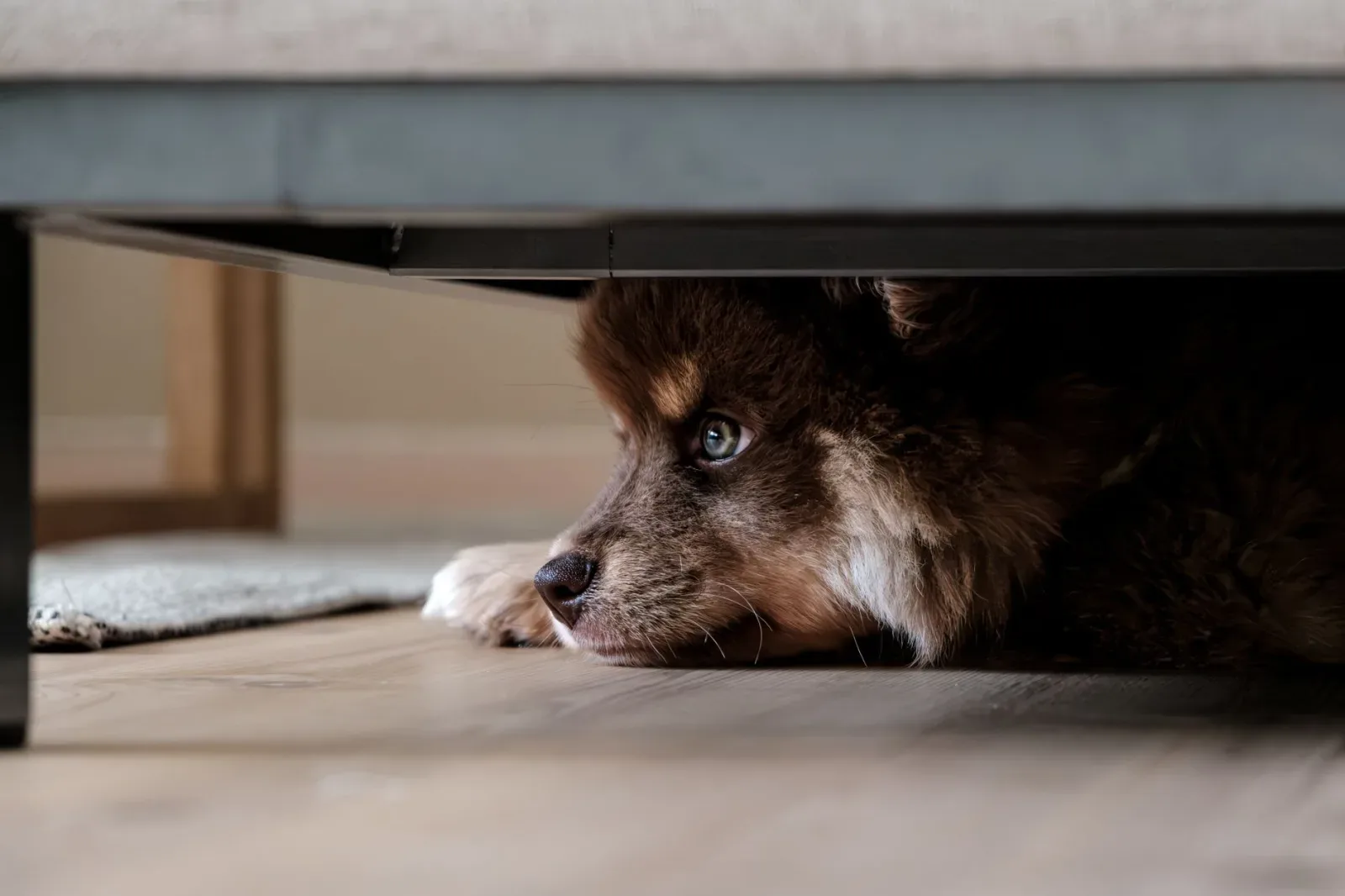
Corgis look cuddly but think and behave like the herding dogs they are. They're bossy, opinionated, and easily bored.
What they need
- Daily structured exercise — at least an hour, ideally with training mixed in
- Jobs to do: puzzle toys, trick training, scent work
- Firm but reward-based handling
Health watch
Their long backs and short legs put strain on the spine. Discourage jumping on and off couches, keep them lean, and use ramps where possible.
The herding instinct at home
Corgis were bred to nip at the heels of cattle, and that instinct doesn't disappear indoors — many will try to herd children, joggers, or other pets by circling and nipping. Redirecting this early with structured play and a solid "leave it" prevents it from becoming a real problem later.
Living with the vocal side
Corgis tend to be talkative — barking at doorbells, passersby, and sometimes at nothing in particular. Consistent, calm training around when barking is and isn't appropriate works far better than trying to eliminate it entirely; it's a breed trait, not a flaw to be fully trained away.
The shedding is intense and constant. If you're fastidious about dog hair, a Corgi is not for you.