Pets who tolerate grooming weren't born that way — their owners built the tolerance over months of consistent, low-stress sessions.
Short and sweet beats long and thorough
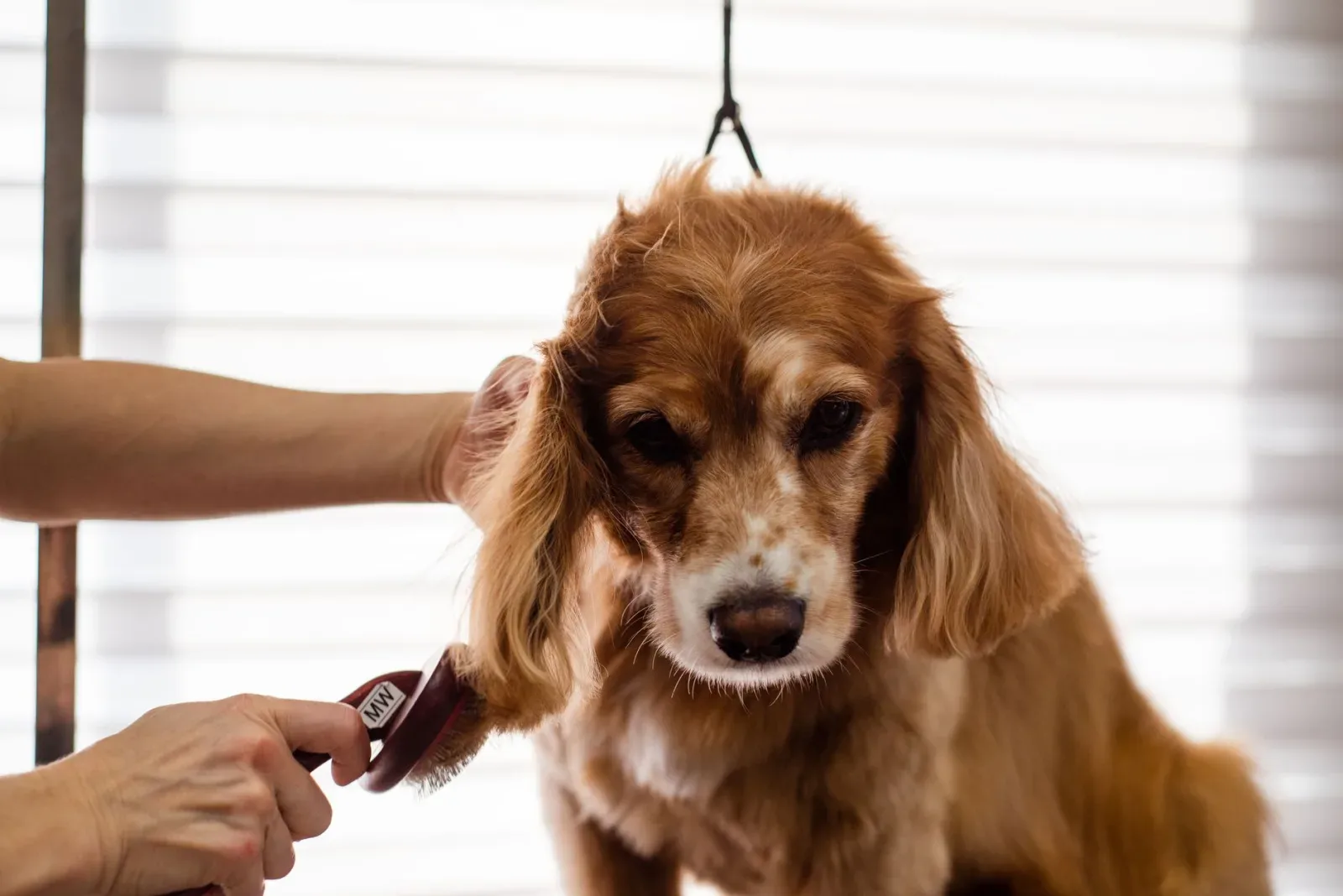
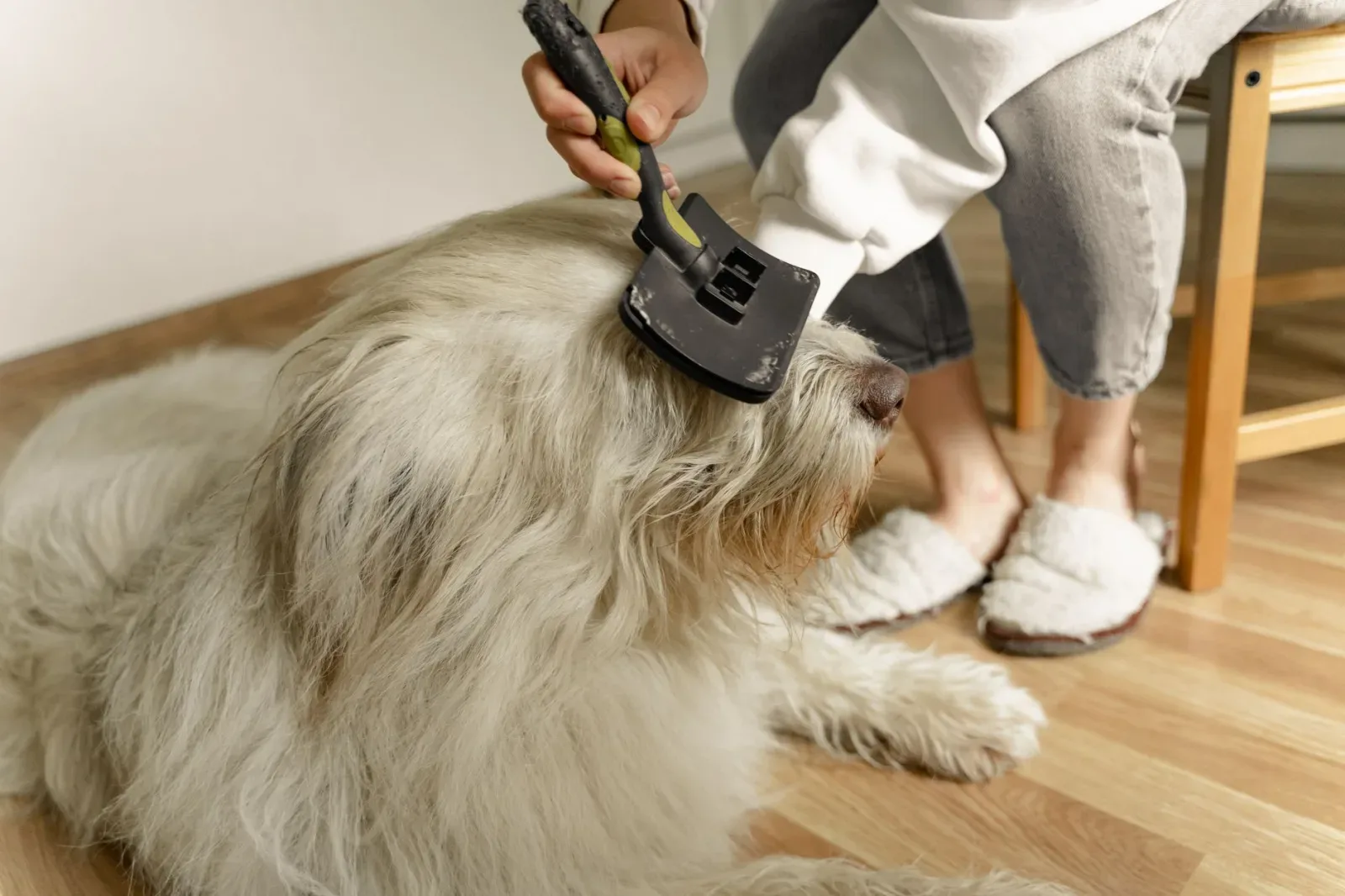
Sixty seconds of brushing every day is better than ten minutes once a week. The goal is making the brush feel ordinary, not exciting.
Pair grooming with calm states
Brush during quiet moments — after a walk, before a nap, while the household is winding down. Don't pull out the brush when your pet is amped up.
Handling touch-sensitive areas
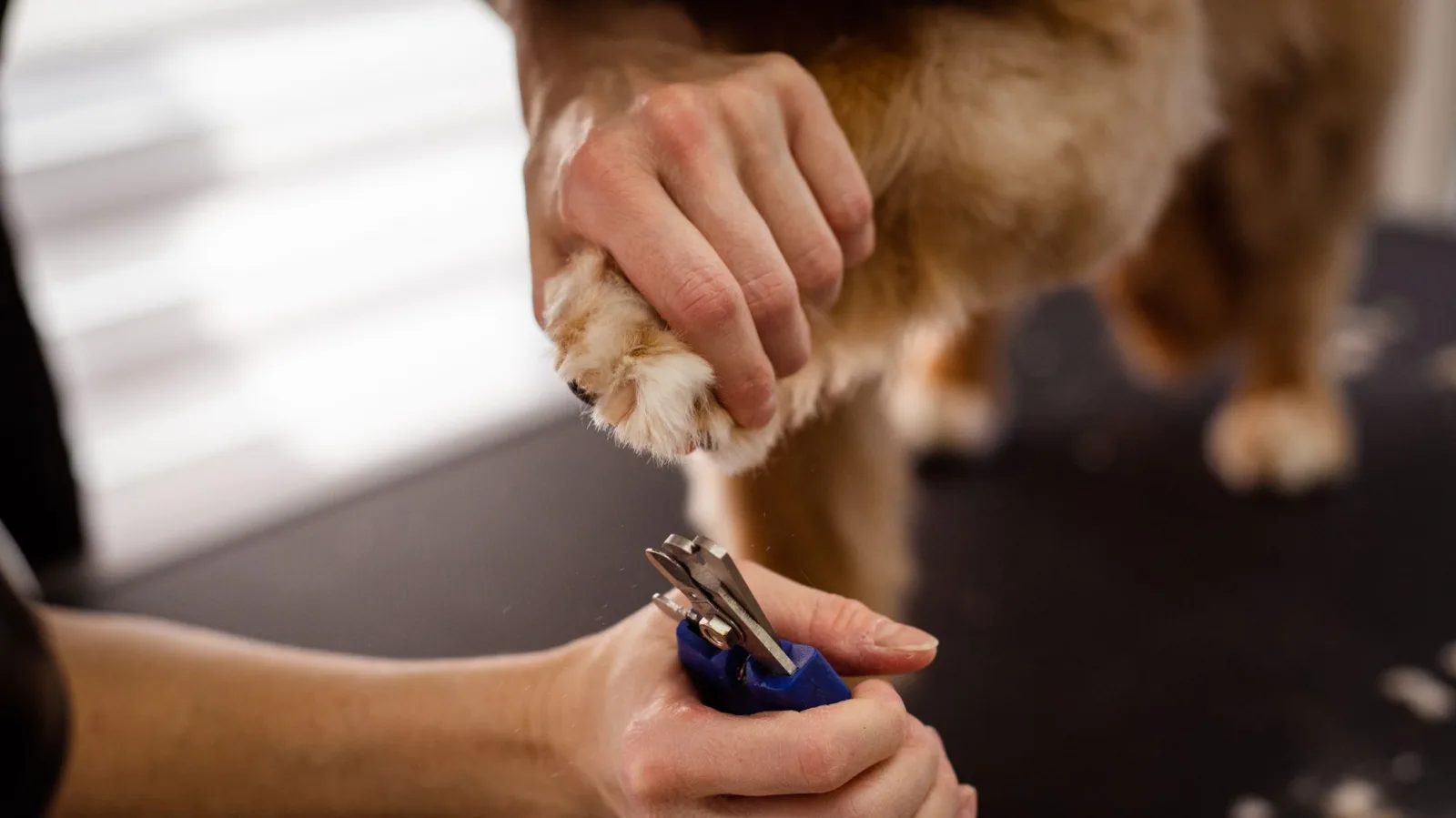
Paws, ears, and tails are the spots most pets tense up around. Practise simply touching and releasing these areas with a treat following each time, completely separate from actual grooming — by the time you need to trim a nail or check an ear, the touch itself is no longer the scary part.
Building a grooming kit that stays out
Keep the brush, comb, and a small treat pouch somewhere visible rather than tucked away — pets often relax faster around tools they see daily rather than ones that only appear right before something happens to them.
For pets who hate it: stop before they react. Quitting before the protest builds tolerance; pushing through it builds dread.