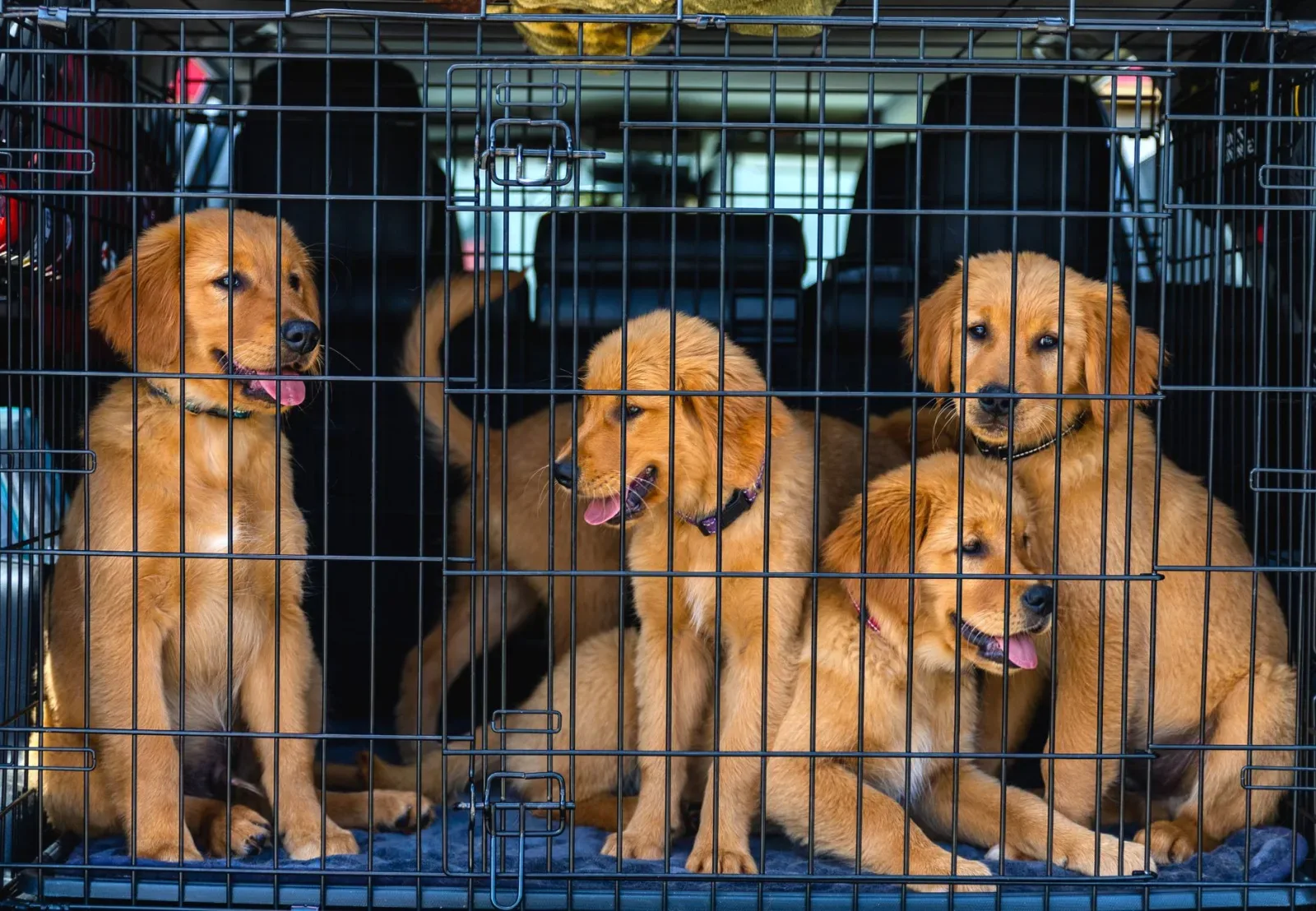
Week one with a puppy is the steepest learning curve in pet parenting. Expect interrupted sleep, expect mistakes — yours and theirs — and expect to fall in love anyway.
House training starts on day one
Take your puppy outside every hour they're awake, immediately after meals, and the second they wake from a nap. Praise heavily when they go in the right spot. Don't scold accidents; just clean and reset with an enzymatic cleaner so the smell doesn't pull them back to the same spot indoors.
Crate naps save your sanity
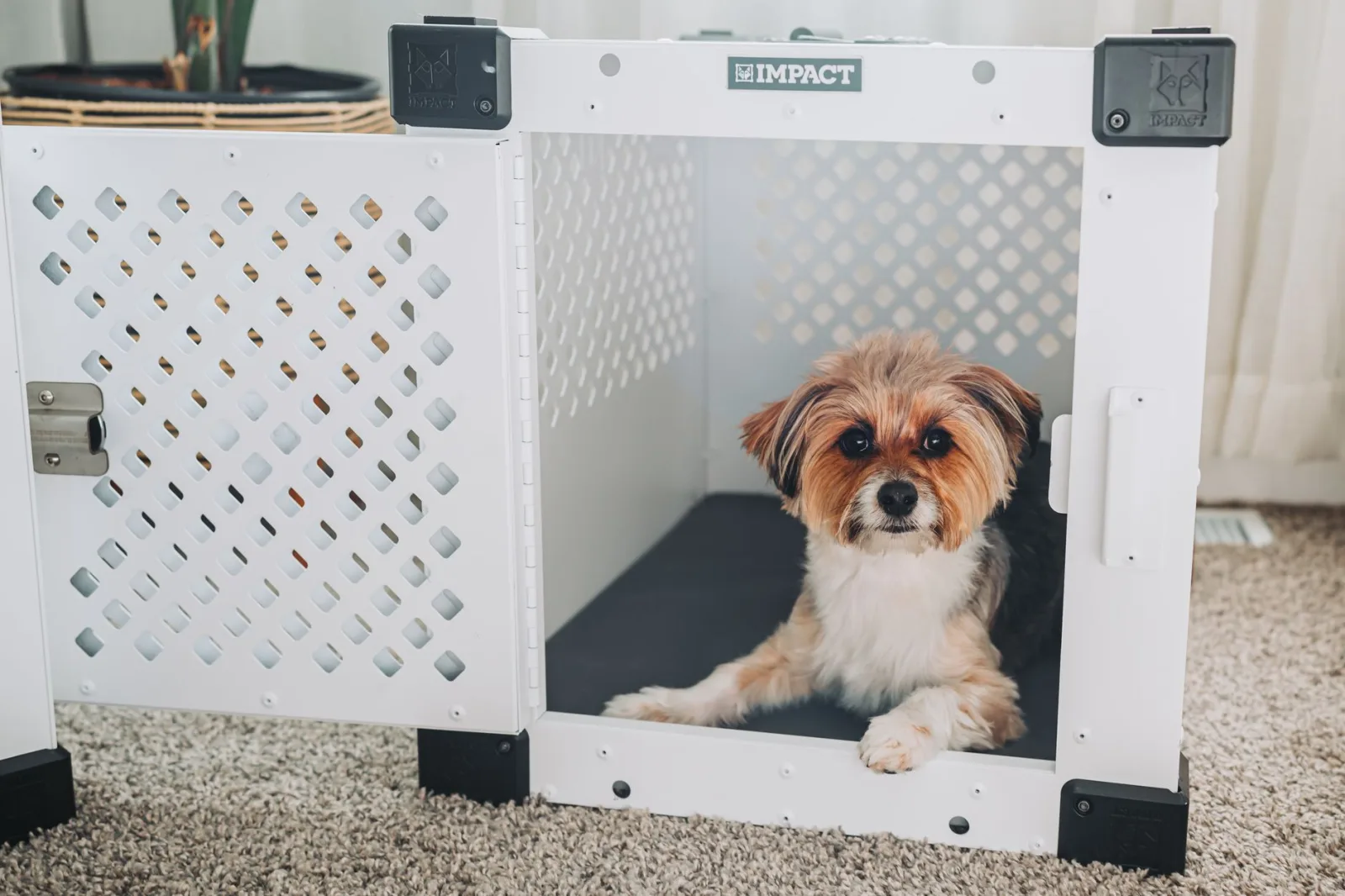
A puppy who never naps gets cranky, mouthy, and over-stimulated. A crate or a quiet pen with a soft bed teaches them how to settle. Three to four crate naps a day is normal. Keep the crate a happy place — a treat tossed in, not a punishment corner — and they'll start walking in on their own by day four or five.
Feeding and settling the stomach
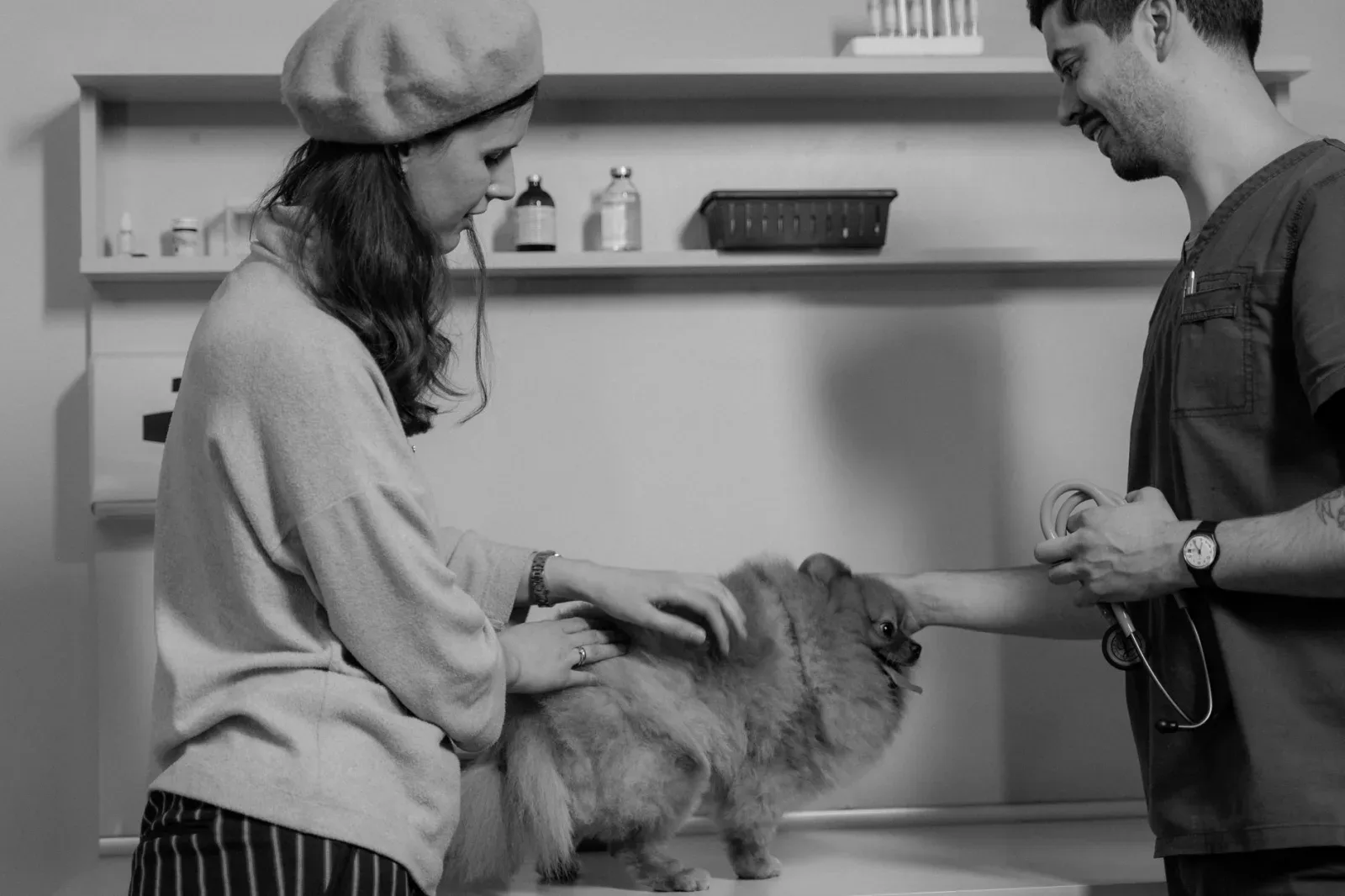
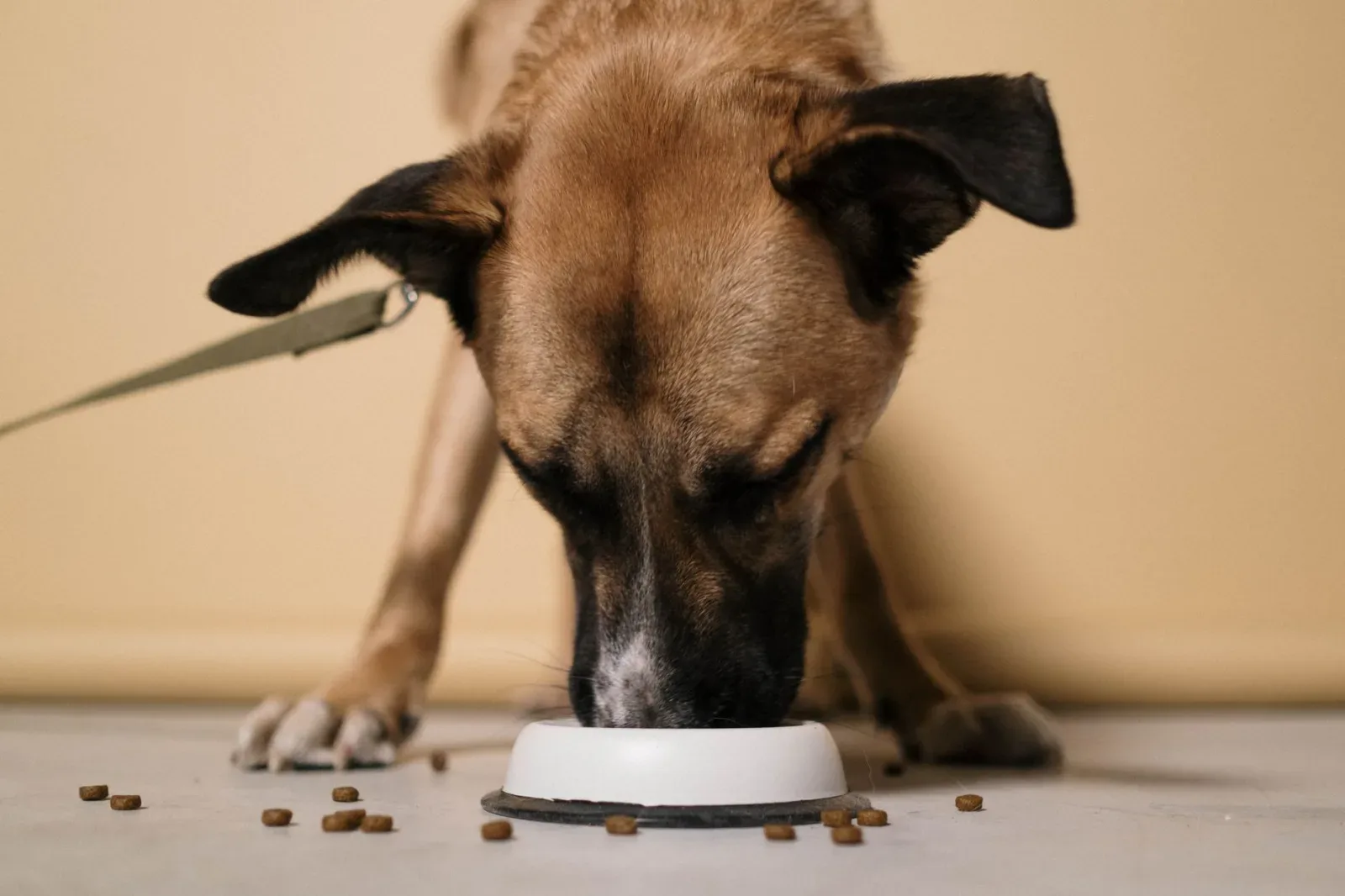
Puppy stomachs are easily upset by change, so stick to small, frequent meals of the same food they arrived with. Loose stools in the first day or two are common from travel stress; if they haven't firmed up by day three, or your puppy seems lethargic, call your vet rather than waiting it out.
Handling the nighttime cries
The first few nights are usually the hardest — a puppy separated from littermates will often whine or bark after lights out. Keep the crate near your bed for the first week so they can hear and smell you, and take them out for one nighttime toilet break rather than ignoring the cries completely.
By the end of the week, you'll start to see a rhythm — wake, potty, play, nap, repeat. Pay attention to it; that rhythm is your puppy's real schedule emerging, and it's the foundation everything else builds on.