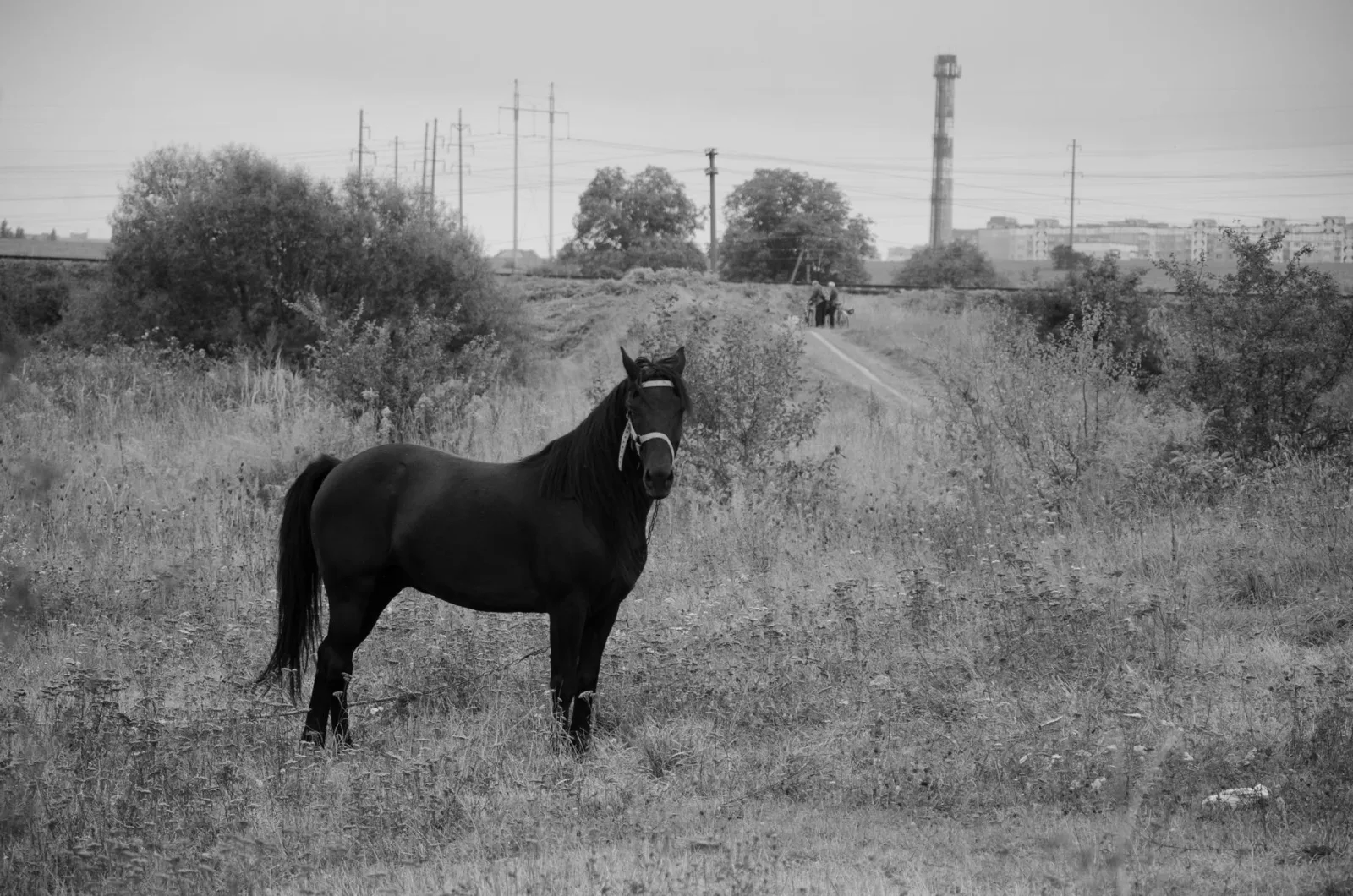
Eyeballing a horse's weight is unreliable, especially under a winter coat. Body condition scoring — a hands-on assessment of fat cover — gives you an objective read on whether your horse is too thin, too fat or just right, and it is something every owner can learn.
Where to feel
Run your hands over the key areas where horses store fat: the neck and crest, behind the shoulder, over the ribs, along the back and loins, and around the tail head. You are feeling for how much fat covers the bones beneath.
What you are aiming for
- Ideal: ribs easily felt but not seen, a level back, no prominent crest or fat pads.
- Too thin: ribs, spine and hip bones visible and sharp.
- Too fat: a hard cresty neck, fat pads, ribs buried, a gutter along the back.
Why it matters
Overweight horses are at serious risk of laminitis and metabolic disease; underweight horses may be sick, wormy, have dental problems or simply be underfed. Score your horse every couple of weeks, adjust forage and feed in small steps, and involve your vet if the score is far from ideal or changing unexpectedly.
Scoring through a heavy winter coat
A thick winter coat can hide real changes in condition under the fingers as much as the eyes, so run hands firmly enough to feel the actual bone and fat layer beneath the hair rather than judging by the coat's visual bulk alone.