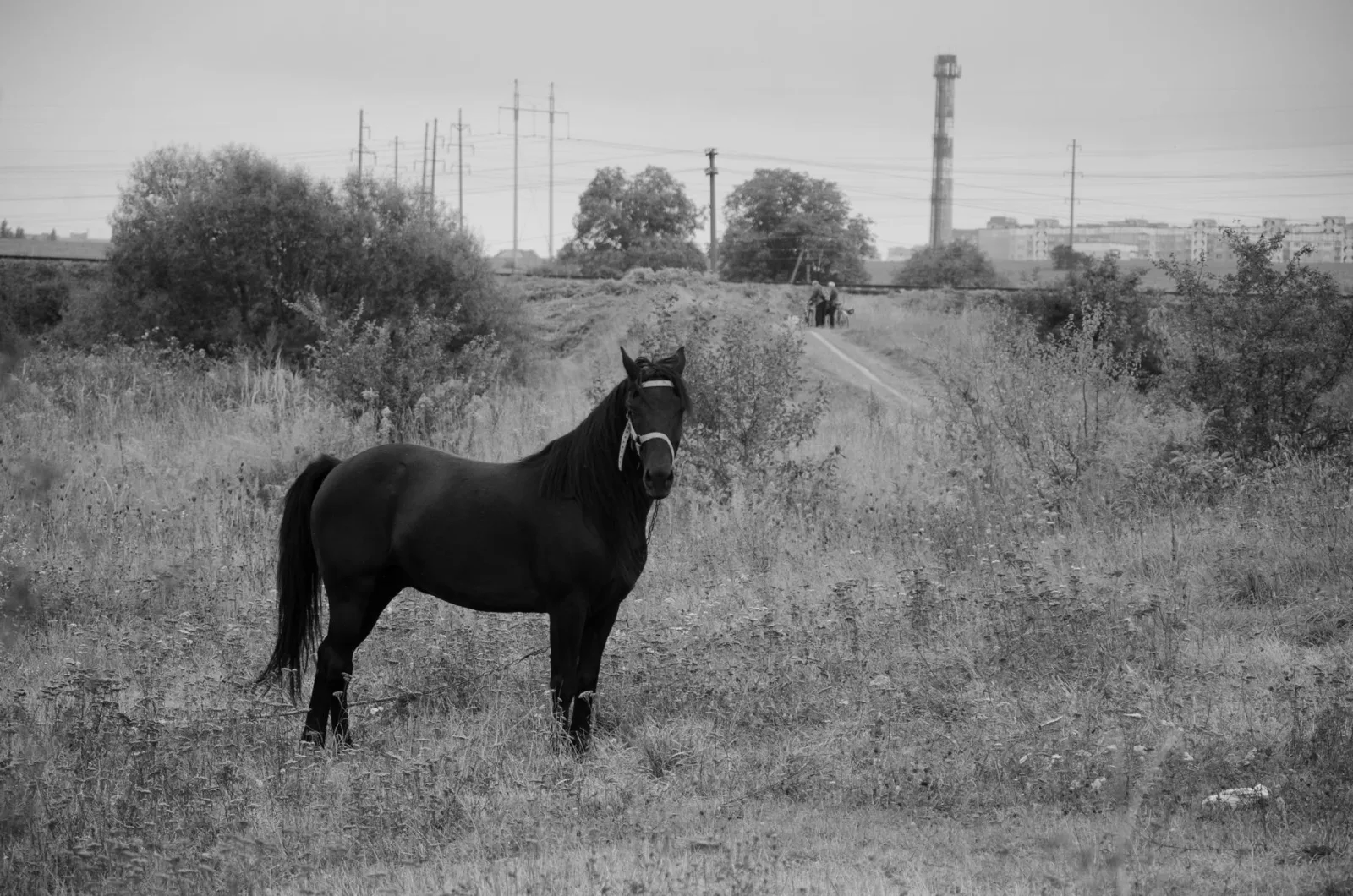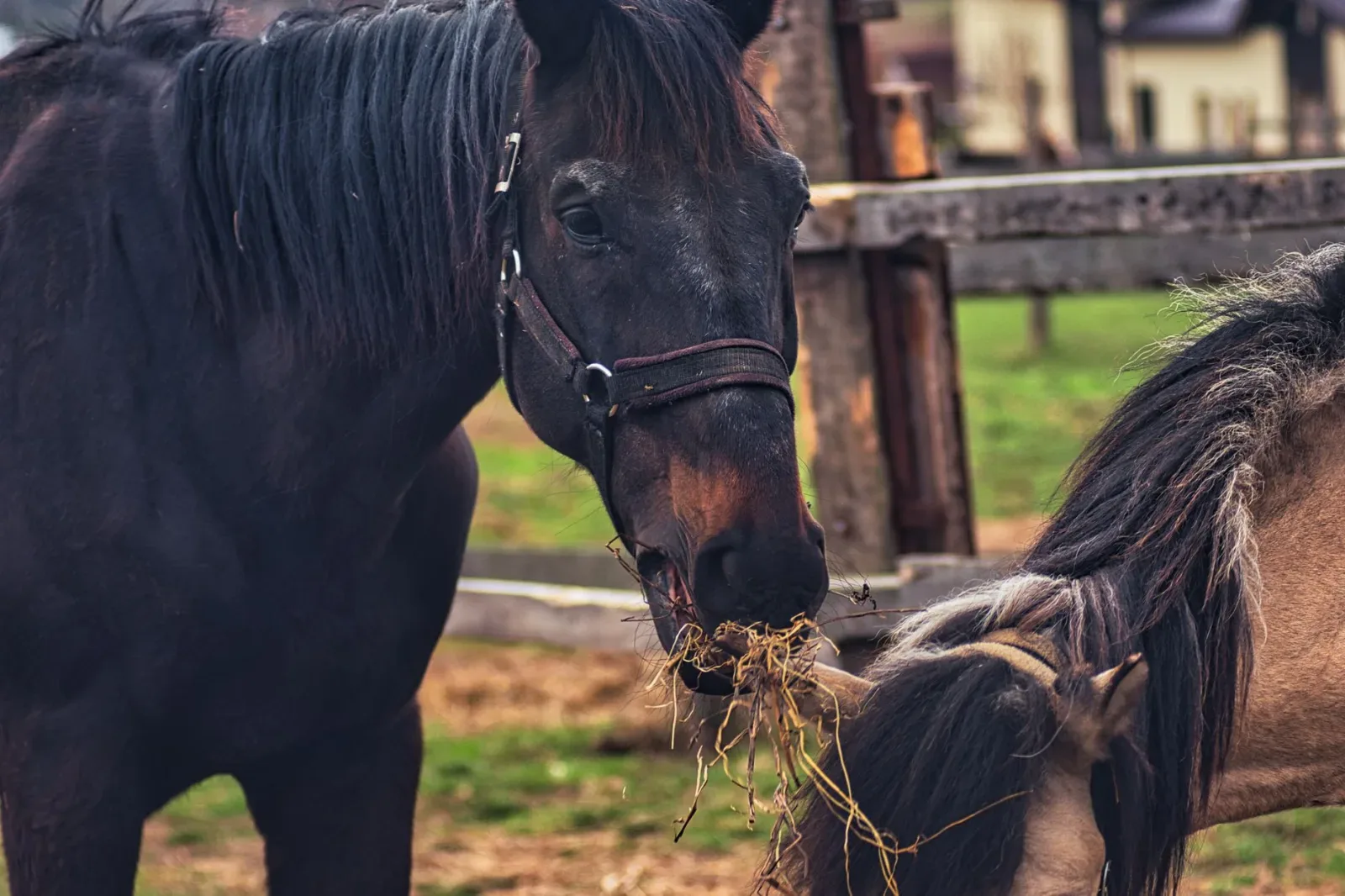
Horses evolved to trickle-feed on fibrous grass for most of the day. Their digestive system is designed for a steady flow of forage, not large grain meals, which is why ‘forage first’ is the golden rule of feeding horses.
Forage is the foundation
Grass, hay or haylage should make up the bulk of every horse's diet — as a guideline, at least 1.5 to 2 percent of body weight in forage daily. Constant access to forage keeps the gut moving, reduces the risk of colic and ulcers, and satisfies the natural urge to chew, which prevents many stable vices.
Concentrates in moderation
- Only add grain or hard feed if forage alone cannot meet the horse's energy needs — many horses in light work do not need it.
- Feed small, frequent meals rather than one large one.
- Make any change of feed gradually over a week or more to avoid digestive upset.
Water, salt and routine
Provide clean water at all times and access to a salt lick. Feed at consistent times each day — horses thrive on routine. Match the ration to the individual: a hard-working horse, a good-doer pony and a senior all have very different needs, so adjust to body condition and consult your vet or a nutritionist if unsure.
Slow feeders for stalled horses
Small-holed hay nets or slow-feeder systems stretch out eating time to more closely mimic natural grazing, which is particularly valuable for horses spending long stretches in a stall without pasture access. They reduce both boredom and the long empty-stomach gaps linked to ulcers.