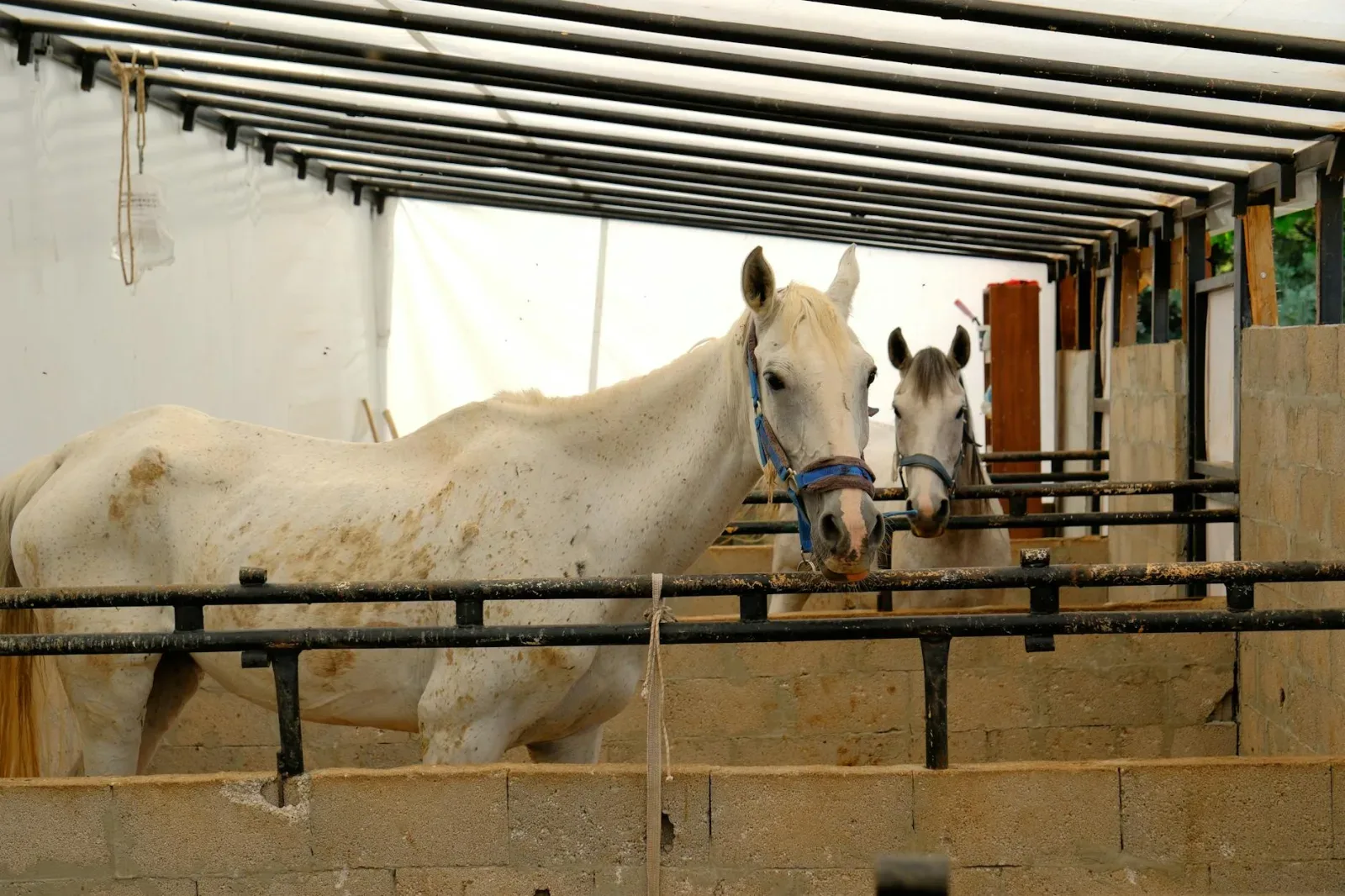
Horses are large, stoic animals that hide discomfort well, and problems like colic can turn serious within hours. A short, consistent daily health check helps you catch trouble early, when it is most treatable.
The daily once-over
- Attitude and appetite: a bright, alert horse eating normally is usually a healthy one. Dullness or a refused feed is a red flag.
- Manure and water: note normal droppings and that the horse is drinking; changes can signal colic or dehydration.
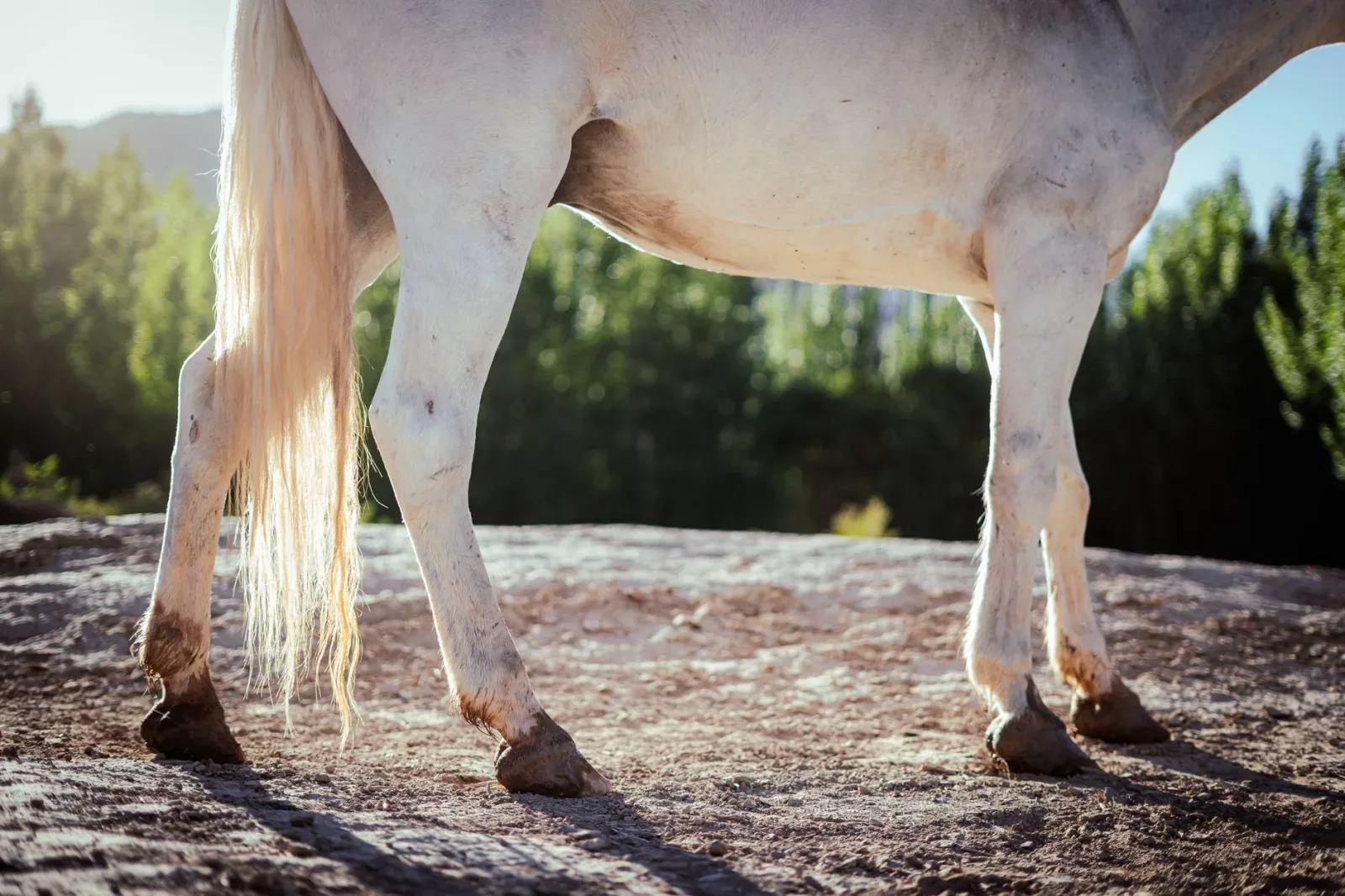
- Legs and feet: run your hands down each leg for heat or swelling, and pick out the hooves daily.
- Eyes, nose and coat: clear eyes, clean nostrils and a glossy coat are good signs.
Know the baselines
Learn your horse's normal temperature, pulse and respiration rate at rest so you can recognise when something is off. A normal adult horse rests around 37.5–38.5°C, with a pulse of roughly 28–44 beats per minute.
When to call the vet
Signs of colic (pawing, rolling, looking at the flank, no manure), severe lameness, laboured breathing, or a horse that is off its feed all warrant a prompt call. With horses, it is always better to phone early than to wait.
Keeping a simple written record
A small notebook or phone note logging weight, appetite, and anything unusual, checked off after each daily inspection, makes it far easier to describe a change accurately to your vet than trying to recall "how long has this been going on" from memory alone.