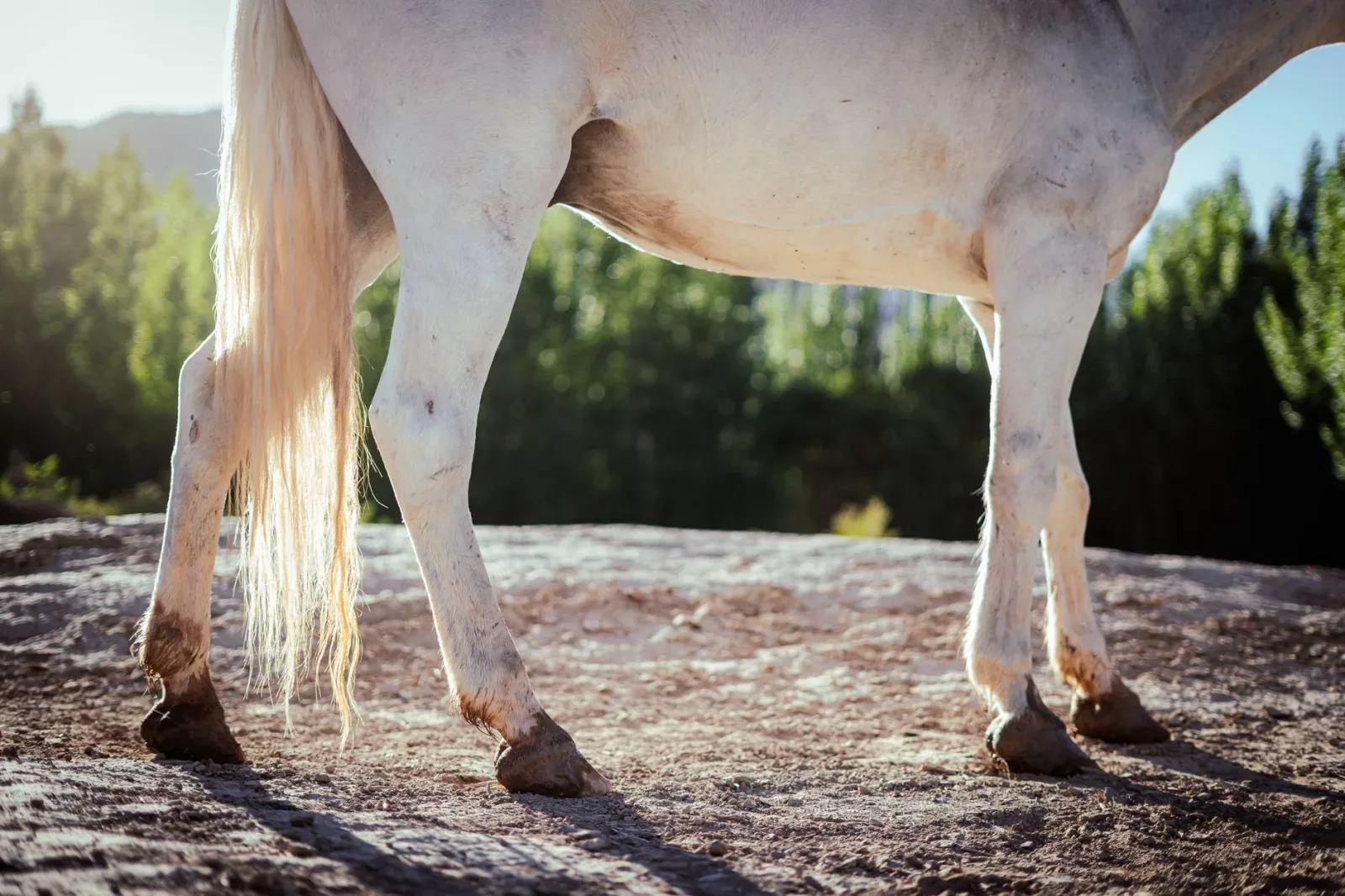
The saying ‘no hoof, no horse’ has survived for centuries because it is true. A horse's entire weight rests on four hooves, and problems there quickly sideline an otherwise healthy animal. Good hoof care is mostly routine and prevention.
Daily and weekly care
- Pick out the hooves daily, removing packed dirt, stones and manure, and checking the frog and sole.
- Look and feel for heat, a strong smell (a sign of thrush), cracks or loose shoes.
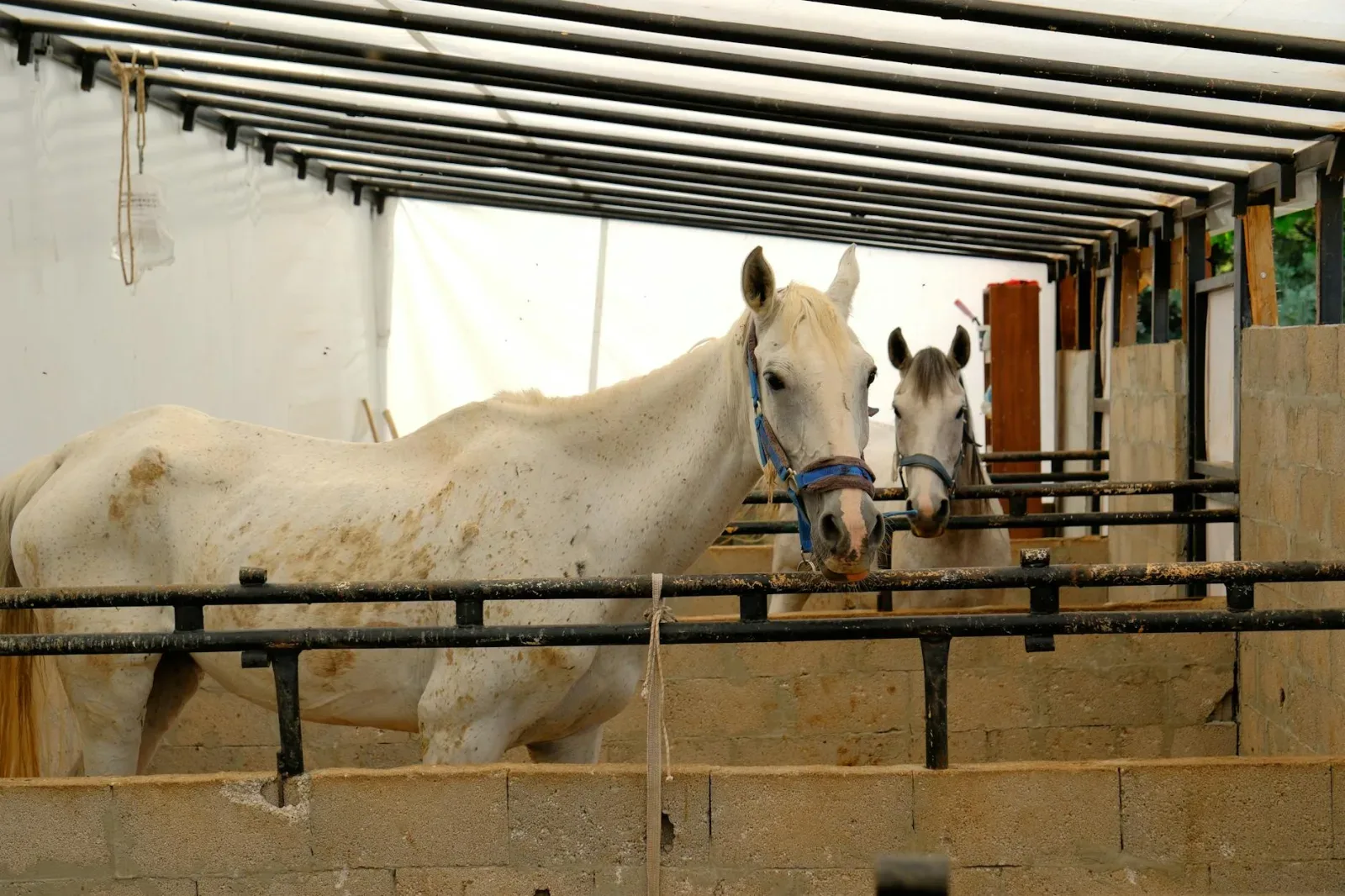
- Keep stabling clean and dry — standing in wet, dirty bedding invites infection.
The farrier
A horse's hooves grow continuously and need trimming or reshoeing roughly every six to eight weeks, whether or not the horse is shod. A good farrier keeps the feet balanced, which protects the legs and joints above them. Never stretch the interval to save money — overgrown, unbalanced feet cause lameness.
Watch for trouble
Heat in the hoof, a bounding digital pulse, reluctance to move or a ‘rocked-back’ stance can signal laminitis, a serious emergency. Persistent lameness, abscesses or deep cracks need prompt veterinary or farrier attention. Catching hoof problems early almost always means a faster, cheaper recovery.
Barefoot versus shod
Whether a horse needs shoes depends on hoof quality, workload, and terrain — some horses maintain excellent barefoot soundness on soft ground, while others working on hard or rocky surfaces benefit clearly from shoes or hoof boots. This is a decision worth revisiting periodically with your farrier rather than treating as fixed for life.