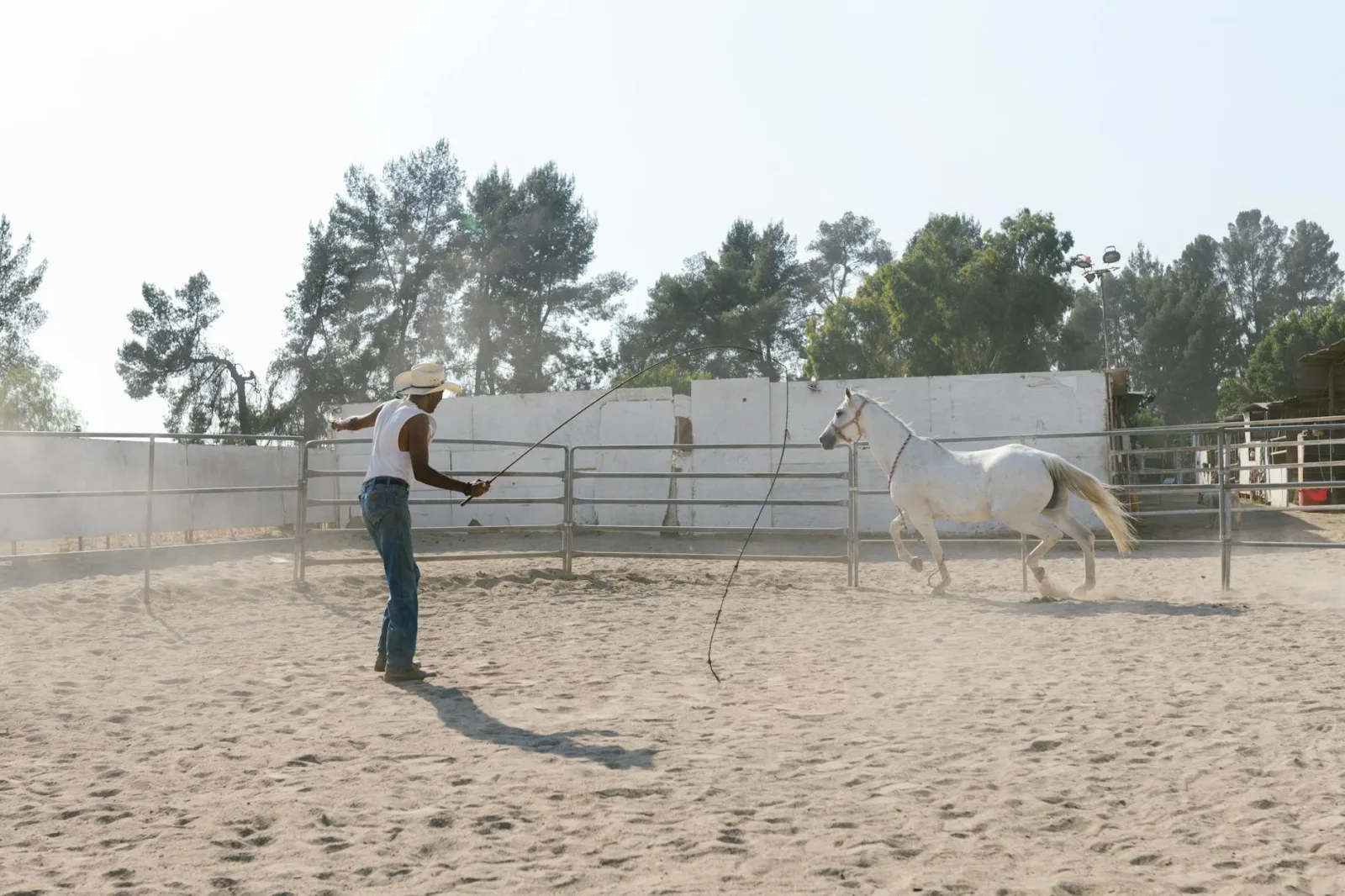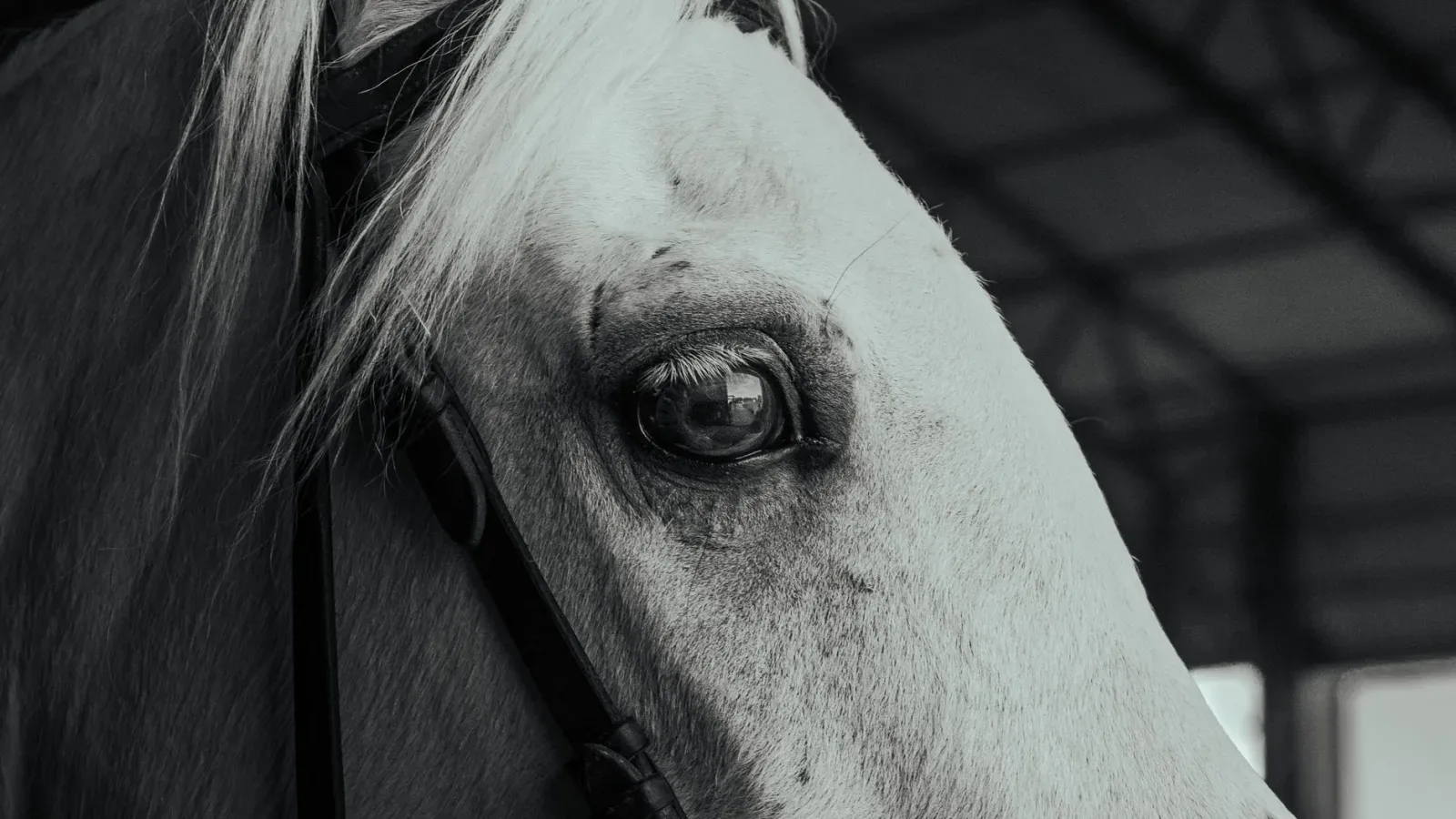
Horses are prey animals and communicate constantly through body language. Learning to read those signals lets you spot fear, pain or irritation before it becomes a bite, kick or bolt — and helps you understand what your horse is feeling.
Key signals
- Ears: pricked forward shows interest; pinned flat back signals anger or threat; flicking ears track attention.
- Eyes and nostrils: a soft eye is relaxed; wide eyes showing white and flared nostrils signal fear or stress.
- Tail: gently swishing is normal; a clamped or violently swishing tail shows tension or irritation.
- Posture: a relaxed, resting hind leg and lowered head mean calm; a tense, raised head means alertness or worry.
Putting it together
Read the whole horse, not one feature. A horse with pinned ears, a swishing tail and a raised head is telling you clearly to back off. A soft eye, relaxed ears and a lowered head mean a content, settled animal.
Why it matters
Recognising discomfort early prevents accidents and builds trust — the horse learns you listen. A sudden change in normal body language can also signal pain, so it is worth a closer look or a vet check if your horse seems unusually tense or withdrawn.
Herd behaviour as a diagnostic clue
A horse that suddenly withdraws from the herd, stands apart, or gets pushed out by usually-friendly pasture mates is often signalling illness or pain before any individual body-language cue becomes obvious. Changes in herd position are worth paying attention to, not just the horse's posture alone.