American Shorthairs
 United States
Breed Traits
About
The American Shorthair is the definition of a low-drama cat. It is affectionate without being clingy, playful without being hyperactive, and generally relaxed about visitors, children and household noise. Many enjoy sitting near their people rather than on them, and they are happy to amuse themselves while the family is at work. The hunting instinct is still strong, so expect enthusiastic stalking of toys, insects and the odd lizard on the balcony. It is a practical, steady companion that fits easily into most Indian homes.
Where the American Shorthairs Comes From
The breed's story begins with the early European settlers who sailed to North America. Working cats are believed to have travelled aboard vessels such as the Mayflower, kept on board to protect grain and cargo from rats and mice. Once ashore, these hardy felines continued their duties on farms and in homesteads, controlling rodents for generations. Over centuries of natural selection in a demanding New World, they developed into a robust, capable mouser. Breeders later refined this working stock into a recognised pedigree, and the Cat Fanciers Association formally adopted the name American Shorthair in 1966 to distinguish the cultivated breed from ordinary domestic cats.
American Shorthairs History
American Shorthair: The All-American Working Cat
The American Shorthair is one of the United States' most enduring native cat breeds, prized for its sturdy frame, easygoing nature, and remarkable longevity. Often living 15 years or more, this medium-sized companion typically weighs between 3 and 7 kg and stands roughly 20 to 25 cm at the shoulder. With a temperament described as patient, intelligent, adaptable, and good-natured, it has earned a reputation as a dependable family pet that fits comfortably into almost any household.
From Ship Ratters to Family Favourites
The breed's story begins with the early European settlers who sailed to North America. Working cats are believed to have travelled aboard vessels such as the Mayflower, kept on board to protect grain and cargo from rats and mice. Once ashore, these hardy felines continued their duties on farms and in homesteads, controlling rodents for generations. Over centuries of natural selection in a demanding New World, they developed into a robust, capable mouser. Breeders later refined this working stock into a recognised pedigree, and the Cat Fanciers Association formally adopted the name American Shorthair in 1966 to distinguish the cultivated breed from ordinary domestic cats.
A Powerful Build and the Classic Silver Tabby
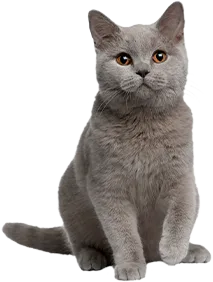
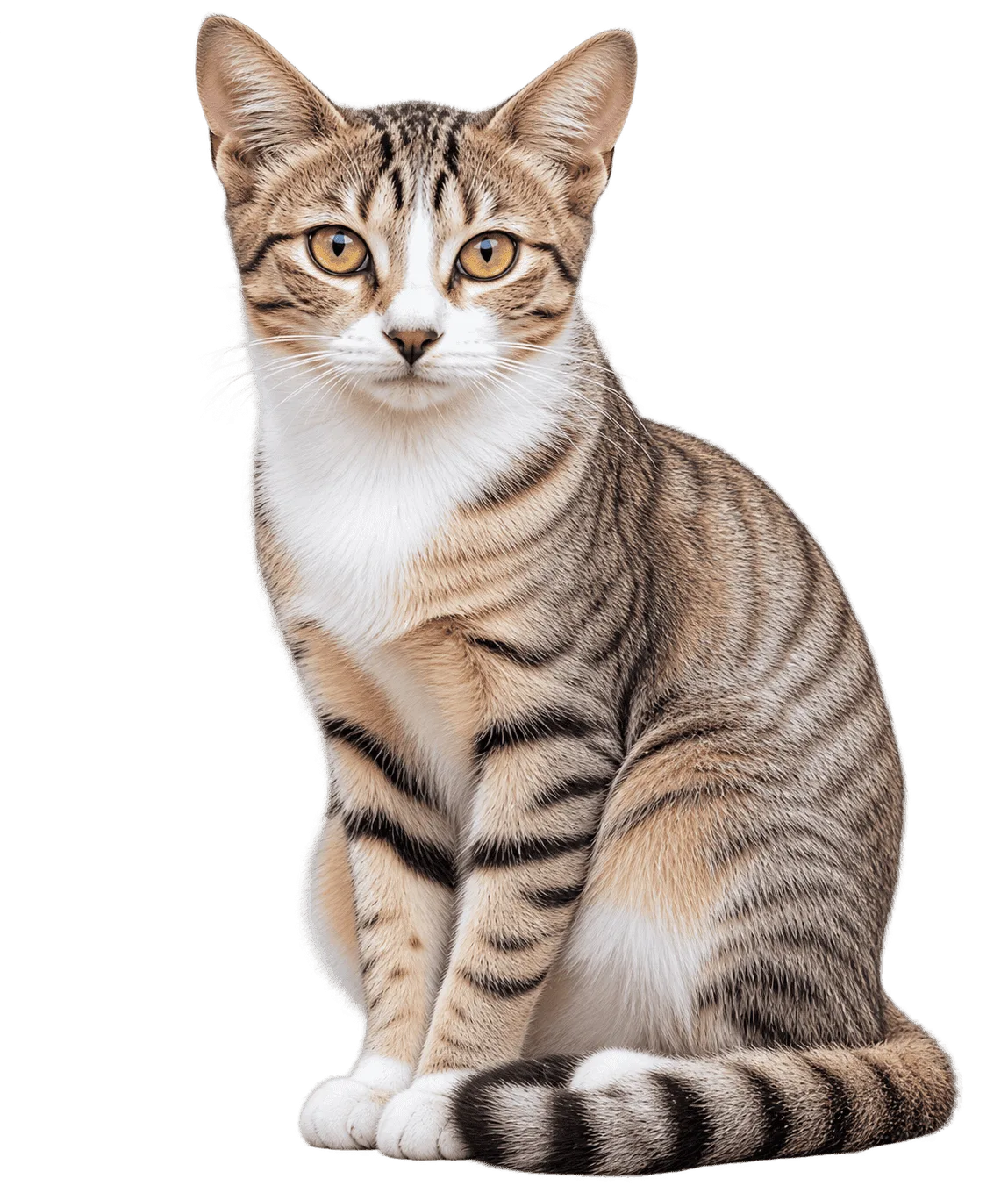
This is a solidly muscular cat with a broad chest, strong legs, and a full, rounded face that conveys an open, friendly expression. Although the breed appears in a wide spectrum of colours and patterns, the silver classic tabby - with its dense, swirling black markings set against a pale shimmering ground - remains the signature look most people picture. The coat is short, thick, and slightly hard in texture, a practical trait inherited from ancestors that needed protection against weather, brush, and minor scuffles while hunting outdoors.
An Adaptable Companion for Any Home
Personality is where the American Shorthair truly shines. These cats are calm without being lazy and affectionate without being demanding. They tend to get along well with children, dogs, and other cats, making them an excellent choice for busy or growing families. Independent enough to amuse themselves during the day yet happy to settle near their people in the evening, they adapt readily to apartments, suburban houses, and homes with a rotating cast of visitors.
Easy Grooming and Sensible Weight Management
Caring for the coat is refreshingly simple. A weekly brushing is usually enough to remove loose hair and keep the fur glossy, with slightly more attention during seasonal shedding. The breed carries a moderate activity level rather than a high one, which means owners should watch portion sizes carefully. American Shorthairs are prone to gaining weight as they mature, so interactive play and measured feeding are important. Helpful routines include:
- Short daily play sessions with wand toys or puzzle feeders to encourage movement
- Measured meals instead of constant free-feeding
- Regular dental care to support overall wellbeing
A Hardy Breed Built to Last
Thanks to its working heritage and broad genetic base, the American Shorthair is generally a healthy and resilient breed. Routine veterinary checkups, vaccinations, and parasite prevention go a long way toward maintaining that vigor. As with many cats, owners should stay alert to heart conditions and the joint or metabolic issues that can accompany excess weight. With balanced nutrition, steady activity, and consistent care, this loyal native breed rewards its family with many years of steady, good-natured companionship.
Diet
American Shorthairs have a hearty appetite and a solid frame, so they put on weight easily, particularly after neutering and in indoor-only homes. Measure daily portions of a complete, high-protein cat food and avoid free feeding. Wet food helps with hydration, which matters in Indian summers. Keep treats under about ten percent of daily calories and avoid feeding curd, milk or table scraps, which many adult cats cannot digest well. Weigh your cat monthly and ask your vet for the right daily amount.
Weather & climate
Steady and Adaptable
Training
This is a bright, steady cat that learns household rules quickly. Most take to the litter tray and scratching post with little fuss, and many can be clicker trained to sit, high-five or come when called. Use food rewards and short, cheerful sessions, and never punish, as that only teaches a cat to avoid you. Early, positive carrier training is worth the effort for stress-free vet visits, and a cat flap or tray in a quiet corner helps it settle.
Grooming
The short, dense coat is easy to care for. A weekly brush with a rubber grooming mitt or soft bristle brush removes loose hair and keeps the coat glossy. Shedding increases during seasonal coat changes, when brushing two or three times a week helps reduce hairballs and fur on furniture. Bathing is rarely needed. Trim the nails every two to three weeks, check the ears and brush the teeth regularly with a cat toothpaste.
Health
The American Shorthair is generally a healthy, long-lived breed thanks to its broad, working-cat background. Obesity is the most common problem, which raises the risk of diabetes and joint strain. Hypertrophic cardiomyopathy (HCM) is reported in the breed, so ask breeders about heart screening. In India, keep your cat indoors or in a secured balcony, provide cool tiled floors and fresh water in summer, and keep vaccinations, deworming and tick and flea control up to date.