Exotic Shorthair
 United States
Breed Traits
About
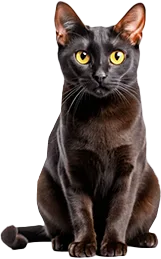
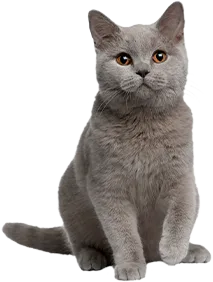
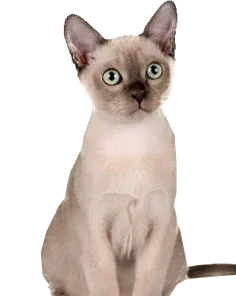
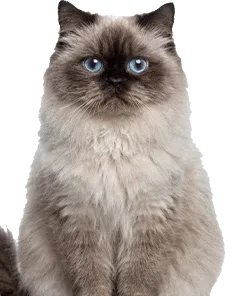
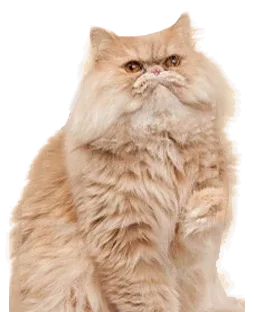
The Exotic Shorthair has the gentle, affectionate personality of a Persian with a slightly more playful streak. These cats love quiet companionship, settling close to their family and following them around at a relaxed pace. They are rarely noisy, enjoy short bursts of play with toys and then return to lounging. They tend to be patient with children and get along with calm pets. Exotics are very much indoor cats and dislike chaos, heat and long periods alone. For calm homes, they are loving and low-key companions.
Is the Exotic Shorthair Right for You?
Ideal Home / Owner
An Exotic Shorthair suits a calm household that wants a gentle, affectionate indoor cat and can keep the home cool through Indian summers. It is not ideal for homes without air conditioning, very busy or noisy households, or owners unable to manage regular eye and dental care.
Exotic Shorthair History
The Exotic Shorthair was developed in the United States in the 1950s and 1960s. Some American Shorthair breeders crossed their cats with Persians, initially hoping to improve body type and introduce new colours. The resulting kittens had the Persian's round face and cobby body but a much shorter, dense coat. Rather than folding these cats back into existing breeds, enthusiasts decided to develop them as a breed of their own.
Breeders aimed for a cat identical to the Persian in body, head and temperament, but with a short, plush coat that was easier to care for. Early programmes also used other shorthairs such as Burmese and Russian Blue, but these outcrosses were later closed and Persian became the main allowed outcross. Because of this, Exotic litters sometimes still include longhaired kittens.
The Cat Fanciers' Association recognised the Exotic Shorthair in 1967, and other registries followed. The breed is often described as a Persian in pyjamas because, apart from coat length, it follows the Persian standard closely. Like Persians, many Exotics were bred with increasingly flat faces, which has raised concerns about breathing, eye and dental problems, and responsible breeders now aim for healthier faces.
Today the Exotic Shorthair is one of the most popular pedigree cats worldwide, especially in parts of East Asia. In India, Exotics are gaining popularity in metro cities among people who love the Persian look but want easier grooming. Their short coat does reduce brushing, but their flat face still makes them vulnerable to heat, so they need a cool, air-conditioned home in Indian summers.
Diet
Exotics are calm cats that gain weight easily, so feed measured portions of a complete, high-quality cat food two or three times a day. Many find shaped kibble or smooth wet food easier to pick up because of their flat face, and shallow, wide bowls help. Wet food supports hydration, which is useful for a breed at risk of kidney disease and in hot Indian weather. Limit treats and monitor weight monthly. Your vet can advise exact daily amounts for your cat.
Weather & climate
Sweet and Easygoing
The Exotic Shorthair is a gentle, affectionate cat that loves quiet company and offers Persian charm without the long coat.
Training
Exotics are gentle and moderately trainable. Litter training is usually straightforward, and many learn simple routines and games with treats. The most important training is getting them comfortable with handling, eye cleaning, nail trims and vet visits. Start early with short, calm sessions and plenty of rewards. Avoid long, intense play sessions, as flat-faced cats tire quickly and can overheat. Gentle wand toy games in a cool room are the best way to keep an Exotic active.
Grooming
The Exotic's short, plush coat is much easier than a Persian's, but it is dense and still sheds. Brush once or twice a week with a metal comb or slicker brush to remove loose undercoat and prevent tangles. Shedding increases in summer, so brush more often then. Wipe the eye area daily, because flat-faced cats often have tear staining. Clean any facial folds gently and keep them dry. Trim nails every two to three weeks and brush teeth regularly, since dental crowding is common.
Health
Exotics share many of the Persian's health concerns. Polycystic kidney disease (PKD) occurs in the breed, so choose breeders who DNA test. Their flat face can cause breathing difficulty, narrow nostrils, watery eyes and dental crowding. They are highly sensitive to heat and humidity, which makes Indian summers risky. Keep them in a cool, air-conditioned room, never leave them in a hot car or closed space, and watch for open-mouth breathing, panting or lethargy, which need urgent vet attention.