Maine Coon
 United States
Breed Traits
About
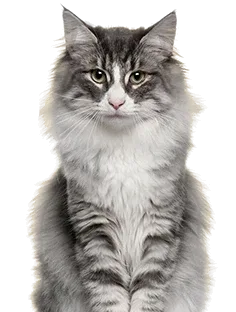
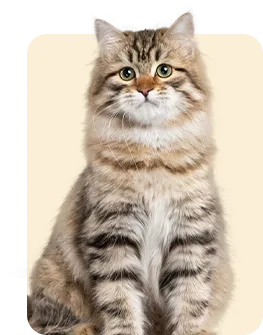
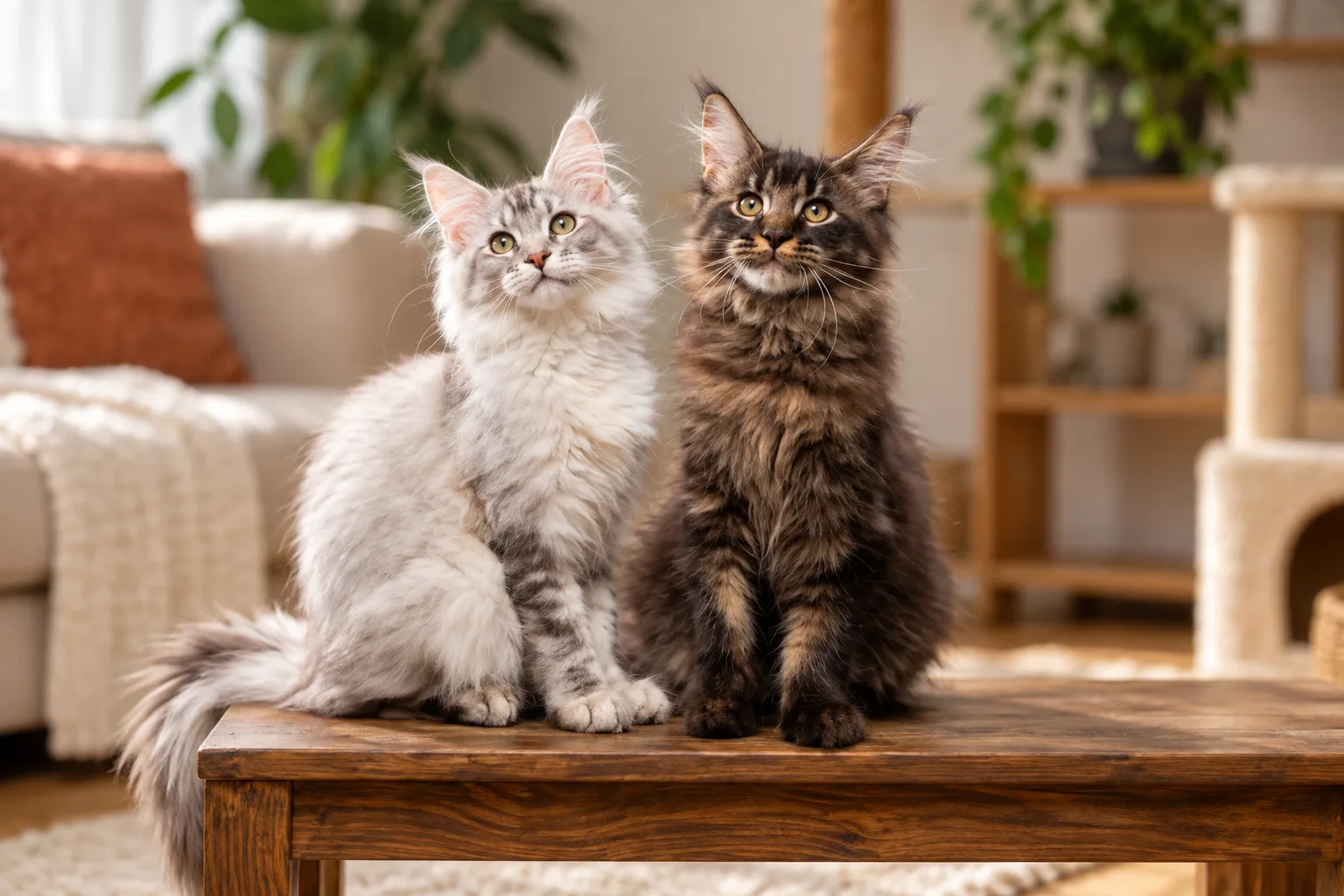
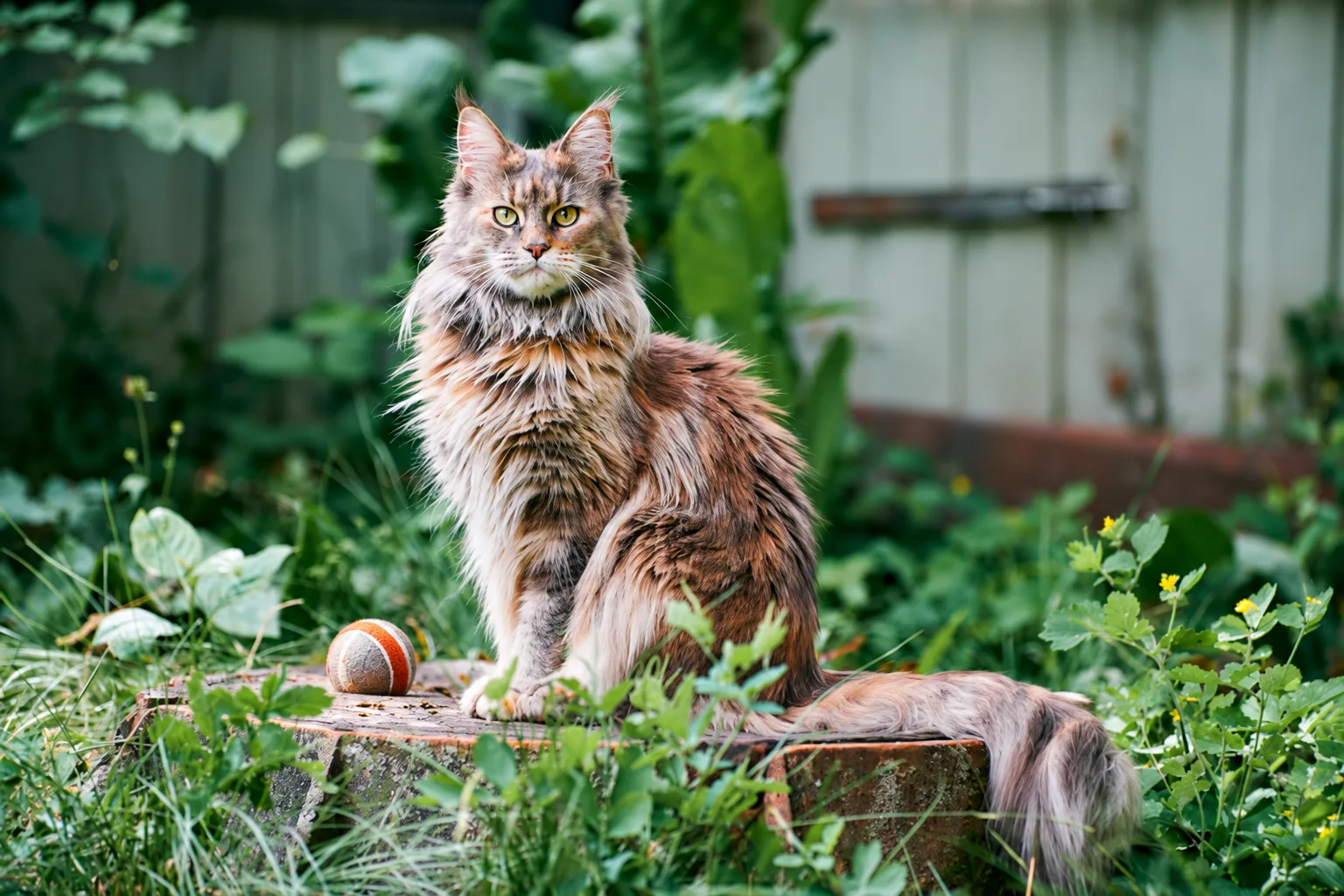
The Maine Coon is a gentle giant, known for its large size, tufted ears, and surprisingly dog-like devotion to its family. Despite their imposing build, they're soft-spoken and easygoing, often following their owners from room to room just to be part of things.
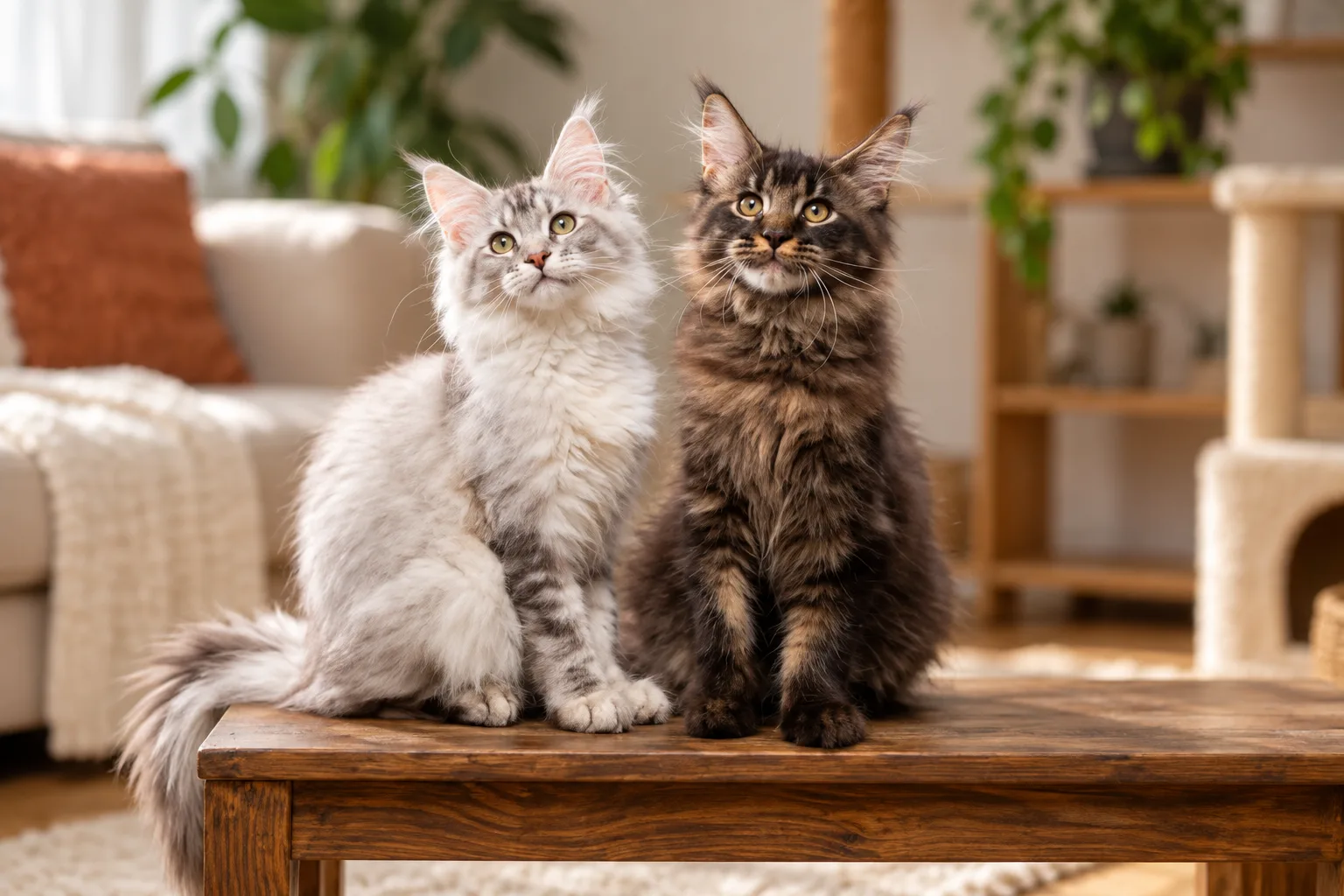
1. A Loyal Family Companion
Maine Coons form strong bonds with everyone in the household, not just one favourite person, and tend to get along beautifully with kids and other pets alike. They're social without being needy, happy to supervise household activities and join in when invited.
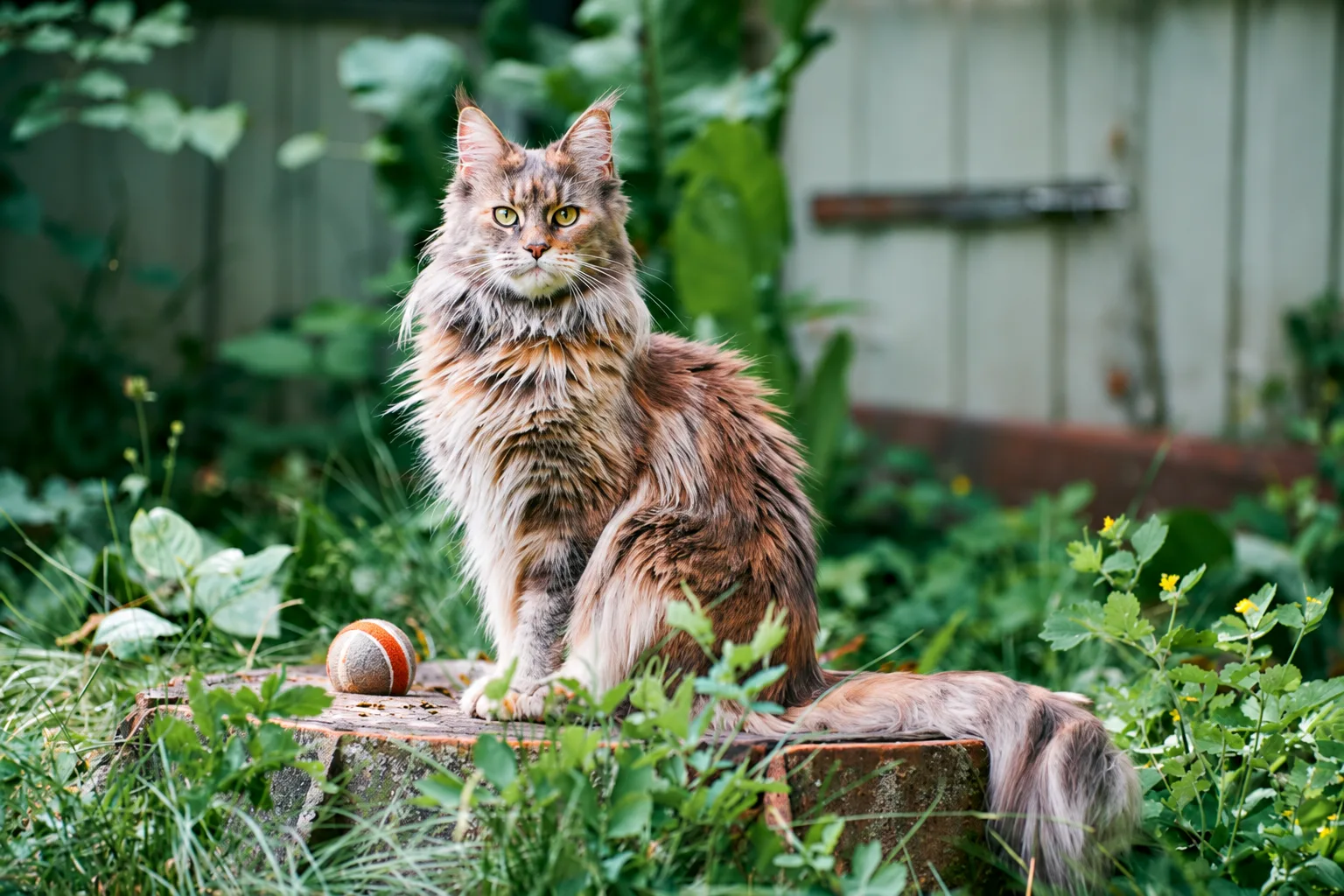
2. Where the Maine Coon Comes From
This breed developed naturally in the harsh winters of Maine, USA, where a thick coat and sturdy build were essential for survival. Popular folklore once claimed they were part raccoon given their bushy tails, but they're actually descended from longhaired cats brought over by early settlers and sailors.
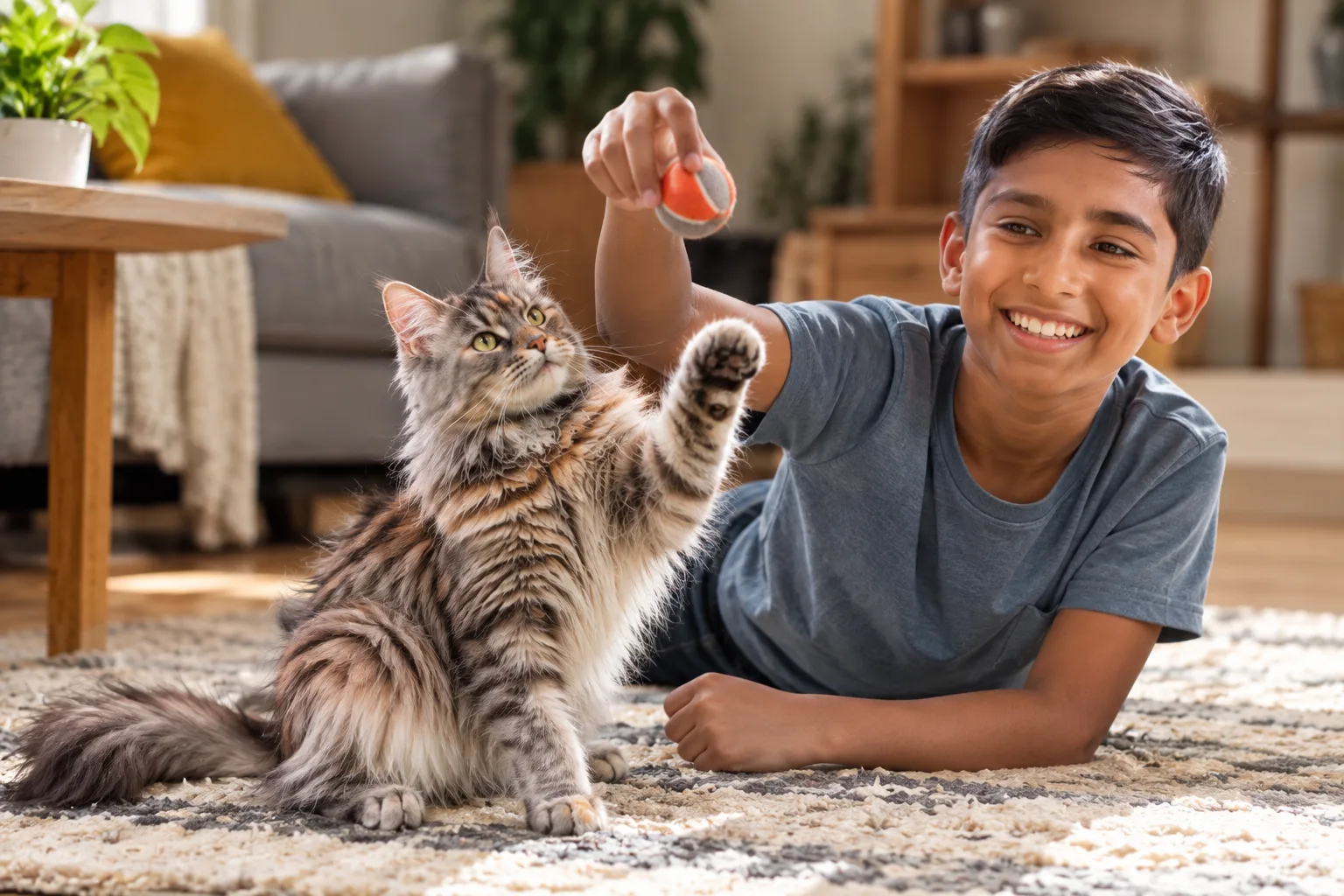
Is the Maine Coon Right for You?
Ideal Home / Owner
Maine Coons suit active, social households with room to roam and people around to interact with. They do equally well in family homes with kids and pets or with individuals who enjoy an engaged, dog-like companion.
Care Tips
- Brush weekly, more often during shedding season
- Feed a high-quality diet suited to large breeds
- Schedule regular cardiac screening given HCM risk
- Provide climbing spaces and toys to match their playful energy
- Trim nails and check paws regularly
- Keep cool during hot weather with shade and ventilation
Maine Coon History
The Maine Coon's exact origins are a bit of a mystery, since nobody kept careful records of how longhaired cats first arrived in the American state of Maine. The most likely explanation is that they descended from cats brought over by early European settlers and sailors, who then breed naturally with local cats over generations.
Whatever their exact ancestry, these cats had to survive genuinely harsh New England winters with no help from anyone. Only the sturdiest, most well-insulated cats thrived, which is why the breed ended up with such a thick coat, large paws, and an unusually large, muscular frame compared to most domestic cats.
There's a well-loved bit of folklore claiming the breed descended from cats mating with raccoons, inspired by their bushy, ringed tails and the name Maine Coon itself. It's not biologically possible, of course, but the story has stuck around for so long that it's practically part of the breed's identity now.
The Maine Coon was actually one of America's earliest recognised cat breeds, popular at cat shows as far back as the late 1800s, before newer imported breeds pushed it out of fashion for a few decades. It made a strong comeback later in the 1900s and is now one of the most popular breeds worldwide, admired as much for its size as its famously gentle, dog-like personality.
Diet
Given their large frame and higher activity levels compared to other longhairs, Maine Coons need a nutrient-dense diet that supports muscle and joint health. Slow growth during kittenhood is especially important for this large breed.
Key guidance:
- Feed a high-protein diet suited to large or giant cat breeds
- Support joint health with food containing glucosamine or added supplements if recommended by your vet
- Monitor weight closely since their size can mask early weight gain
- Split meals into two or three portions rather than free-feeding to avoid overeating
Weather & climate
Gentle and Sociable
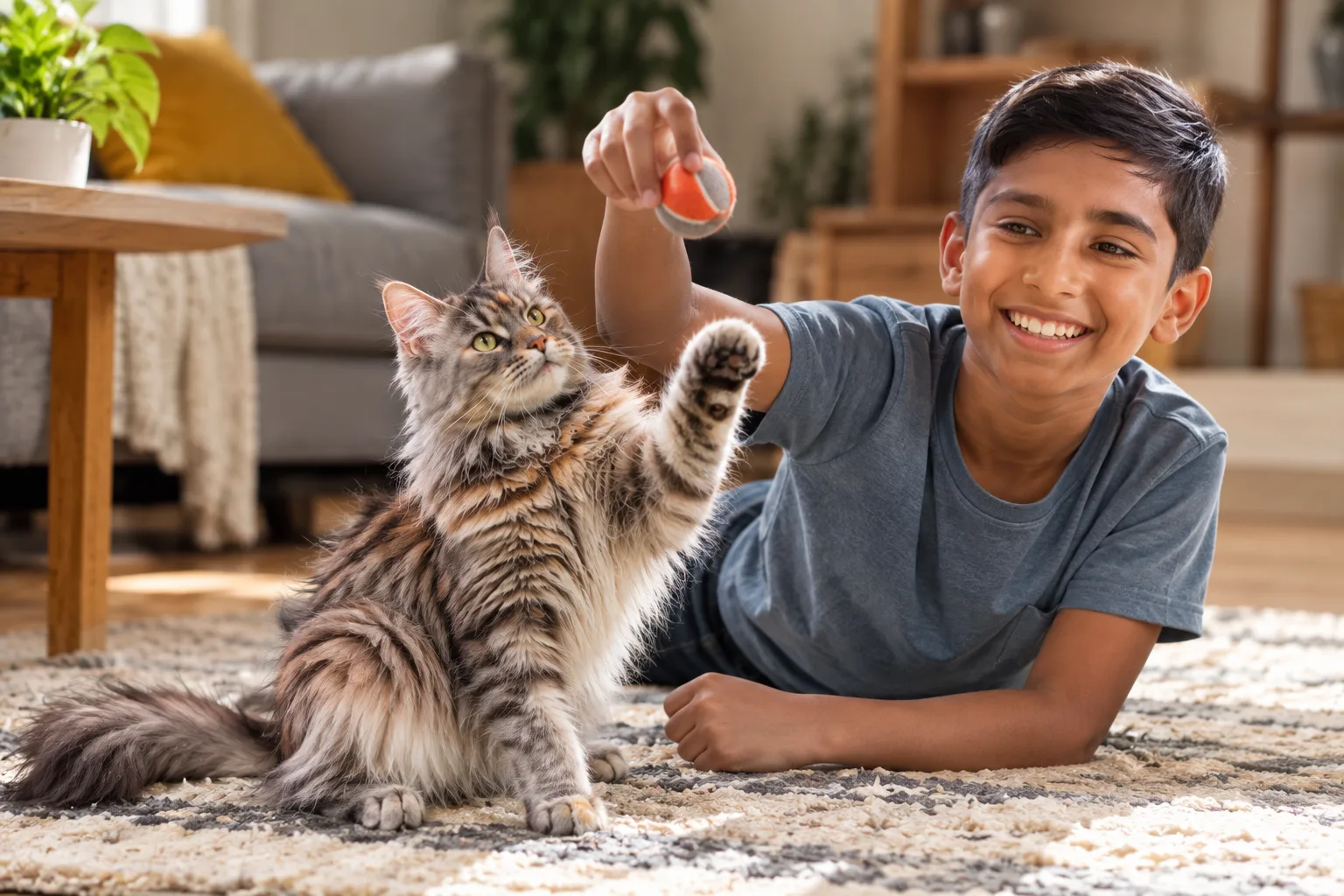
Maine Coons combine a playful, almost puppyish curiosity with a calm, easygoing temperament that rarely gets ruffled. They're just as happy playing fetch as they are lounging companionably nearby.
Training
Maine Coons are among the most trainable cat breeds, picking up litter and scratching post habits quickly and often learning simple tricks or leash walking with patient, positive reinforcement. Their intelligence and eagerness to engage make training sessions genuinely enjoyable.
1. Start Early Socialisation
Introducing a Maine Coon kitten to various people, pets, and everyday household sounds early on helps them grow into the confident, adaptable adults they're known to be. They generally socialise easily given their naturally friendly disposition.
Grooming
Despite their long, shaggy coat, Maine Coons are surprisingly low-maintenance since their fur has a silky texture that resists matting. Still, regular brushing keeps them looking their best and strengthens your bond.
1. Weekly Brushing Keeps Them Tidy
A thorough brush once or twice a week is usually enough to manage their coat, with extra attention needed around the ruff and britches during seasonal shedding.
2. Trim Nails and Check Paws Regularly
Their large, tufted paws benefit from regular nail trims and a quick check between the toes, where fur and debris can accumulate.
Health
Maine Coons are generally robust, but the breed is predisposed to hypertrophic cardiomyopathy (HCM), a heart condition, and hip dysplasia due to their large frame. Reputable breeders screen for both, and regular vet visits help monitor heart health over time.
1. Watch for Signs of Heart Trouble
Because HCM can develop silently, regular cardiac screening is worth discussing with your vet, especially as your Maine Coon ages.