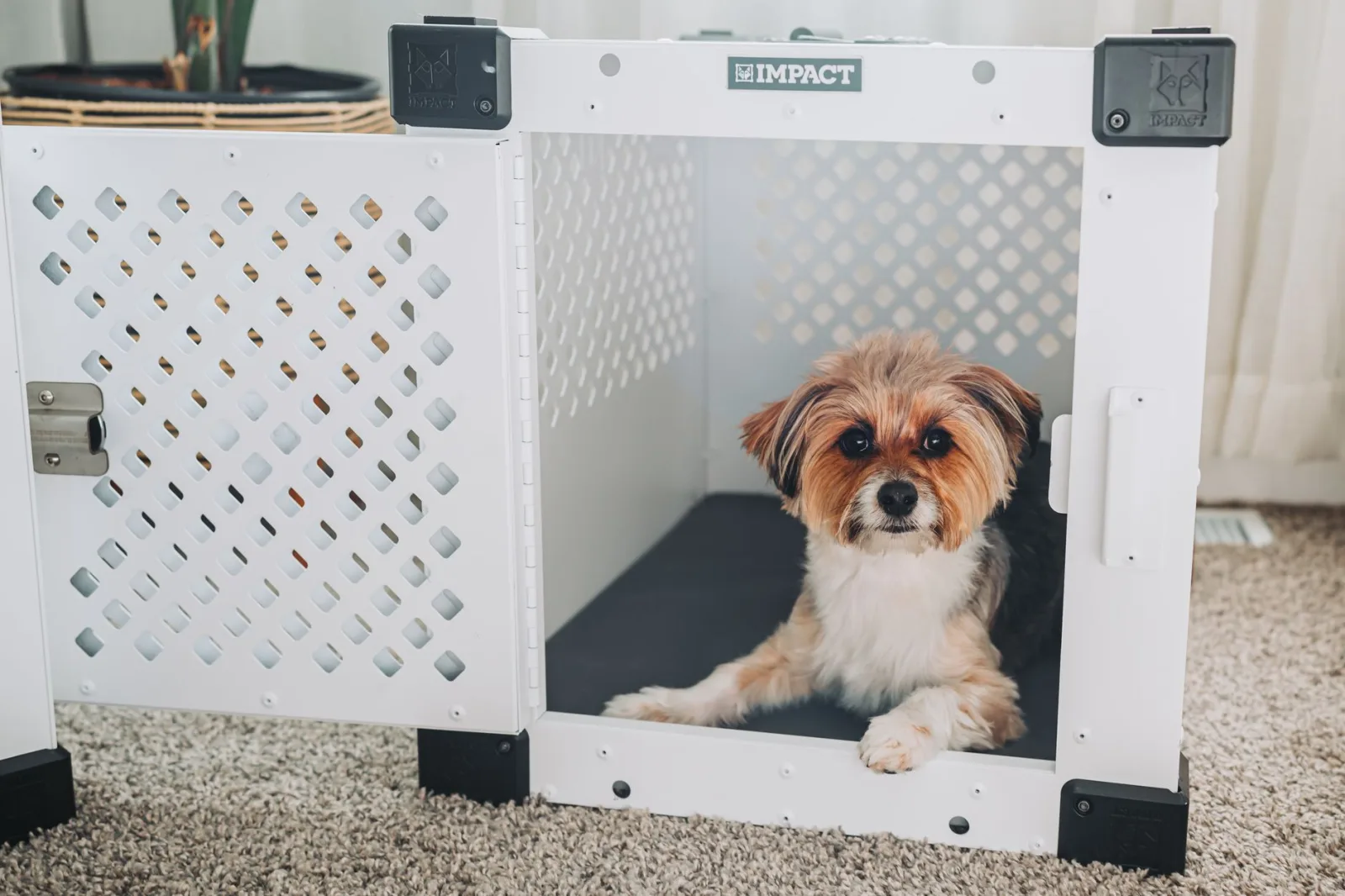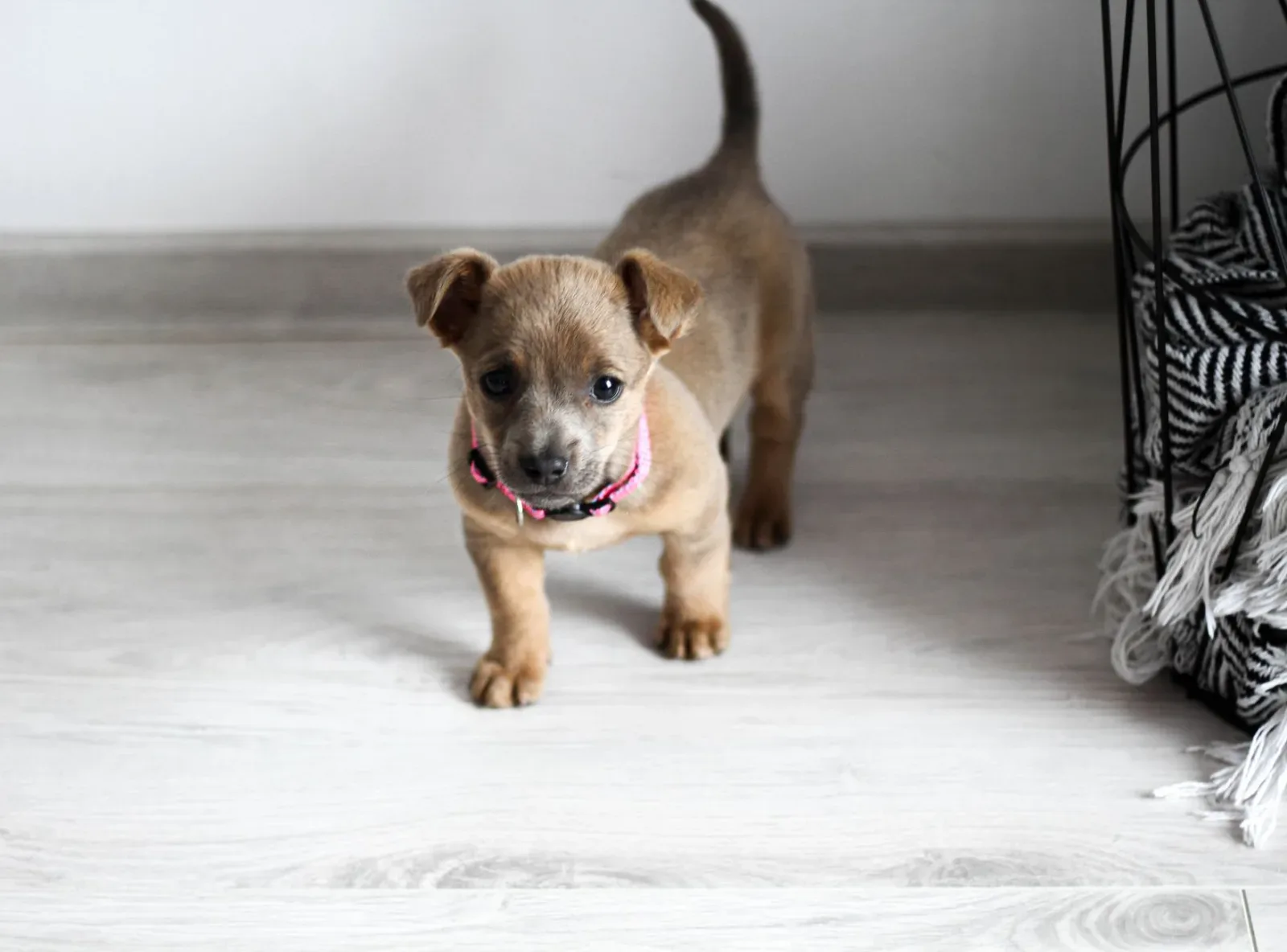
The car ride home is over, the door is open, and suddenly the responsibility is real. The first 48 hours with a new pet aren't about training — they're about helping your pet feel safe enough to be themselves.
Keep the world small at first
New sights, smells, and sounds add up fast. Pick one quiet room and let your pet explore it before opening up the rest of the house. Resist the urge to invite friends over on day one, and keep the TV or music at a low, steady volume rather than silence — sudden noises are what startle a nervous animal, not background sound.
Stick to what they already know
Ask the breeder, shelter, or previous owner what food they've been eating and what their routine looked like. Matching that for the first week prevents stomach upsets and gives your pet one less change to process. If you plan to switch food eventually, wait until they're settled and then transition gradually over 7–10 days.
Managing the first meeting with family, kids, and other pets
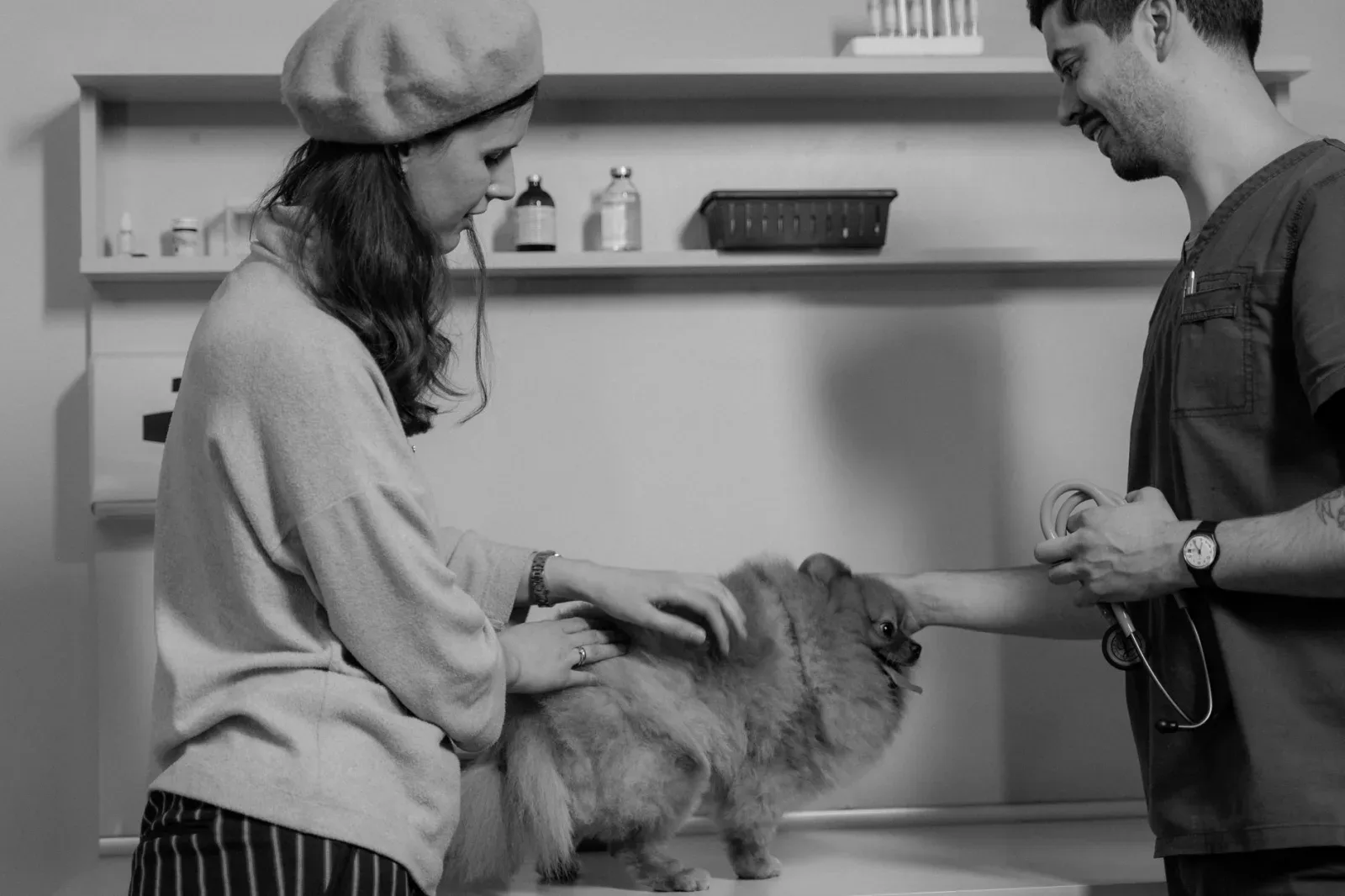
Introductions should happen on the new pet's terms, not yours. Let kids sit on the floor instead of looming over a small animal, and keep first meetings with resident pets short, supervised, and on neutral ground if possible. A stiff body, tucked tail, or flattened ears means it's time to give everyone space and try again later — not push through for the sake of a photo.
Signs your pet is settling in versus signs of real stress
- Normal: hiding for a few hours, eating less than usual, sleeping more than expected
- Normal: cautious sniffing before touching food or toys
- Watch closely: refusing water for over 24 hours, non-stop pacing, or diarrhoea that doesn't settle by day two
Most importantly: be patient. A pet that hides under the couch on day one is not "shy forever" — they're just adjusting. Give it time, and the personality will come out on its own schedule. By the end of 48 hours, most pets have found at least one spot in the house they consider theirs — that's the first real sign of trust.