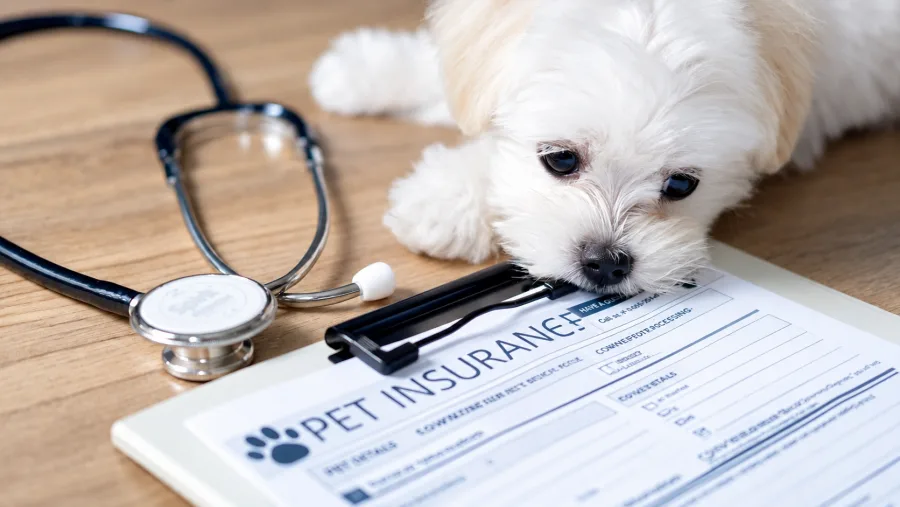
At some point, almost every pet owner asks the same question: is pet insurance actually worth paying for, or is it just money going nowhere until you need it once?
The honest answer depends on your pet, your budget, and how much financial risk you're comfortable carrying yourself. But to make that call properly, it helps to understand what you're actually buying.
How Pet Insurance Actually Works
Most pet insurance works on a reimbursement model rather than paying the vet directly. You pay the vet bill upfront, submit a claim, and the insurer reimburses you a percentage once it's approved.
Plans typically involve a monthly premium, an annual deductible you pay before coverage kicks in, and a reimbursement percentage, often somewhere between 70 and 90 percent, depending on the plan you choose.
Some providers now offer direct vet payment options at certain clinics, but reimbursement is still the more common setup, so it's worth checking which model a specific policy uses before you sign up.
What's Usually Covered
Accident and illness plans, which are the most common type, generally cover things like injuries, infections, digestive issues, and diagnostic tests related to unexpected health problems.
Many insurers also offer wellness add-ons that help cover routine costs like vaccinations and annual checkups, though these usually cost extra and work differently from the core accident and illness coverage.
What's Usually Not Covered
Pre-existing conditions are the big one. If your pet already has a diagnosed issue before you take out a policy, that specific condition typically won't be covered going forward.
This is exactly why insuring a pet earlier in life, while they're healthy, tends to make more sense than waiting until a problem shows up and trying to insure around it.
Breed-specific conditions can also come with waiting periods or exclusions, so it's worth reading the fine print for anything your pet's breed is known to be prone to.
Why Age and Breed Change the Math
A young, healthy pet from a breed without major known health issues will usually cost less to insure and may need it less urgently in the short term.
Certain breeds are prone to specific conditions that can get expensive to treat, hip issues in larger dog breeds, for example, or breathing difficulties in some flat-faced breeds. If your pet falls into one of these categories, insurance often makes more financial sense.
Weigh the Monthly Cost Against a Worst-Case Bill
A helpful way to think about it: what would an unexpected surgery or a multi-day emergency stay actually cost you out of pocket right now?
If that number would be genuinely difficult for you to cover on short notice, insurance (or a dedicated savings fund set aside for the same purpose) is worth taking seriously. If you could comfortably absorb that cost without much strain, the calculation shifts more toward personal preference than necessity.
The Self-Insurance Alternative
Some owners choose to set aside a monthly amount into a dedicated savings account instead of paying a premium, effectively insuring the pet themselves.
This can work fine if you're disciplined about actually contributing every month and don't dip into the fund for anything else. The tradeoff is that if something expensive happens early on, before the fund has built up, you won't have the same safety net a policy would have provided from day one.
Questions Worth Asking Before You Sign Up
- Does this cover pre-existing conditions, and how is that defined?
- What's the reimbursement percentage and annual deductible?
- Is there a payout cap per condition, per year, or for the pet's lifetime?
- Are there waiting periods before coverage starts?
- Does the policy cover hereditary or breed-specific conditions?
- Can I use any vet, or only ones in a specific network?
Getting clear answers to these before signing up avoids a lot of frustration later, especially the moment you actually need to file a claim.
There's No Single Right Answer
Pet insurance isn't universally necessary, but it isn't a scam either. It's a financial tool that works well for some households and less well for others, depending on risk tolerance, budget, and the specific pet involved.
The real goal is having a plan for the bill you didn't see coming, whether that plan is a policy, a savings fund, or some mix of both.