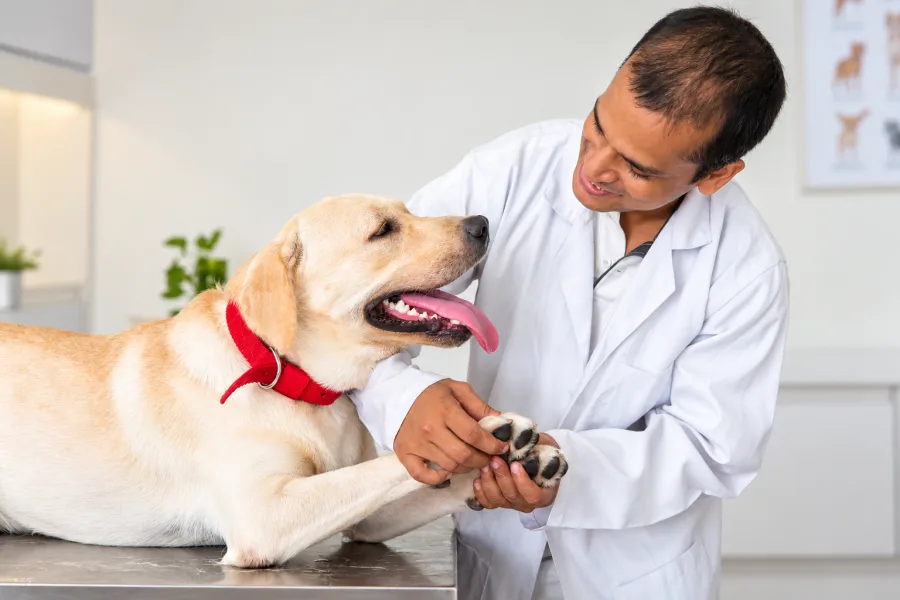
Nobody gets excited about a routine vet appointment. Your pet seems fine, the checkup costs money, and it's easy to tell yourself you'll book it next month instead.
But most of the expensive, scary problems in pet health didn't start out that way. They started small, quiet, and easy to miss, right up until they weren't. Preventive care is really just the habit of looking before something forces you to look.
None of it is complicated. It's mostly a handful of things done consistently, not perfectly.
Annual Checkups Aren't Just for Emergencies
A wellness visit isn't the same as an emergency visit, and it's worth treating it differently in your head. The vet isn't there to fix something that's already broken. They're there to catch what you can't see yourself.
That includes listening to your pet's heart and lungs, checking their weight against their history, feeling for anything unusual, and asking you questions about appetite, energy, and bathroom habits that you might not have thought to mention otherwise. A lot of early disease shows up first as a small change in a blood test or a slightly different heartbeat, long before your pet acts any different at home.
Once a year is the general rule for most healthy adult pets. Senior pets, or ones with an ongoing condition, usually do better with checkups every six months. Your vet can tell you what makes sense for your specific pet.
Vaccines Are Prevention, Not Just Paperwork
It's easy to think of vaccines as a box to check for daycare or boarding, but that's really a side effect of what they're actually doing, which is preventing diseases that are genuinely hard to treat once they take hold.
Puppies and kittens need a series of shots over their first few months, since their immunity from their mother fades gradually and needs to be picked up by the vaccine schedule. Adult pets then move to a maintenance schedule, with some vaccines given yearly and others less often, depending on the vaccine and your local risk factors.
Your vet will tailor this to where you live and how your pet spends their time. A cat that never leaves the house has different needs than a dog that goes to the park every day, and that's a conversation worth having rather than guessing at.
Parasite Prevention Is Easier Than Treating an Infestation
Fleas, ticks, and heartworm all have one thing in common: they're far simpler to prevent than they are to deal with once they've settled in.
A flea infestation in your house doesn't stay contained to your pet. It spreads into carpets and furniture, and getting rid of it fully can take weeks of treating every surface your pet touches. Ticks carry their own risks beyond the bite itself, and heartworm, once established, requires a long and genuinely hard treatment process that's rough on your pet's body.
A monthly preventive, whether that's a chew, a topical, or a collar depending on what your vet recommends, sidesteps almost all of that. It's one of the cheapest, lowest-effort things you can do that has an outsized payoff.
Dental Care Matters More Than It Gets Credit For
Dental disease is one of those things that quietly builds for years before it becomes obvious, and by the time you notice the bad breath or the reluctance to chew, there's usually already tartar buildup and inflamed gums underneath.
Brushing your pet's teeth a few times a week makes a real difference, even if it feels a little silly the first few times you try it. Dental chews and specific dental diets can help too, though they're a supplement to brushing, not a replacement for it.
Your vet will check your pet's teeth at every wellness visit and let you know if a professional cleaning under anesthesia is worth scheduling. Left untreated long enough, dental disease doesn't just affect the mouth. It can put strain on the kidneys and heart too.
Weight Management Is Prevention, Not Vanity
It's tempting to think of a slightly overweight pet as just a little soft and cuddly, but extra weight puts real strain on joints, the heart, and organs, and it raises the risk of diabetes and other chronic conditions.
You don't need a complicated plan here. Measuring food instead of eyeballing it, cutting back on table scraps, and making sure your pet gets regular movement covers most of the work. Your vet can also show you how to check body condition by feel, which is a more useful gauge than the number on a scale alone.
If your pet does need to lose weight, doing it gradually under your vet's guidance is safer than any quick fix, especially for cats, where losing weight too fast can actually cause its own health problems.
Catching Things Early Saves You More Than Money
There's a version of this that's purely financial: treating a problem early is almost always cheaper than treating it once it's advanced. That's true, and it matters, but it's not the whole picture.
Catching something early also means your pet spends less time uncomfortable, fewer procedures are needed, and the range of treatment options is usually wider. A condition caught at a routine checkup might mean a diet change. The same condition caught months later, once your pet is visibly unwell, might mean surgery or a much harder road.
Preventive care doesn't guarantee nothing will ever go wrong. What it does is stack the odds in your pet's favor, so that when something does come up, you're catching it early instead of catching up to it.
A Simple Routine to Build Around
If you're not sure where to start, this covers the essentials without overcomplicating things:
- Schedule a wellness checkup every year, or every six months for senior pets
- Keep vaccines current based on your vet's recommended schedule
- Give monthly flea, tick, and heartworm prevention year round
- Brush your pet's teeth a few times a week
- Watch your pet's weight and adjust food and exercise as needed
You don't need to do all of it perfectly starting tomorrow. Pick one thing you're not currently doing and start there.
The Goal Is a Boring Vet Visit
A checkup where the vet says everything looks good and sends you home isn't a waste of time or money. That's the outcome all of this is actually working toward.
Preventive care isn't about being a perfect pet owner. It's about building a few habits that quietly do their job in the background, so the big, stressful vet visits stay rare instead of becoming routine themselves.