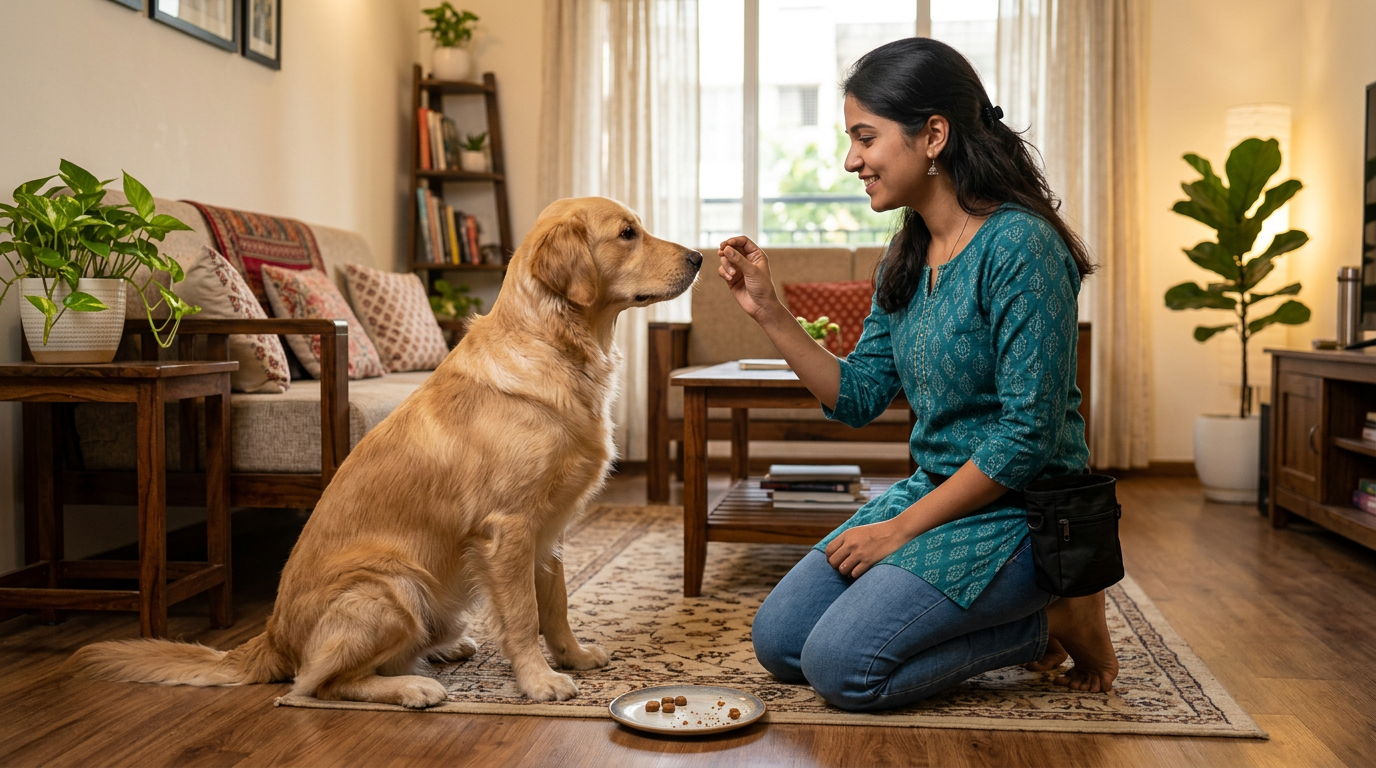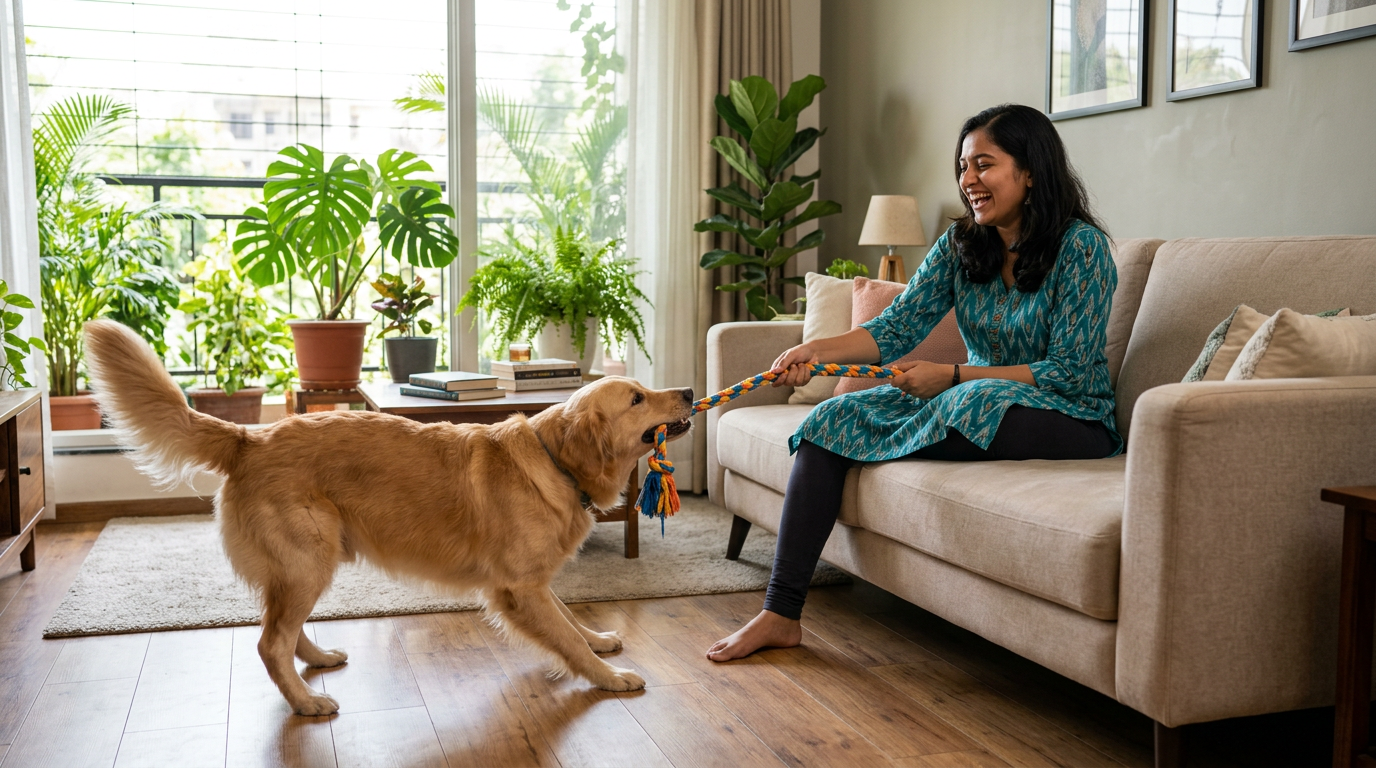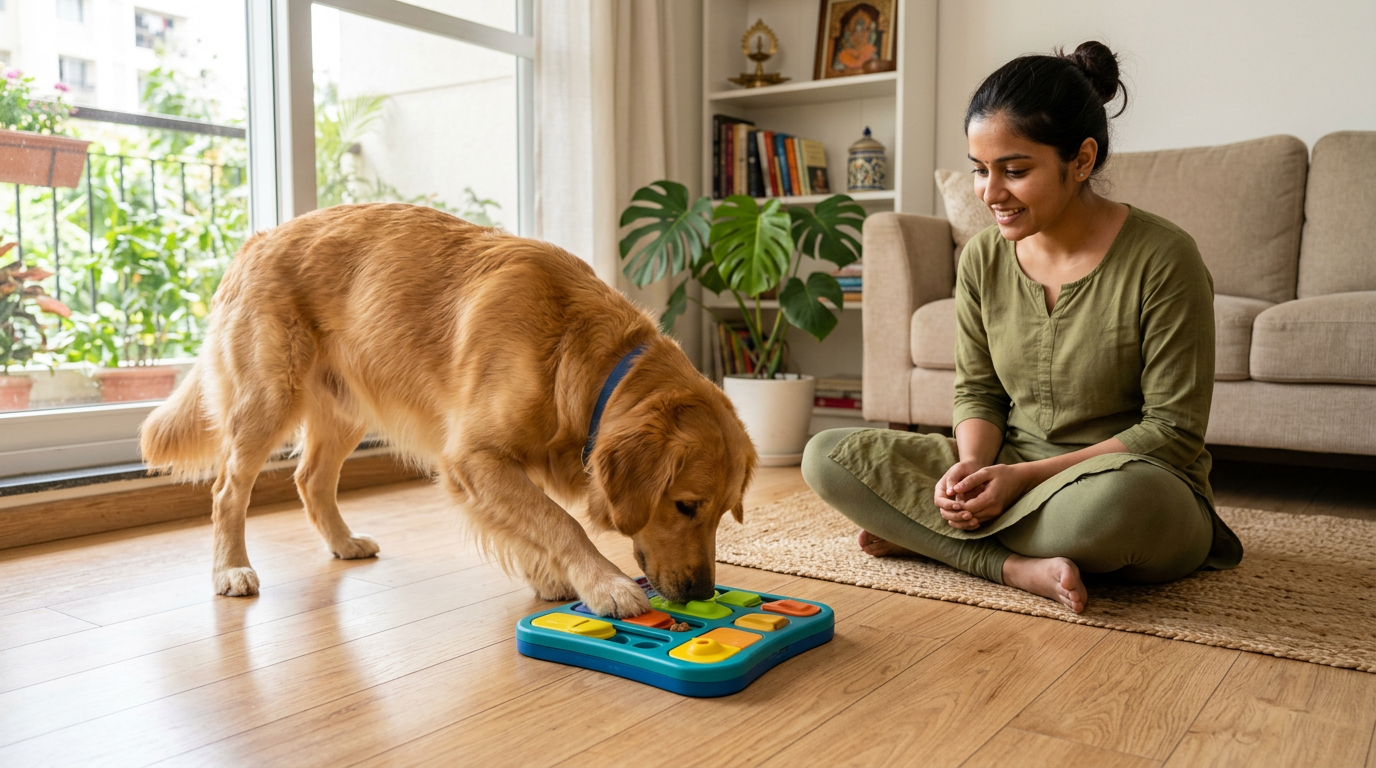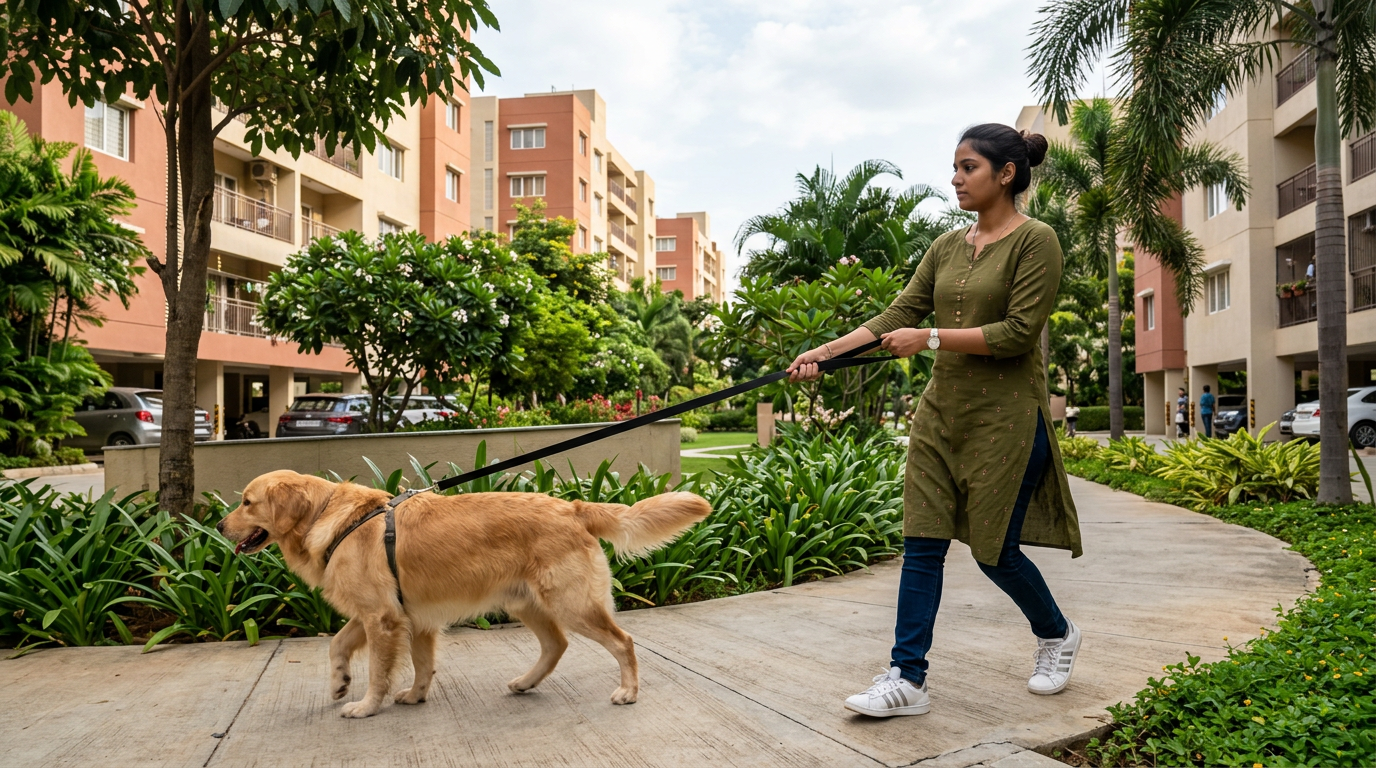
The vast majority of "behavior problems" are normal behaviors happening in inconvenient places. Solving them is less about discipline and more about redirecting.
Identify the function
Every behavior pays off somehow — attention, food, escape, fun. Find what your pet is getting out of it, and either change what they get or give them a better way to get it.
Manage the environment
You can't train a problem out of a setup that constantly rewards it. Close the counter-surfing dog out of the kitchen while you're cooking; the problem fades when it stops paying off.
Common issues and their usual fix
Jumping on guests: reward four paws on the floor, ask visitors to ignore jumping rather than pushing the dog away (pushing often reads as play). Barking at the door: teach a "go to mat" cue and reward calm settling instead of only shouting over the noise. Destructive chewing: it's rarely spite — it's boredom, teething, or leftover energy; more appropriate chew outlets solve it faster than punishment does.
When to bring in a professional
Resource guarding, fear-based aggression, or anything involving a bite should go to a certified trainer or behaviourist rather than a DIY fix — these carry real safety risk and usually need a plan built around your specific dog.
If a behavior appears suddenly, rule out medical causes first. Pain shows up as crankiness, hiding, or unprovoked snapping more often than people realize.