Bengal
 United States
Breed Traits
About
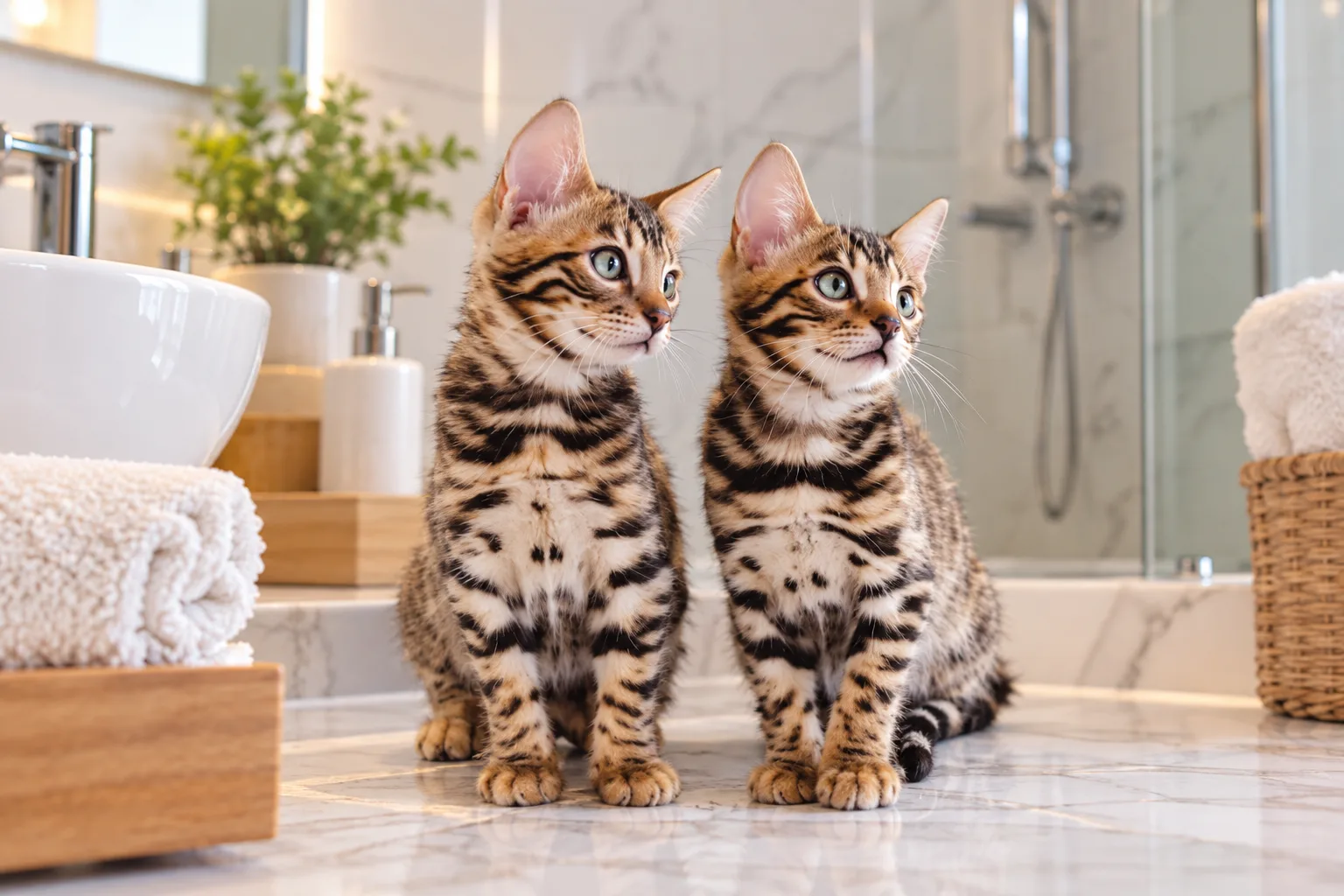
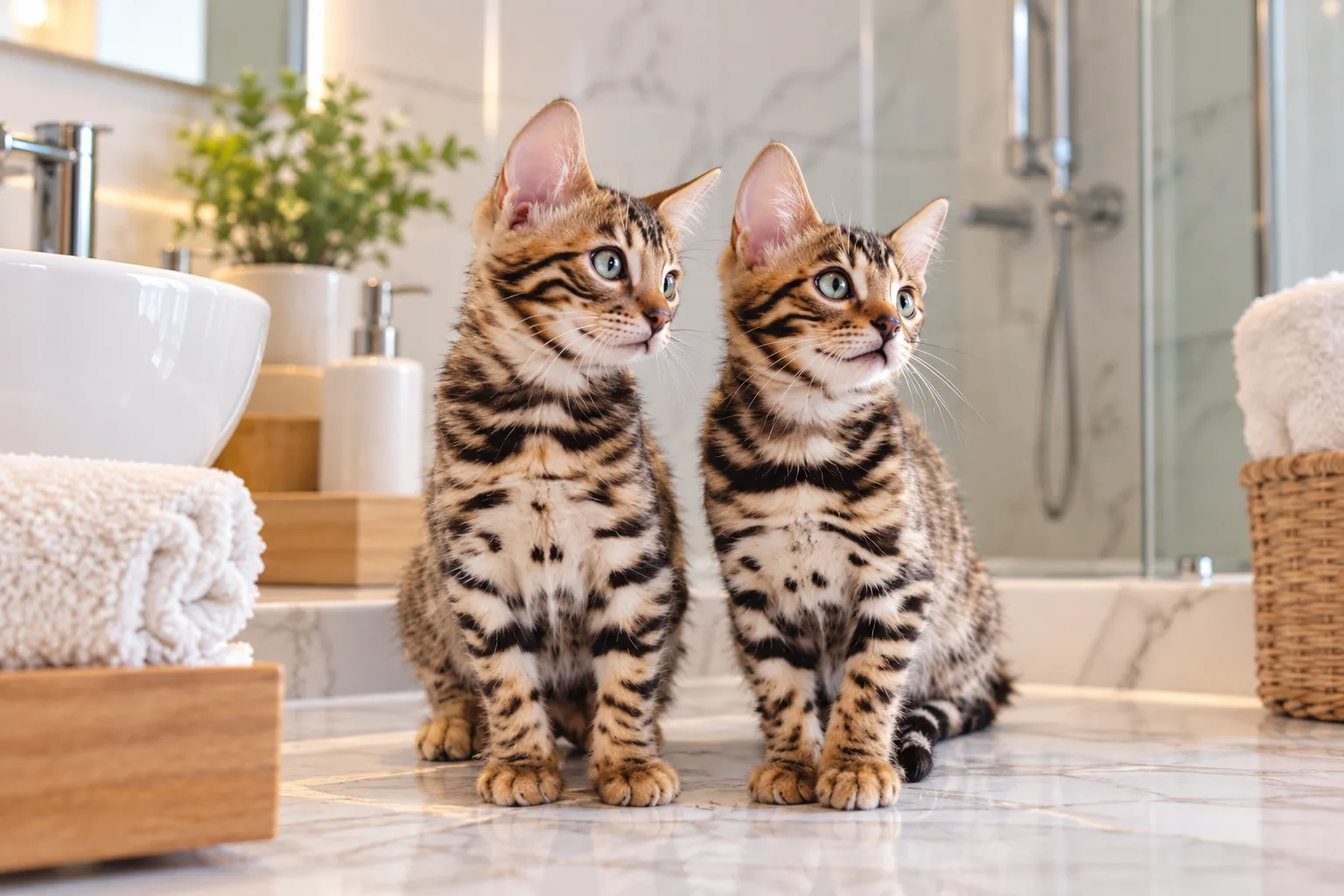
The Bengal is a strikingly beautiful cat with a wild leopard-like coat and an equally wild amount of energy to match. Descended from crosses with the Asian leopard cat, they bring a bold, athletic spirit into the home that keeps things anything but boring.
1. A Loyal Family Companion
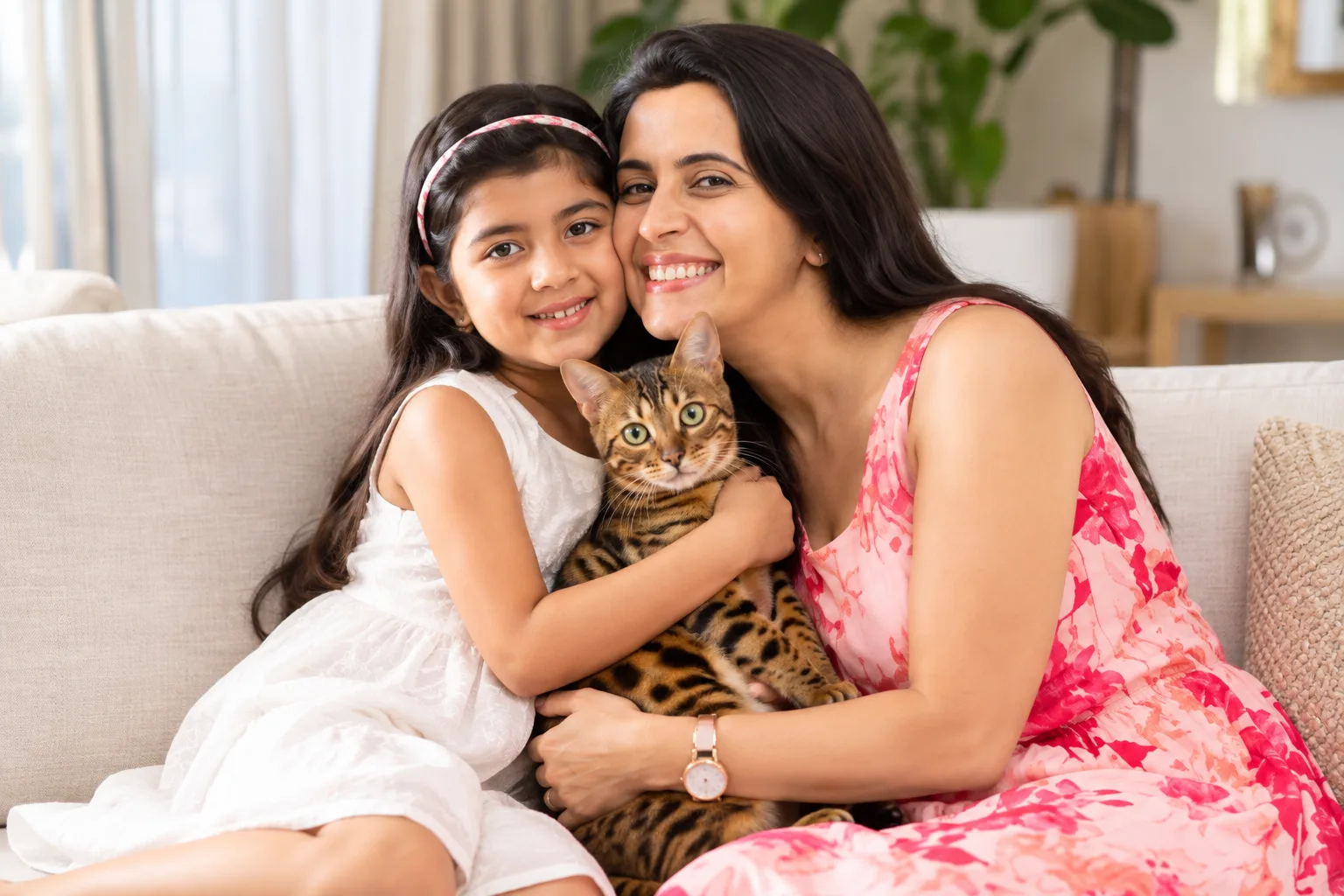
Bengals bond intensely with their families and often follow their favourite person everywhere, chatting along the way with a distinctive range of vocal sounds. They're affectionate on their own terms, usually preferring interactive play and engagement over quiet lap time.
2. Where the Bengal Comes From
The breed was developed in the United States by crossing domestic cats with the Asian leopard cat to create a companion animal with a wild appearance but a domestic temperament. Later generations were bred purely from domestic Bengal lines, resulting in the loving yet high-energy cats we know today.
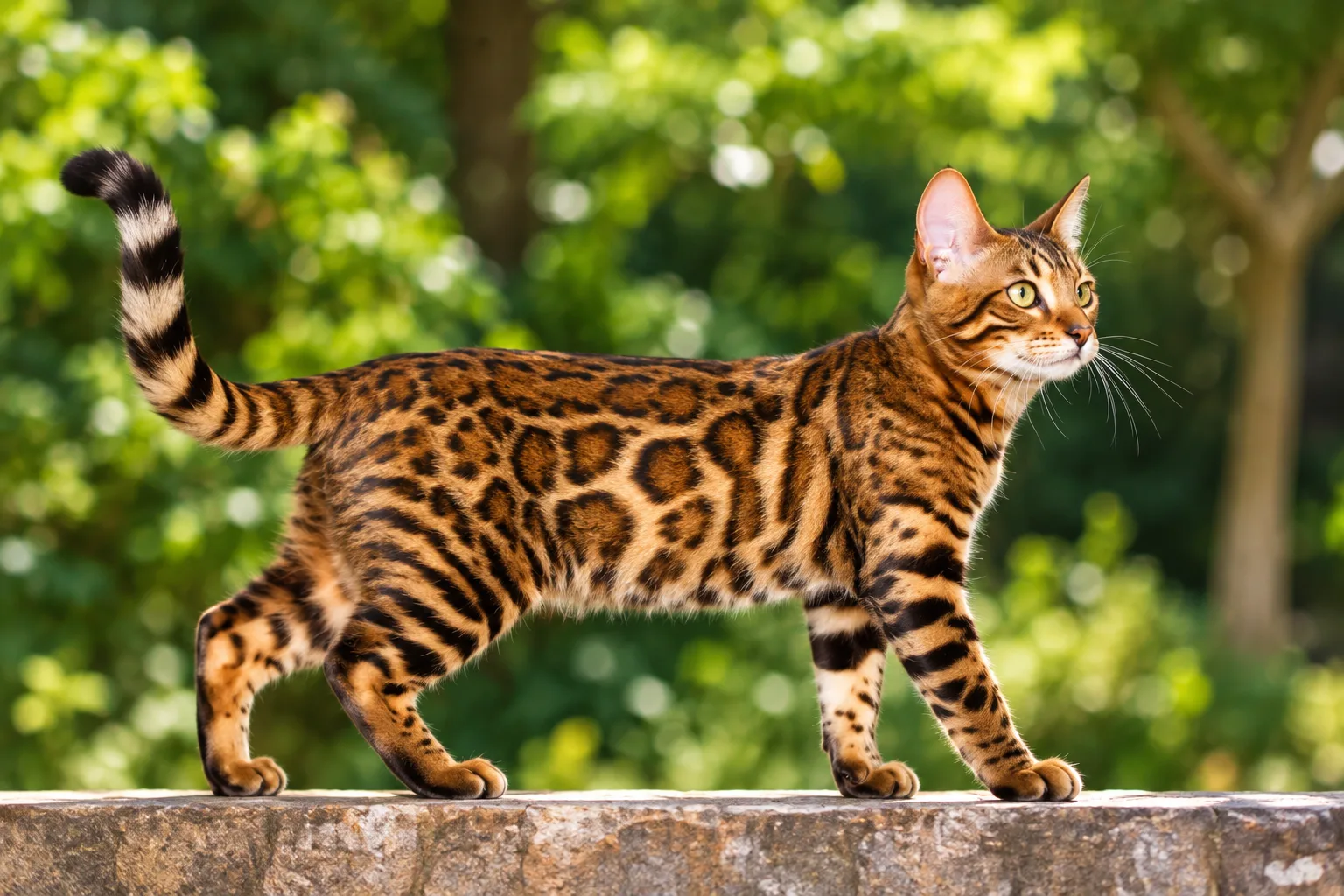
Where the Bengal Comes From
The Bengal originates from United States.
Diet
Bengals have a fast metabolism and high energy needs, so their diet should be protein-rich to support their athletic build and constant activity. Many Bengal owners find their cats do particularly well on diets closer to their ancestral, high-protein roots.
Key guidance:
- Feed a high-protein diet with minimal fillers
- Offer smaller, more frequent meals to match their active metabolism
- Provide puzzle feeders to combine feeding time with mental stimulation
- Keep fresh water easily accessible, ideally in multiple spots given their fondness for water play
Bold and Adventurous
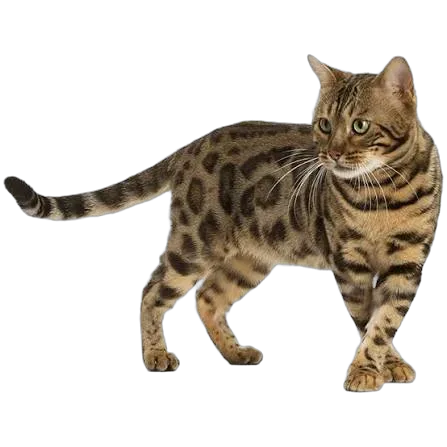
Bengals approach life with fearless curiosity, climbing, exploring, and often surprising owners with their love of water. They need an engaged household ready to match their energy.
Training
Bengals are highly intelligent and trainable, often learning to walk on a harness, fetch, or even open doors and cabinets if not given enough legitimate outlets. Litter and scratching post training tend to go smoothly, though their intelligence means they benefit from consistent, engaging routines from day one.
1. Start Early Socialisation
Early socialisation helps channel a Bengal kitten's natural boldness in positive directions, introducing them to new people, sounds, and situations with confidence. Structured play from a young age also helps establish good habits before their high energy becomes harder to redirect.
Grooming
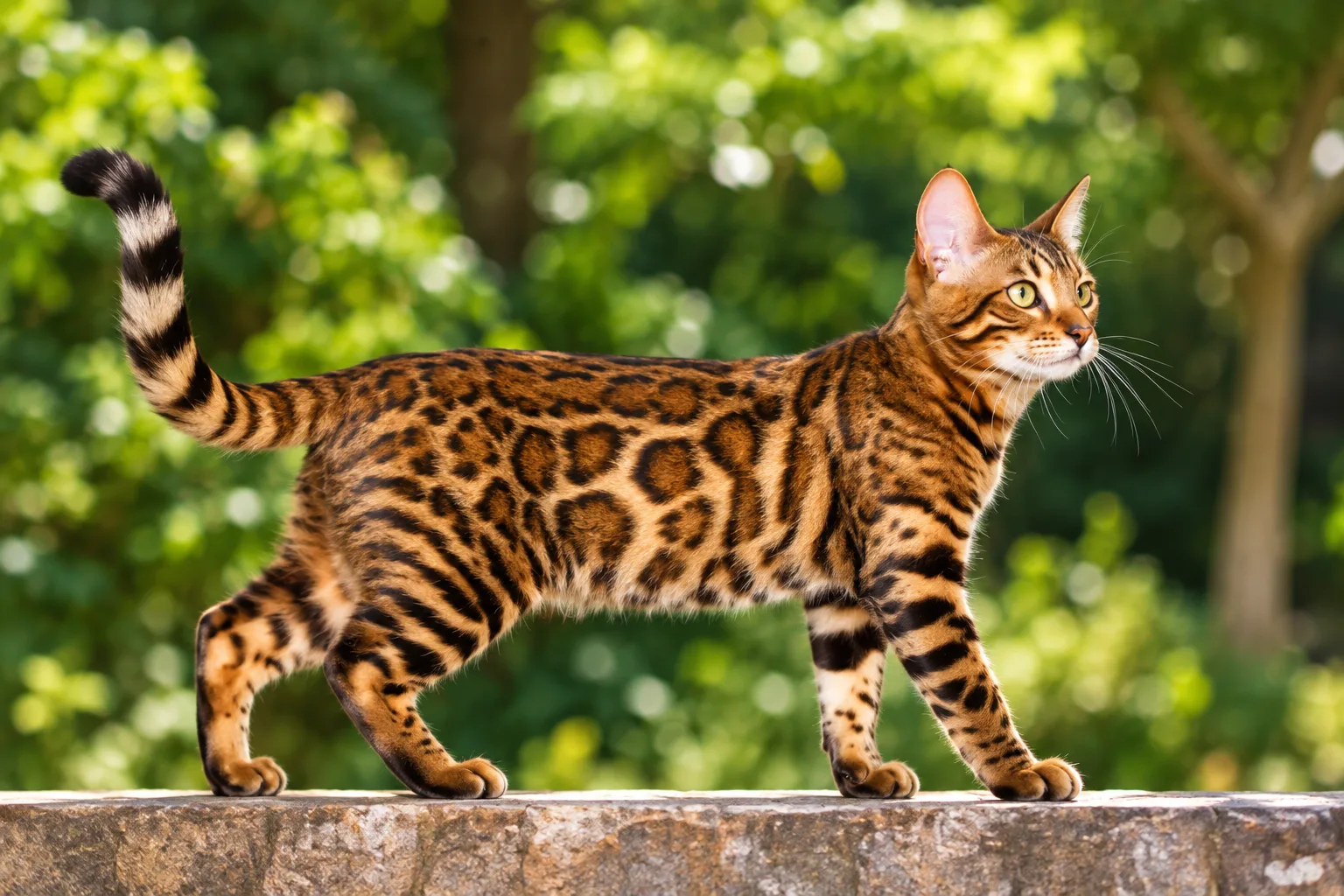
Bengals have a short, dense coat that needs minimal grooming, one of the easiest aspects of owning this otherwise demanding breed. Their coat has a naturally soft, almost pelt-like texture that many owners love.
1. A Quick Weekly Brush Suffices
A short weekly brushing session keeps their coat glossy and helps distribute natural oils, though many Bengals enjoy the attention as bonding time.
2. Trim Nails Regularly Given Their Activity
Because Bengals are constant climbers and jumpers, regular nail trims help protect furniture and reduce the risk of snags during their acrobatics.
Health
Bengals are generally a hardy breed, though they can be predisposed to certain heart conditions and progressive retinal atrophy, an eye condition affecting vision over time. Choosing a reputable breeder who screens for these issues makes a real difference.
1. Watch for Signs of Vision Changes
Bumping into furniture or hesitancy in dim light can be early signs of retinal issues, worth flagging to your vet for further assessment.