Ragdoll
 United States
Breed Traits
About
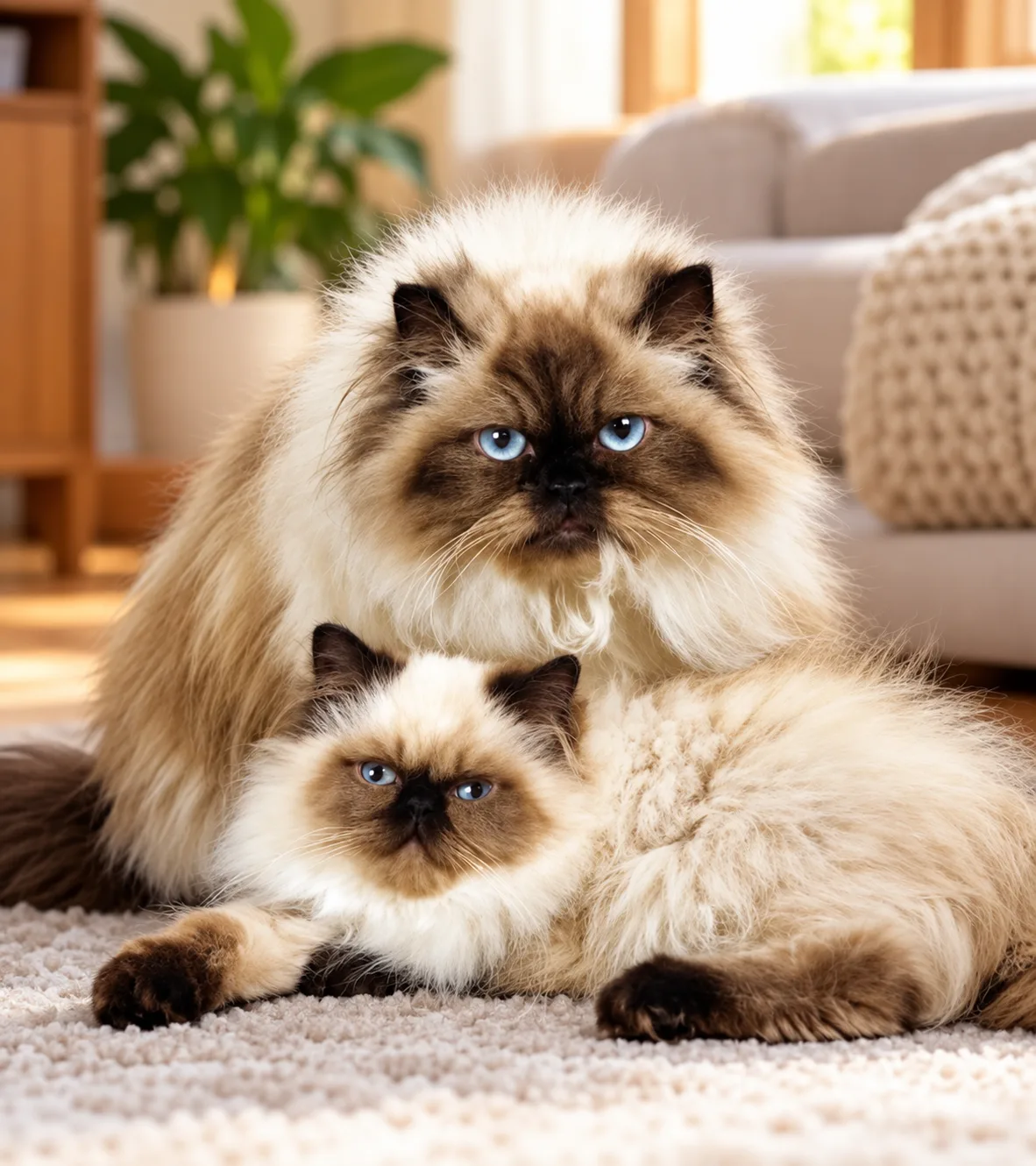
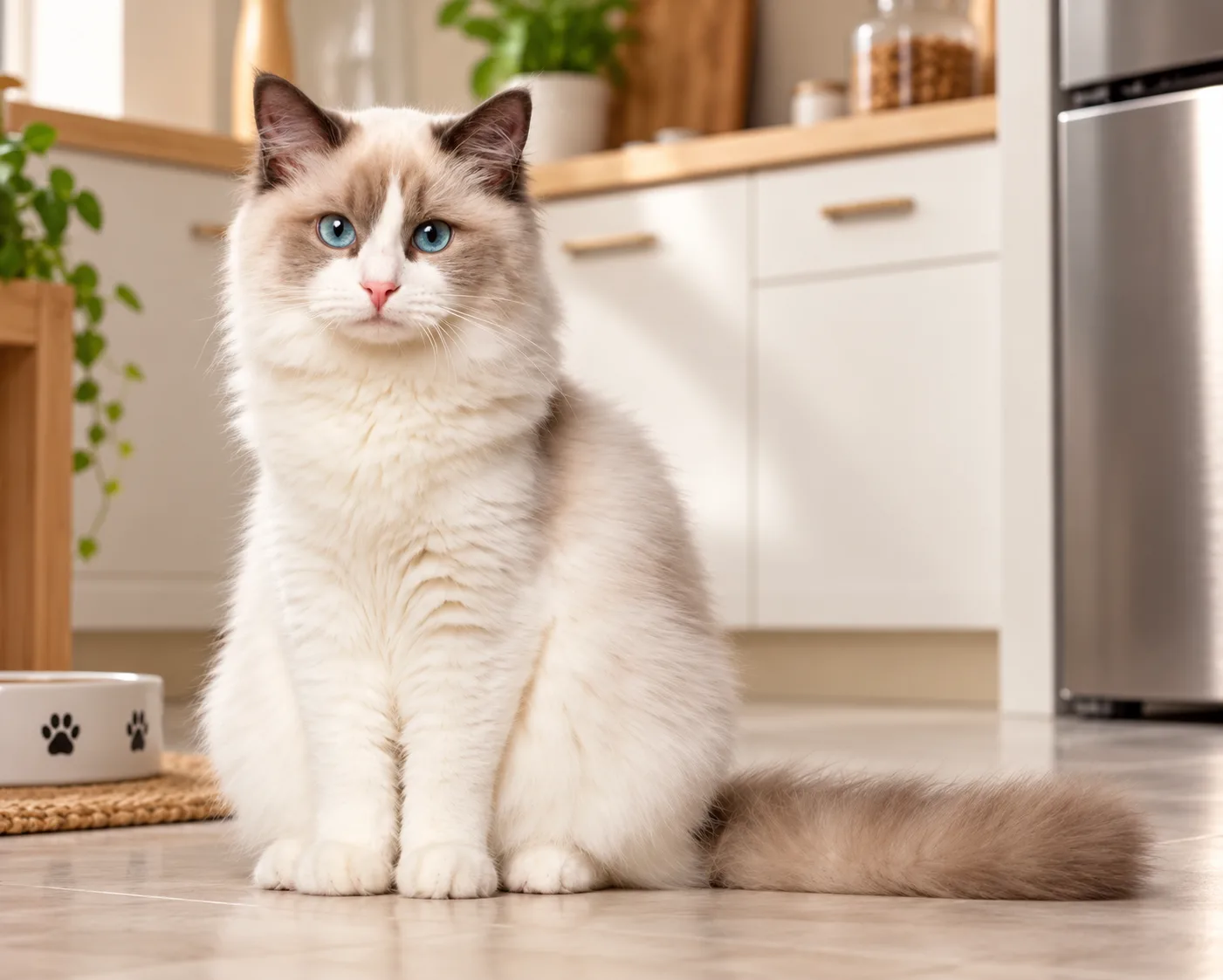
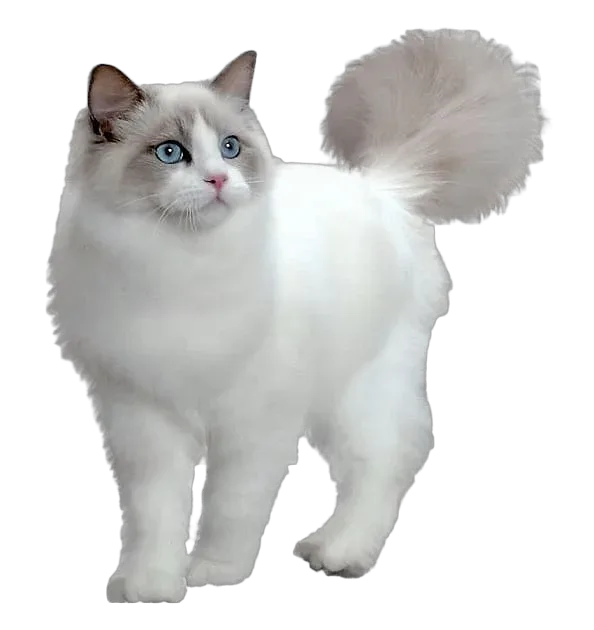
The Ragdoll is famous for going limp with contentment when picked up, a trait that gave the breed its name and hints at just how relaxed and trusting these cats are. They're gentle, affectionate, and often described as one of the most laid-back cat breeds around.
1. A Loyal Family Companion
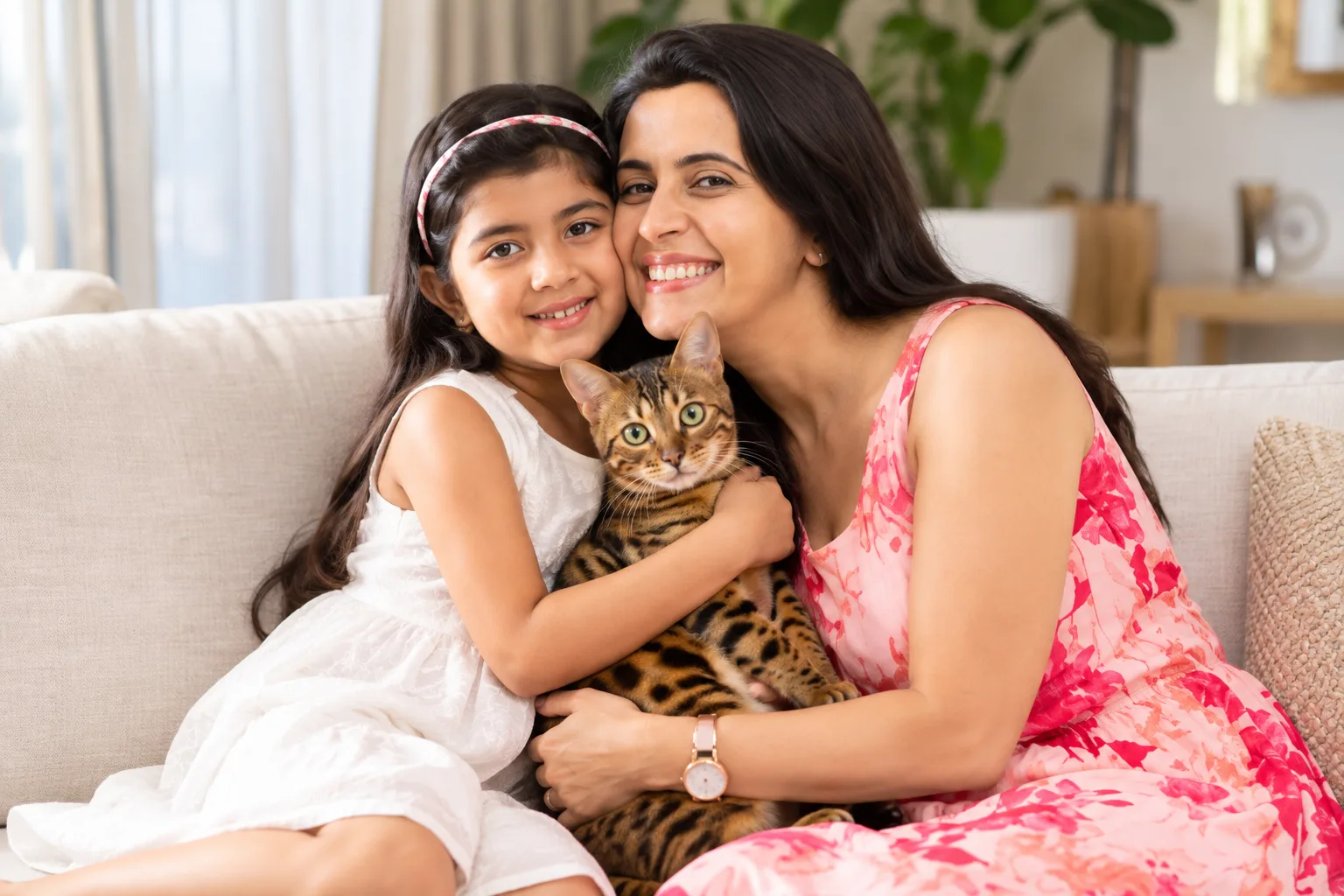
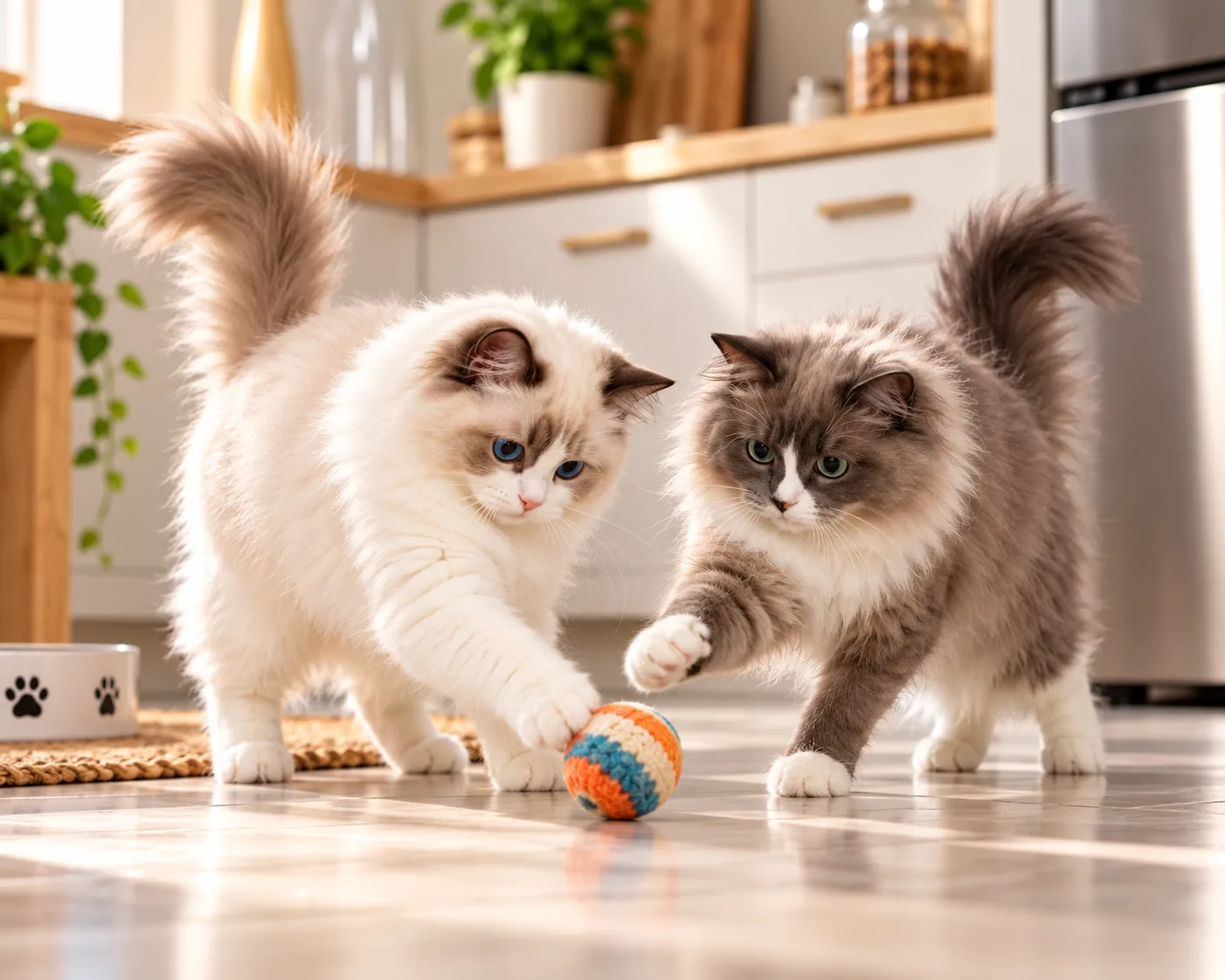
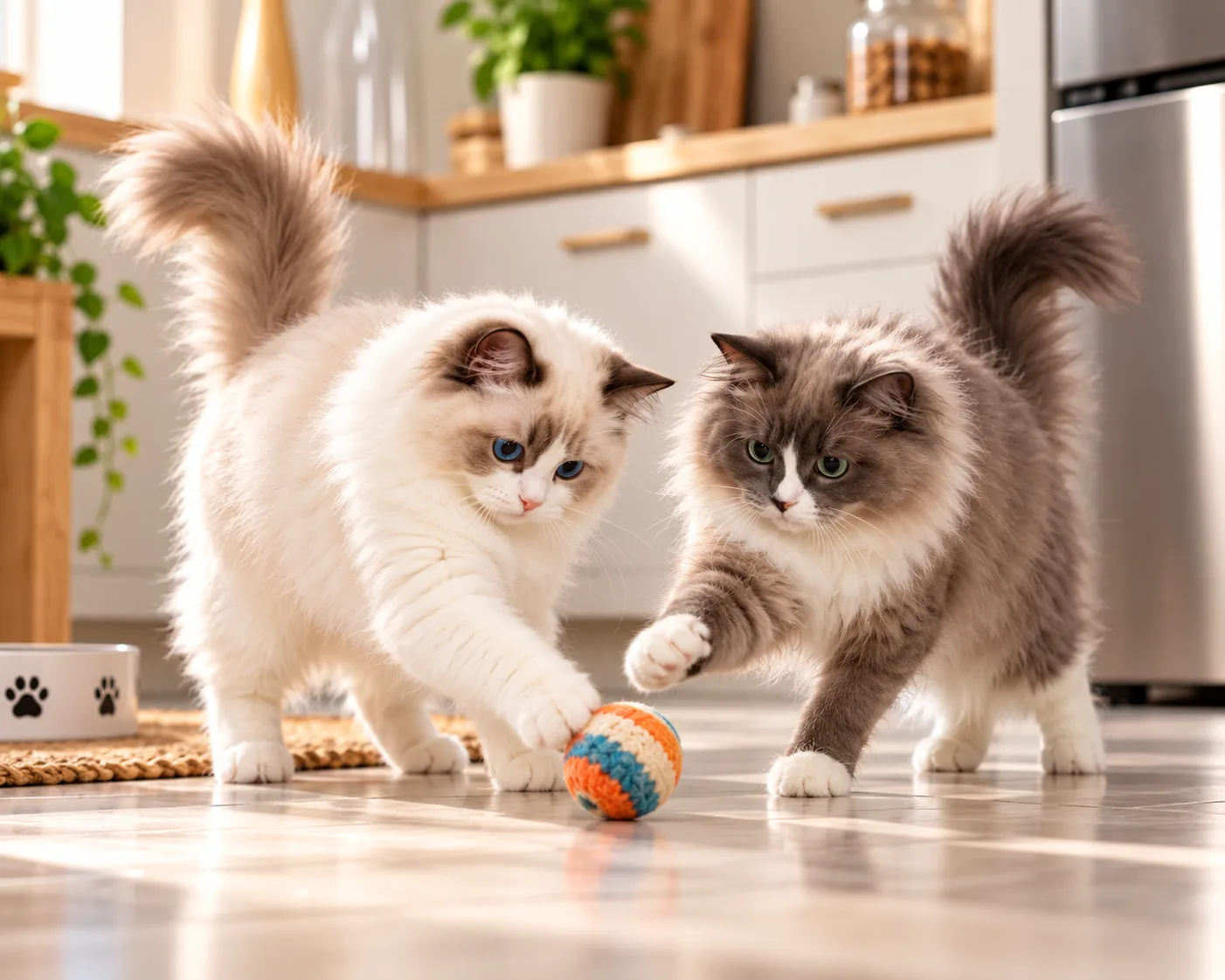
Ragdolls follow their people from room to room and genuinely enjoy being close to their families, often greeting owners at the door. They tend to get along wonderfully with children and other pets, rarely showing aggression even when handled clumsily.

2. Where the Ragdoll Comes From
The breed was developed in California in the 1960s from a white longhaired cat named Josephine, whose kittens were selectively bred for their docile temperament and striking colourpoint coats. It remains one of the more recently established cat breeds with a well-documented origin.
Where the Ragdoll Comes From
The Ragdoll originates from United States.
Diet
Ragdolls need a balanced, high-quality diet that supports their large frame without encouraging excess weight gain given their relatively low activity levels. Since they're prone to certain urinary issues, water intake matters just as much as food quality.
Key guidance:
- Choose a diet formulated for large or less active breeds
- Encourage water intake with wet food or a water fountain to support bladder health
- Avoid overfeeding, as their gentle nature means they won't always demand exercise
- Feed measured portions on a consistent schedule rather than free-feeding
Gentle and Trusting
Ragdolls are about as mellow as cats come, happy to be carried, cuddled, and fussed over without complaint. Their calm, trusting nature makes them wonderfully easy to live with.
Training
Ragdolls are cooperative and take well to litter and scratching post training, often picking up routines with minimal fuss. Their intelligence and desire to please also make them receptive to simple tricks and leash training with patient practice.
1. Start Early Socialisation
Early exposure to handling, new people, and household routines helps Ragdoll kittens grow into the calm, trusting adults the breed is known for. Because they lack much natural wariness, it's worth teaching them to stay indoors safely from a young age.
Grooming
Ragdolls have a silky semi-long coat that's less prone to matting than a true longhair, making grooming fairly manageable. Regular brushing still keeps their coat looking its best and reduces loose hair around the home.
1. Brush a Couple of Times a Week
A gentle brush two or three times a week is usually enough, with a bit more attention around the neck ruff and hindquarters where fur is thicker.
2. Check Ears for Wax Buildup
A quick weekly check and gentle clean helps prevent wax buildup or infection, especially since Ragdolls rarely object to the process.
3. Watch for Signs of Urinary Discomfort
Straining in the litter box or frequent trips without much output can signal urinary issues and warrant a prompt vet visit.
Health
Ragdolls are prone to hypertrophic cardiomyopathy (HCM) and can also develop bladder or urinary stones, so routine vet checkups matter. Because they're generally so docile, owners should watch closely for subtle signs of discomfort that a more vocal cat might announce.