Himalayan
 United States / United Kingdom
Breed Traits
About
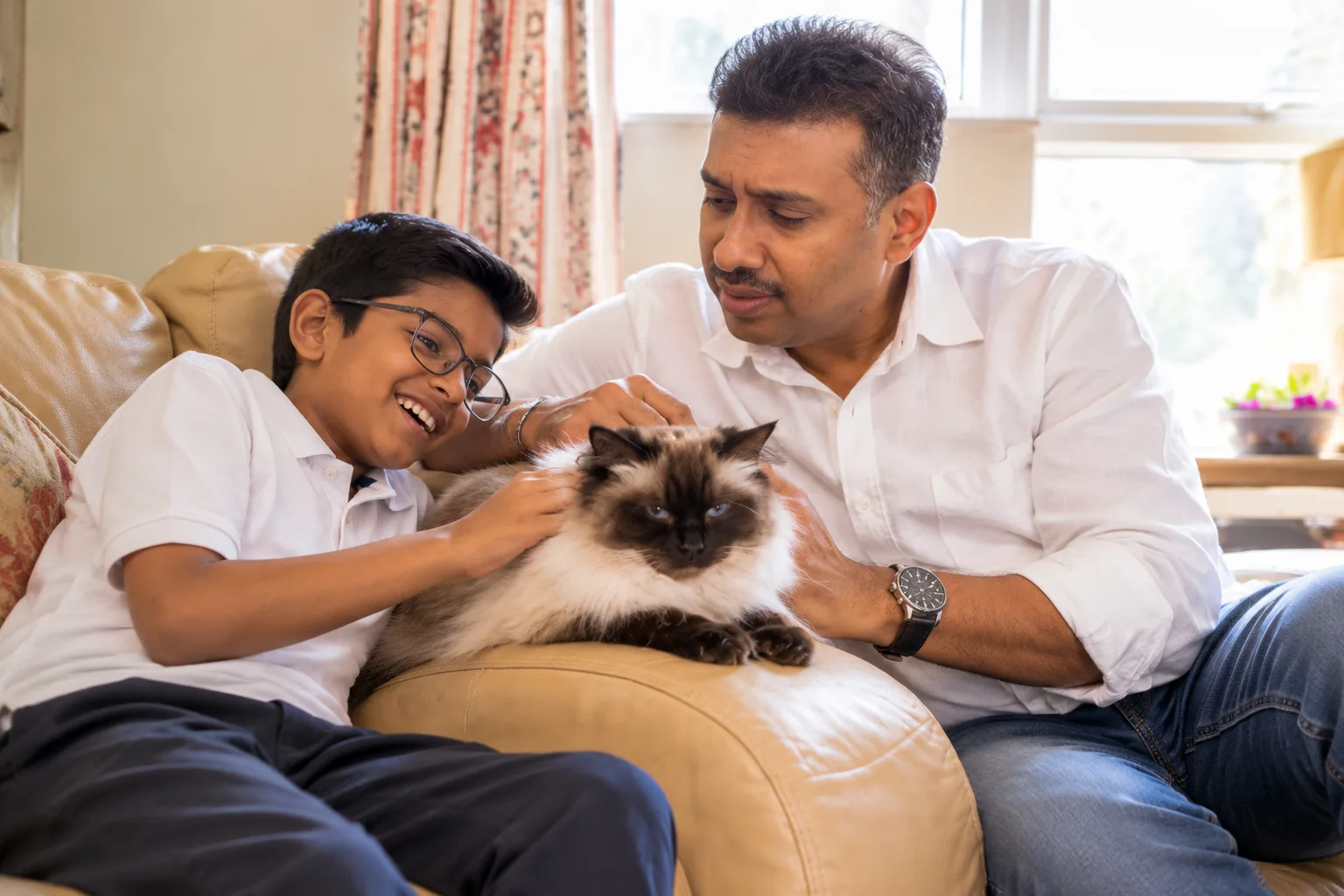
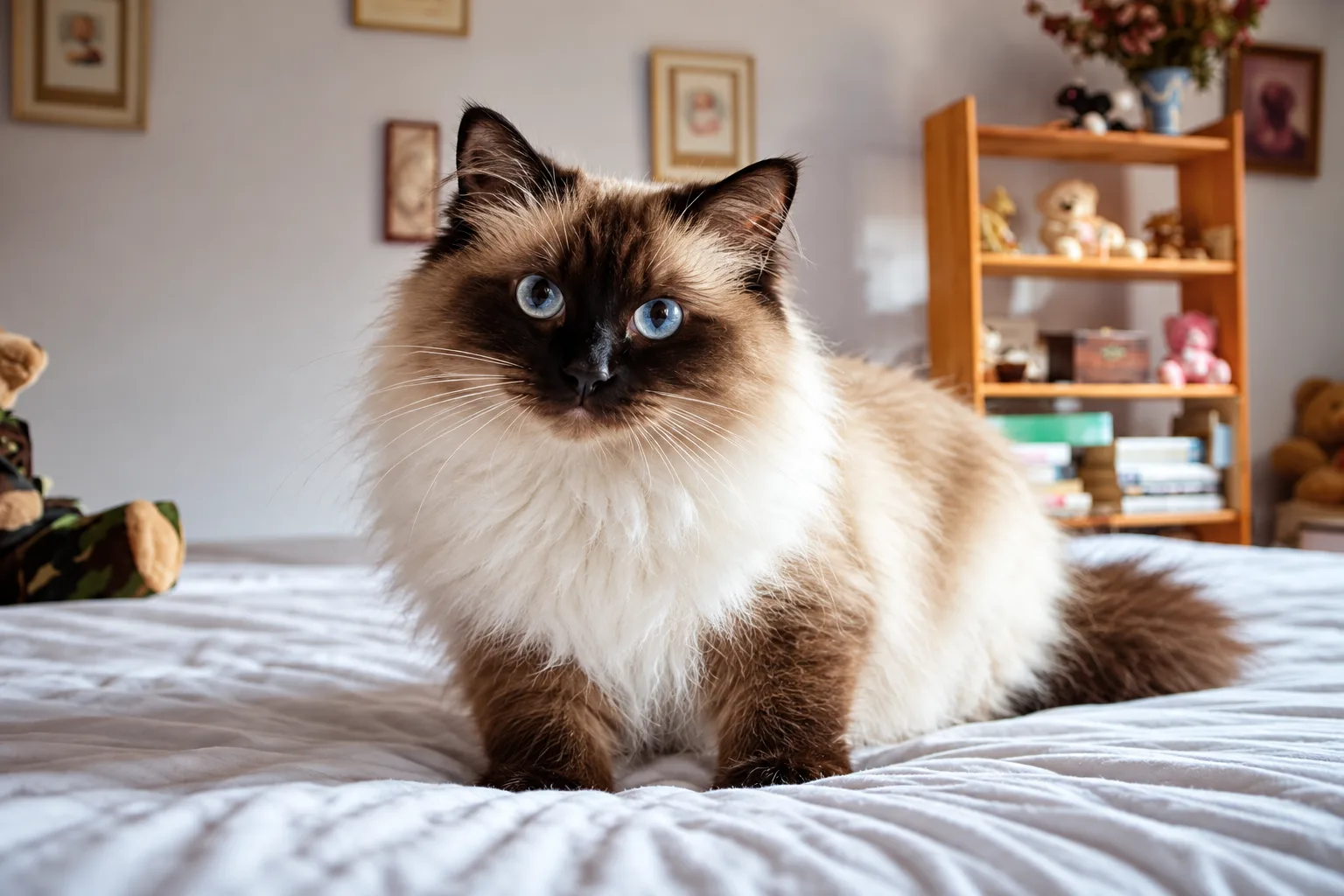
The Himalayan is essentially a Persian in a striking colourpoint coat, combining the Persian's calm, gentle nature with the vivid blue eyes and pointed pattern inherited from its Siamese ancestry. They're quiet, affectionate cats content to spend most of the day relaxing near their favourite people.
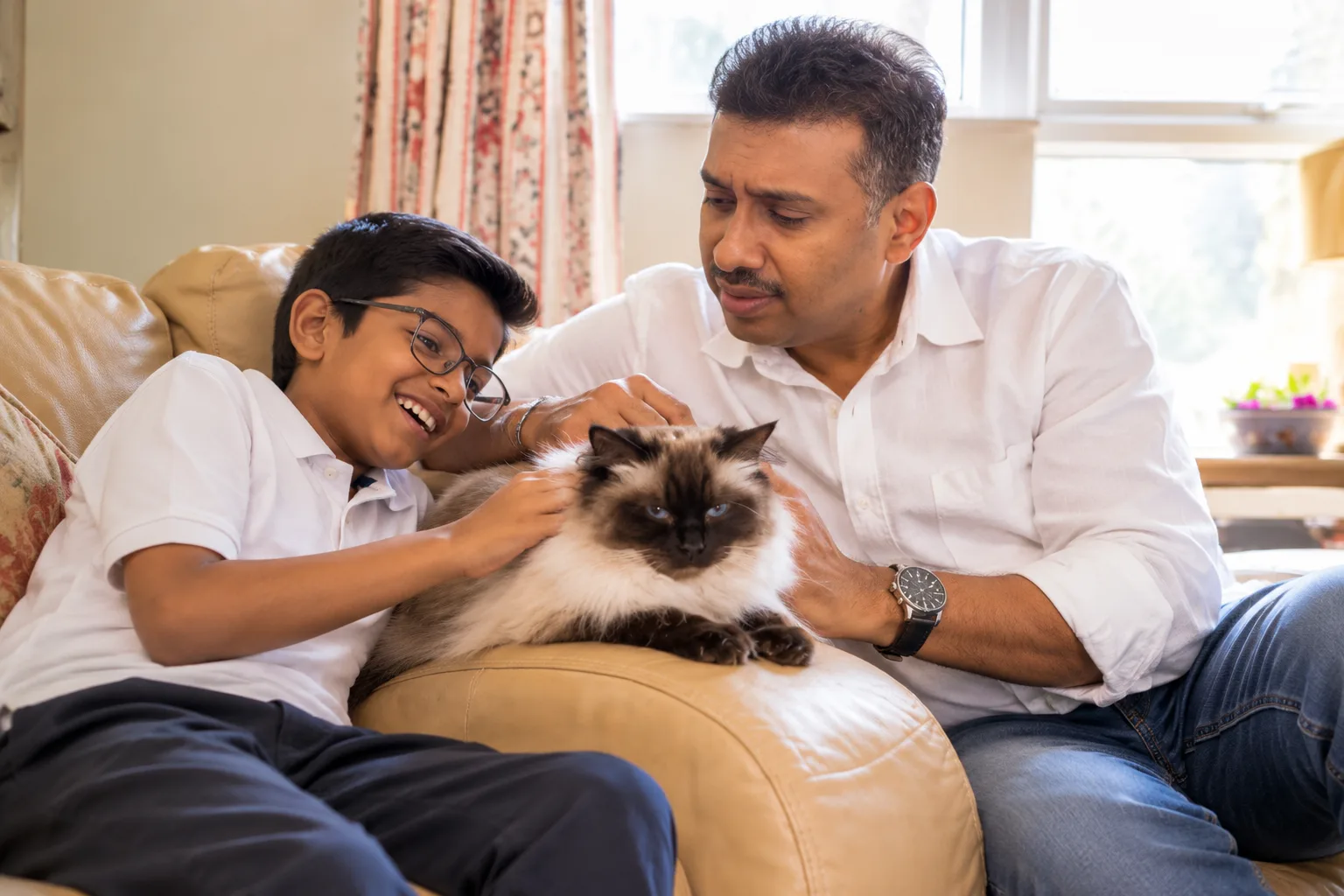
1. A Loyal Family Companion
Himalayans form deep, steady bonds with their families and enjoy quiet companionship over rowdy play. They tend to follow their owners gently from room to room, happiest when they're within sight of the people they love.
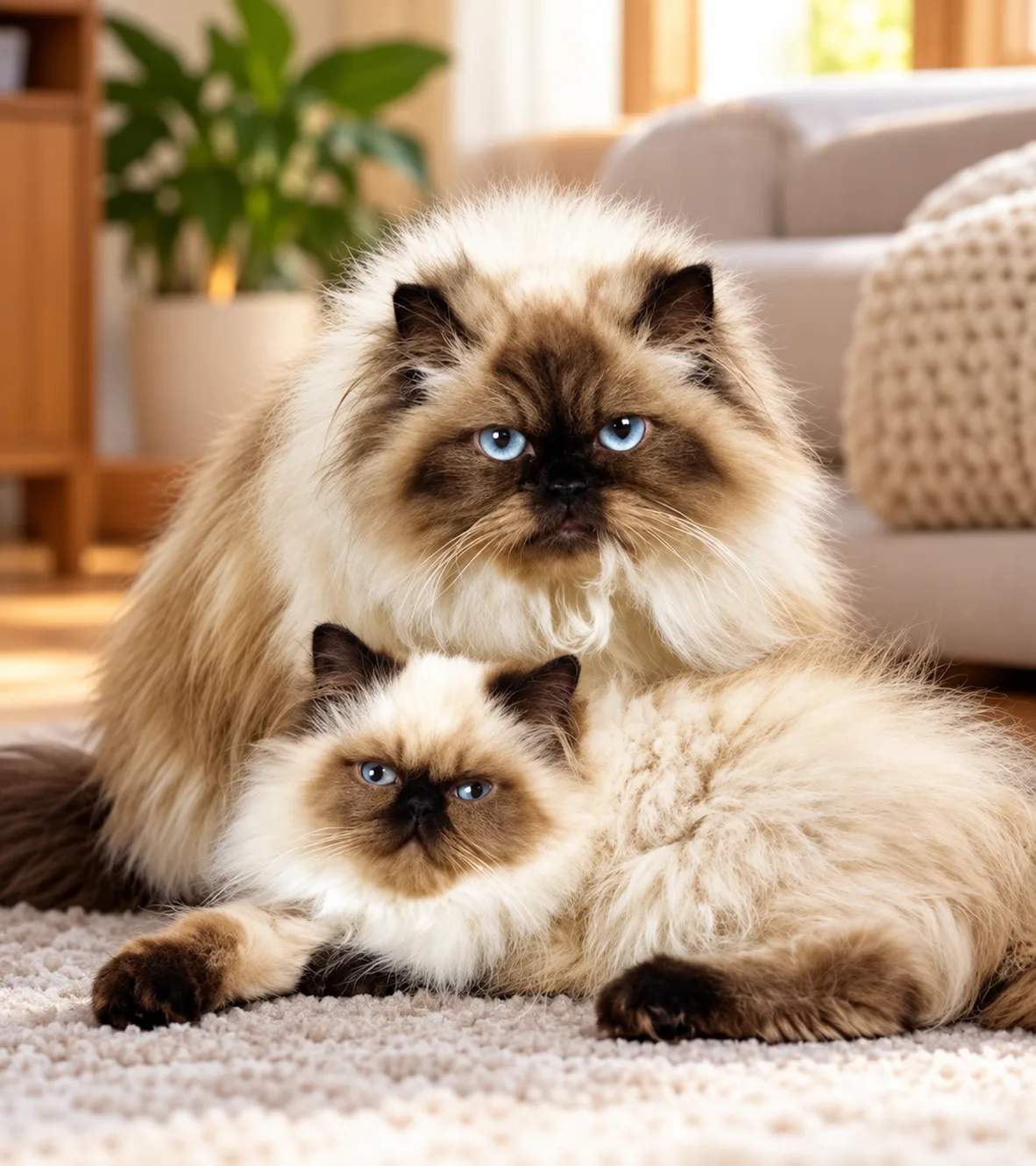
2. Where the Himalayan Comes From
The breed was developed in the 1950s in the United States and United Kingdom by crossing Persians with Siamese cats to combine the Persian's coat and body type with the Siamese's colourpoint pattern and blue eyes. Careful breeding over subsequent generations refined the look while preserving the Persian's calm temperament.
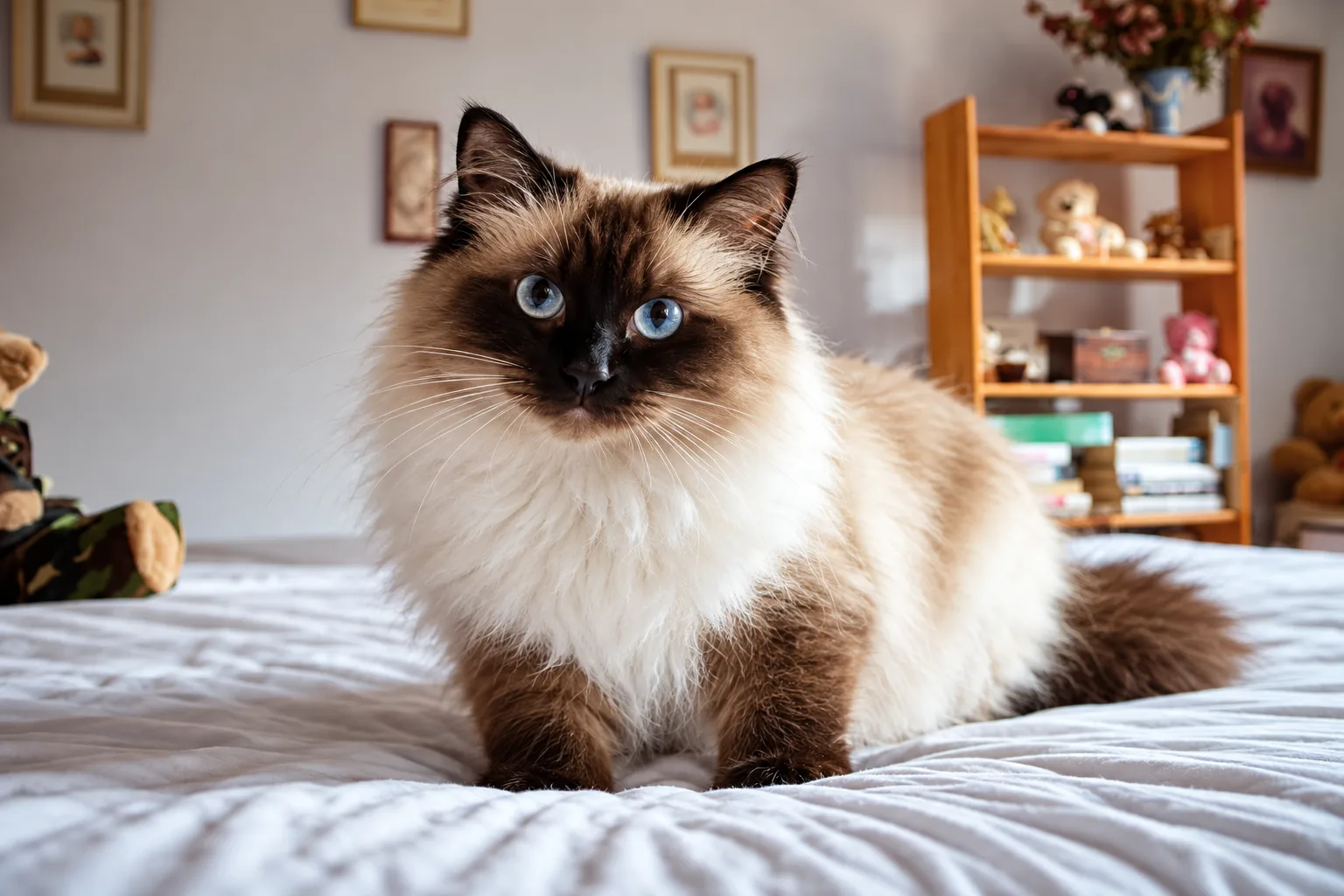
Where the Himalayan Comes From
The Himalayan originates from United States / United Kingdom.
Diet
Himalayans have low activity levels similar to Persians, so portion control matters to prevent weight gain, while coat-supporting nutrients help manage their heavy grooming needs. A high-quality diet with good fatty acid content keeps their coat glossy and healthy.
Key guidance:
- Choose food formulated for longhaired or less active breeds
- Monitor portions carefully to avoid weight gain
- Include omega-rich nutrients to support coat and skin health
- Use a wide, shallow bowl to make eating easier for their flat face
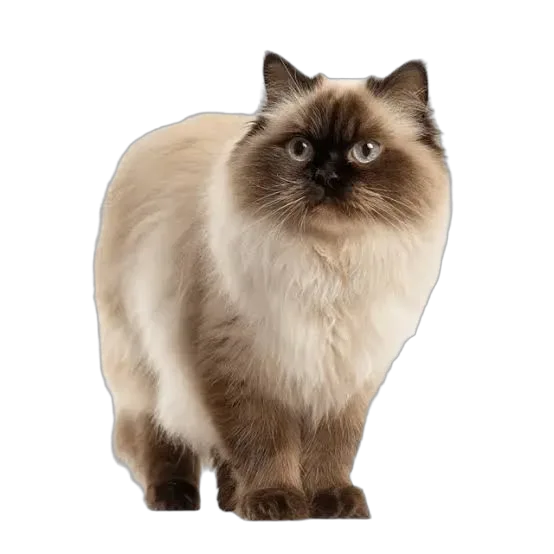
Sweet and Serene
Himalayans carry the Persian's quiet dignity with a touch more expressiveness inherited from their Siamese side. They're affectionate without being demanding, content to simply be near their people.
Training
Himalayans are cooperative and settle into litter and scratching post routines easily, though like Persians they're not particularly driven to learn tricks. A calm, consistent approach works best given their gentle, easygoing nature.
1. Start Early Socialisation
Introducing Himalayan kittens to gentle handling, grooming, and different household members early builds lifelong trust and comfort. They're naturally affectionate, so positive early experiences tend to shape a confident, sociable adult.
Grooming
The Himalayan's long, dense coat demands serious daily commitment to stay mat-free and healthy. This is one of the highest-maintenance breeds in terms of grooming.
1. Daily Brushing Is Essential
A full daily brush prevents mats from forming, particularly around the legs, tail, and underarms, and occasional bathing helps keep the coat and skin in good condition.
2. Clean Tear Stains Daily
Their flat face often leads to excess tearing, so a gentle daily wipe around the eyes helps prevent staining and irritation.
Health
Himalayans share many of the Persian's health predispositions, including polycystic kidney disease (PKD) and breathing difficulties tied to their flat face. Regular vet screening helps catch these conditions early.
1. Watch for Signs of Kidney Issues
Increased thirst or changes in appetite can signal early kidney concerns, so routine screening with your vet is worthwhile, especially as they age.