Persian
 Iran (Persia)
Breed Traits
About
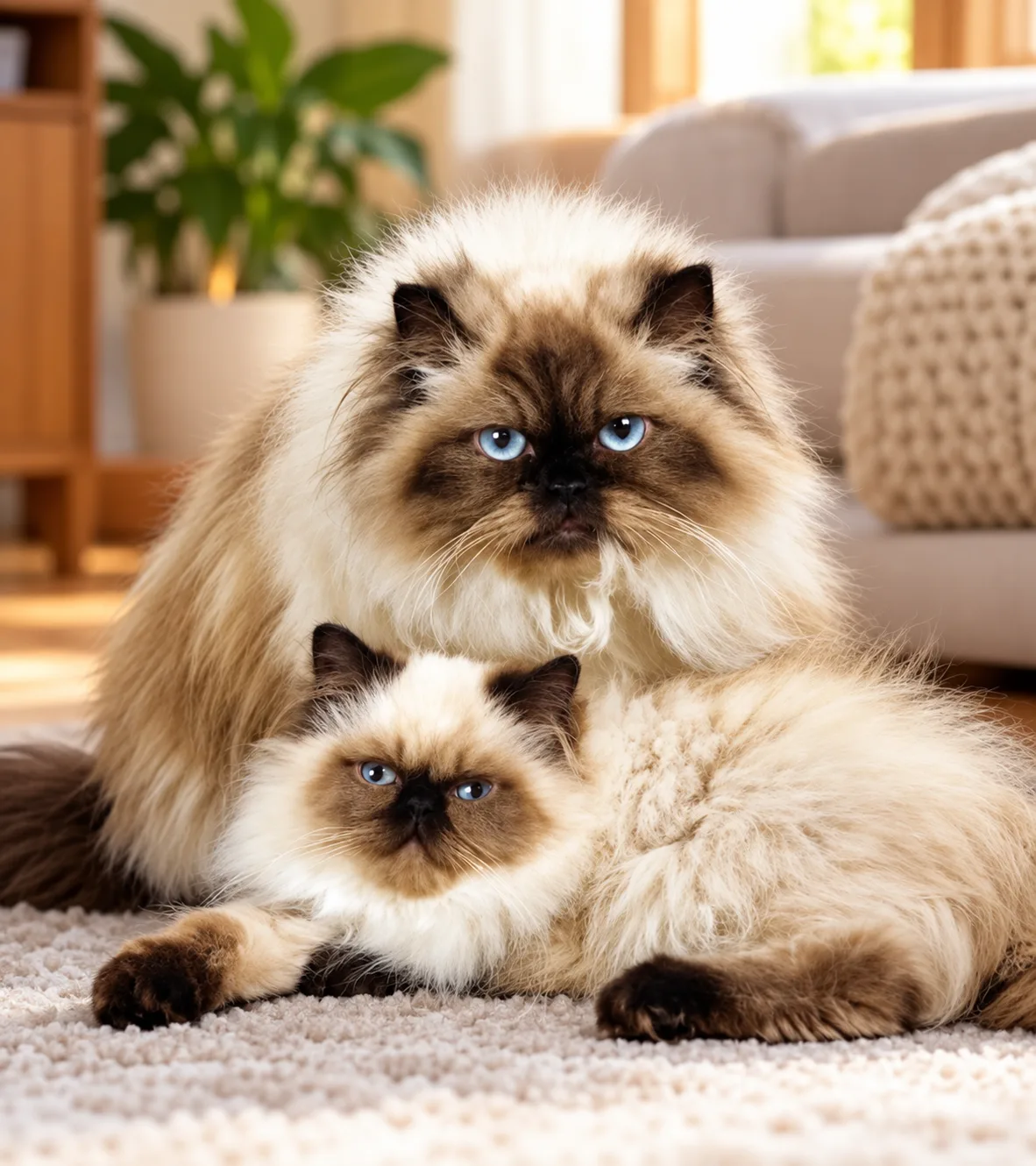
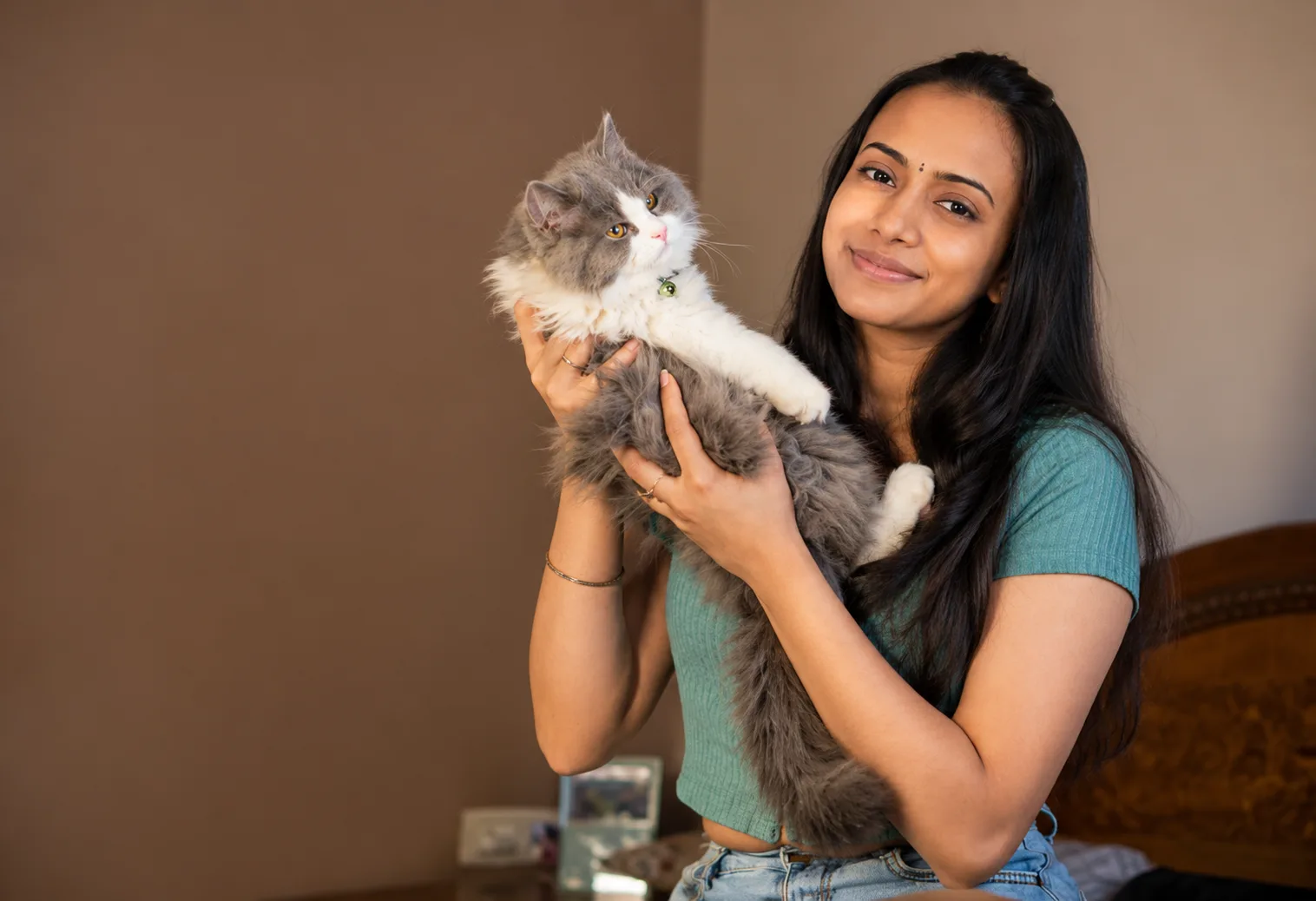
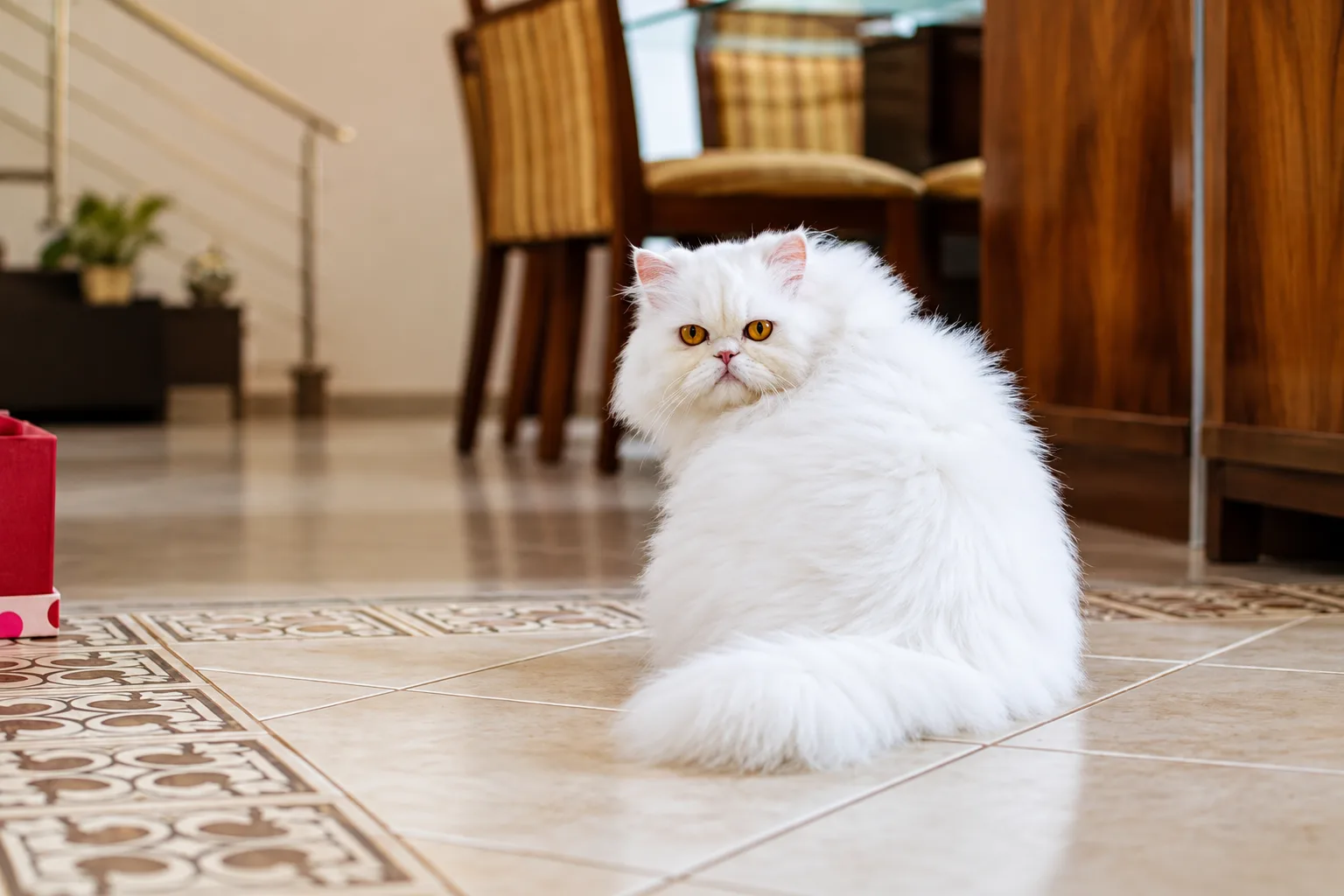
The Persian is a serene, sweet-faced cat known for its luxurious long coat and famously calm nature. They're happiest curled up on a soft cushion near their favourite person, content to watch the world go by rather than chase after it.
1. A Loyal Family Companion
Persians bond closely with their families and love being near people, though they show it quietly rather than demanding constant attention. They tend to pick a favourite napping spot close to the household's daily rhythm and are happy to simply be in the room with you.
2. Where the Persian Comes From:
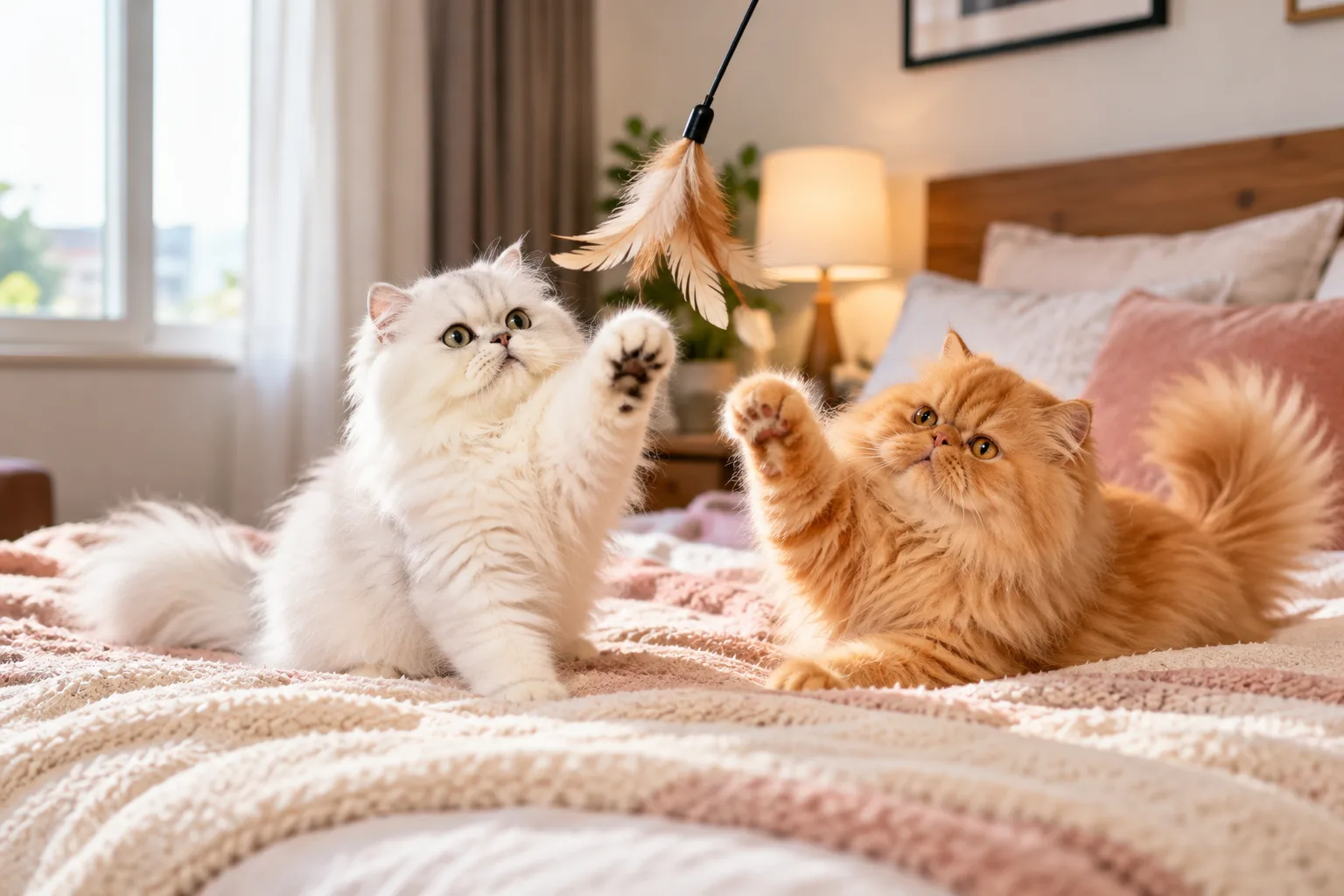
The breed traces its roots to Persia, modern-day Iran, where longhaired cats were first noted centuries ago before being brought to Europe in the 1600s. Selective breeding over the following centuries developed the flat-faced, heavily coated look Persians are known for today.
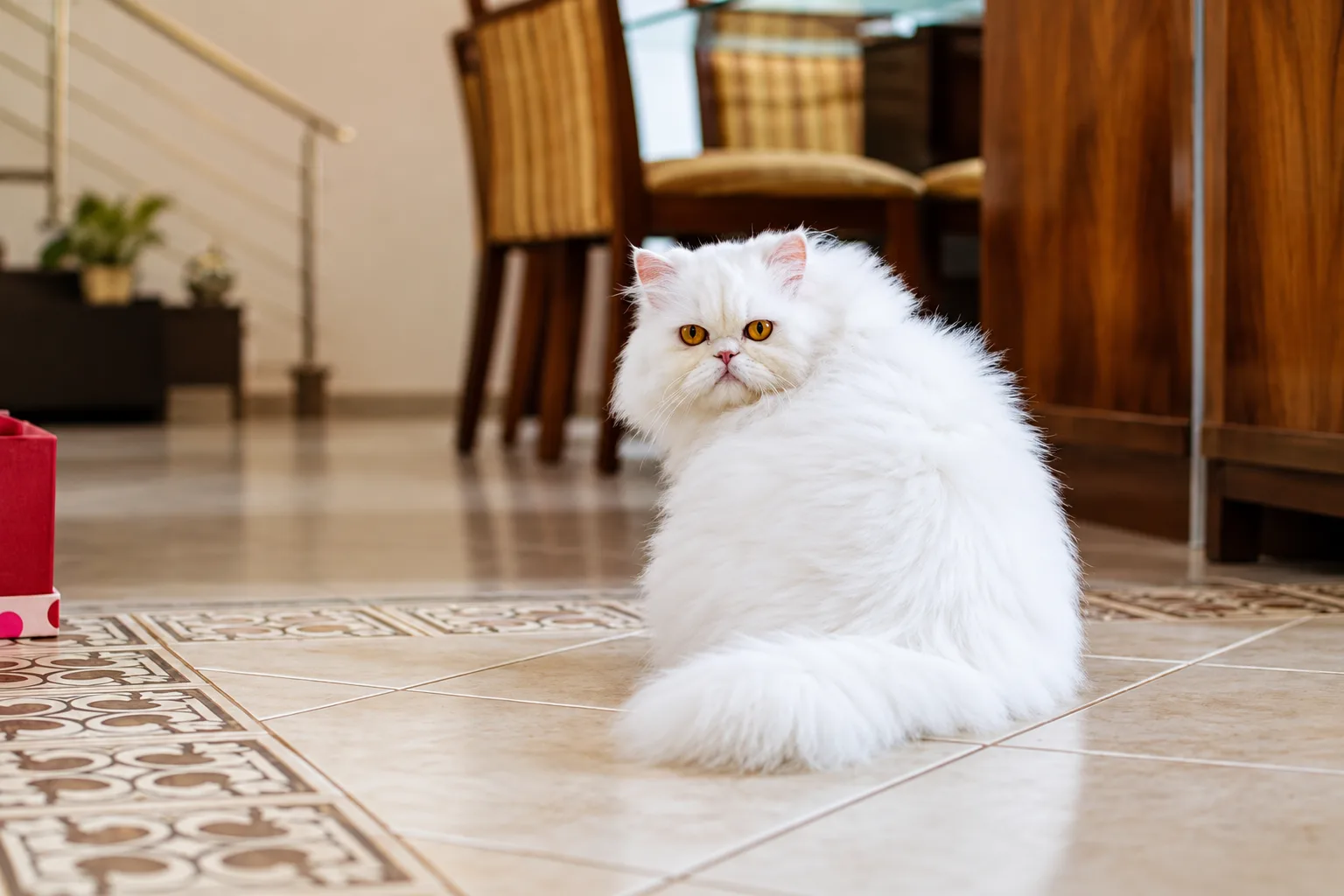
Where the Persian Comes From
The Persian originates from Iran (Persia).
Diet
Persians don't need large portions given their low activity levels, but the quality of their food matters a lot for coat health. A diet rich in omega fatty acids helps keep that famous coat soft and reduces shedding and matting.
Key guidance:
- Choose a high-quality diet formulated for longhaired or less active breeds
- Watch portion sizes closely, as Persians gain weight easily given their low energy
- Provide fresh water daily, and consider a wide, shallow bowl since their flat face can make drinking awkward
- Avoid sudden diet changes, which can upset their sensitive digestion
Calm and Composed
The Persian carries itself with quiet dignity, rarely raising its voice and preferring gentle affection over boisterous play. They're the kind of cat that makes a home feel peaceful just by being in it.
Training
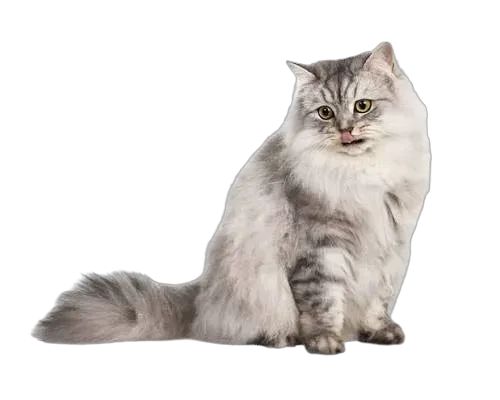
Persians take to litter training easily and are generally cooperative once a routine is established, though their laid-back nature means they're not big on learning tricks. Scratching post training works best when introduced early and placed somewhere they already like to relax.
1. Start Early Socialisation
Getting a Persian kitten used to gentle handling, grooming sessions, and different family members early on pays off for life. They're naturally trusting, so calm, positive introductions to new people and routines usually stick well.
Grooming
Grooming is the single biggest commitment with a Persian. Their dense, long coat mats easily and needs daily attention to stay healthy and comfortable.
Daily Brushing Is Non-Negotiable: A thorough brush every day prevents painful mats, especially around the legs, belly, and behind the ears. Occasional baths help keep the coat manageable and the skin healthy underneath all that fur.
1. Wipe Tear Stains Daily
Persians' flat faces often lead to tear duct issues that cause staining around the eyes. A gentle daily wipe with a damp cloth keeps the area clean and helps prevent irritation or infection.
Health
Persians are prone to a handful of breed-specific conditions, most notably polycystic kidney disease (PKD) and breathing difficulties tied to their flat facial structure. Regular vet checkups help catch these issues early.
1. Watch for Signs of Breathing Difficulty
Because of their brachycephalic face, Persians can struggle in heat or after exertion. Keep them cool, avoid overexertion, and consult a vet if you notice noisy breathing or fatigue.