Beagle
 England
Breed Traits
About
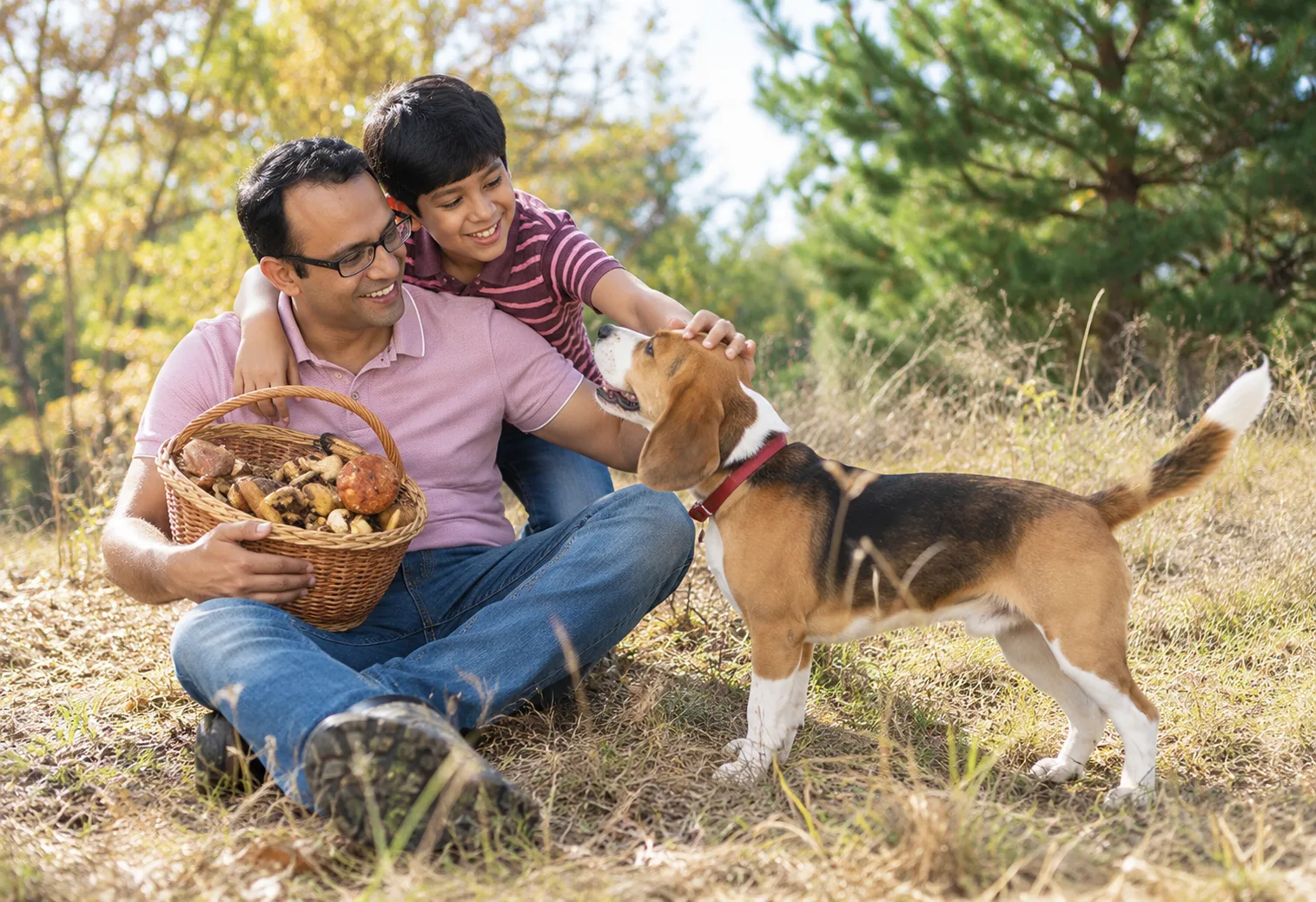
The Beagle is a small, sturdy scent hound with a big personality, originally bred in England to track hare and rabbit in packs. Cheerful, curious, and endlessly food motivated, Beagles have become one of the most popular small breeds for families around the world.
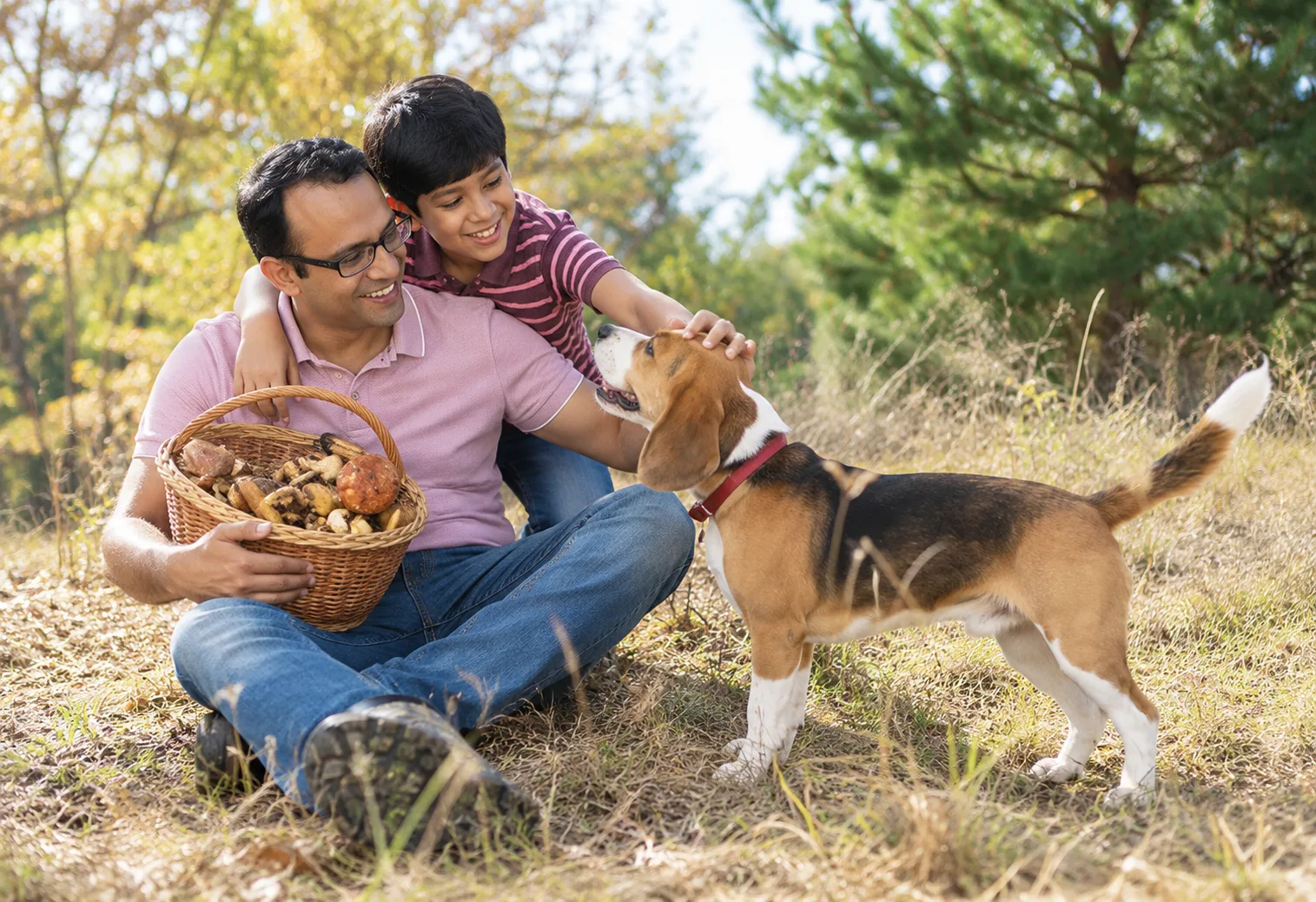
1. A Loyal Family Companion
Beagles are pack dogs at heart, which means they genuinely enjoy company, whether that's people, other dogs, or both. They're rarely aggressive and tend to greet everyone, familiar or not, with the same friendly enthusiasm, though that sociability also means they don't make great guard dogs.
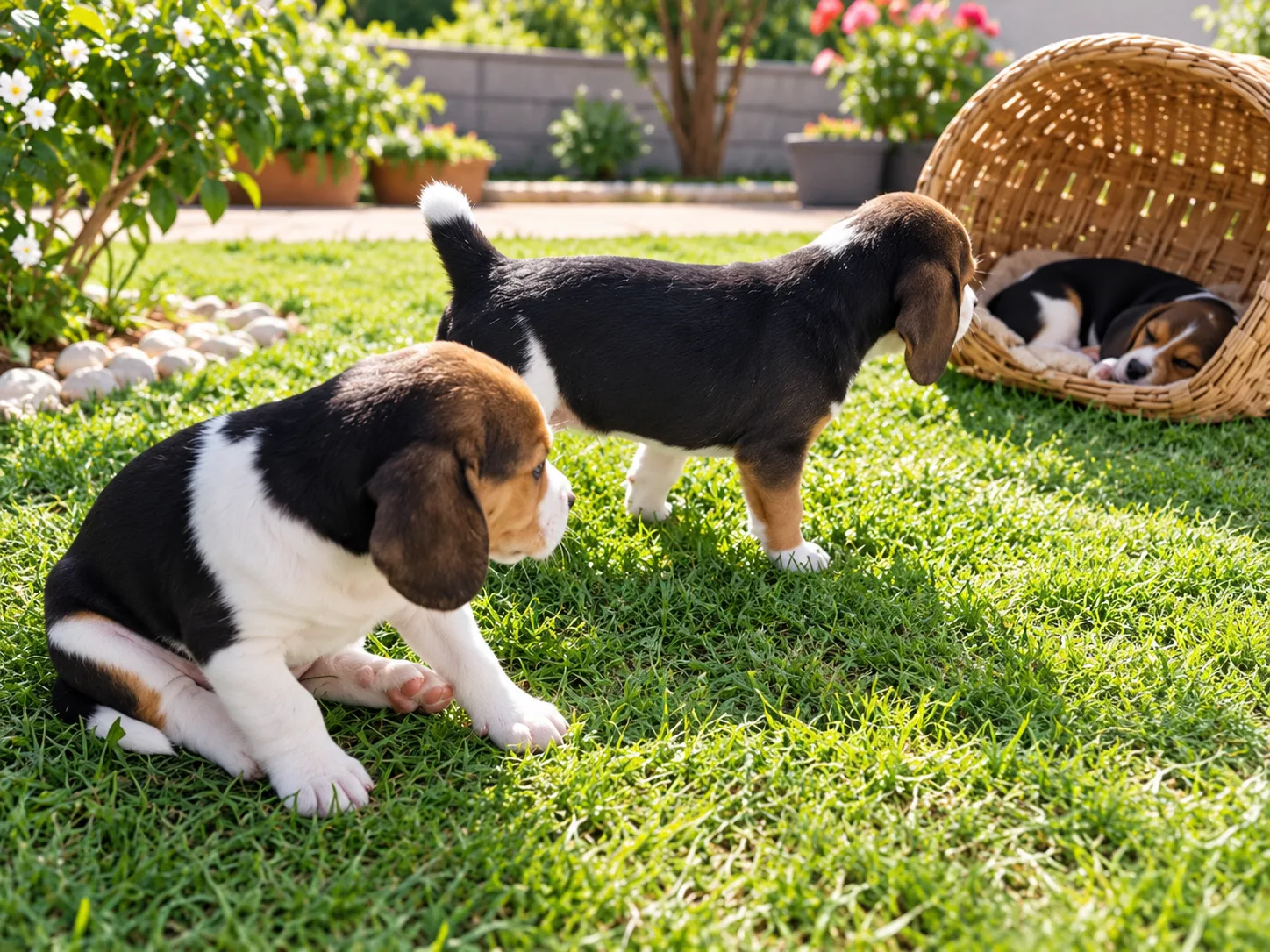
2. Where the Beagle Comes From
The breed's exact origins are debated, but Beagles as we know them today were developed in England in the 1830s, bred to hunt in packs using their exceptional sense of smell to track small game across open country. That scent-driven instinct is still front and centre in the breed, and it shapes a lot of their everyday behaviour.
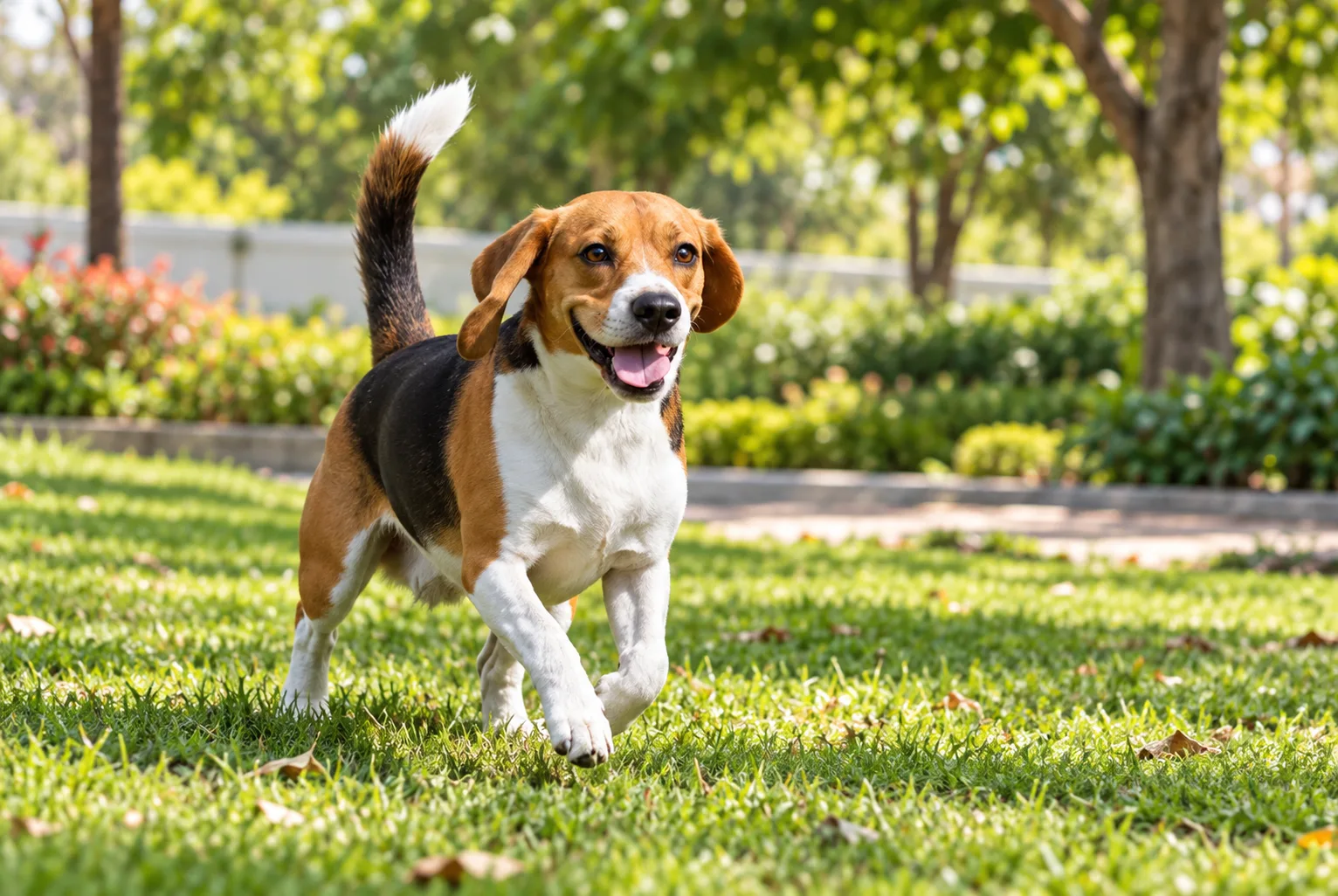
Where the Beagle Comes From
The Beagle originates from England.
Diet
Beagles have a famously strong appetite and a nose that will lead them straight to any food left within reach. Because they're a smaller breed prone to weight gain, portion control matters a great deal for keeping their joints and heart healthy long term.
Key guidance:
- Choose a balanced, small-breed formula suited to their activity level
- Feed measured meals split across two servings a day
- Keep counters and bins secured, Beagles are notorious food thieves
- Limit treats and factor them into daily calorie intake
Curious and Merry
The Beagle carries itself with a cheerful, nose-first curiosity, always ready to follow an interesting scent and rarely happier than when exploring. That same curiosity means they need secure boundaries, since a good smell can override even the best recall training.

Training
Beagles are intelligent but independent, bred to work by following their nose rather than constant direction from a handler, which can make them a bit more stubborn to train than some breeds. Positive reinforcement with high-value treats works far better than repetition alone.
1. Start Early Socialisation
Introduce puppies to different people, pets, sounds, and environments from around 8 to 16 weeks old. Recall training deserves extra attention with this breed, since their scent drive can easily distract them mid-command.
Grooming
Beagles have a short, dense, weatherproof coat that's genuinely low maintenance. There's no clipping or trimming involved, just occasional brushing to manage shedding.
1. Brush and Bathe Regularly
A weekly brush is usually enough to keep loose hair under control. Bathe only when needed, as Beagles don't have a strong doggy odour compared to many other breeds.
2. Keep Ears and Nails Maintained
Their long, floppy ears trap moisture and debris, so check and clean them regularly to prevent infections. Trim nails as needed.
Health
Beagles are generally healthy, hardy dogs, but the breed is prone to certain conditions, including hip dysplasia, ear infections, and obesity given their strong appetite. Regular vet checkups and consistent weight management go a long way toward a long, active life.
1. Keep an Eye on Their Ears
Because of their long, floppy ears and love of sniffing through undergrowth, Beagles are more prone to ear infections than many breeds. Check ears weekly for odour, redness, or discharge, and clean them as part of your regular grooming routine.