Pomeranian
 Germany
Breed Traits
About
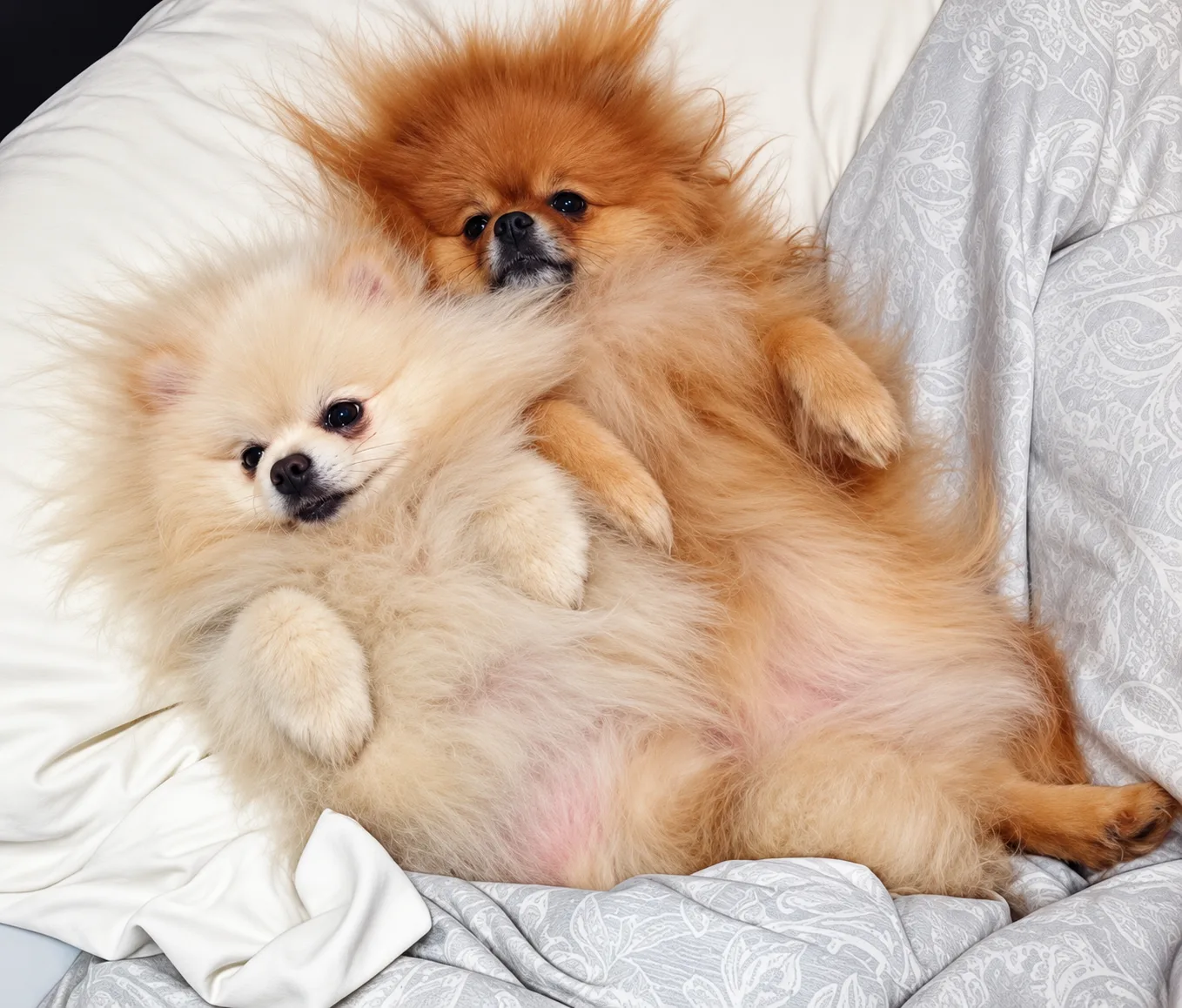
The Pomeranian is a tiny dog with an outsized personality, descended from larger Arctic sled dogs and bred down in size in the Pomerania region of Germany. Bold, alert, and endlessly affectionate with their people, Poms pack a lot of confidence into a very small frame.
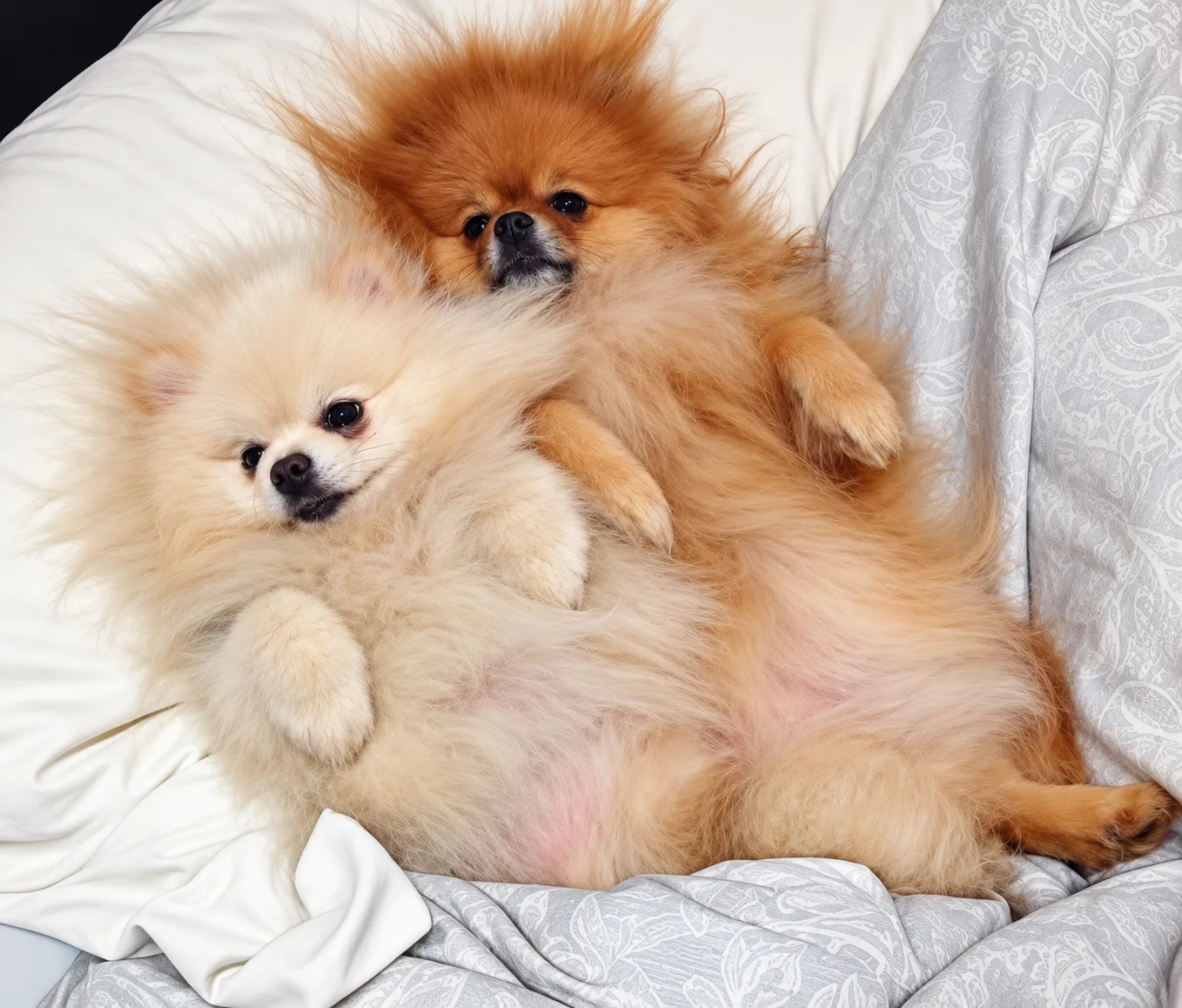
1. A Loyal Family Companion
Pomeranians attach closely to their family and often develop a favourite person, though they're generally affectionate with everyone in the household. They're quick to alert their owners to anything unusual, which makes them surprisingly good little watchdogs despite their size.

2. Where the Pomeranian Comes From
The breed descends from larger Spitz-type sled dogs from the Arctic, gradually bred smaller in the Pomerania region during the 1800s. Their popularity grew significantly after Queen Victoria became a devoted owner and helped popularise the smaller size we recognise today.
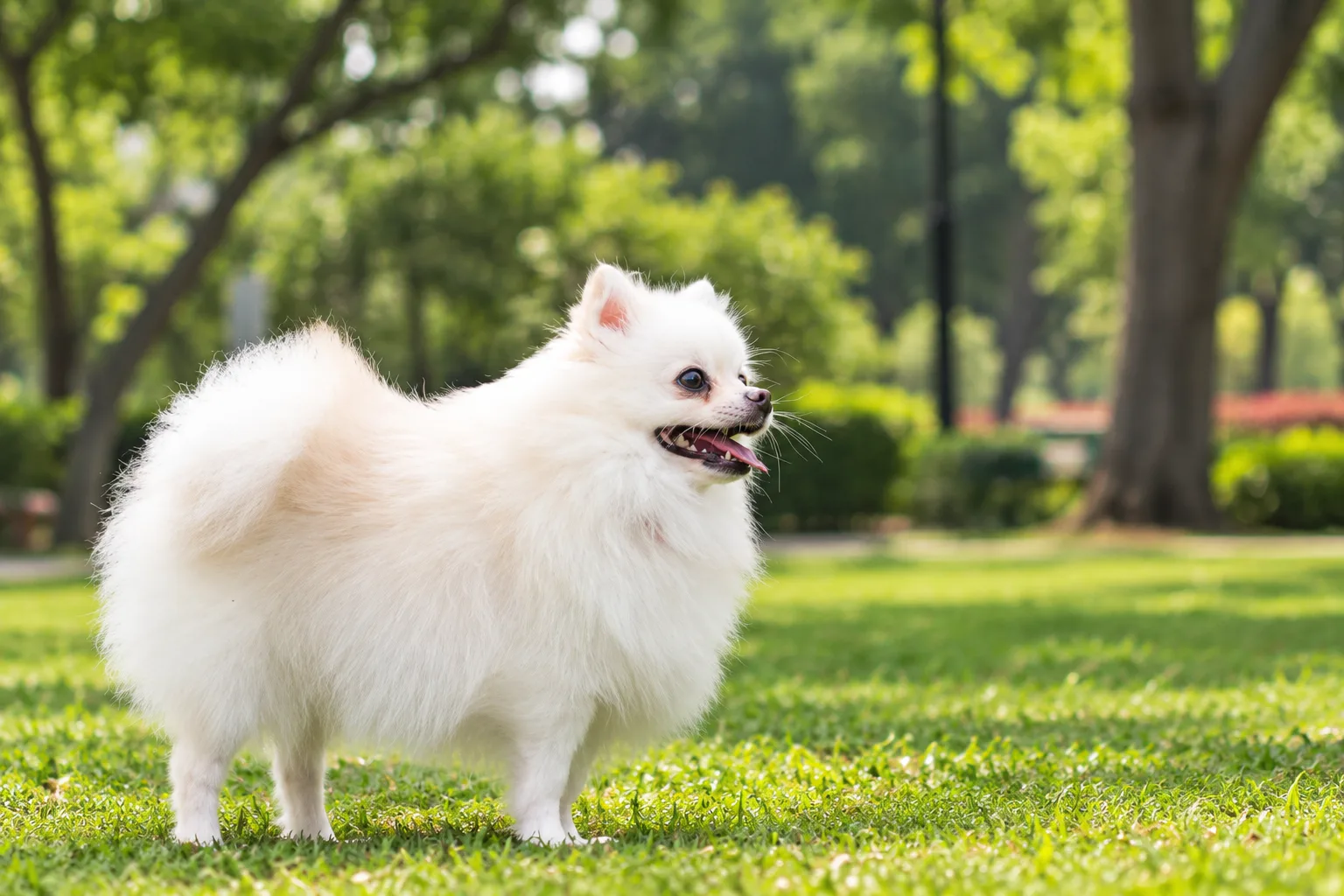
Where the Pomeranian Comes From
The Pomeranian originates from Germany.
Diet
Pomeranians are small dogs with fast metabolisms, but their tiny size means even small amounts of extra weight can strain their joints. A high-quality, small-breed formula in carefully measured portions works best.
Key guidance:
- Choose a nutrient-dense, small-breed formula
- Feed small, measured meals two to three times a day
- Avoid table scraps, which can easily overload their small calorie needs
- Keep dental health in mind, small breeds are prone to dental issues
Bold and Alert
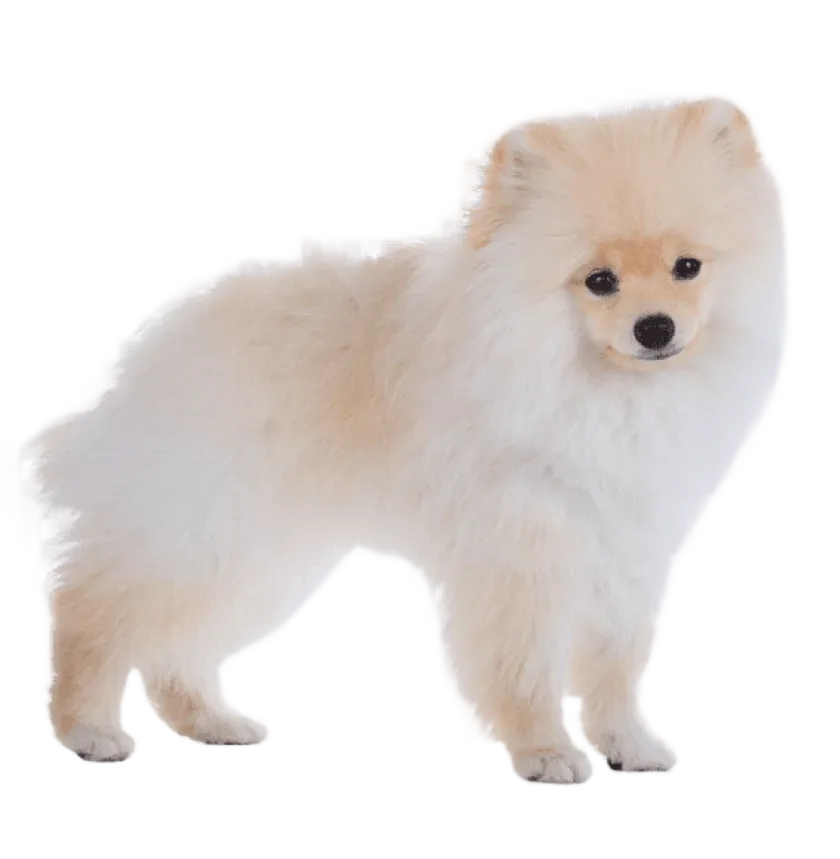
The Pomeranian carries itself with a confidence that far outsizes its frame, quick to investigate, quick to bark, and rarely intimidated by dogs many times its size. That boldness makes them entertaining companions, though it's worth channelling with consistent training so it doesn't tip into excessive barking.
Training
Pomeranians are intelligent and generally eager to please, though their bold, independent streak means consistency matters more than force. Positive reinforcement and short, engaging sessions work best with this breed.
1. Start Early Socialisation
Introduce puppies to different people, pets, sounds, and environments from around 8 to 16 weeks old. Early socialisation also helps manage their tendency to bark at anything unfamiliar.
Grooming
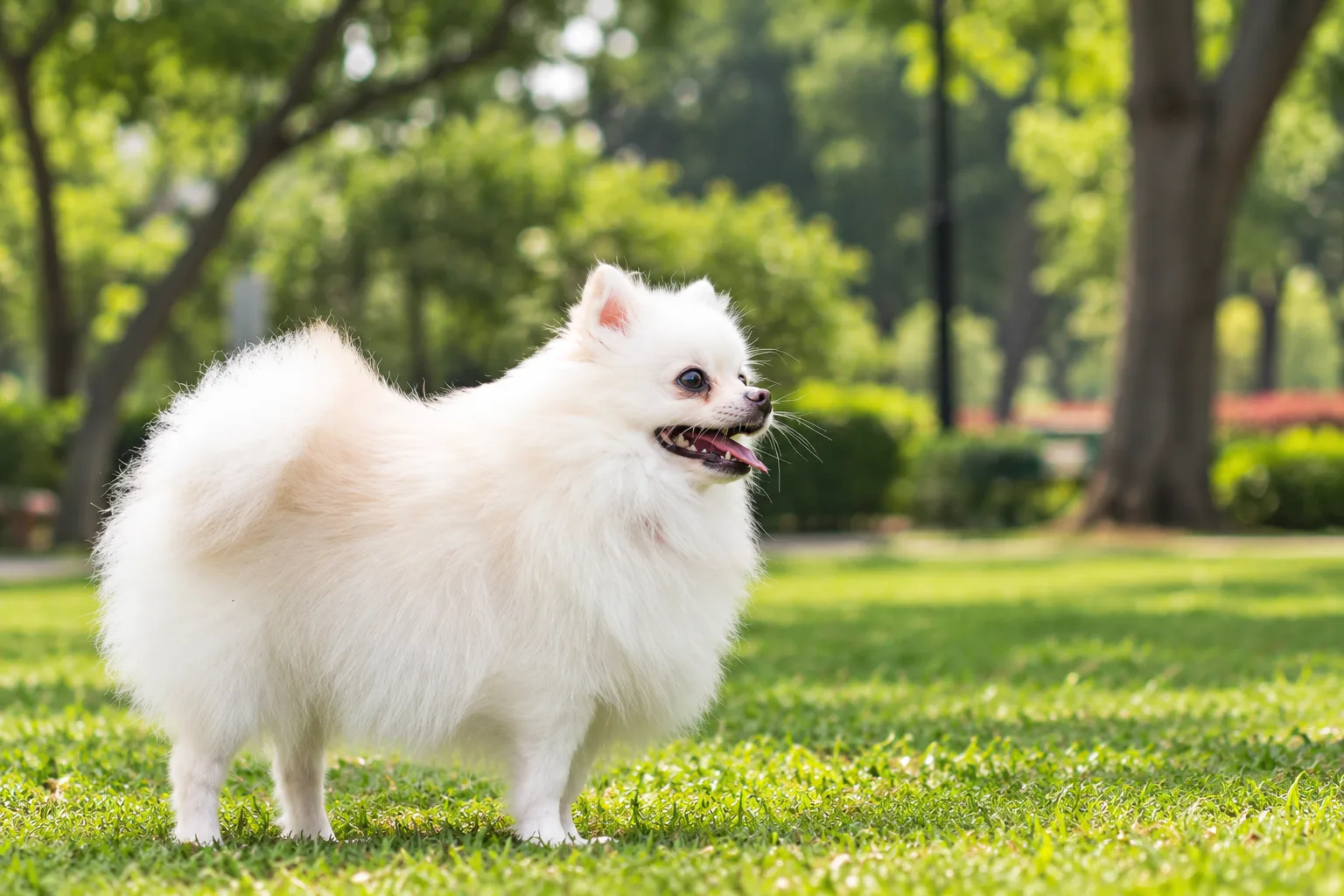
Pomeranians have a thick double coat with a soft undercoat and a long, harsh-textured outer coat that needs regular attention to stay mat-free. Despite their small size, their grooming needs are higher than many people expect.
1. Brush and Bathe Regularly
Brush two to three times a week to prevent matting, especially around the ears, legs, and tail. Bathe every three to four weeks to keep the coat clean and manageable.
2. Keep Teeth and Nails Maintained
Small breeds like Pomeranians are prone to dental issues, so regular teeth brushing is important. Trim nails regularly since they can grow quickly in smaller dogs.
Health
Pomeranians are generally healthy but prone to certain small-breed conditions, including luxating patella, collapsed trachea, and dental disease. Regular vet checkups and gentle handling around the neck and legs go a long way toward a long, comfortable life.
1. Use a Harness Instead of a Collar
Because Pomeranians are prone to tracheal issues, a harness puts far less pressure on their throat than a collar during walks. This small change can meaningfully reduce strain on a sensitive area.