German Shepherd
 Germany
Breed Traits
About
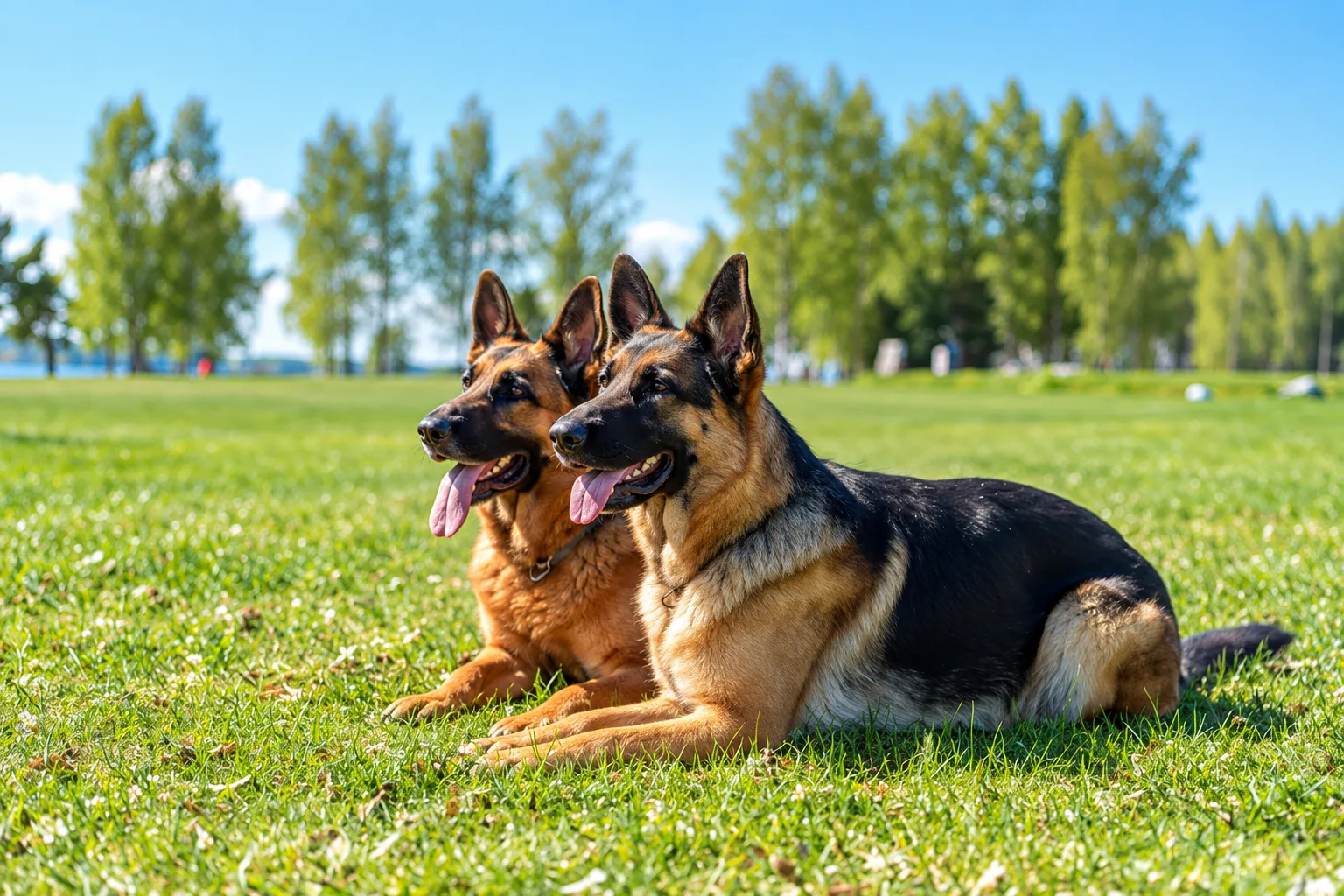
The German Shepherd is one of the most versatile and widely respected dog breeds in the world, valued equally as a family guardian, a working dog, and a loyal companion. Originally bred in Germany to herd and guard sheep, they're now best known for their intelligence, trainability, and unwavering devotion to their people.
1. A Loyal Family Companion
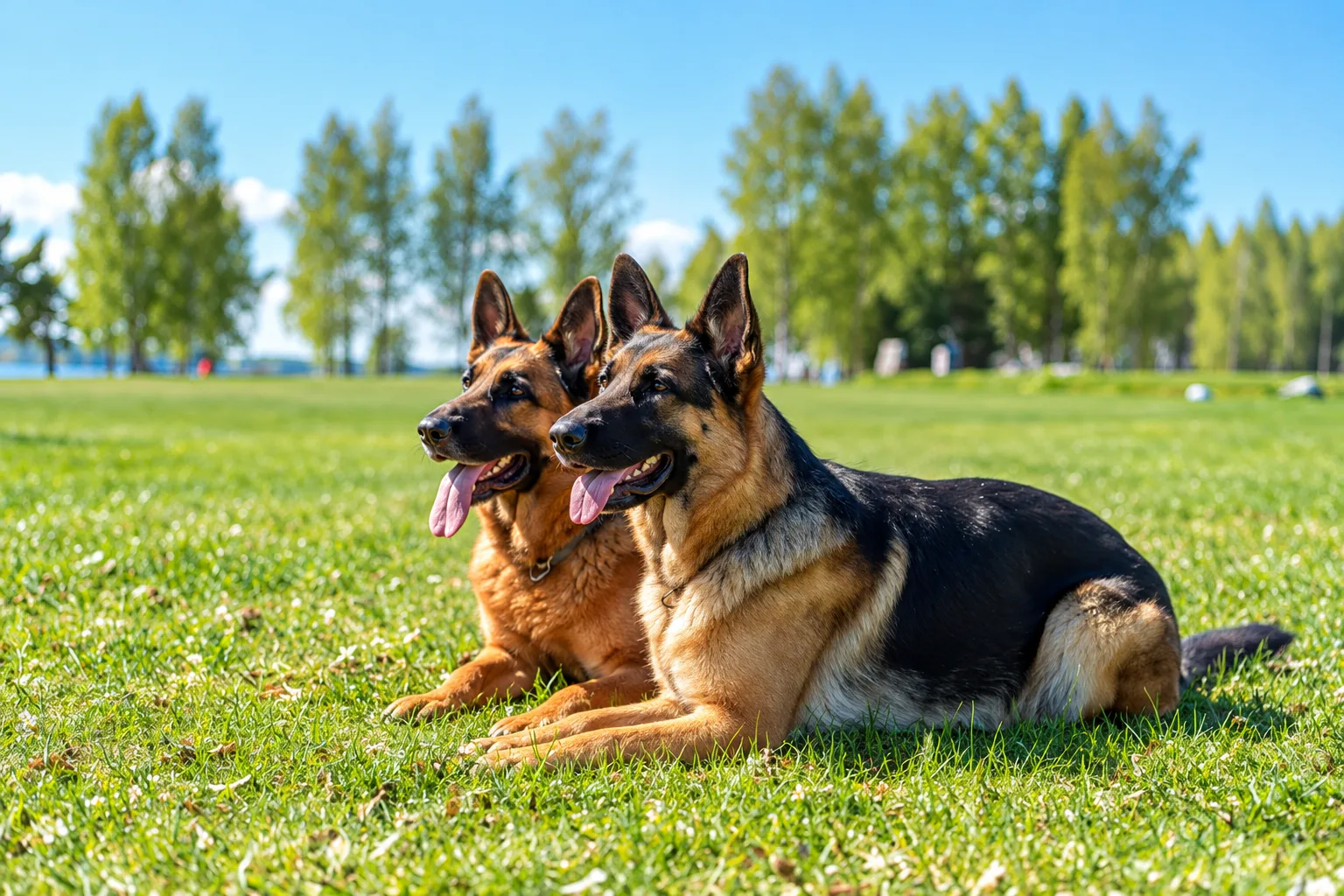
German Shepherds bond deeply with their family and tend to be naturally watchful, making them protective without being unnecessarily aggressive when properly socialised. They're happiest when given a job to do, whether that's formal training, active play, or simply keeping a close eye on the household.

2. Where the German Shepherd Comes From
The breed was developed in the late 1800s by Captain Max von Stephanitz, who wanted a versatile working dog descended from Germany's herding breeds. Their intelligence and trainability quickly saw them move beyond herding into police, military, and service work, roles they still excel in today.
Where the German Shepherd Comes From
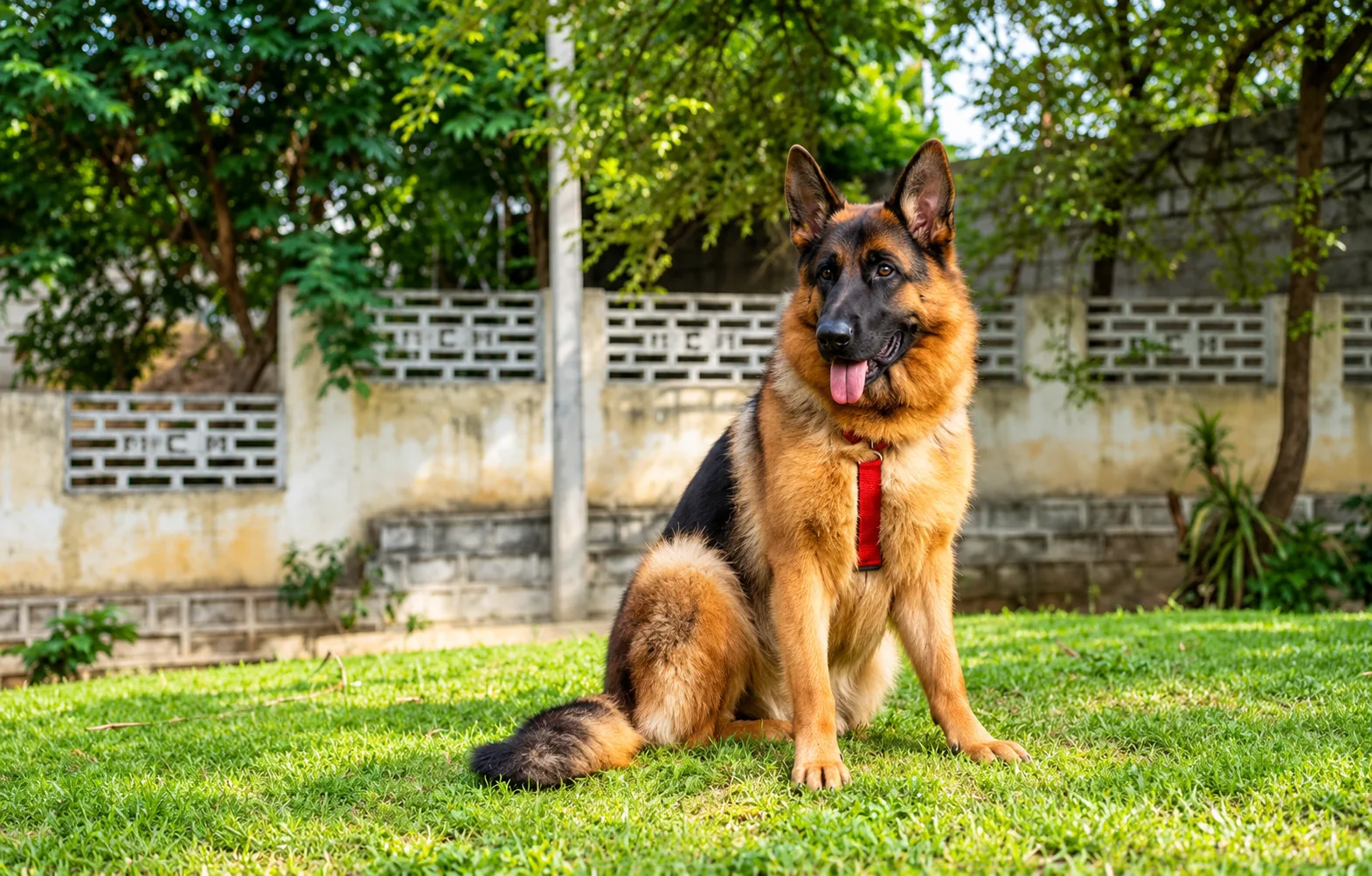
The German Shepherd originates from Germany.
Diet
German Shepherds are large, active dogs that need a protein-rich diet to support their muscle mass and energy levels. Getting portions and life-stage formulas right matters, especially since the breed is prone to joint issues that extra weight can worsen.
Key guidance:
- Choose a protein-rich, large-breed formula suited to their activity level
- Feed measured meals split across two servings a day
- Use a slow feeder if they tend to eat too quickly, as the breed is prone to bloat
- Avoid fillers, excess treats, and sudden diet changes
Confident and Watchful
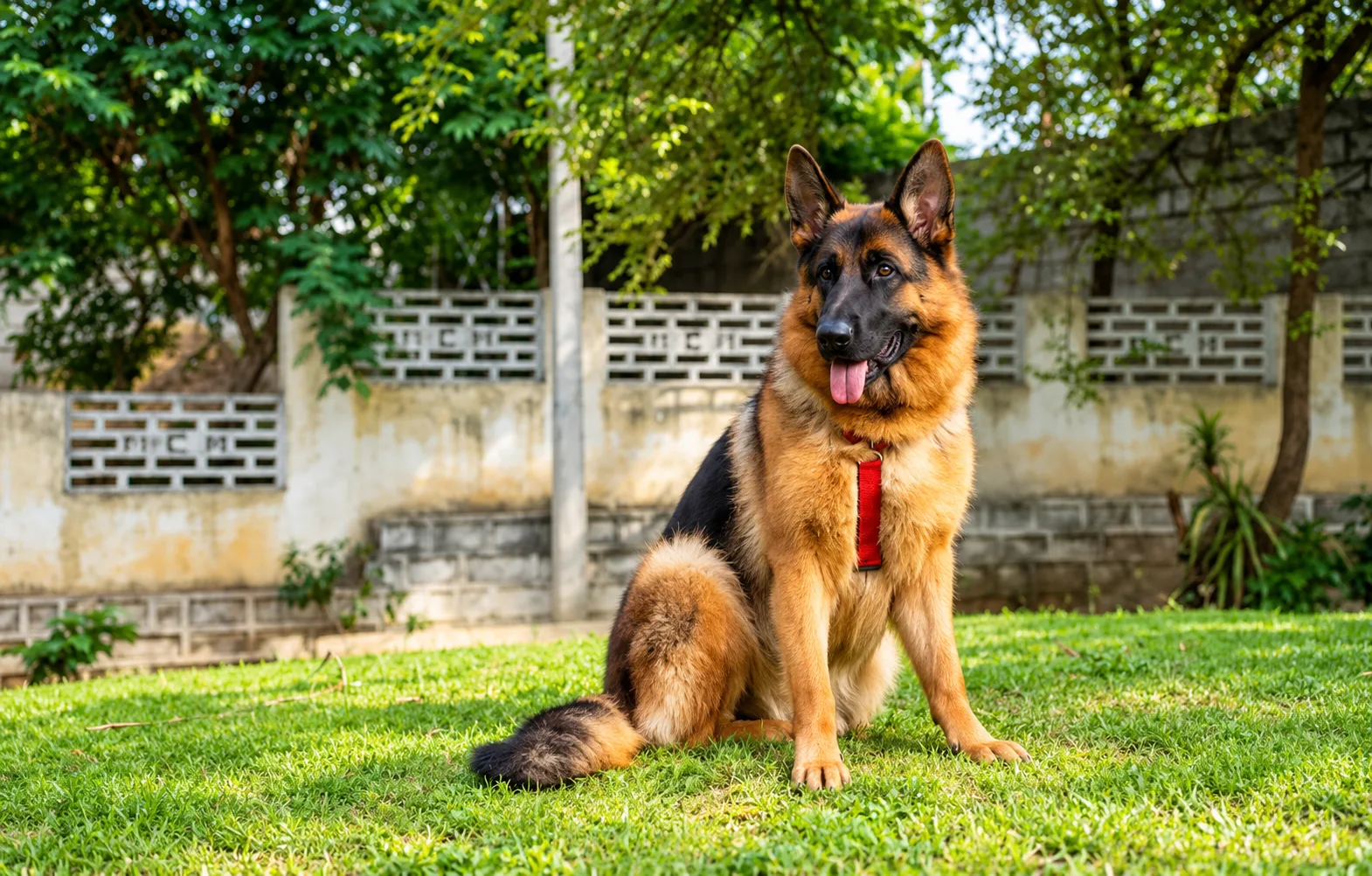
The German Shepherd carries itself with quiet alertness, always aware of its surroundings and quick to respond if something feels off. That watchfulness, combined with deep loyalty to their family, is what makes them such dependable companions and working dogs.
Training
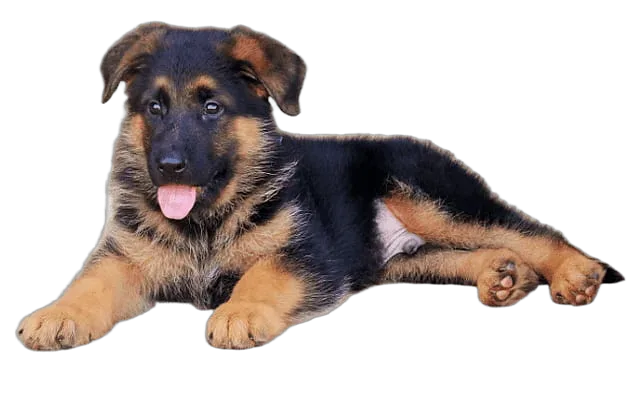
German Shepherds are exceptionally intelligent and were bred specifically to work closely with a handler, which makes them one of the easiest breeds to train when given structure and consistency. They thrive on mental stimulation as much as physical exercise.
1. Start Early Socialisation
Introduce puppies to different people, pets, sounds, and environments from around 8 to 16 weeks old. Without early socialisation, their natural wariness of strangers can tip into over-protectiveness, so consistent exposure and positive reinforcement matter from the start.
Grooming
German Shepherds have a dense double coat that sheds year-round, with heavy seasonal shedding twice a year. Regular brushing is essential to manage loose fur and keep the coat and skin healthy.
1. Brush and Bathe Regularly
Brush two to three times a week, daily during seasonal shedding. Bathe only when needed, since over-bathing can strip the coat's natural oils.
2. Keep Ears and Nails Maintained
Check their upright ears regularly for dirt or wax buildup, and trim nails as needed to keep them comfortable on walks.
Health
German Shepherds are generally robust dogs, but the breed is prone to certain hereditary conditions, including hip and elbow dysplasia, degenerative myelopathy, and bloat. Regular vet checkups, health screening from reputable breeders, and staying alert to early symptoms go a long way toward a long, active life.
1. Watch for Signs of Hip Trouble Early
Because hip and elbow dysplasia are so common in this breed, keep an eye out for stiffness, reluctance to jump, or an altered gait, especially as they age. Catching it early gives you far more options for managing it comfortably.