Rottweiler
 Germany
Breed Traits
About
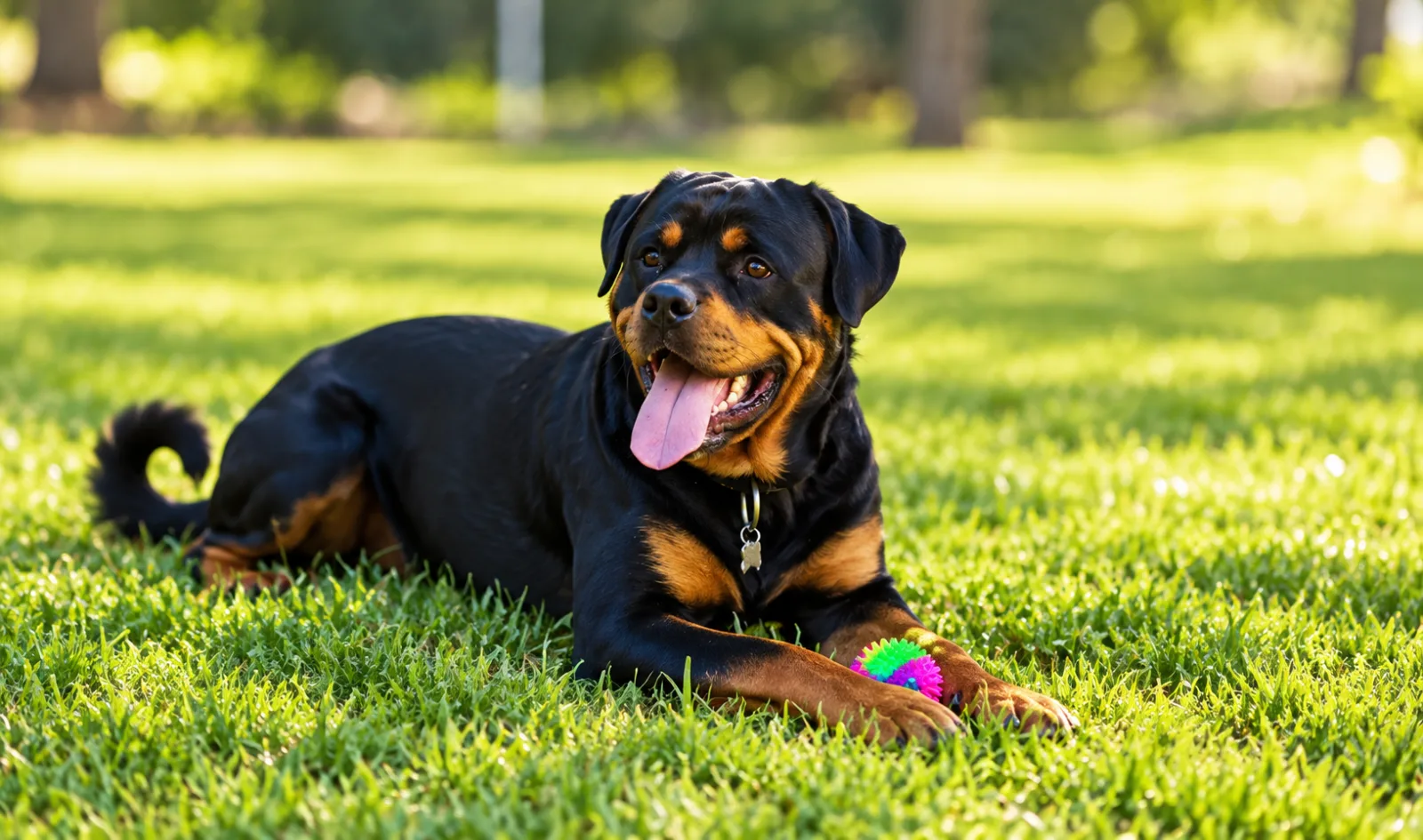
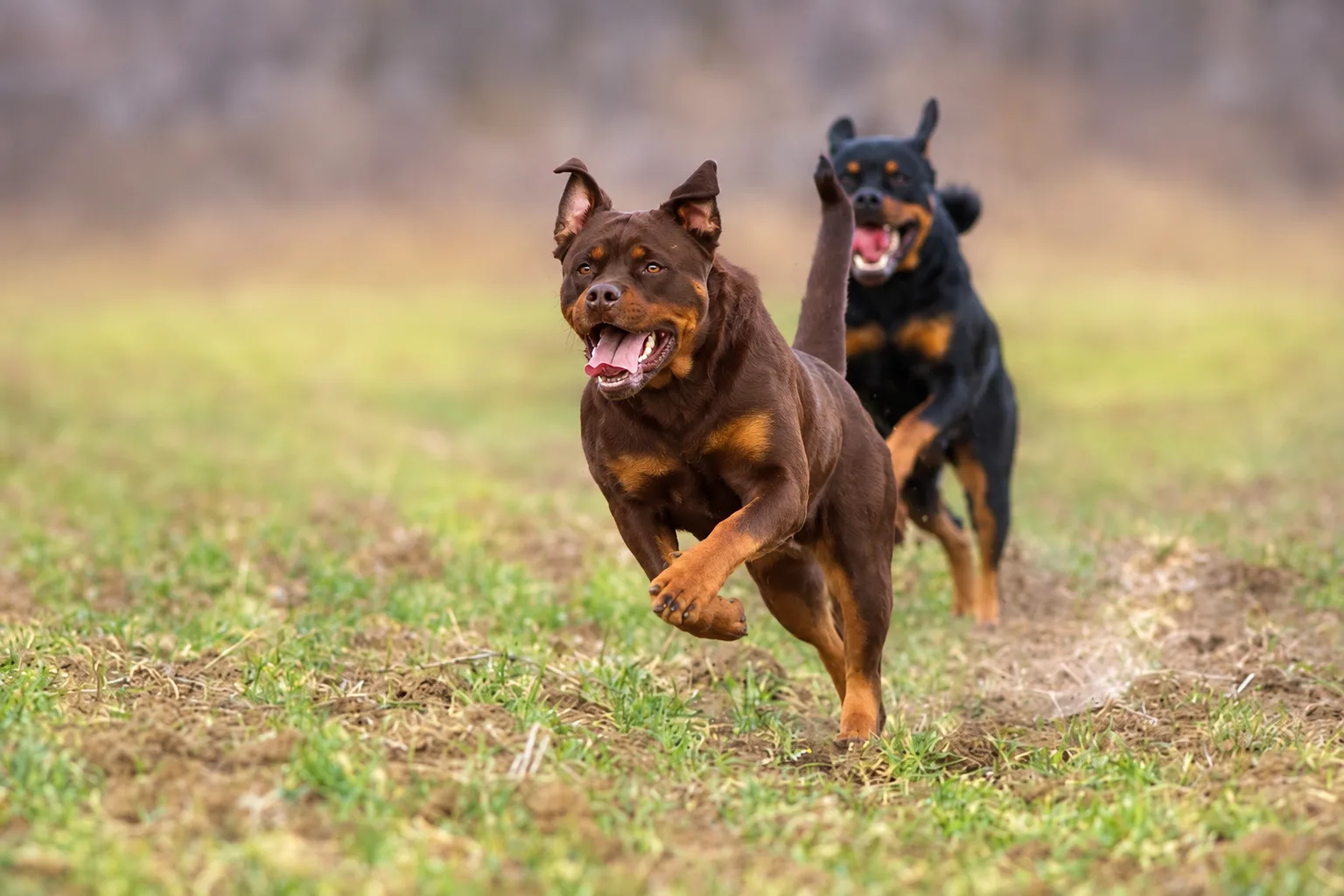
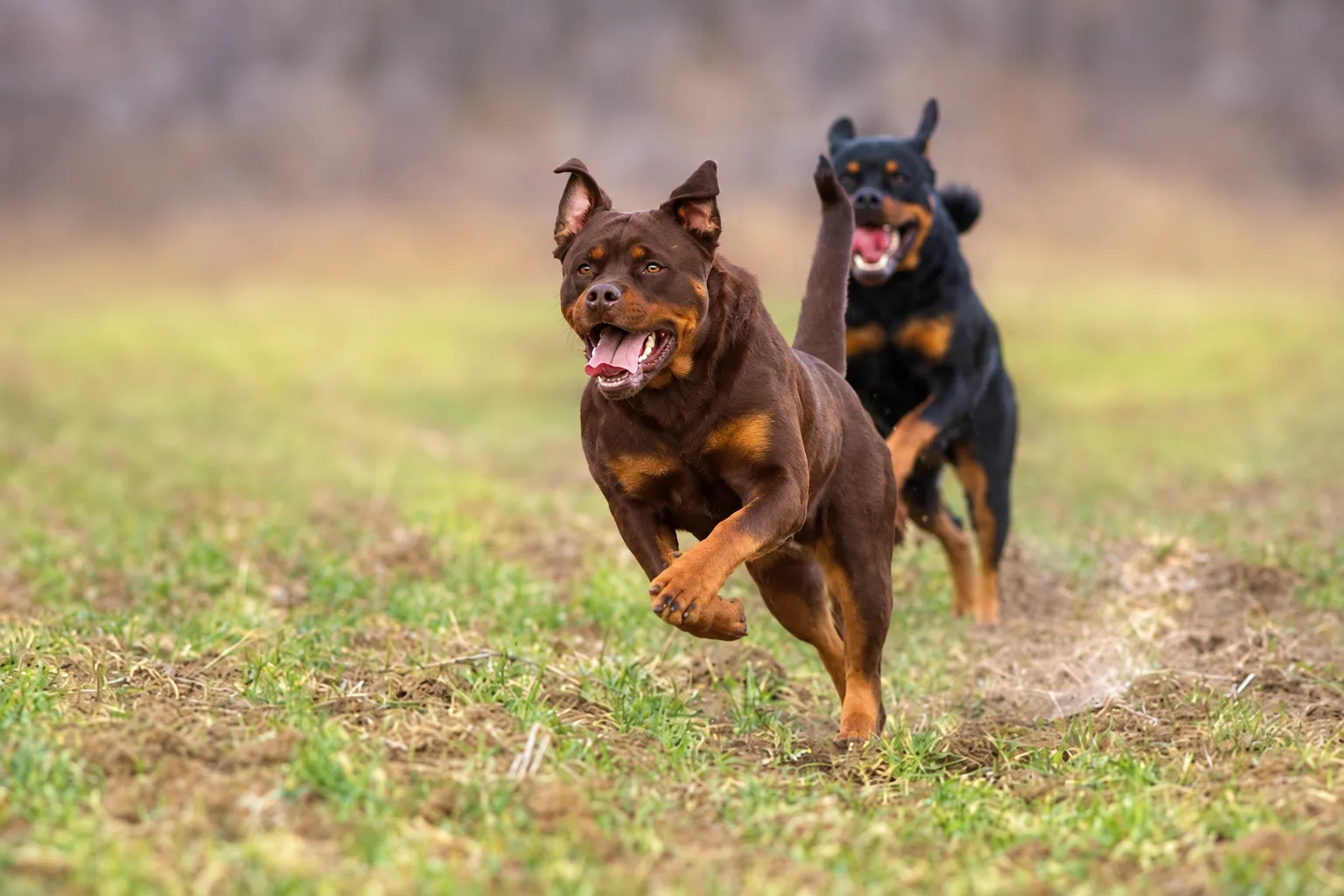
The Rottweiler is a powerful, confident breed descended from Roman cattle-driving dogs, later refined in the German town of Rottweil to drive livestock and pull carts. Calm and steady by nature, they're deeply loyal to their family and carry themselves with a quiet, self-assured strength.
1. A Loyal Family Companion
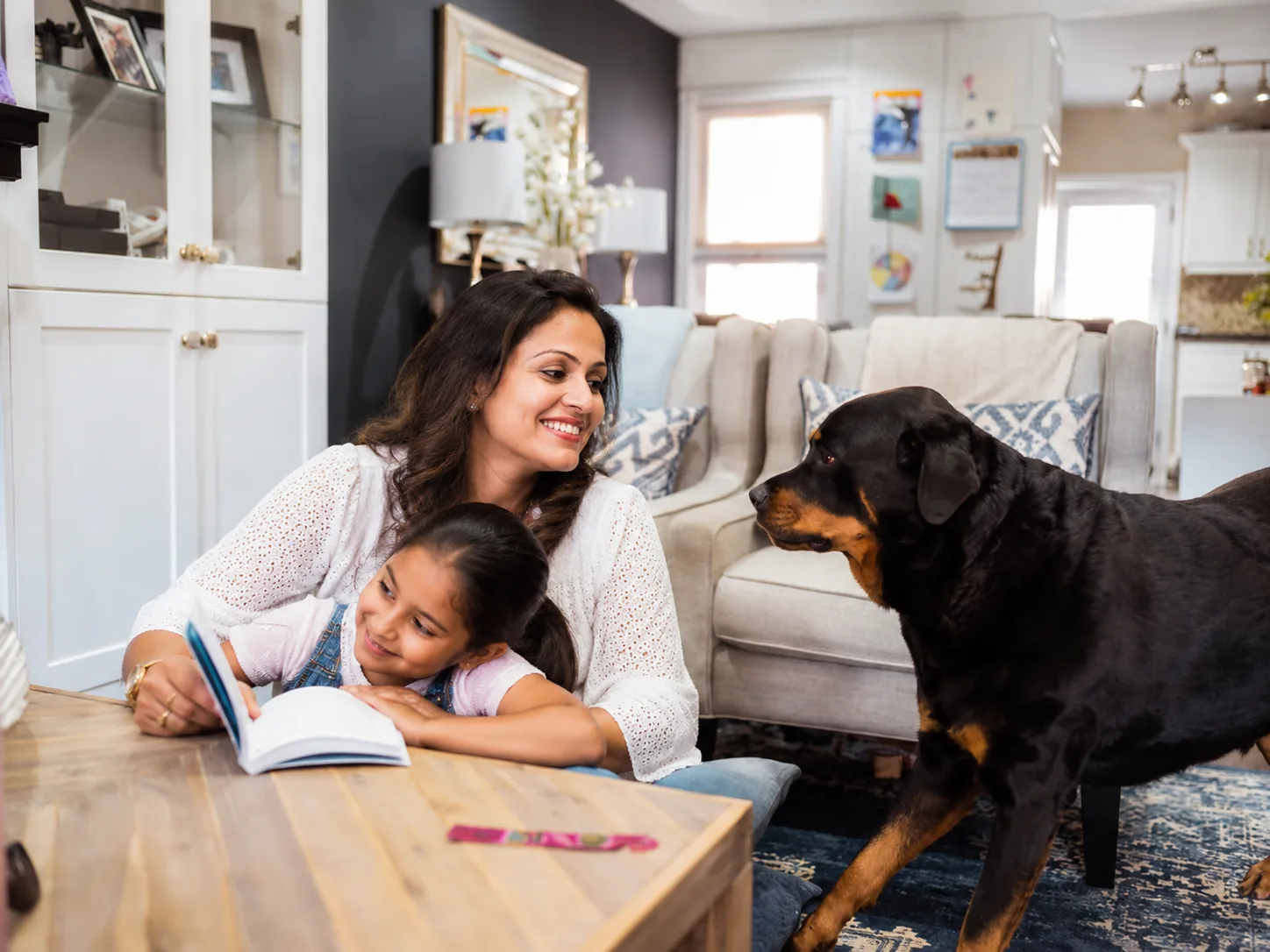
Rottweilers form intensely close bonds with their family and are naturally protective, though a well-socialised Rottweiler is affectionate and gentle at home, not aggressive by default. They tend to be watchful of strangers without prompting, which is part of why they've long been valued as guardians.
2. Where the Rottweiler Comes From
The breed traces back to cattle dogs brought by Roman armies, later developed further in Rottweil, Germany, where they drove livestock to market and pulled butchers' carts. That working heritage explains their strength, endurance, and natural inclination to guard whatever they consider theirs.
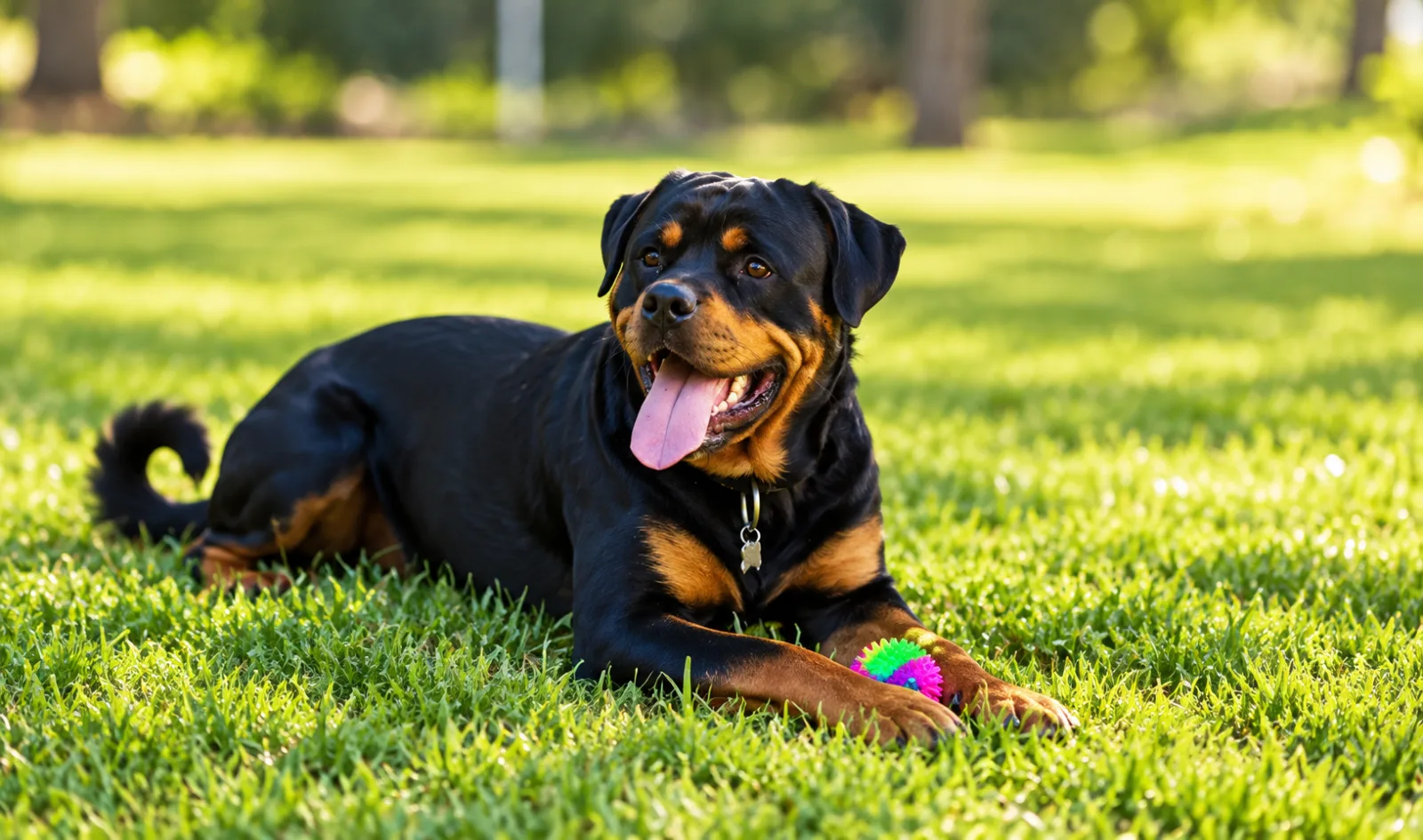
Where the Rottweiler Comes From
The Rottweiler originates from Germany.
Diet
Rottweilers are large, muscular dogs that need a protein-rich diet to support their build and energy levels, especially during their extended growth period as puppies. Getting portions right matters given their size and the joint strain that excess weight can cause.
Key guidance:
- Choose a protein-rich, large-breed formula suited to their life stage
- Use large-breed puppy food specifically to support slower, controlled growth
- Feed measured meals split across two servings a day
- Use a slow feeder if needed, as the breed can be prone to bloat
Calm and Confident
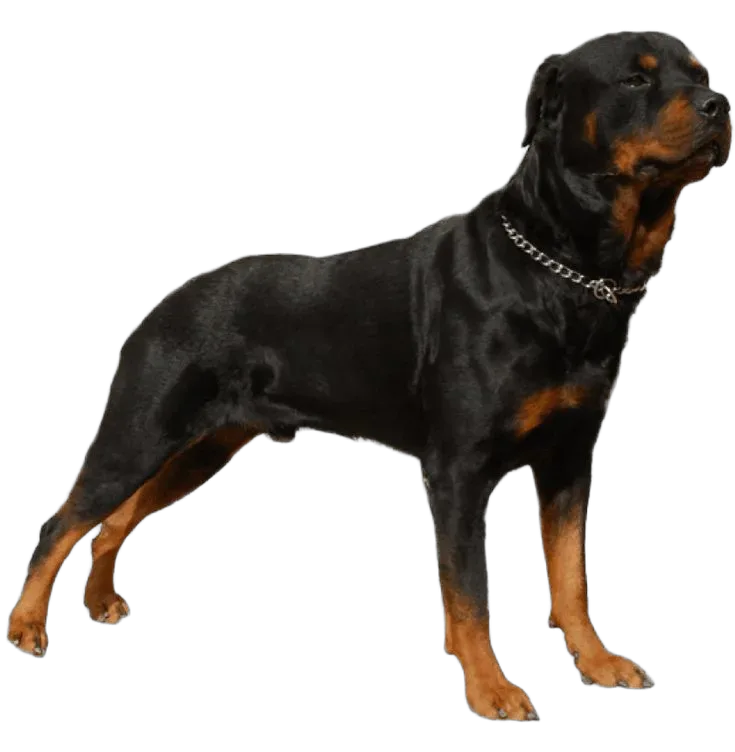
The Rottweiler carries itself with a steady, unshakeable confidence, rarely reactive and generally calm unless it perceives an actual threat. That composure, paired with deep loyalty to their family, is what makes a well-raised Rottweiler such a dependable, grounded companion.
Training
Rottweilers are highly intelligent and capable working dogs, but their size and natural protectiveness make consistent, structured training essential from puppyhood. They respond best to confident, positive reinforcement based handling rather than harsh correction.
1. Start Early Socialisation
Introduce puppies to different people, pets, sounds, and environments from around 8 to 16 weeks old. Given their guarding instincts, early and ongoing socialisation is especially important to ensure they grow into calm, well-adjusted adults.
Grooming
Rottweilers have a short, dense double coat that's genuinely low maintenance. There's no clipping or trimming involved, just regular brushing to manage shedding and keep the coat healthy.
1. Brush and Bathe Regularly
A weekly brush is usually enough to manage loose hair. Bathe only when needed, since frequent washing can dry out their skin.
2. Keep Ears and Nails Maintained
Check their folded ears regularly for dirt or wax buildup, and trim nails as needed to keep them comfortable on walks.