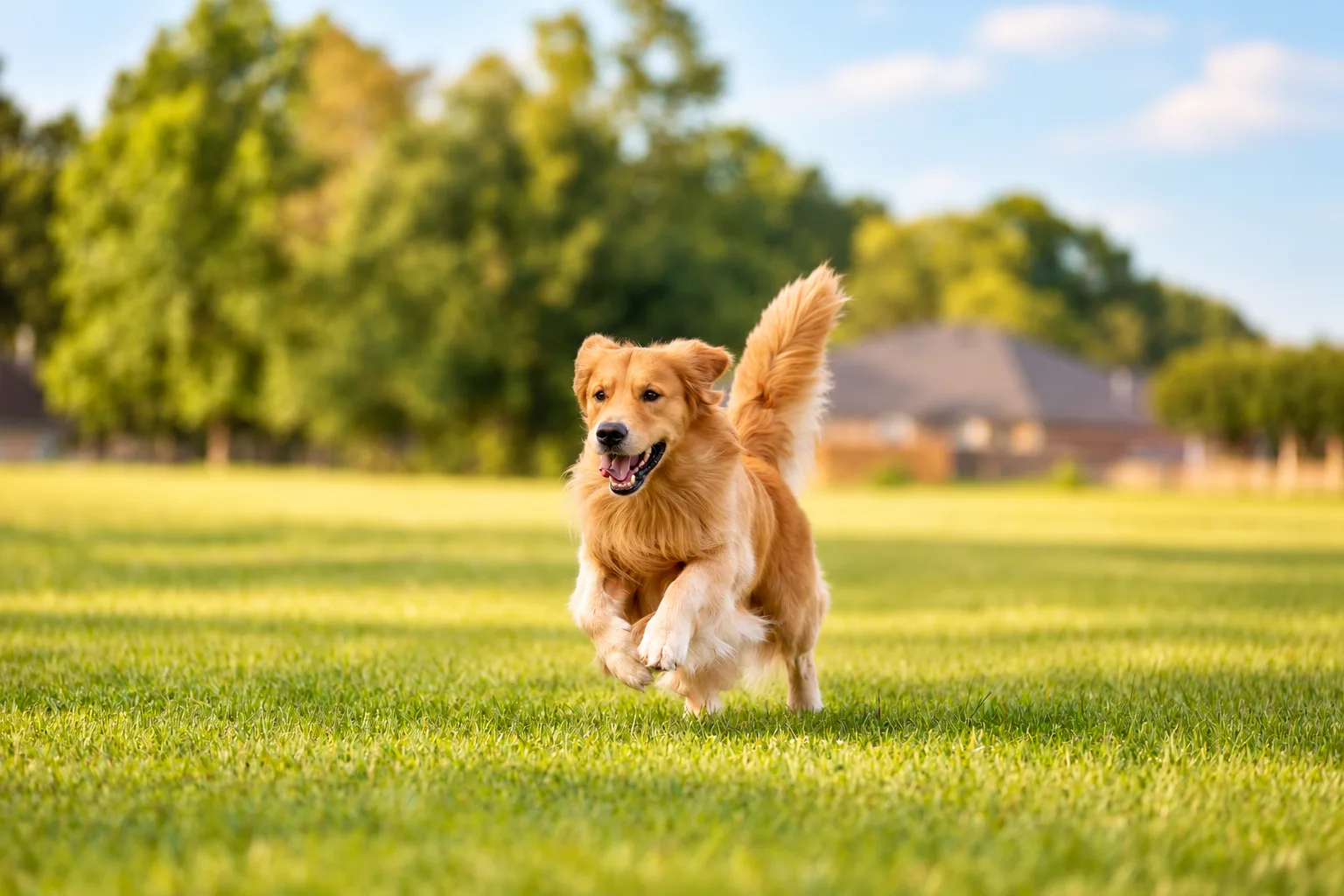
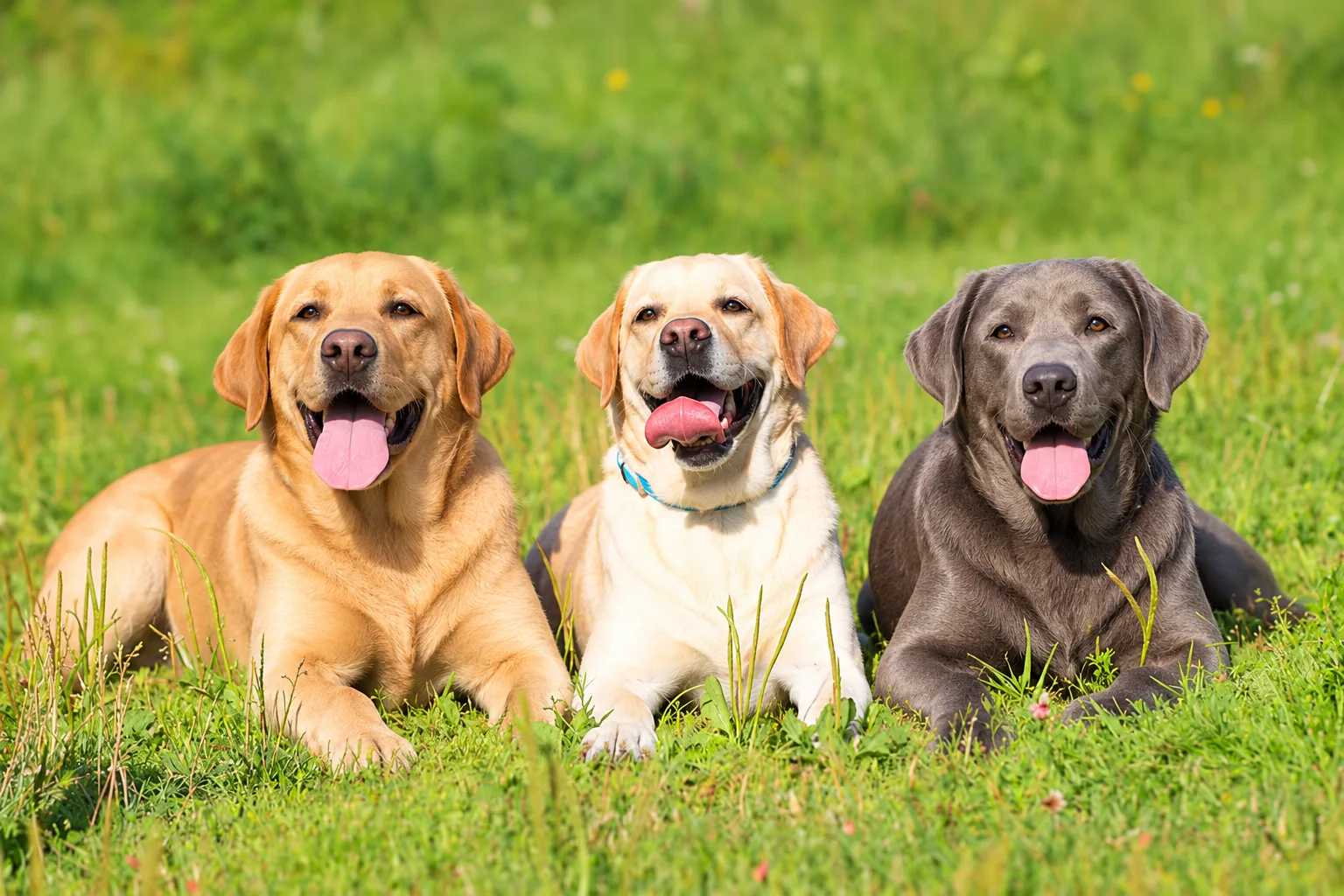
Labrador Retriever
 Newfoundland, Canada
Breed Traits
About
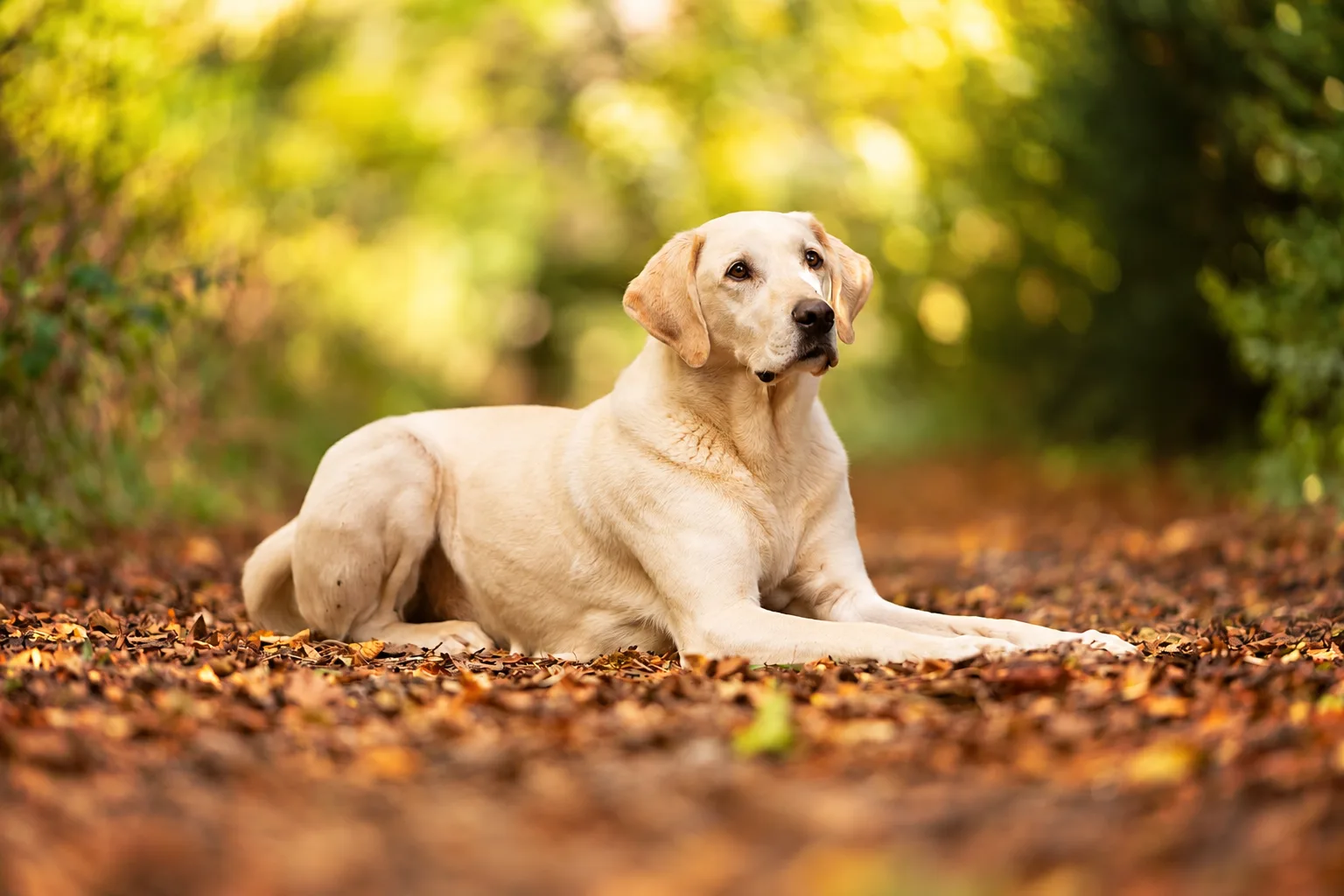
The Labrador Retriever is one of the most popular dog breeds in the world, known for being friendly, outgoing, and endlessly food motivated. Originally bred as a fisherman's helper in Newfoundland, it's now just as happy retrieving a ball in the park as curling up at your feet after a long walk.
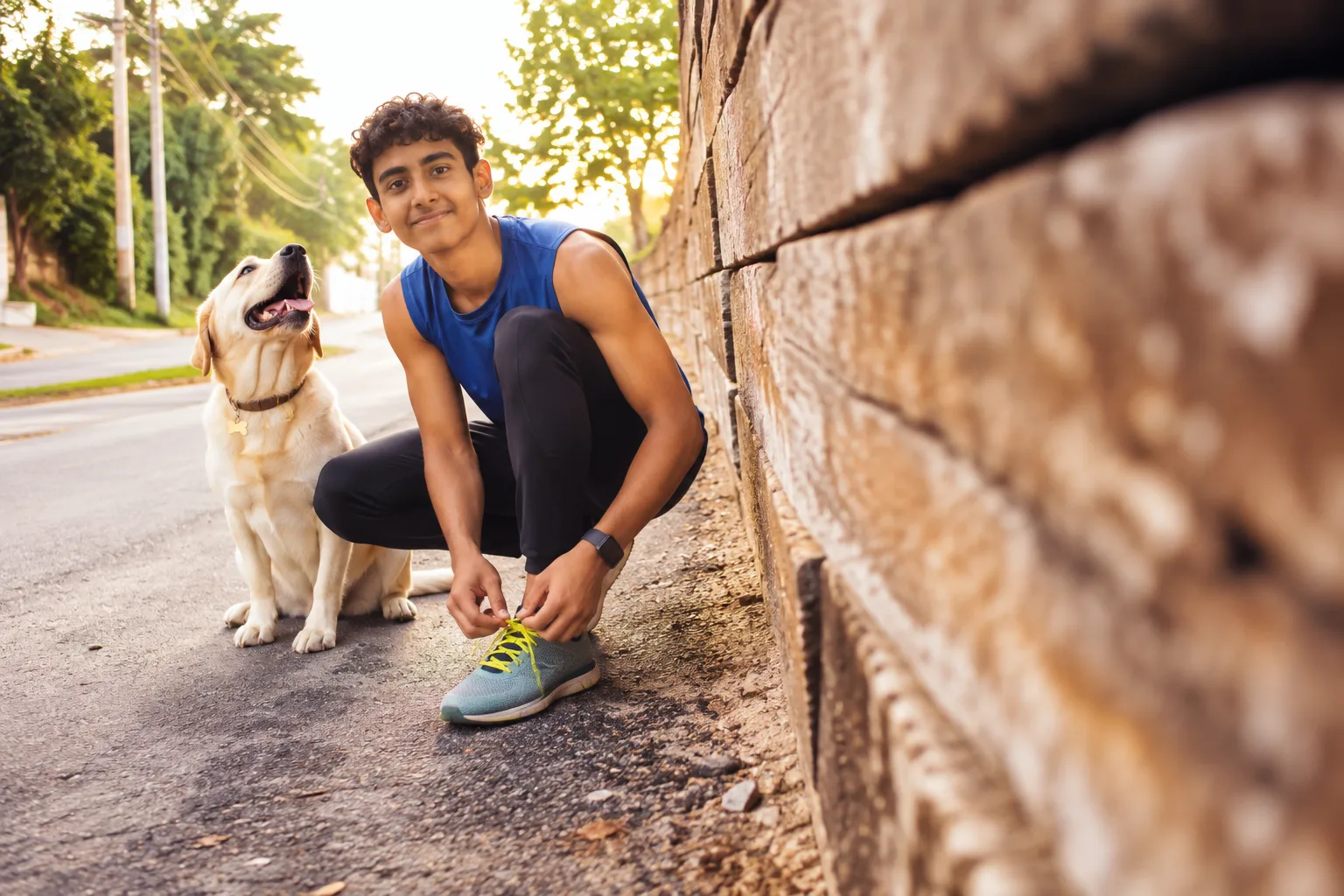
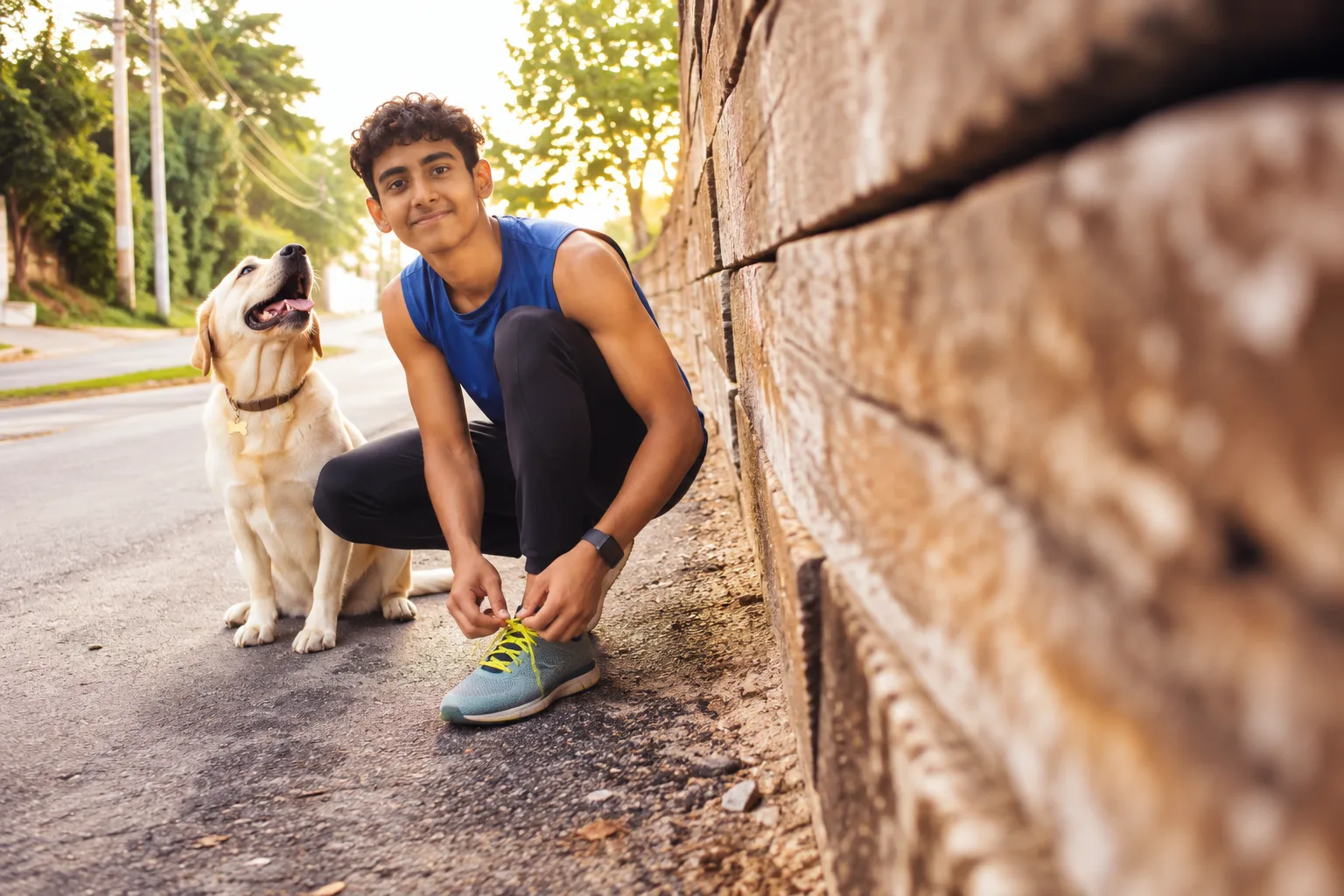
1. A Loyal Family Companion
Labs form strong, easygoing bonds with every member of the household and tend to treat strangers with the same friendliness as family. That warmth makes them wonderful companions, though it also means they're not natural watchdogs, a Lab is more likely to greet an intruder than guard against one.
2. Where the Labrador Retriever Comes From
The breed originated in Newfoundland, Canada, where they worked alongside fishermen, hauling nets and retrieving fish that slipped the line, often swimming for hours in cold water. That working history still shows today in their love of water, sturdy build, and steady, biddable nature.
Where the Labrador Retriever Comes From
The Labrador Retriever originates from Newfoundland, Canada.
Diet
Labradors love food, sometimes a little too much, and many carry a gene variant linked to increased appetite. Measured meals and limited treats matter more with this breed than most to keep them at a healthy weight.
Key guidance:
- Choose a protein-rich, large-breed formula
- Split meals into two measured servings a day rather than free feeding
- Avoid fillers, excess treats, and table scraps
- Factor treats into daily calorie count, even during training
Friendly and Food-Driven
The Labrador Retriever carries itself with an easy, cheerful confidence, always ready to greet people and rarely fazed by new situations. This adaptability, paired with their eagerness to please, is a big part of why they settle so comfortably into such a wide range of homes.

Training
Labs are famously easy to train, intelligent, eager to please, and highly food motivated, which is why they're so often used as guide and service dogs. Early socialisation and consistent basic obedience work usually go smoothly with this breed.
1. Start Early Socialisation
Introduce puppies to different people, pets, sounds, and environments from around 8 to 16 weeks old. Most Labs respond quickly to positive reinforcement and are well-mannered well before their first birthday.
Grooming
Labradors have a short, dense double coat that's low maintenance compared to longer-haired breeds, but it does shed steadily throughout the year. Regular brushing keeps loose hair under control and preserves the coat's natural water resistance.
1. Brush and Bathe Regularly
A weekly brush is usually enough outside of shedding season. Baths can be infrequent, since frequent washing strips the coat's natural oils.
2. Keep Ears and Nails Maintained
Check ears regularly, especially after swimming, to prevent moisture-related infections, and trim nails as needed.
Health
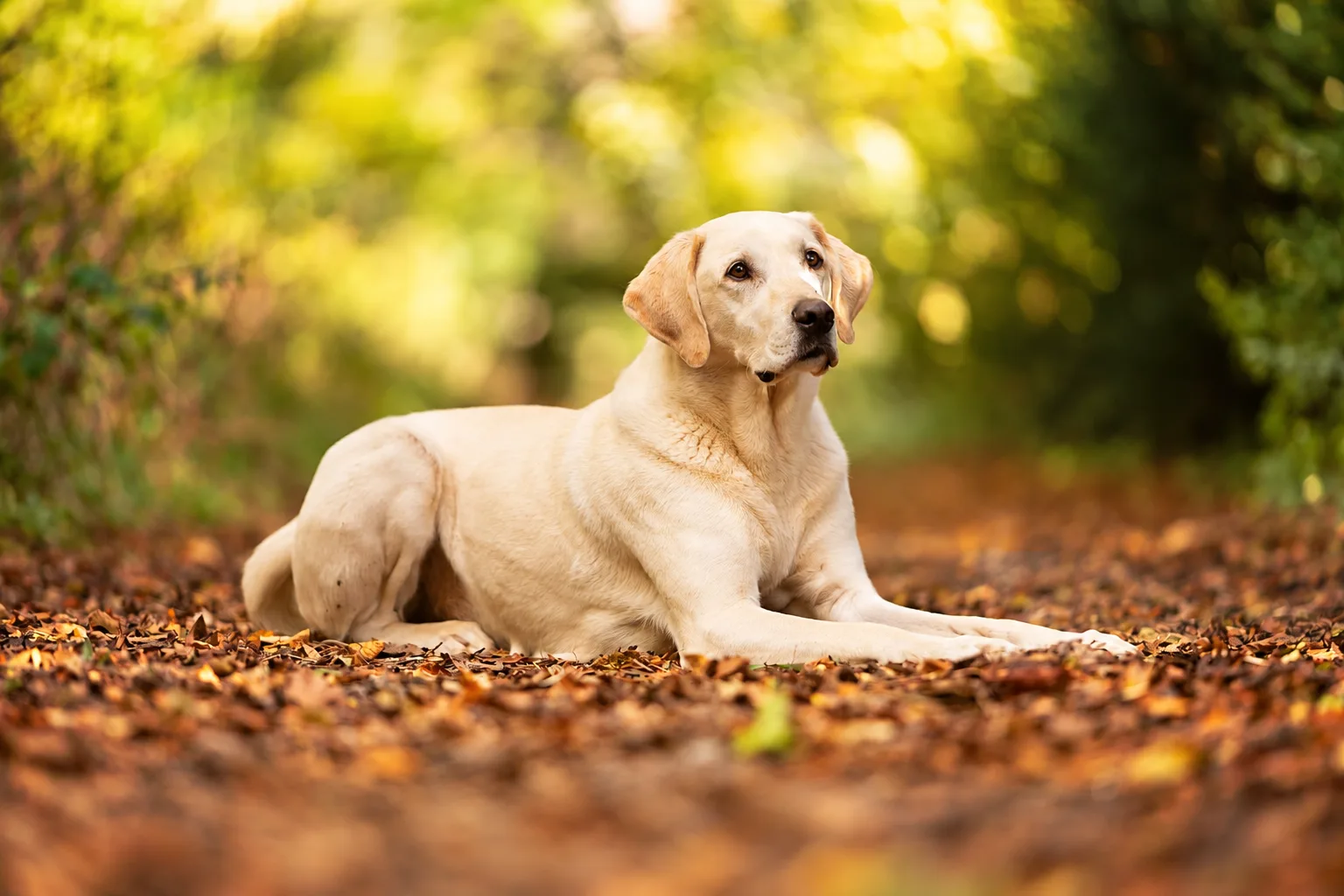
Labrador Retrievers are generally sturdy and healthy, but prone to hip and elbow dysplasia, exercise-induced collapse, and certain eye conditions like progressive retinal atrophy. Obesity is also a common concern given their appetite, so weight management matters for long-term joint health. Regular vet checkups and health screening from reputable breeders go a long way toward a long, active life.
Active families or individuals with time for daily exercise and some outdoor access. Well suited to first-time owners thanks to their trainability, as long as their exercise and portion control needs are met.
Care Tips
- Brush weekly, more often during seasonal shedding
- Walk or exercise 60 minutes or more a day
- Measure meals carefully to prevent overeating
- Check ears regularly, especially after swimming
- Schedule regular vet checks for hips, joints, and weight
- Start training and socialisation early with positive reinforcement
1. Watch Their Weight Closely
Because Labs rarely turn down food, it's easy to overfeed them without realizing it. Keep an eye on their body condition, stick to measured meals, and adjust portions as their activity level changes to avoid extra strain on their joints.