Indian Pariah Dog
 Pan-India
Breed Traits
About
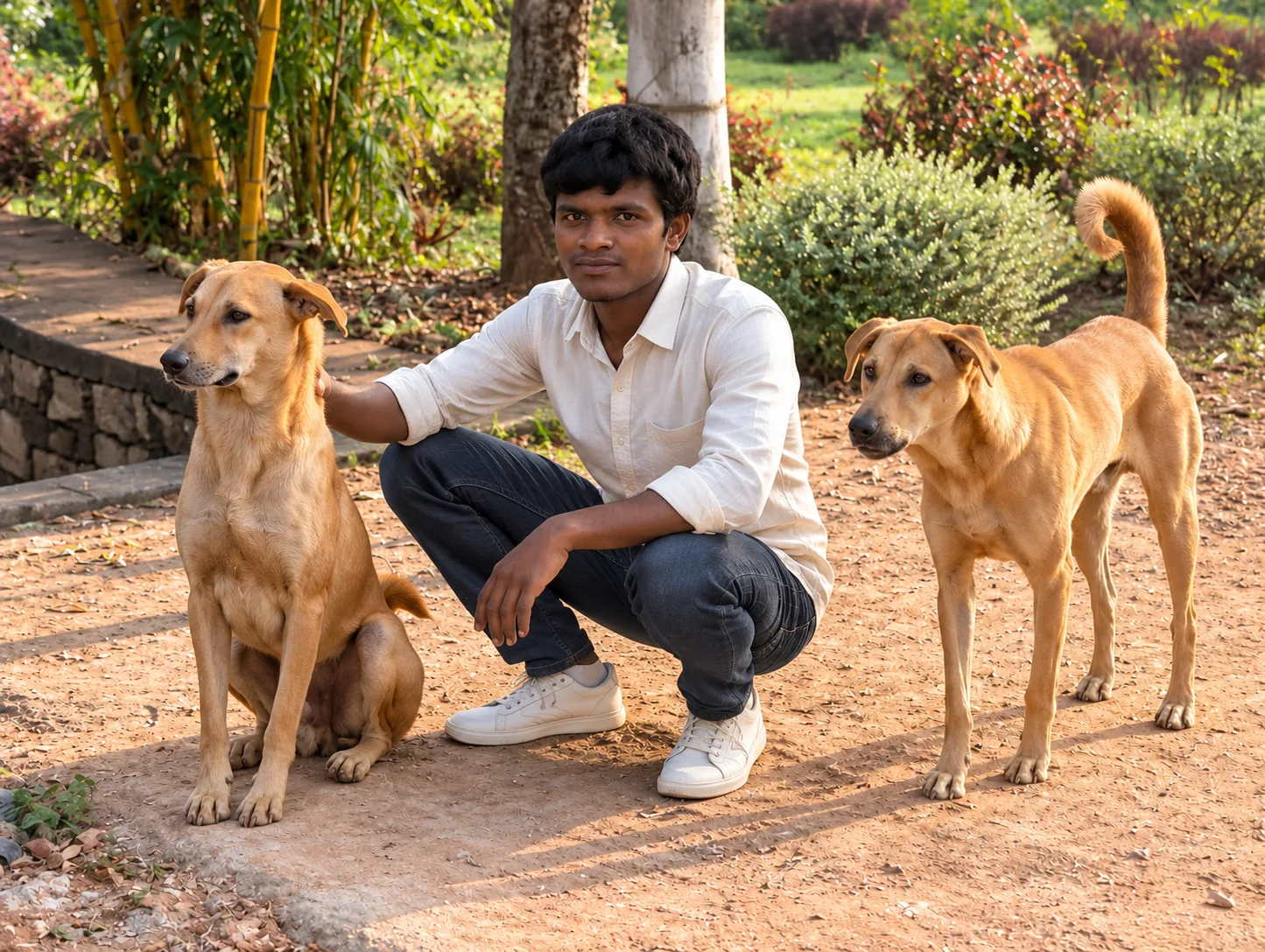
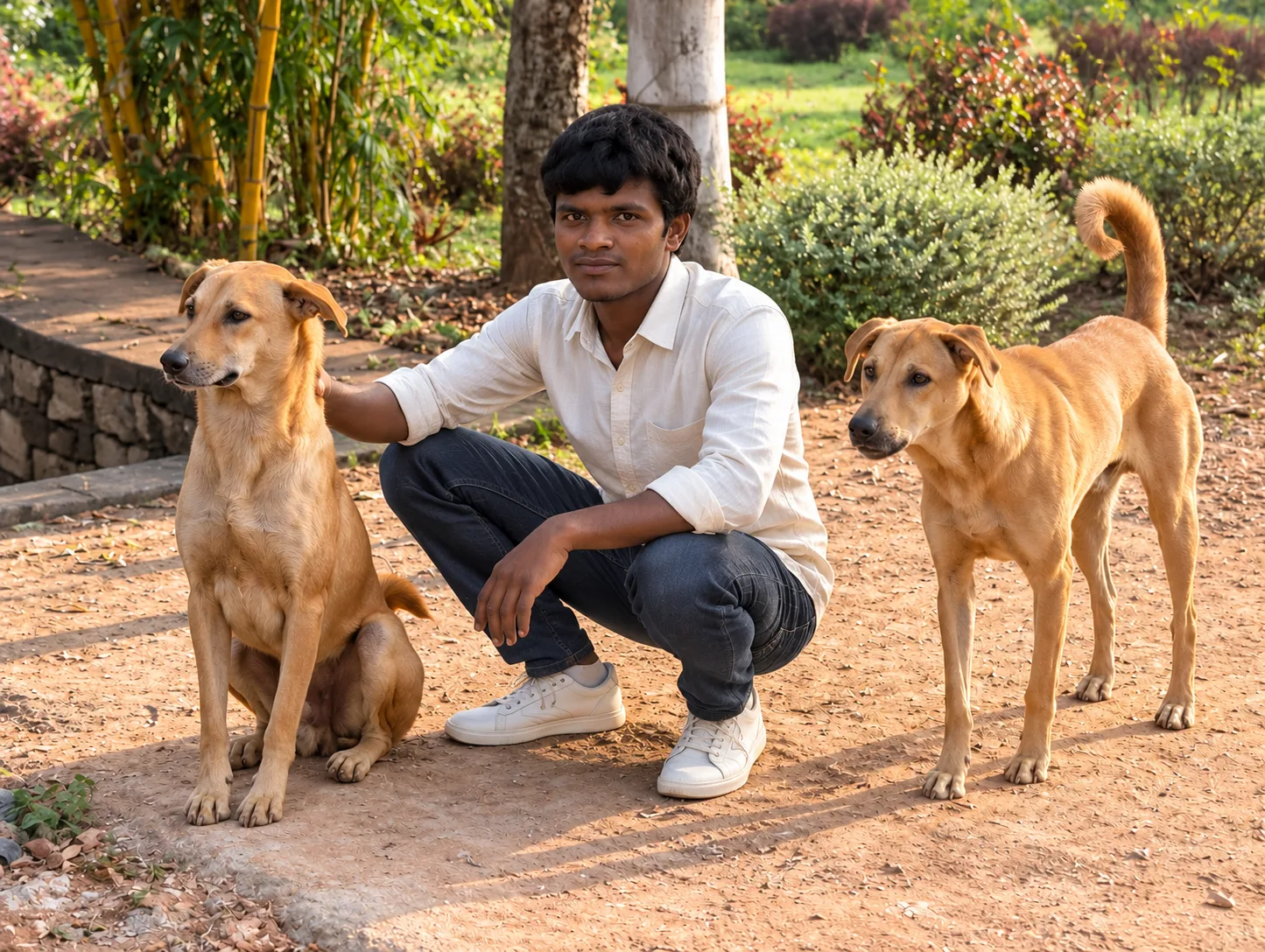
The Indian Pariah Dog is one of the oldest natural dog types in the world, shaped not by breeders but by thousands of years of survival across India's cities, villages, and countryside. What results is a remarkably intelligent, healthy, and adaptable companion that's finally getting the recognition it deserves.
When raised with love from puppyhood, Indian Pariah Dogs form warm, devoted bonds with their families. They're alert without being aggressive, affectionate without being needy, and quick to settle into home life once they feel secure.
Unlike breeds developed through deliberate selection, the Indian Pariah Dog evolved naturally across the Indian subcontinent over thousands of years, making it a true landrace rather than a manufactured breed. It's found throughout India, from bustling cities to remote villages.
1. A Loyal Family Companion
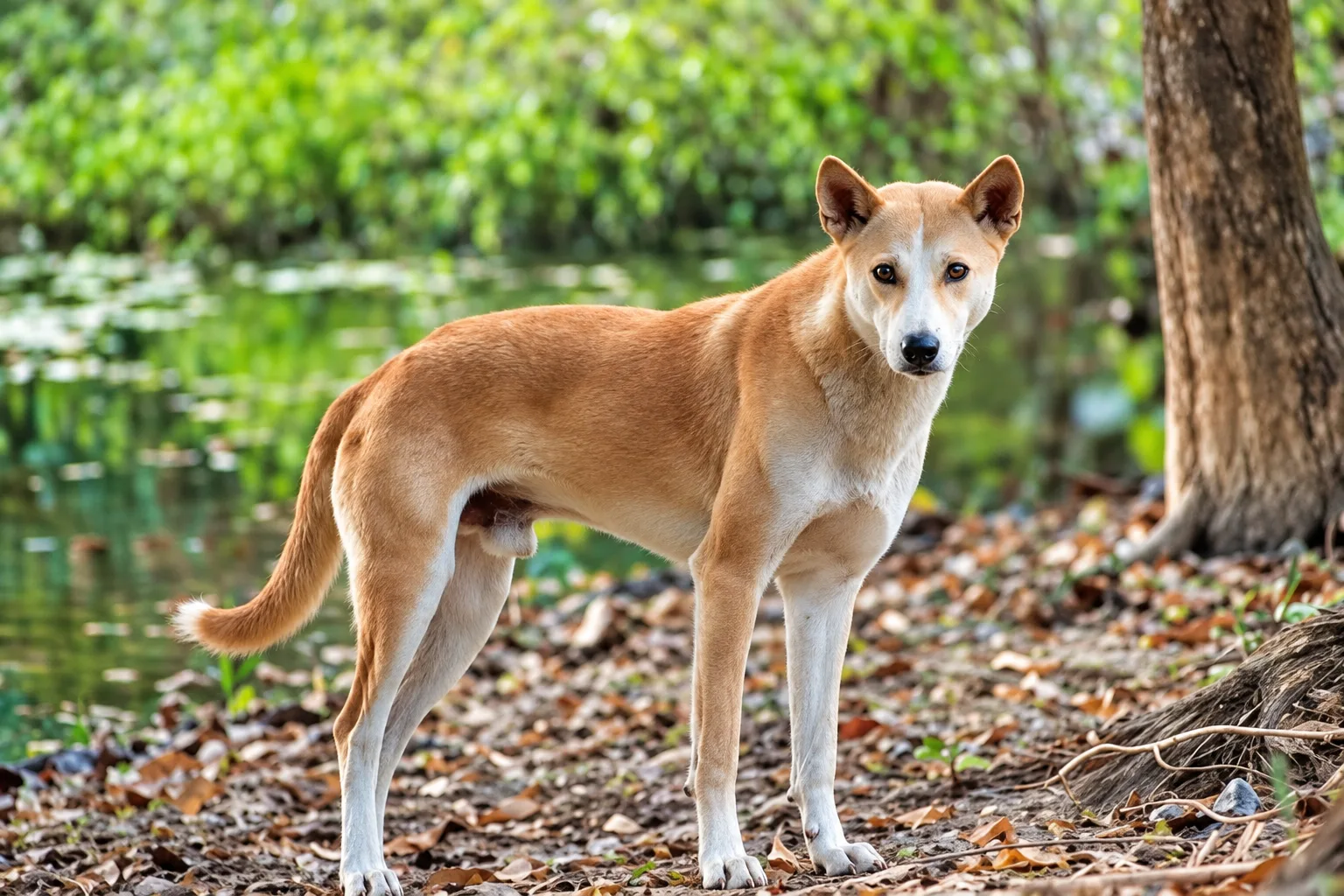
When raised with love from puppyhood, Indian Pariah Dogs form warm, devoted bonds with their families. They're alert without being aggressive, affectionate without being needy, and quick to settle into home life once they feel secure.
Is the Indian Pariah Dog Right for You?
Ideal Home / Owner
The Indian Pariah Dog fits well into almost any home, from apartments to farms, as long as it gets regular exercise and mental engagement. It's an excellent choice for first-time owners looking for an intelligent, loyal, low-maintenance companion suited to Indian conditions.
Care Tips
- Provide daily exercise through walks or play to keep this active breed content
- Socialise early, especially if adopted as a rescue with an uncertain background
- Keep grooming simple with weekly brushing
- Maintain a consistent feeding and routine schedule
- Stay current on vaccinations and parasite prevention
- Offer mental stimulation through training games and puzzle toys, given their high intelligence
Indian Pariah Dog History
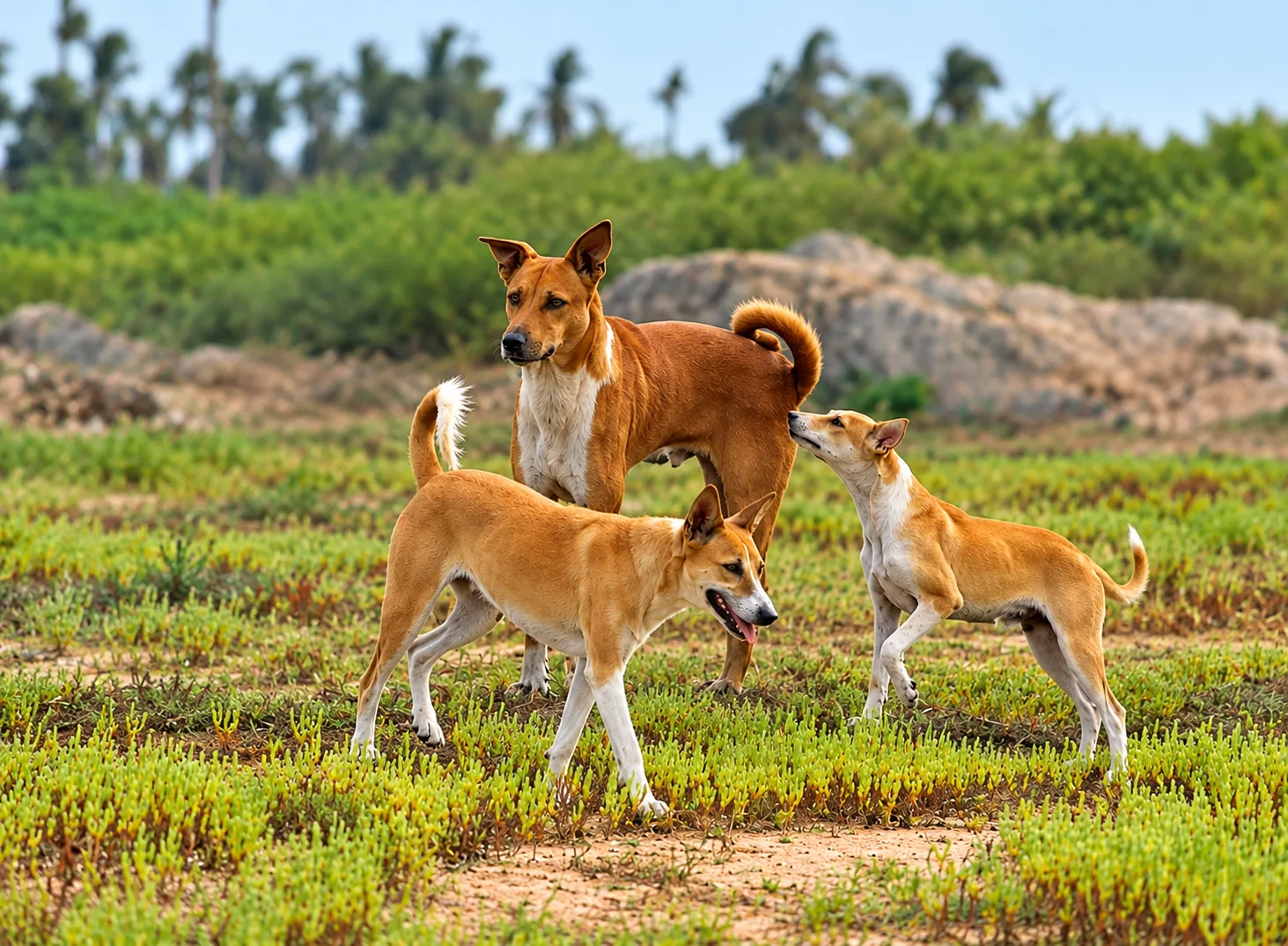
The Indian Pariah Dog is not a breed in the conventional sense but a landrace, a population of dogs shaped over thousands of years by natural selection rather than deliberate human breeding programs. Found throughout the Indian subcontinent, from crowded city streets to quiet villages, this dog represents one of the oldest and most genetically distinct dog populations in the world, with ancestry tracing back to some of the earliest dogs that lived alongside humans in South Asia.
For most of their history, these dogs weren't bred for a specific job the way hunting or guardian breeds were. Instead, they survived by being adaptable, intelligent, and resourceful, thriving on the edges of human settlements, scavenging, forming loose social groups, and gradually developing the alert, watchful temperament that still defines the breed today. This natural selection process, free from the inbreeding that affects many purebred lines, is part of why Indian Pariah Dogs tend to be so hardy and long-lived.
For a long time, these dogs were overlooked in India, often dismissed simply as strays rather than recognised as a distinct and valuable native breed. That's changed significantly in recent years, as organisations and enthusiasts have worked to document the breed formally, sometimes using the name INDog to distinguish genetically distinct, naturally evolved dogs from mixed-breed strays more broadly.
Today, more Indian pet owners are actively choosing to adopt Indian Pariah Dogs, drawn by their intelligence, adaptability, and suitability to Indian homes and climate, as well as a growing sense of pride in a genuinely native breed. Shelters and rescue organisations across the country have played a major role in this shift, helping place these dogs in loving homes and changing the narrative around what was once seen simply as a street dog into recognition of a capable, ancient, and thoroughly Indian breed.
Diet
Indian Pariah Dogs are generally easy keepers with efficient metabolisms, a legacy of thousands of years surviving on varied and often unpredictable food sources. A balanced, high-quality diet suits them well without needing anything elaborate.
1. Feed a balanced diet
Feed a balanced diet appropriate to age, size, and activity level, and avoid overfeeding since these dogs can gain weight if diet isn't matched to a less active lifestyle.
2. Keep a consistent routine
Introduce a consistent feeding schedule, especially important for dogs adopted as strays, and provide fresh water at all times.
Born Survivors, Born Companions
The Indian Pariah Dog carries an innate resourcefulness that comes from generations of natural selection rather than human design. Alert and quick-thinking, they read situations well and settle comfortably into family life once trust is established.
Training
Indian Pariah Dogs are highly trainable and food motivated, often picking up commands faster than expected once they're comfortable with their handler. Positive reinforcement works particularly well with this breed.
1. Start Early Socialisation
Early socialisation helps an Indian Pariah Dog build confidence around new people, animals, and environments, smoothing out any residual wariness that can come from street-dog ancestry or a rescue background.
Grooming
With a short, low-maintenance coat, the Indian Pariah Dog is refreshingly easy to groom, needing only occasional brushing and baths to look and feel its best.
1. Brush Occasionally to Reduce Shedding
A weekly brush helps remove loose hair and keeps the coat looking healthy, particularly useful during seasonal shedding periods.
2. Check Ears and Skin Regularly
Since many Indian Pariah Dogs spend time outdoors, a quick regular check of ears and skin helps catch ticks or irritation early.
Health
Thanks to natural selection rather than selective inbreeding for appearance, Indian Pariah Dogs tend to be remarkably healthy, with far fewer hereditary conditions than many Western breeds. Their genetic diversity is one of their biggest health advantages.
1. Keep Up with Preventive Care
Even hardy breeds benefit from regular vaccinations, deworming, and tick prevention, particularly important for dogs that may have spent time as strays before adoption.