Chippiparai
 Tamil Nadu
Breed Traits
About
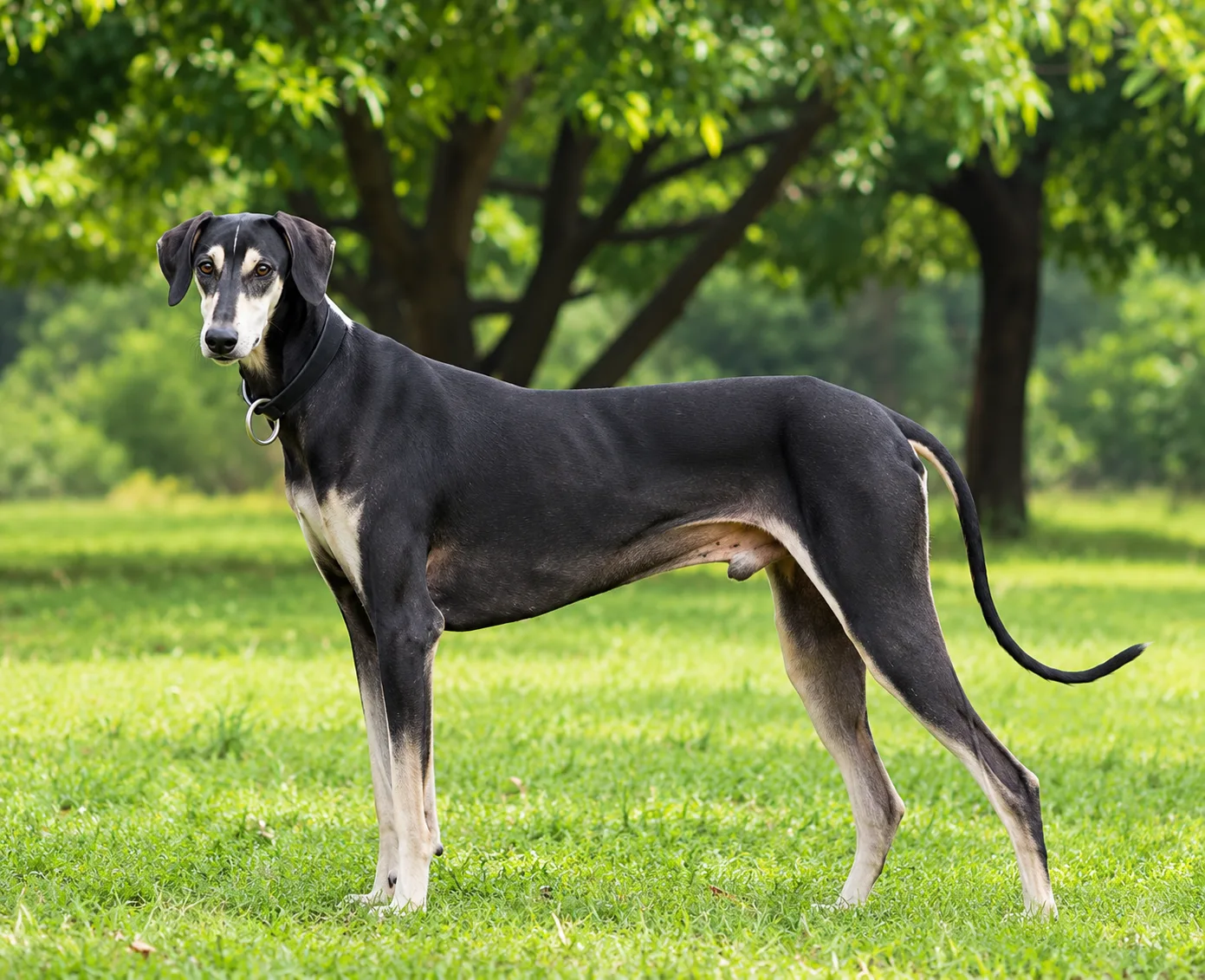
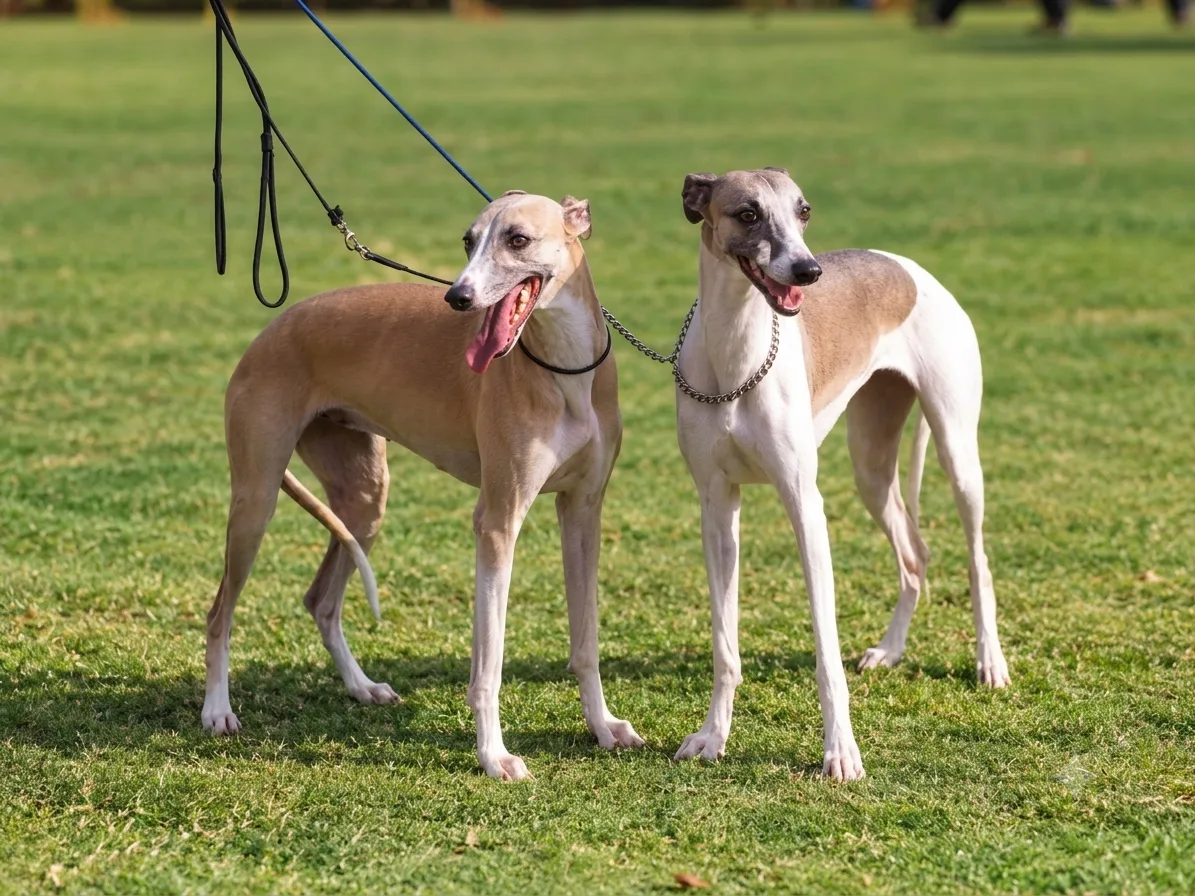
The Chippiparai is a lean, fast sighthound that's been part of Tamil Nadu's rural life for generations. Built for speed and precision, this breed carries itself with a quiet dignity that's earned it deep respect among the hunting communities who've kept it close for centuries.
Once a Chippiparai bonds with its family, that bond runs deep. They're affectionate and devoted at home, often forming a particularly strong attachment to one person, while remaining polite but distant with anyone they don't know well.
The breed takes its name from the Chippiparai region near Virudhunagar and Dindigul in Tamil Nadu, where it was developed and kept by local hunting communities and, historically, Tamil royal households. It's considered one of South India's oldest native sighthound types.
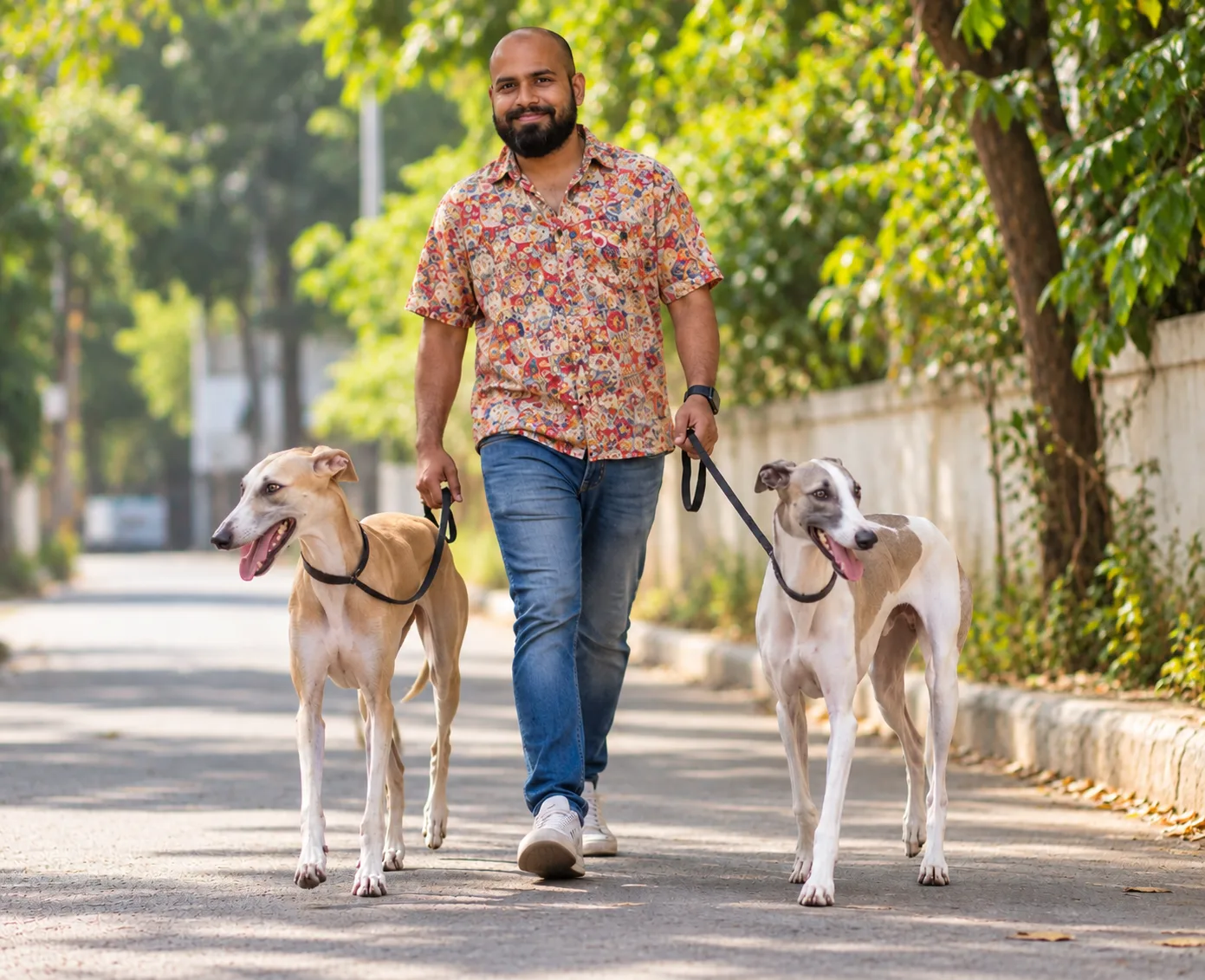
1. A Loyal Family Companion
Once a Chippiparai bonds with its family, that bond runs deep. They're affectionate and devoted at home, often forming a particularly strong attachment to one person, while remaining polite but distant with anyone they don't know well.
Is the Chippiparai Right for You?
Ideal Home / Owner
The Chippiparai thrives with an owner who understands sighthounds and can offer secure outdoor space to run safely. A rural or semi-rural home, or one with easy access to a securely fenced area, suits this breed far better than a small city apartment.
Care Tips
- Provide a securely fenced yard or leash-only walks given the breed's speed and prey drive
- Offer daily vigorous exercise, ideally with a safe space to sprint
- Socialise early and often to soften natural wariness of strangers
- Keep grooming simple with weekly brushing and occasional baths
- Feed a lean, protein-rich diet in measured portions
- Respect their independent streak; keep training sessions short, positive, and engaging
Chippiparai History
The Chippiparai's story begins in the dry, scrub-covered plains around Virudhunagar and Dindigul in Tamil Nadu, where the breed takes its name from the small town of Chippiparai. For generations, local hunting communities relied on these dogs for their speed and sharp eyesight, using them to course hare, wild boar, and deer across open country in a style of hunting that demanded both explosive speed and the discipline to work closely with a handler.
Unlike breeds developed through formal kennel programs, the Chippiparai took shape through generations of practical selection. Hunters bred for dogs that could run down fast game and hold their own against a cornered boar, favouring lean, muscular bodies and an instinct for reading the terrain. Tamil royal families and landowning households are also said to have kept and prized these dogs, which helped preserve distinct bloodlines in certain regions even as the breed remained largely a working dog of rural Tamil Nadu rather than a show animal.
What makes the Chippiparai distinct from other Indian sighthounds is its build, generally more compact and heavily muscled than the rangier Mudhol Hound or Rajapalayam, suited to quick bursts of speed over shorter distances rather than sustained long-distance chases. This physical difference reflects the specific game and terrain the breed was shaped around, a reminder that India's native sighthounds aren't a single type but several distinct regional breeds, each refined for its own local hunting conditions.
Today, the Chippiparai is recognised as one of Tamil Nadu's indigenous dog breeds and has drawn growing interest from breed enthusiasts and conservation groups working to document and protect India's native dogs. As awareness of native breeds has grown across the country, more people are choosing Chippiparais over imported breeds, valuing their heritage, hardiness, and suitability to the Indian climate. They remain relatively rare outside their home region, but that's slowly changing as their reputation as a capable, loyal companion spreads.
Diet
As a lean, high-energy sighthound, the Chippiparai does best on a protein-rich diet that supports its muscle tone and stamina without adding unnecessary bulk. Portion control matters since these dogs can be prone to weight swings if overfed or underexercised.
1. Feed a protein-forward diet
Feed a high-quality, protein-forward diet suited to an active, lean-bodied breed, split into two servings a day to support steady energy levels.
2. Avoid overfeeding
Chippiparais should retain a visible waist and light tuck-up. Provide fresh water at all times, especially after exercise in warm weather.
Swift and Watchful
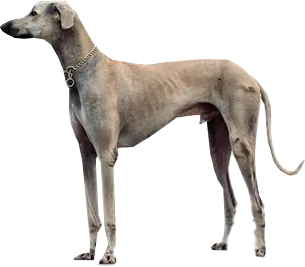
The Chippiparai carries an old hunter's instincts in a compact, elegant frame. It's calm indoors but switches on instantly at the sight of movement, a trait bred into it over centuries of coursing hare and wild game across open Tamil Nadu terrain.
Training
Chippiparais are intelligent but independent-minded, a combination typical of sighthounds bred to make split-second decisions on their own during a hunt. Training works best when it's kept positive, consistent, and doesn't rely on repetition alone to hold their interest.
1. Start Early Socialisation
Early exposure to different people, sounds, and situations makes a real difference with this breed, since their natural wariness of strangers can tip into excessive shyness or defensiveness without it. Puppyhood is the best window to build that confidence.
Grooming
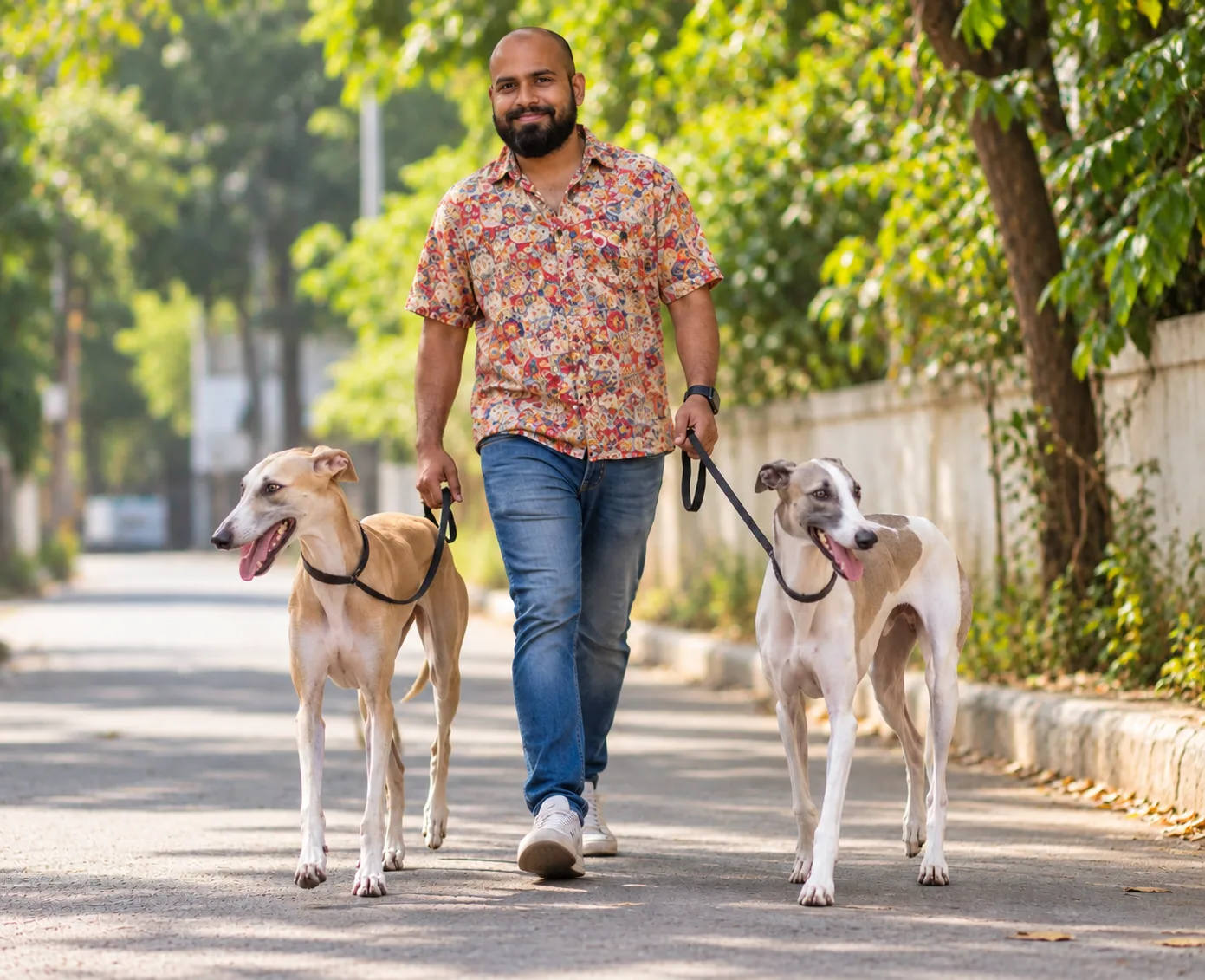
The Chippiparai's short, smooth coat is refreshingly low maintenance, needing little more than a quick brush and the occasional bath to stay clean and glossy.
1. Weekly Wipe-Downs
A soft cloth or grooming mitt once a week keeps the coat shining and helps you spot any ticks, cuts, or skin issues early, especially important for a breed that loves to run through fields and scrub.
Health
As a native landrace breed shaped by natural selection rather than closed-registry breeding for appearance, the Chippiparai is generally hardy and free of the exaggerated-feature health problems seen in many Western breeds. That said, responsible breeding and regular vet checks remain important.
1. Watch the Joints During Growth
Because Chippiparais are fast, athletic dogs, avoid intense running or jumping until they're fully grown to protect developing joints, then let them build up exercise gradually.