Rampur Greyhound
 Uttar Pradesh
Breed Traits
About
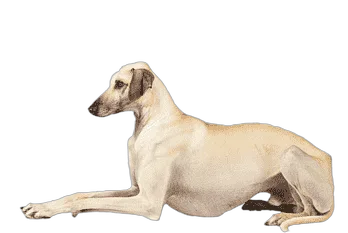
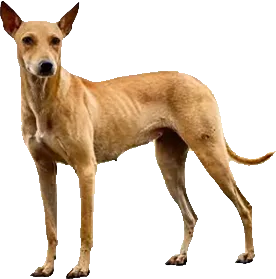
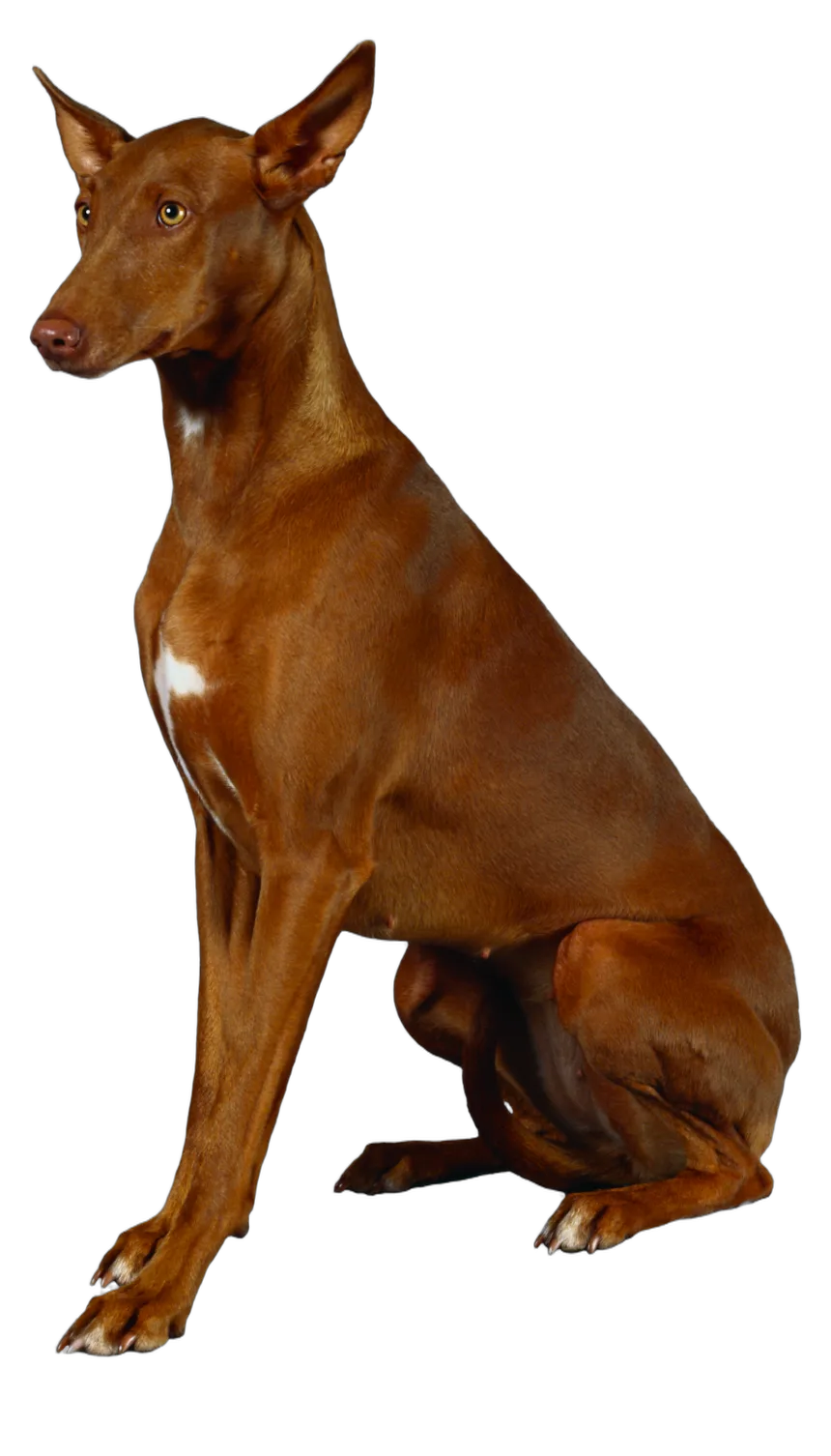
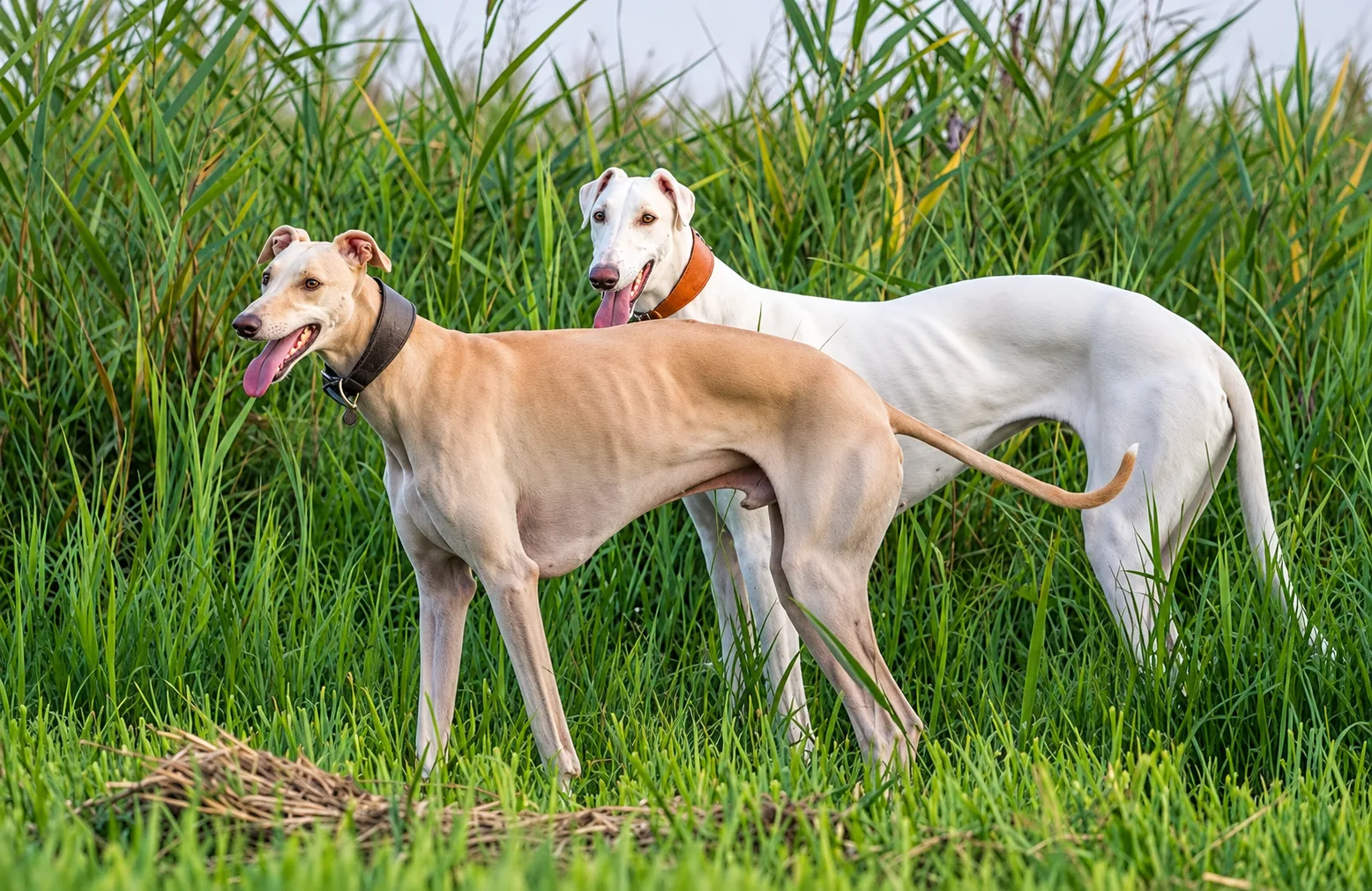
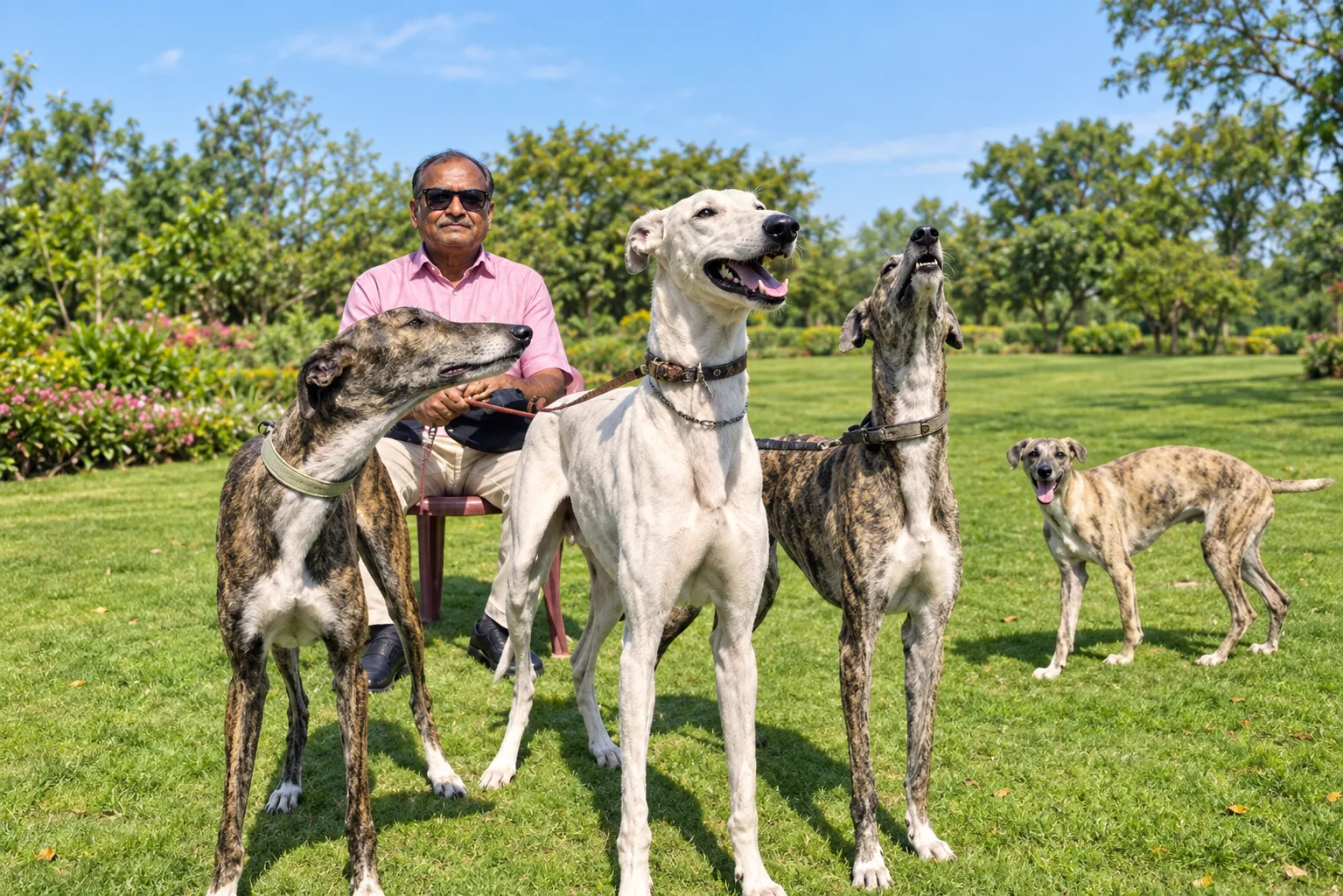
The Rampur Greyhound is a powerfully built sighthound developed under the patronage of the Nawabs of Rampur, combining Central Asian and English Greyhound bloodlines into a breed built for exceptional speed and hunting ability. Today it's a rare and treasured piece of Uttar Pradesh's royal history.
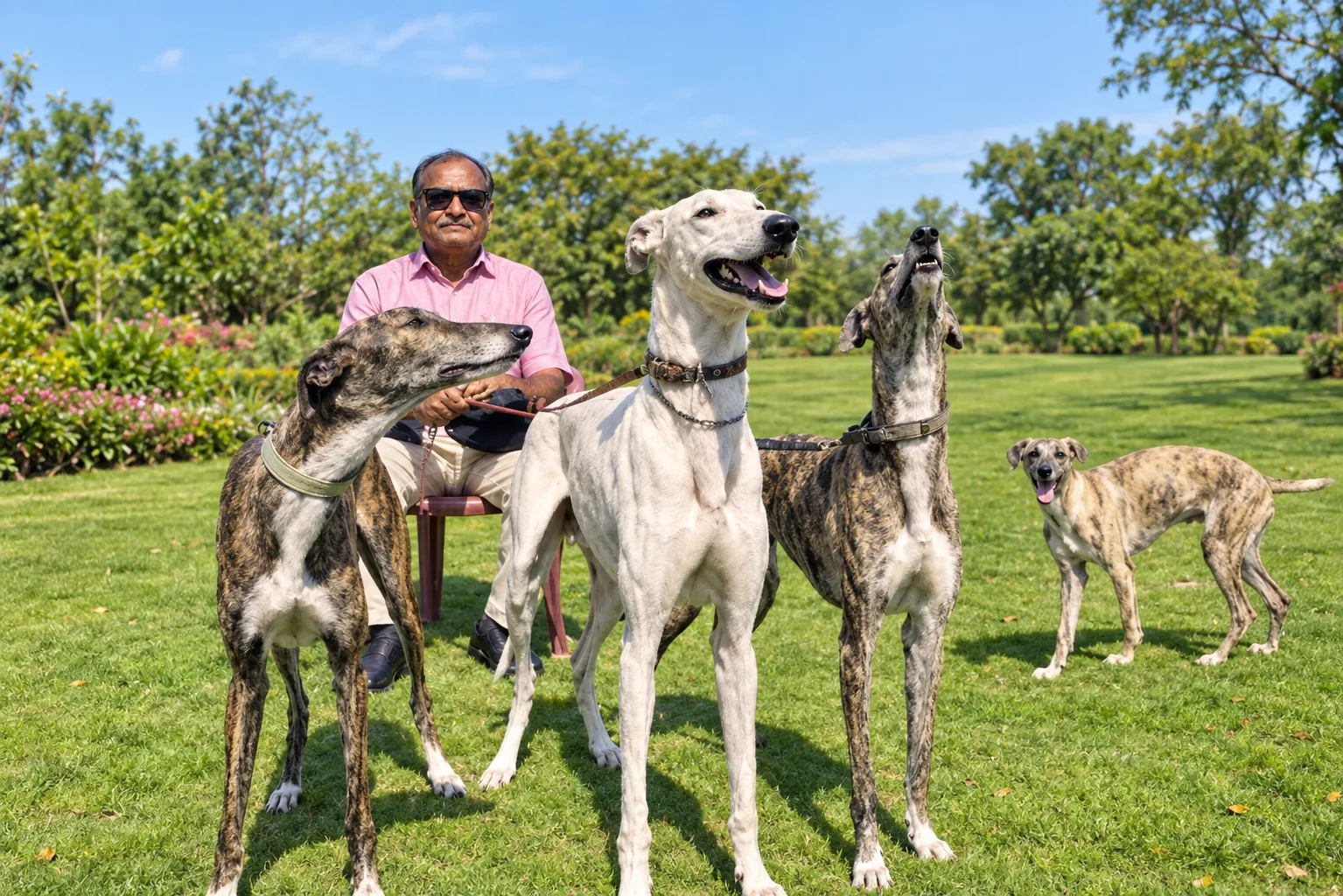
Rampur Greyhounds form fiercely loyal bonds with their families, often described as gentle and affectionate at home despite their imposing hunting heritage. They remain aloof and watchful with strangers, true to their sighthound roots.
This breed was developed in the Rampur region of Uttar Pradesh under the patronage of the Nawabs of Rampur, who are credited with refining the breed by combining local sighthound bloodlines with imported English Greyhounds.
1. A Loyal Family Companion
Rampur Greyhounds form fiercely loyal bonds with their families, often described as gentle and affectionate at home despite their imposing hunting heritage. They remain aloof and watchful with strangers, true to their sighthound roots.
Is the Rampur Greyhound Right for You?
Ideal Home / Owner
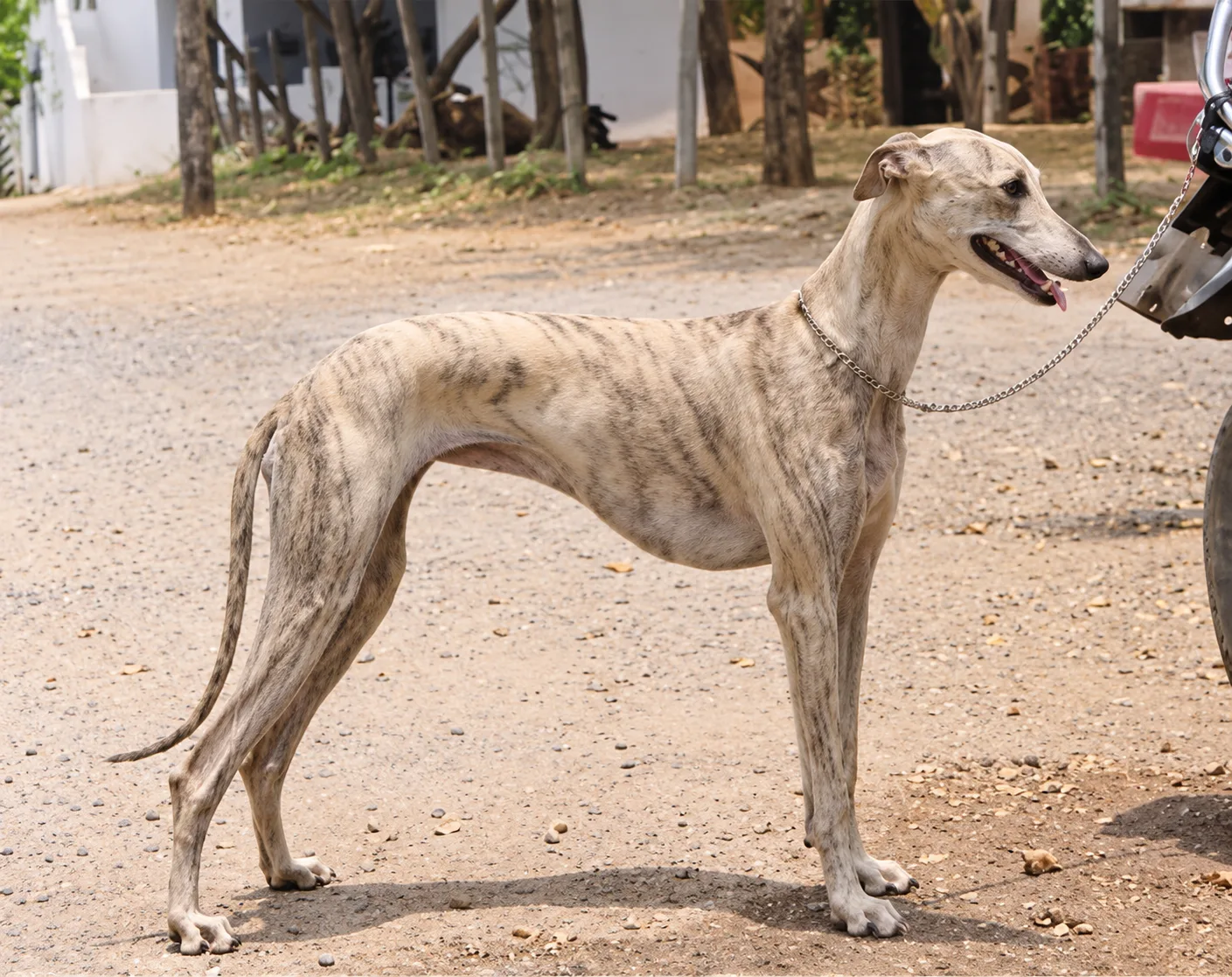
The Rampur Greyhound does best with an experienced owner who can provide secure space for regular high-speed exercise and appreciates a dog that's calm at home but bred for the chase. Given its rarity, prospective owners should also be prepared to support responsible, conservation-minded breeding.
Care Tips
- Provide a securely fenced area or leash-only exercise given its speed and prey drive
- Offer regular vigorous exercise to satisfy its athletic needs
- Socialise early to help ease natural aloofness with strangers
- Keep grooming simple with weekly brushing
- Feed a lean, protein-rich diet in measured portions
- Discuss anaesthesia sensitivity with your vet ahead of any procedures
Rampur Greyhound History
The Rampur Greyhound's story is closely tied to the princely state of Rampur in Uttar Pradesh, where the Nawabs of Rampur took a deliberate interest in developing a superior hunting sighthound. Local legend and breed history credit the Nawabs with combining existing Central Asian sighthound bloodlines, sometimes described as Tazi or Afghan-type dogs, with English Greyhounds imported during the colonial era, aiming to create a dog with even greater speed, strength, and hunting capability.
The result was a breed distinct from both of its ancestors: more muscular and robust than the slender English Greyhound, yet faster and more streamlined than many other native Indian sighthounds. Rampur Greyhounds were prized for hunting jackal, wild boar, and deer, running down game across open terrain with a combination of speed and raw power that made them favourites of the Rampur court and other noble households across northern India.
As princely patronage faded after independence, so did much of the organised breeding that had sustained the Rampur Greyhound's numbers, and the breed's population declined significantly over the following decades. Unlike some other native Indian breeds that remained common in their home regions, the Rampur Greyhound became genuinely rare, surviving mainly through the efforts of a small number of dedicated breeders and enthusiasts committed to keeping the bloodline alive.
Today, the Rampur Greyhound is recognised as one of India's most endangered native dog breeds, and interest in its conservation has grown alongside the broader national movement to celebrate and preserve indigenous Indian breeds. Breed clubs, dedicated owners, and increasing public awareness are working to secure the Rampur Greyhound's future, ensuring that this piece of royal Indian hunting history isn't lost to time.
Diet
As a lean, powerfully muscled sighthound, the Rampur Greyhound needs a protein-rich diet to fuel its athleticism while maintaining the lean build essential to its speed and health.
1. Feed a protein-forward diet
Feed a high-quality, protein-forward diet suited to a lean, muscular sighthound, dividing meals into two servings a day for consistent energy.
2. Monitor body condition
Monitor body condition closely to maintain an athletic, lean physique, and provide fresh water at all times, especially after exercise.
Royal Speed, Quiet Devotion
The Rampur Greyhound carries a regal bearing that reflects its origins in the courts of the Nawabs, combined with the raw athleticism of a dedicated hunting sighthound. At home, this translates into a calm, devoted companion that reserves its intensity for the chase.
Training
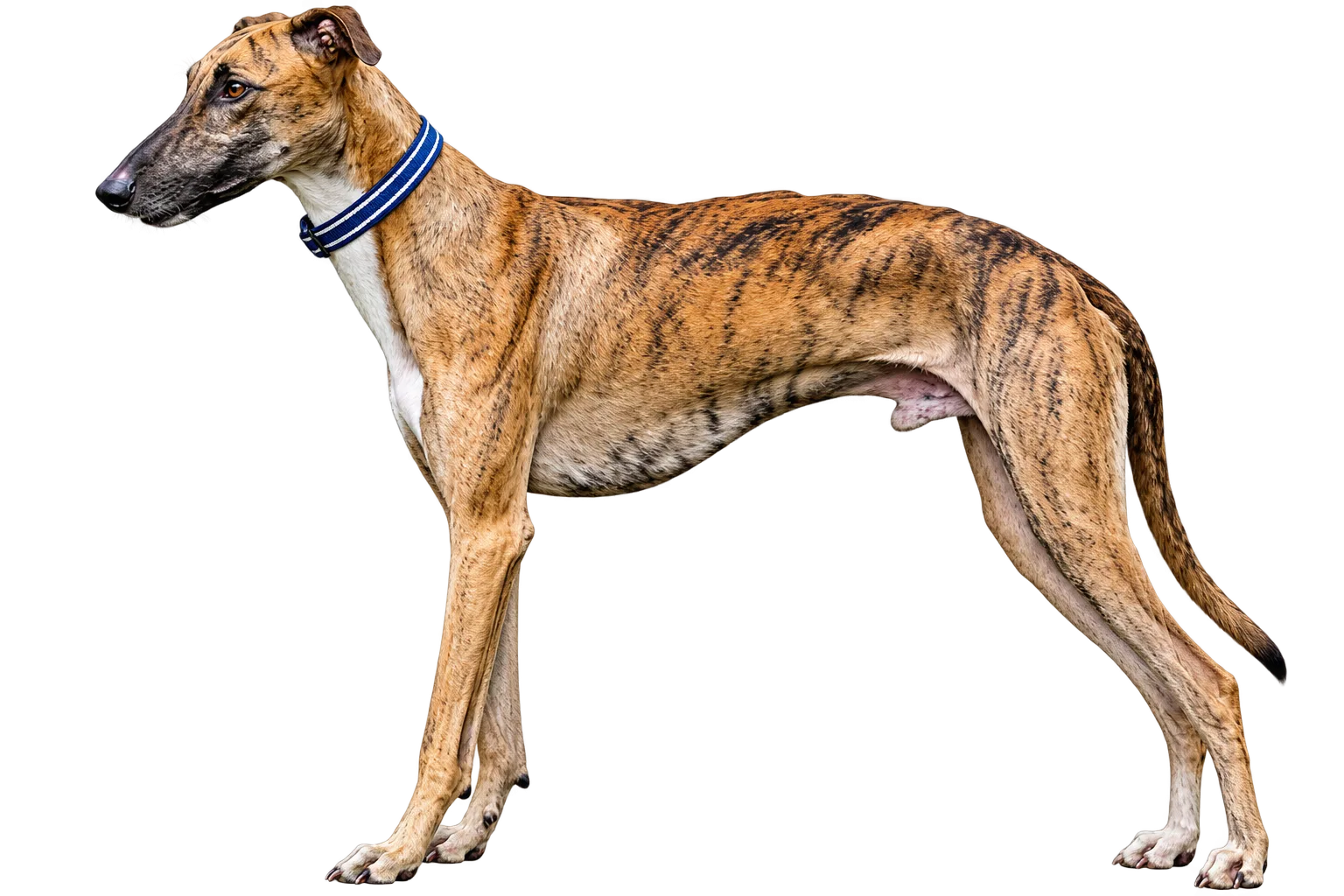
Rampur Greyhounds are intelligent but independent, a common trait among sighthounds bred to hunt by sight and instinct rather than by following constant direction. Consistent, patient training works far better than repetition-heavy methods.
1. Start Early Socialisation
Early socialisation helps a Rampur Greyhound grow into a confident, well-rounded adult, softening its natural aloofness toward strangers and helping it feel comfortable in a variety of situations.
Grooming
The Rampur Greyhound's short coat is easy to maintain, needing only light, regular grooming to stay in good condition.
1. Weekly Brush and Coat Check
A weekly brush keeps the coat glossy and gives you a chance to check for cuts or ticks, particularly useful given how much ground this breed can cover at speed.
Health
Rampur Greyhounds are generally healthy, though as a rare and endangered native breed, maintaining genetic diversity through responsible breeding is especially important for the breed's long-term future.
1. Be Mindful of Anaesthesia Sensitivity
Like many lean sighthounds, Rampur Greyhounds can be more sensitive to certain anaesthesia drugs, so it's worth discussing this with your vet ahead of any procedure.