Abyssinian
 England
Breed Traits
About
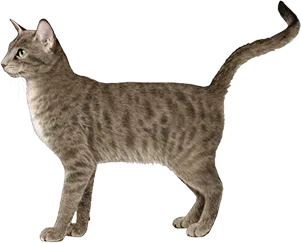
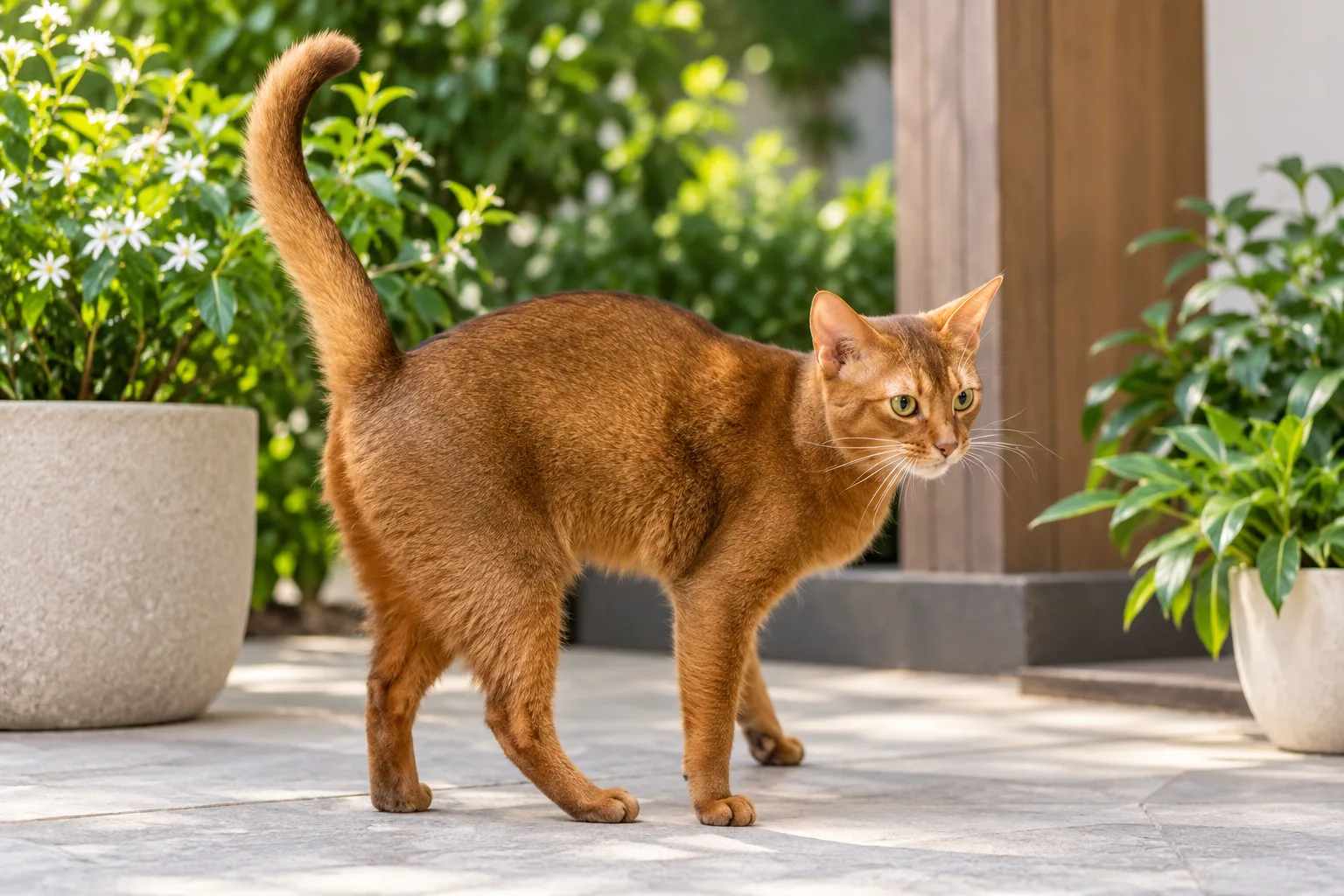
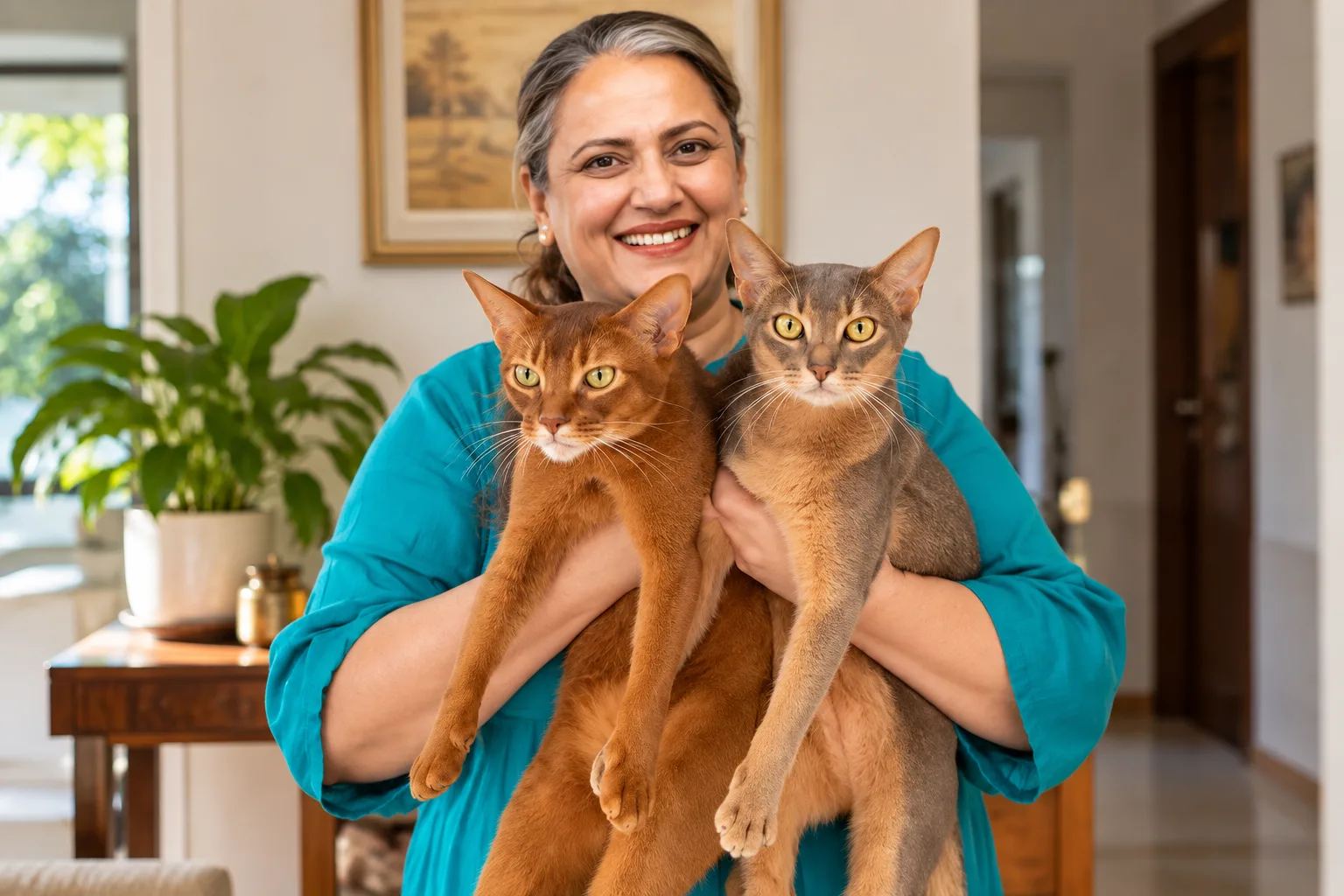
The Abyssinian is a strikingly beautiful cat with a ticked coat like a wild rabbit's, an athletic build, and an endlessly curious mind. It wants to explore, climb, and investigate everything in the house.
Shows love through activity and company rather than lap-sitting, often supervising household tasks from a nearby perch.
Origins are debated, possibly the Indian Ocean coast, but the modern breed was largely developed in England in the 1800s. The name comes from an early, now questioned belief that it came from Abyssinia (Ethiopia).
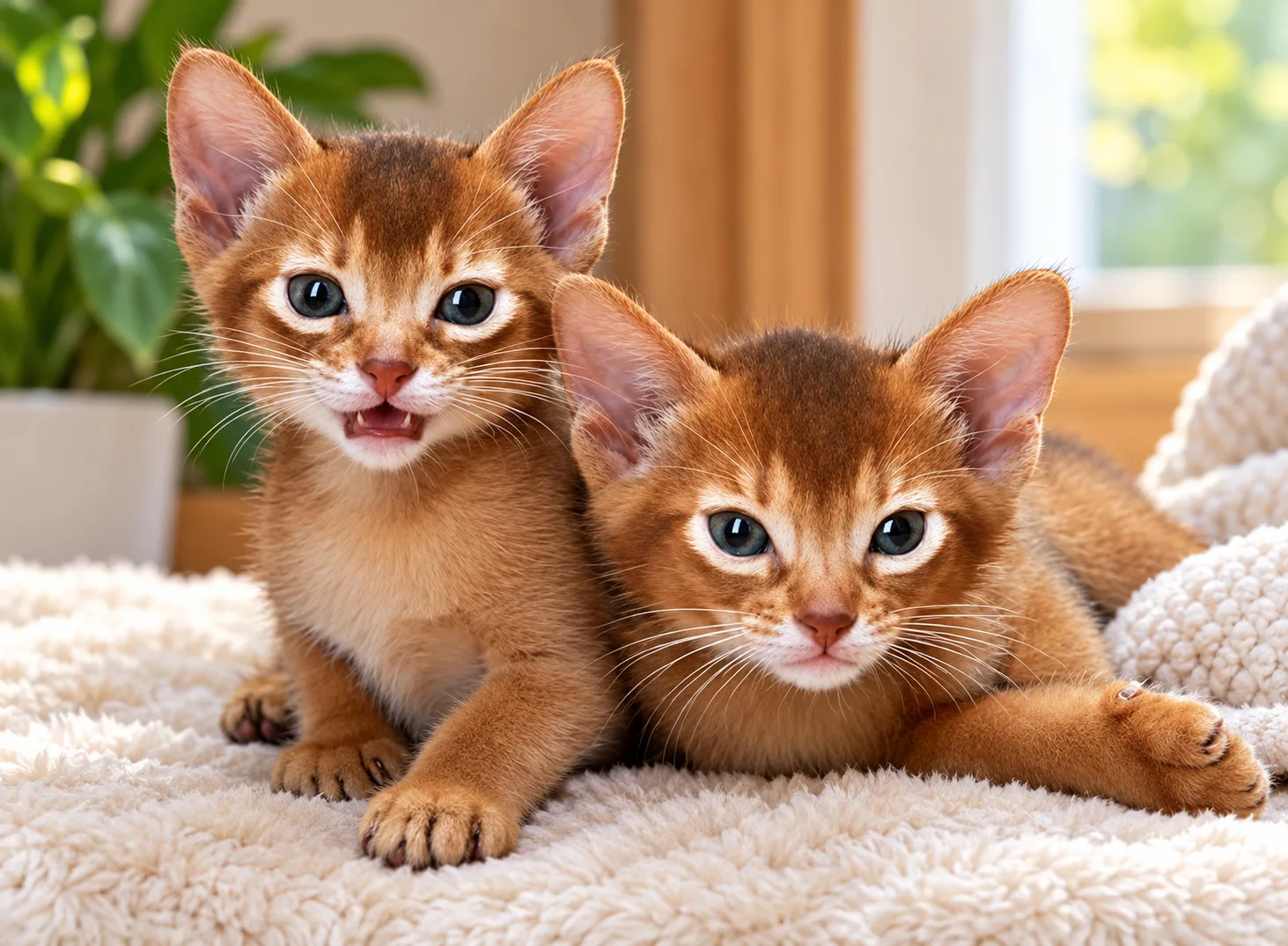
1. A Loyal Family Companion
Shows love through activity and company rather than lap-sitting, often supervising household tasks from a nearby perch.
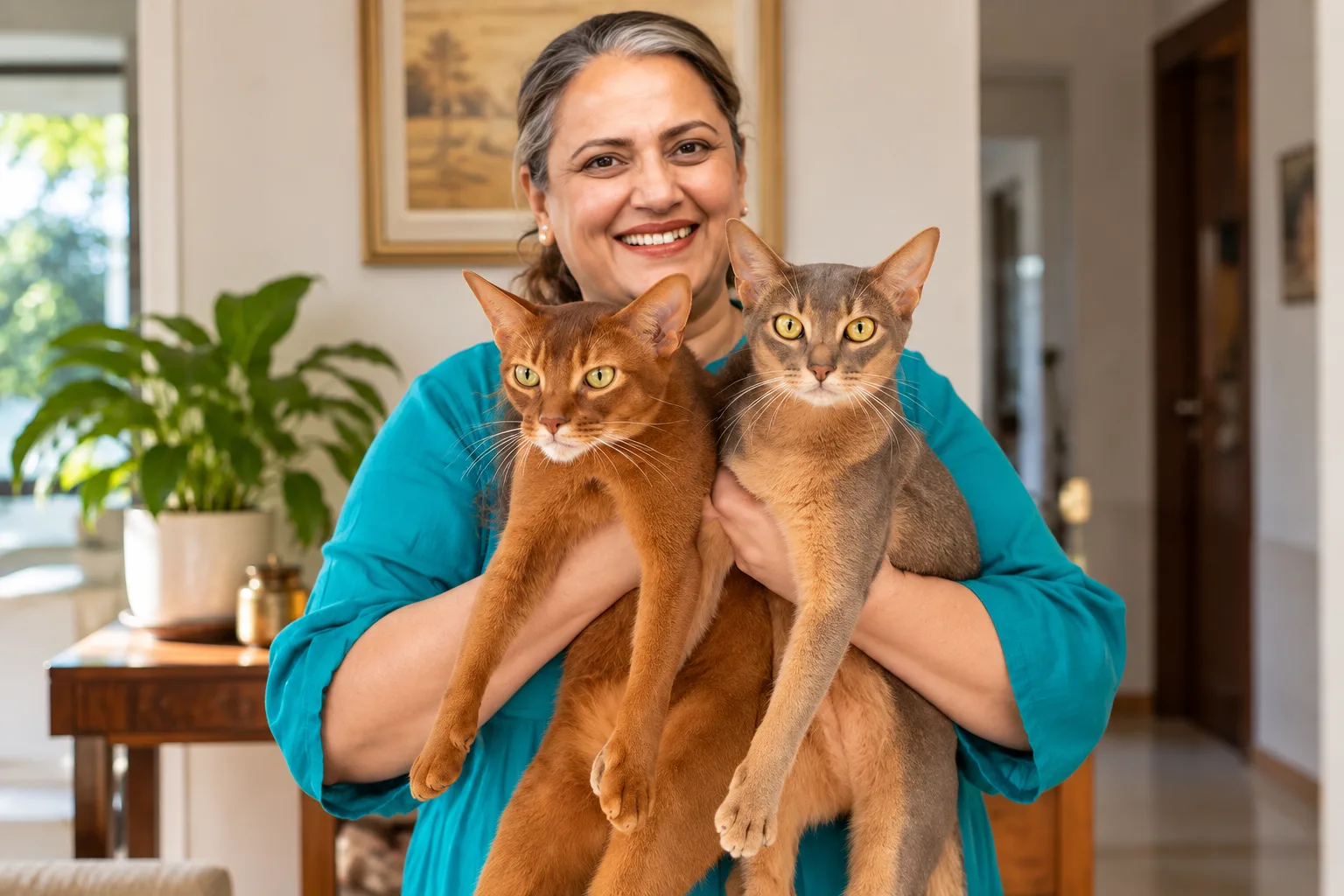
Is the Abyssinian Right for You?
Ideal Home / Owner
Owners who can match its energy with climbing trees, interactive toys, and daily engagement. Not for anyone wanting a quiet lap cat.
Care Tips
- Cat trees and vertical climbing spaces
- Daily interactive play
- Puzzle toys for enrichment
- Regular eye and kidney checkups
- Secure windows and balconies
- Don't leave them bored for long periods
Abyssinian History
Where the Abyssinian really comes from is one of the more debated questions in cat history. The popular story credits a cat named Zula, said to have been brought to England from Abyssinia, modern-day Ethiopia, by a British soldier returning from the Abyssinian War in 1868. For a long time that was simply accepted as the breed's founding tale.
Genetic research has since cast doubt on it, pointing instead to ancestors from coastal regions around the Indian Ocean and Southeast Asia, likely carried to Britain along trade routes. Wherever the first cats actually came from, it was English breeders in the late 1800s who became fascinated by that unusual ticked coat and began shaping these cats into a formal breed.
Early Abyssinians were a bit stockier than today's cats, and it took decades of selective breeding to develop the lithe, athletic build and warm coat colour the breed is known for now. The breed nearly vanished in Britain during the World Wars because of food shortages and disrupted breeding, and much of its survival is owed to breeders in the United States who kept it going through the 20th century.
Today the Abyssinian is celebrated worldwide for its wild-cat look and famously busy, inquisitive personality. It remains one of the most active and intelligent domestic breeds around, a reputation it has earned honestly, whatever the true story of where it first came from.
Diet
High energy calls for a nutrient-dense, protein-rich diet that supports lean muscle.
1. Feed a high-protein diet
Feed a high-protein diet for active cats, split into several small measured meals through the day.
2. Support kidney health
Choose foods that support kidney health and keep fresh water accessible around the home.
Sunbeam Chaser
Adapts well to warm climates and loves basking in the sun. Its short coat means it appreciates a warm spot in winter.
Training
Highly intelligent and food-motivated, one of the more trainable cat breeds, and enjoys learning tricks.
1. Start Early Socialisation
They'll explore no matter what, so early exposure helps that exploring happen safely and confidently.
Grooming
Short, dense coat needs minimal grooming.
1. Quick Weekly Brush
A light weekly brush keeps the coat smooth and shiny.
Health
Generally healthy, but can be prone to progressive retinal atrophy (PRA) and renal amyloidosis. Reputable breeders screen for both.
1. Keep an Eye on Vision
Bumping into furniture or hesitating in dim light can be early signs of PRA.