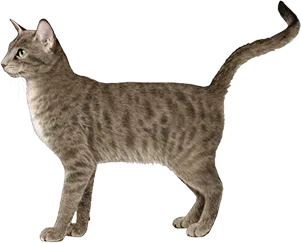
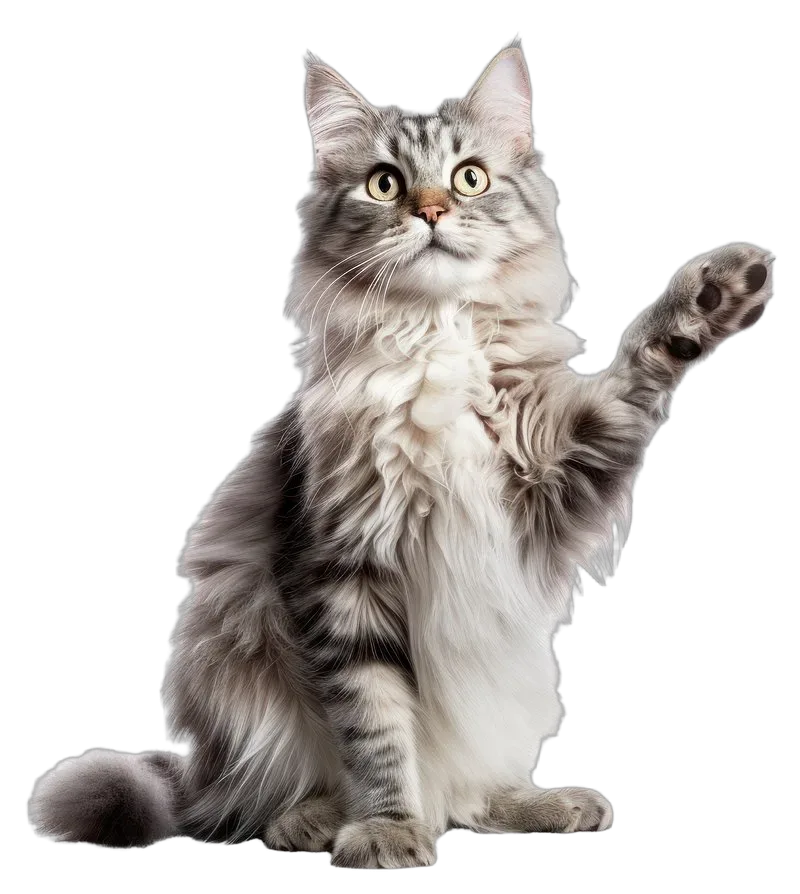
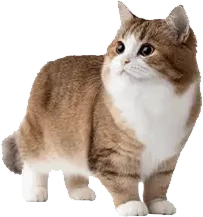
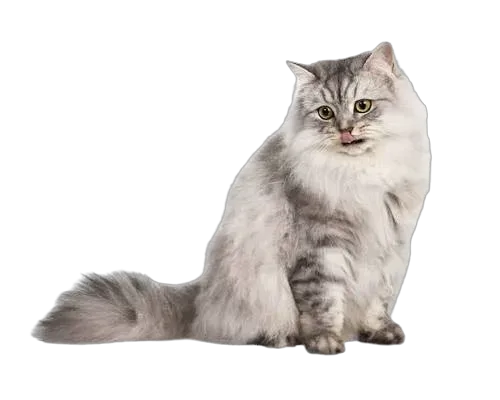
British Shorthair
 England
Breed Traits
About
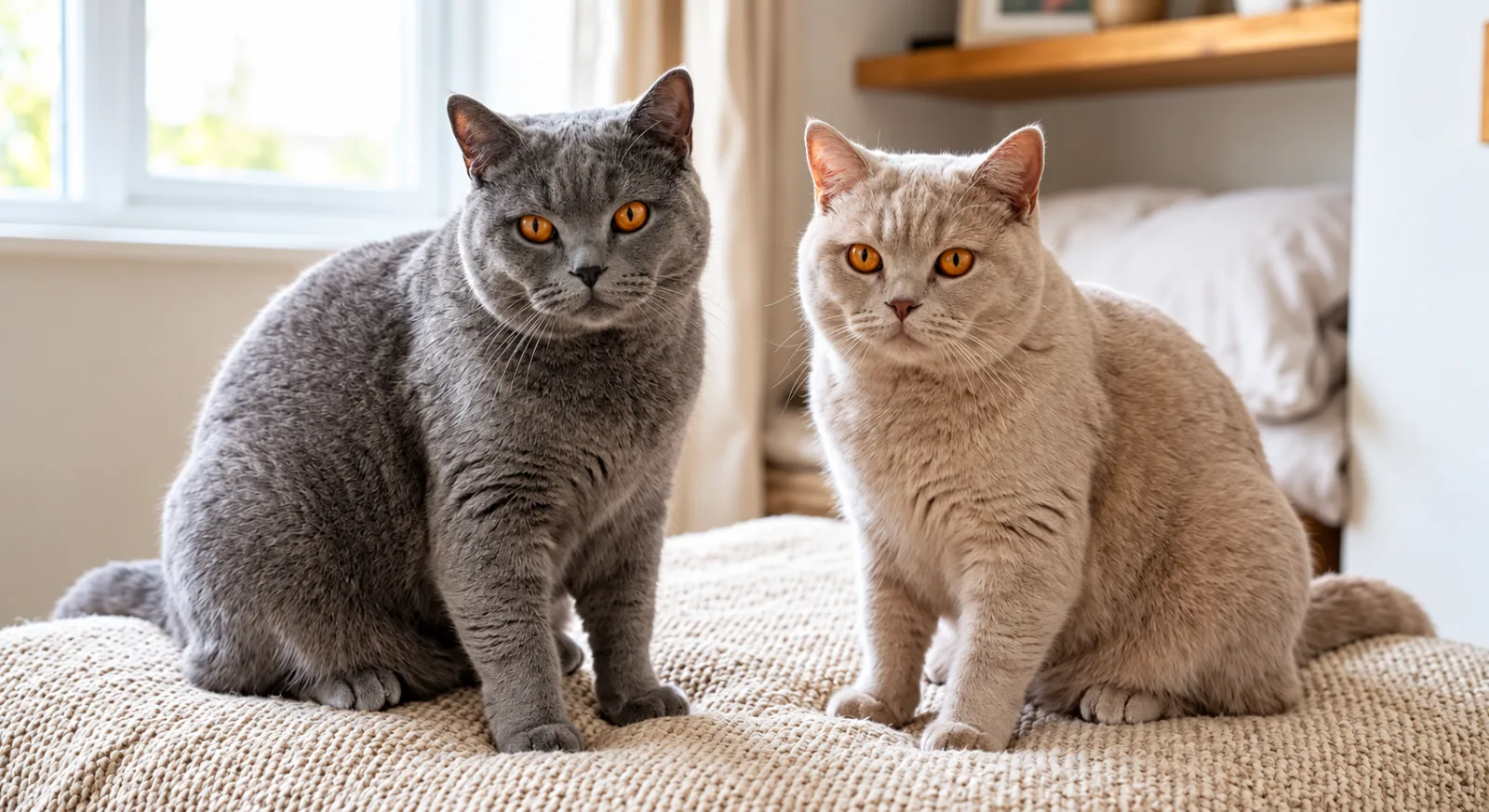
The British Shorthair is the definition of a laid-back companion, a round-faced, plush-coated cat with a calm, steady temperament that suits almost any household. It won't demand constant attention, but it's always happy to sit quietly nearby.
Affectionate in a quiet way, usually choosing to be in the same room rather than in your lap. Patient with children and unbothered by household chaos.
Descends from domestic cats brought to Britain by the Romans nearly 2,000 years ago, later refined in the 19th century. The British Blue remains its most iconic colour.
1. A Loyal Family Companion
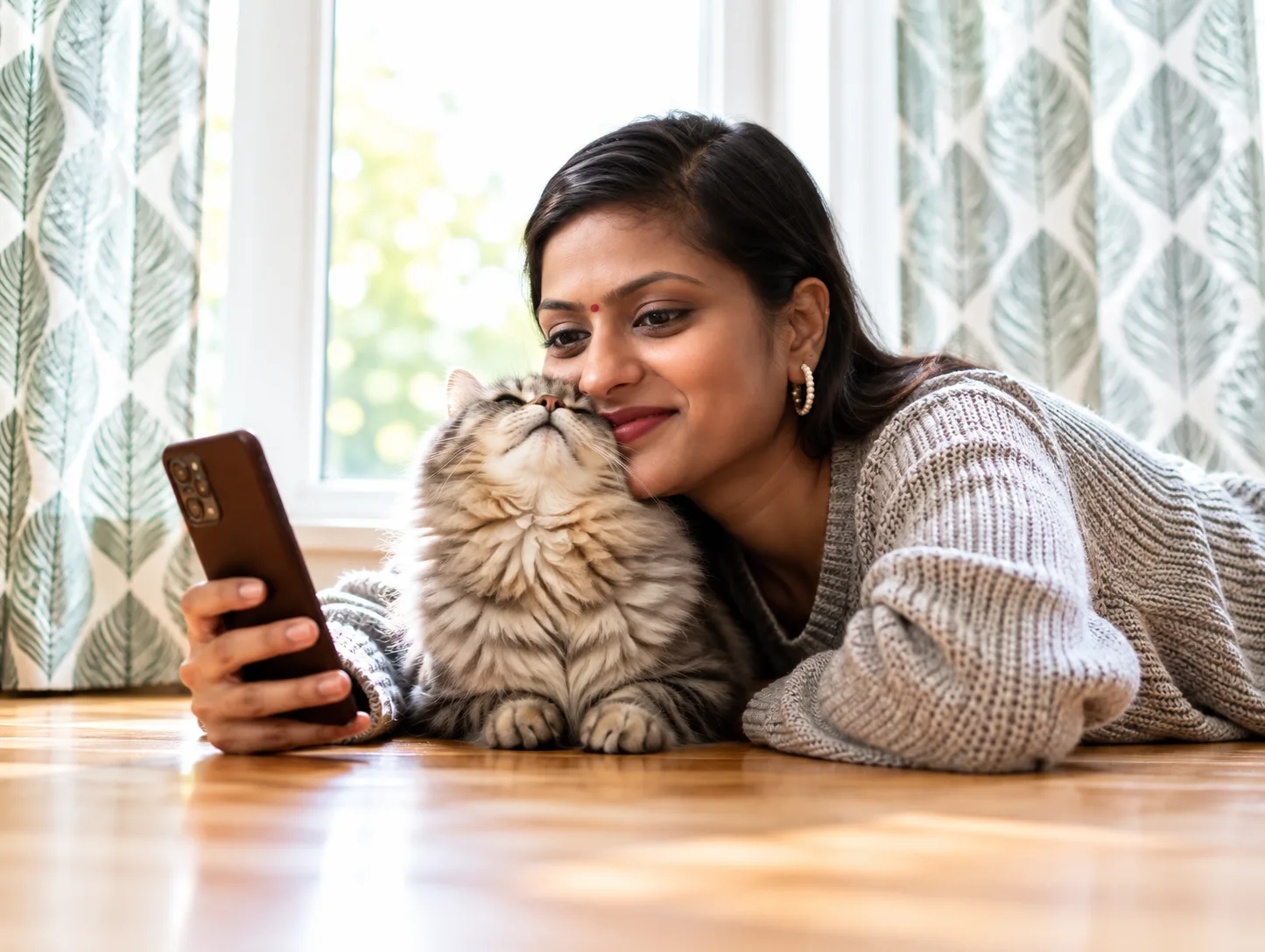
Affectionate in a quiet way, usually choosing to be in the same room rather than in your lap. Patient with children and unbothered by household chaos.
Is the British Shorthair Right for You?
Ideal Home / Owner
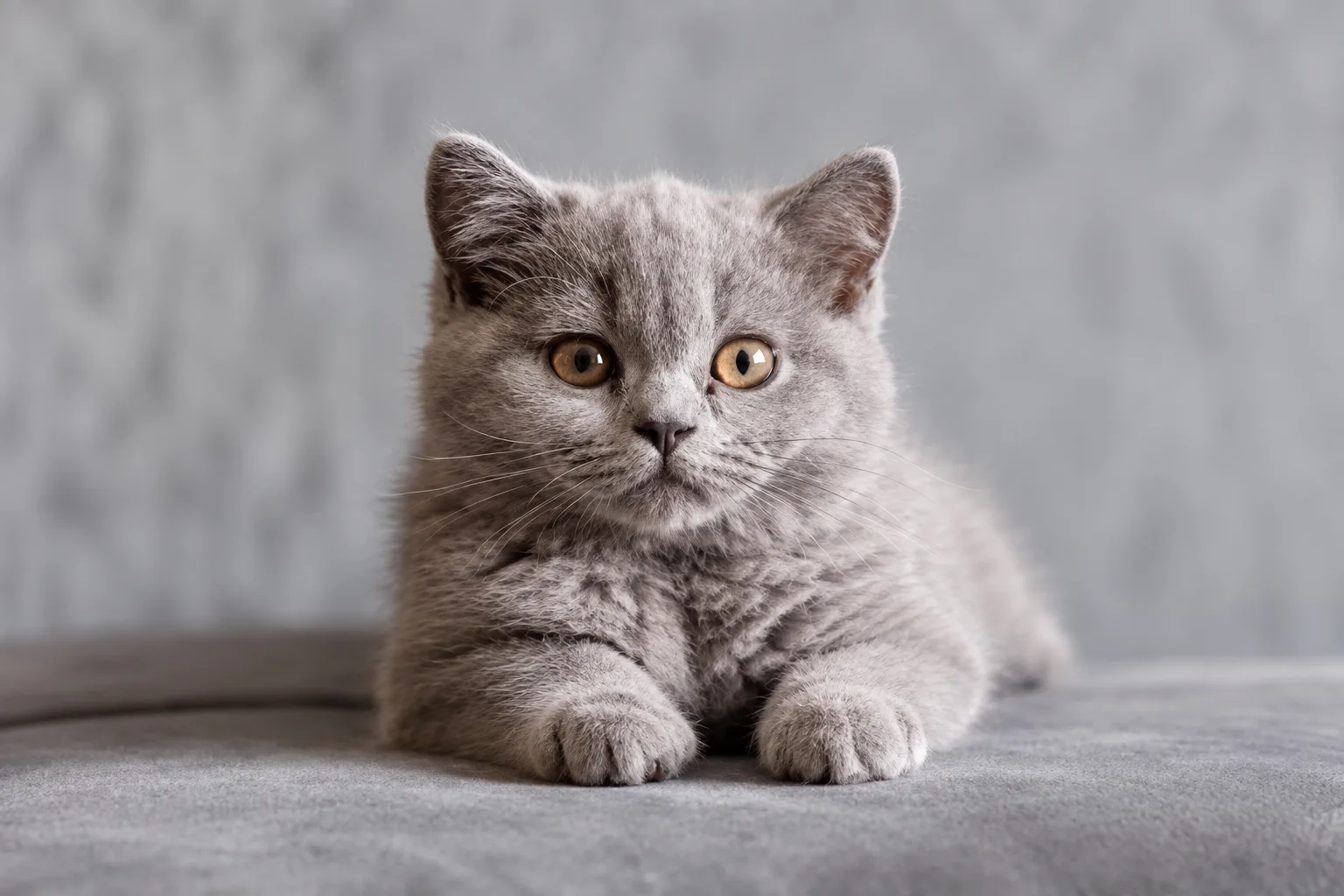
Owners who want a relaxed, affectionate cat without constant demands. Suits apartments, families with kids, and first-time owners equally well.
Care Tips
- Monitor weight, avoid free-feeding
- Brush weekly, more during shedding season
- Light daily play to avoid a sedentary lifestyle
- Regular heart health checkups
- Keep the environment enriched
- Provide a scratching post
British Shorthair History
The British Shorthair's story starts with the Romans, who are believed to have brought domestic cats to Britain around 2,000 years ago to keep rodents in check. Over the centuries these cats mixed with local populations, gradually developing the sturdy, dense-coated build that would eventually define the breed.
For a long time they were simply working cats, valued on farms and in homes for their hunting ability rather than their looks. That changed in the Victorian era, when cat shows became popular in Britain and breeders began taking a serious interest in standardising the type. Harrison Weir, often called the father of the cat fancy, is widely credited with helping establish the British Shorthair as a formal breed in the 1870s.
The breed's numbers dropped sharply during and after the World Wars, when breeding programs were disrupted. To rebuild the population, breeders crossed British Shorthairs with Persians and other breeds, which is part of why the modern British Shorthair has such a noticeably round face and plush coat compared to its leaner ancestors.
By the mid-20th century the breed had recovered and went on to become one of the most popular pedigree cats in the world, instantly recognisable for its round face and calm, slightly amused expression. Today the British Shorthair, especially in its classic blue, is a firm favourite everywhere, including a growing number of Indian homes drawn to its easy, undemanding nature.
Diet
Their calm, low-energy lifestyle makes them prone to weight gain, so portion control matters more with this breed than most.
1. Measure meals carefully
Measure meals carefully and avoid free-feeding, choosing a diet formulated for indoor or less active cats.
2. Limit treats and encourage play
Limit treats and check body condition regularly, and encourage some play to keep their metabolism ticking.
Cool and Composed
Their dense coat handles cooler months well but can struggle in extreme heat. In Indian summers, a cool, shaded indoor space and good ventilation matter.
Training
Intelligent but not especially eager to please, so training needs patience, consistency, and rewards.
1. Start Early Socialisation
Early gentle handling and exposure to other pets prevents wariness later. Once socialised, they stay calm and adaptable for life.
Grooming
The dense, plush coat needs more attention than a typical shorthair, especially during shedding season.
1. Brush Against the Grain
Brush with the fur, then comb against it to lift out loose undercoat.
Health
Generally robust, but prone to obesity if overfed and predisposed to hypertrophic cardiomyopathy (HCM). Routine checkups with cardiac screening are worthwhile.
1. Keep Them Moving
Short daily play sessions help prevent obesity and support heart and joint health.