Munchkin
 United States
Breed Traits
About
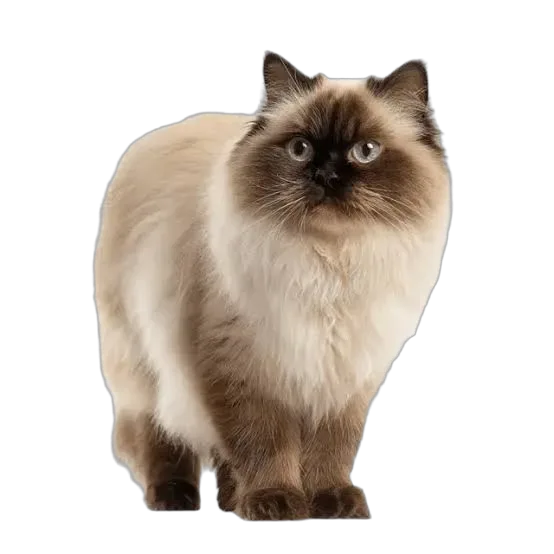
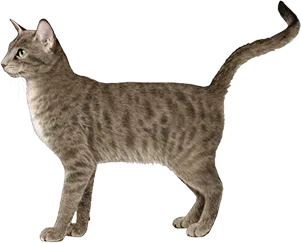
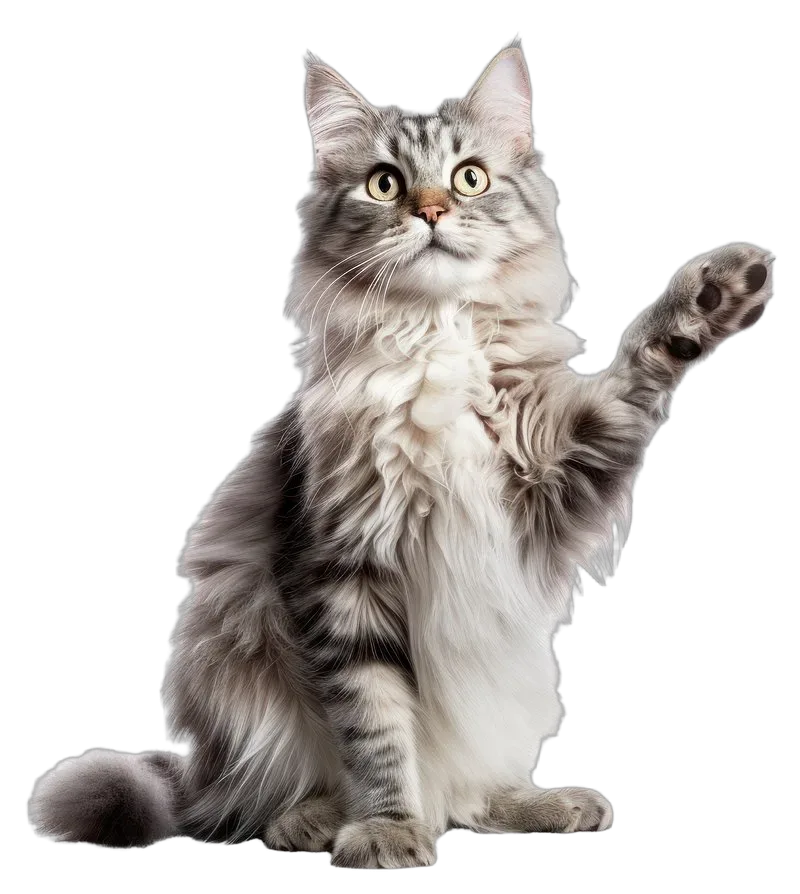
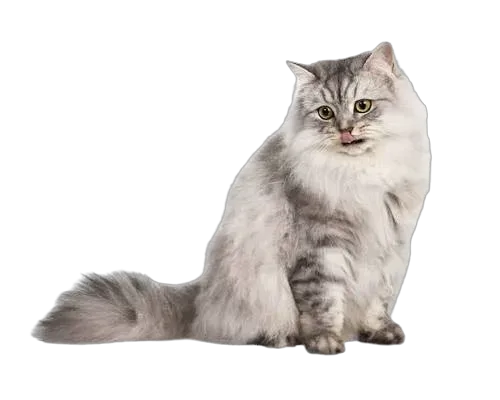
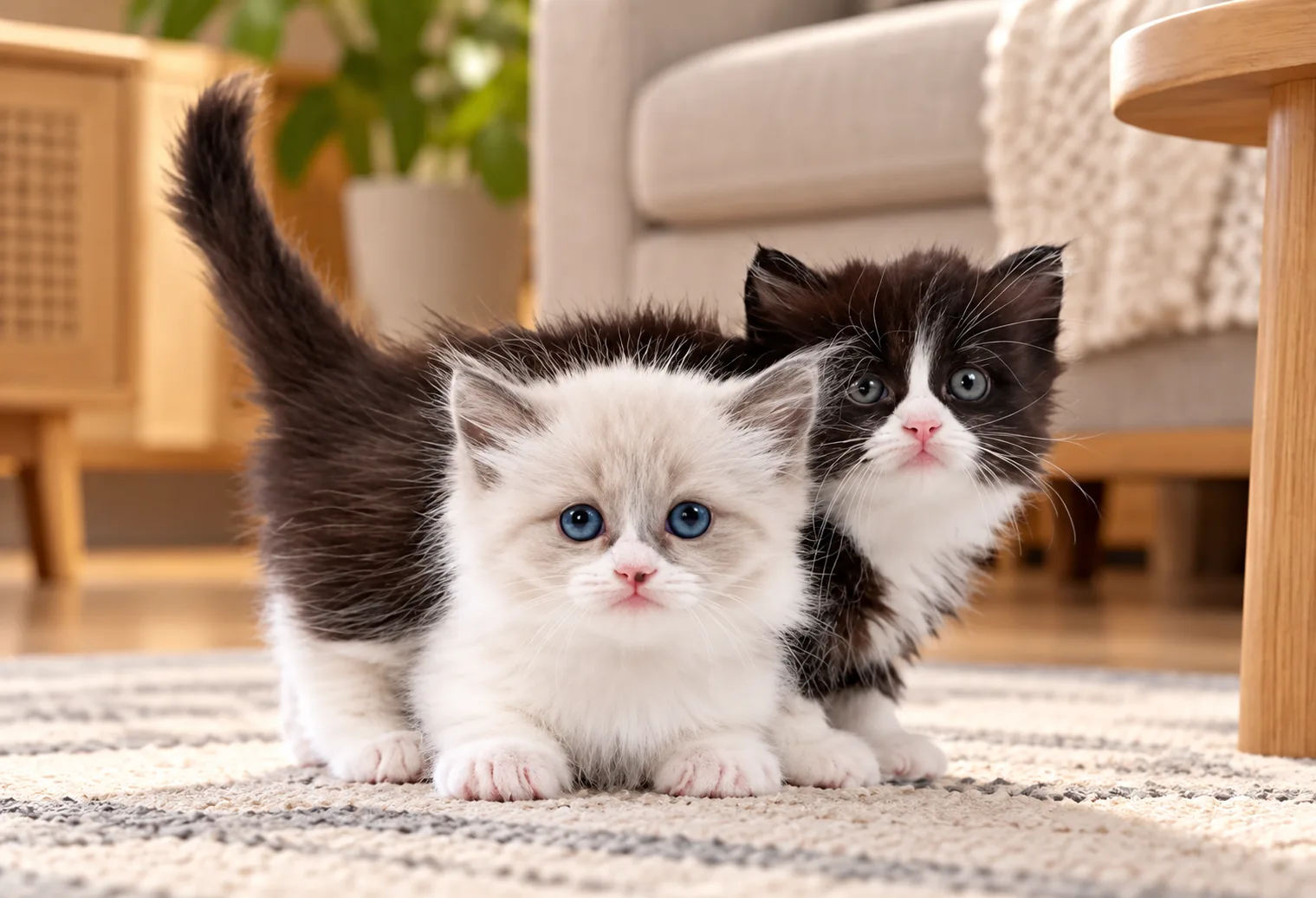
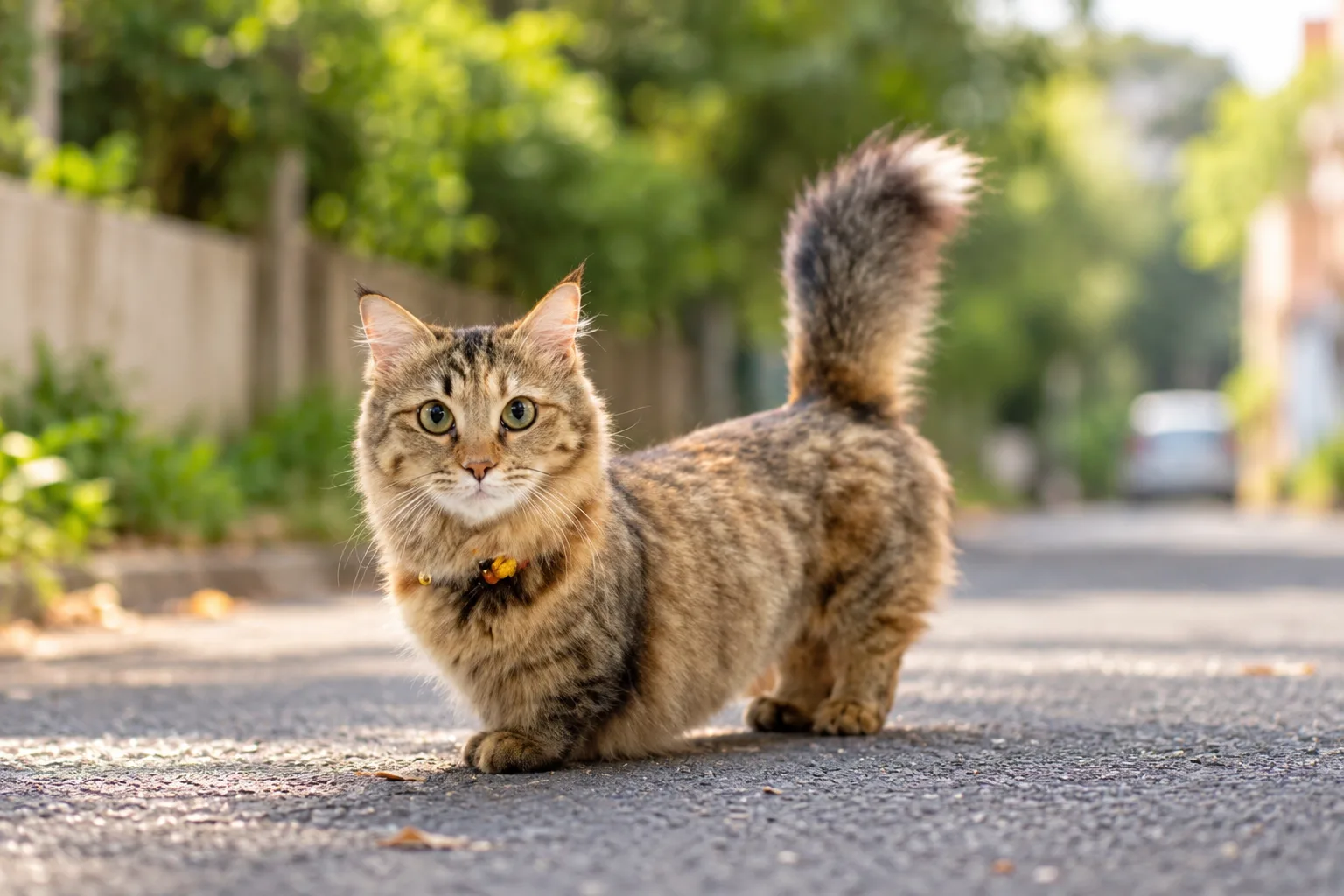
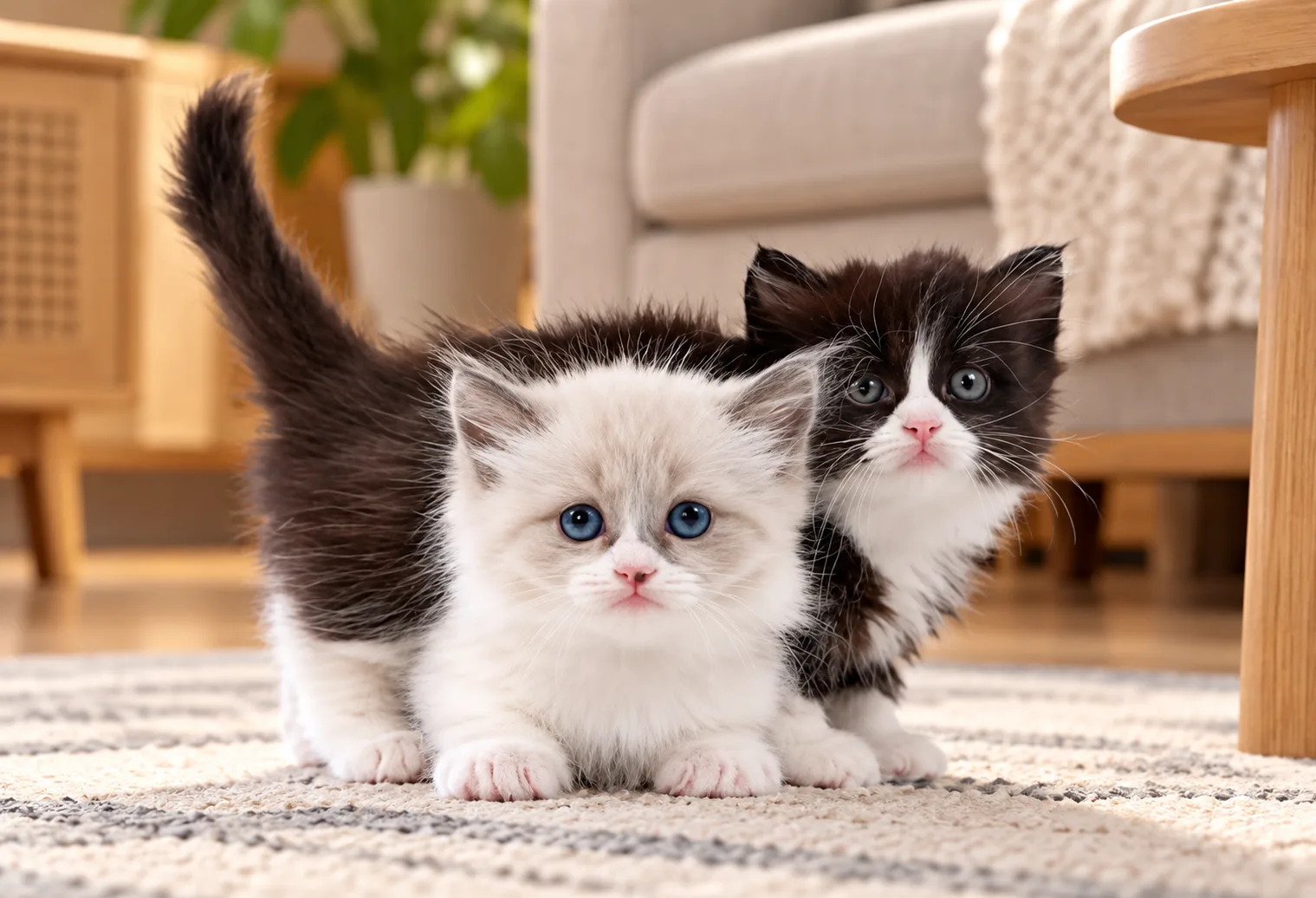
The Munchkin is known for its short legs, the result of a natural genetic mutation, on a normal-sized body and head. It moves with surprising speed and has an outgoing, playful personality often compared to a ferret.
Sociable and affectionate, enjoys being part of family activities, and generally gets along well with children and other pets.
Short-legged cats have appeared naturally for decades, but the Munchkin was formalised as a breed in the United States in the 1990s.
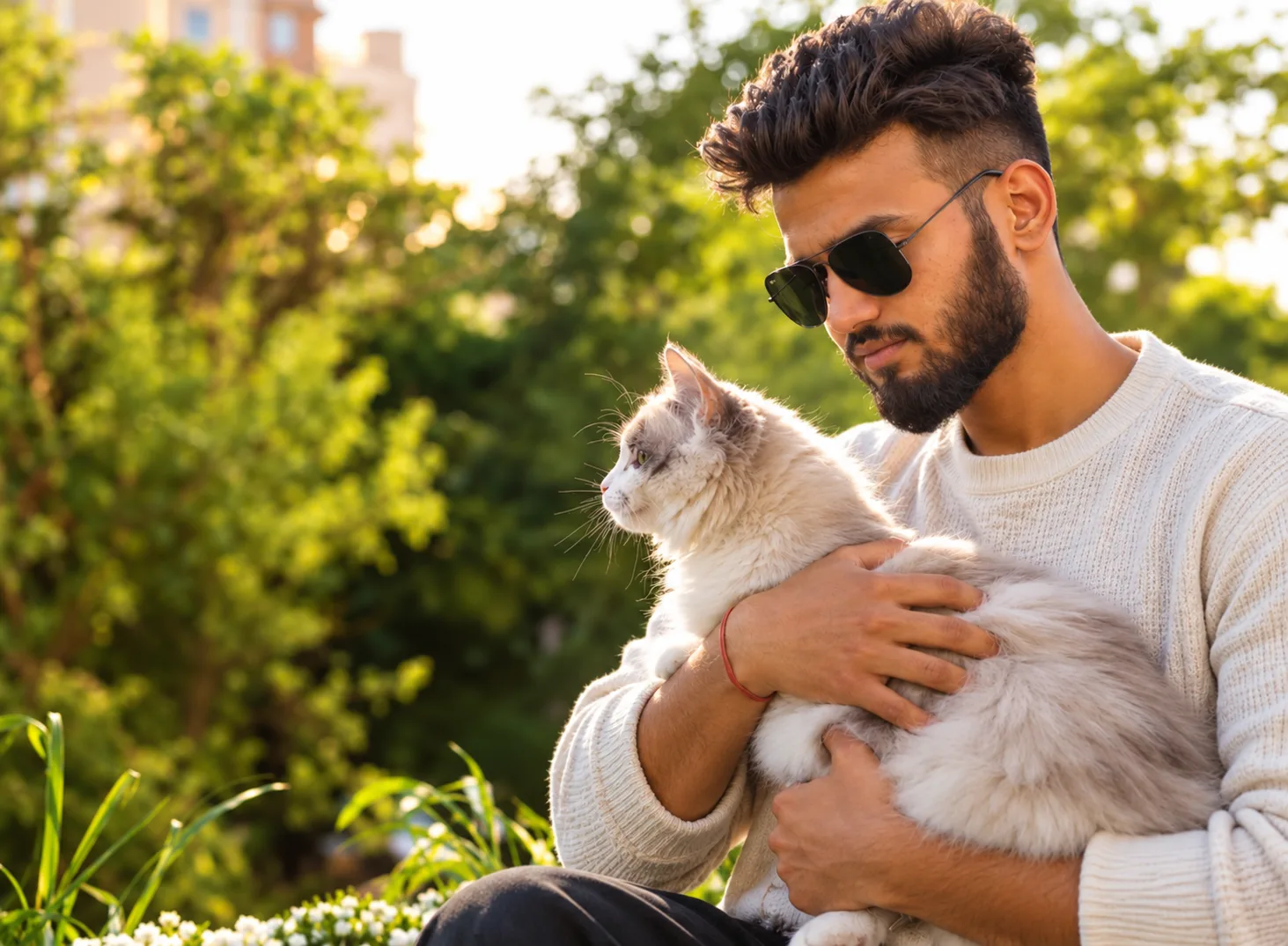
1. A Loyal Family Companion
Sociable and affectionate, enjoys being part of family activities, and generally gets along well with children and other pets.
Is the Munchkin Right for You?
Ideal Home / Owner
Owners drawn to its playful look who will also research responsible breeders and stay attentive to spinal and mobility health.
Care Tips
- Choose breeders who screen for spinal health
- Keep them at a healthy weight
- Low furniture or steps to reach favourite spots
- Watch for mobility discomfort and see a vet promptly
- Regular play
- Handle gently, mindful of their build
Munchkin History
Short-legged cats have popped up naturally in cat populations for a surprisingly long time, with sightings recorded over the decades in Britain, Russia, and the United States. For most of that history they were curiosities rather than a breed, their short legs seen as an unusual but isolated quirk.
That changed in Louisiana in 1983, when a music teacher named Sandra Hochenedel found a pregnant, short-legged stray hiding under a truck. She named the cat Blackberry, and when the kittens arrived, about half had the same short legs. That showed the trait was a dominant mutation that could be passed on reliably, and Blackberry's litter became the foundation of what would grow into a formal breed.
Breeders worked through the late 1980s and early 1990s to establish the Munchkin, and in 1994 it was accepted by The International Cat Association. The decision was controversial then and still is. Welfare advocates and several cat associations, including Britain's GCCF, raised concerns about deliberately breeding for a trait rooted in skeletal dwarfism, worried about its effects on the spine and joints, and declined to recognise the breed.
Despite the debate, the Munchkin has found a devoted following for its charming look and famously playful personality. The ethical conversation hasn't gone away, and responsible breeders today put real emphasis on health screening and avoiding extreme body types. Loving this breed also means staying informed about where it came from and what it needs to thrive.
Diet
Standard feline nutrition, but keeping a healthy weight is especially important given the strain extra weight puts on shorter legs and the spine.
1. Feed measured, balanced meals
Feed a balanced, high-quality diet in measured portions and avoid overfeeding.
2. Support joint and bone health
Choose food that supports joint and bone health, and keep fresh water always available.
Small Legs, Big Energy
Adapts well to Indian indoor climates with no special coat-related sensitivities. Happiest in a comfortable, temperature-stable home.
Training
Playful and food-motivated, so basic training works, though their focus tends to drift toward play.
1. Start Early Socialisation
Early gentle handling builds confidence. Take care with how they're held, given their build and spinal considerations.
Grooming
Shorthairs need little upkeep; longhairs need more frequent brushing.
1. Support Their Reach
Short legs can make some spots harder to self-groom, so help out around the lower back and hindquarters.
Health
The short legs come from a mutation similar to achondroplasia, a form of dwarfism, and this raises real health and ethical questions. Some cats can develop lordosis (spine curvature) or pectus excavatum (sunken chest), and some major cat associations, including the UK's GCCF, don't recognise the breed on welfare grounds.
1. Monitor Mobility Closely
Watch movement and posture, and choose a breeder who screens for spinal issues and avoids extreme short-leg pairings.