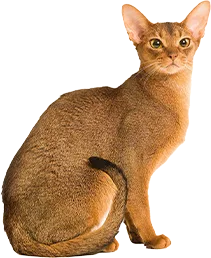
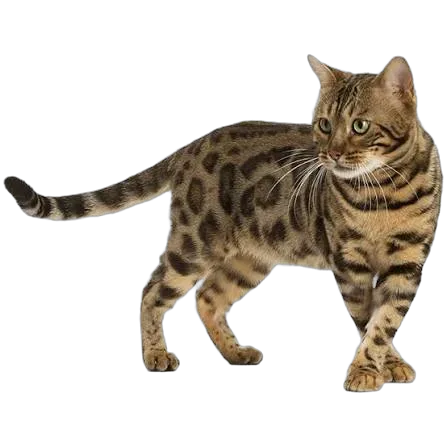
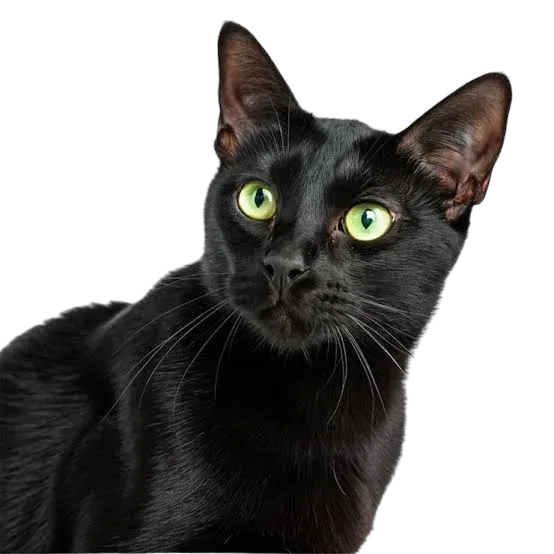
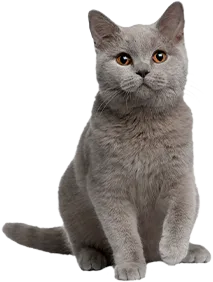
Indian Shorthair
 India
India
Breed Traits
About
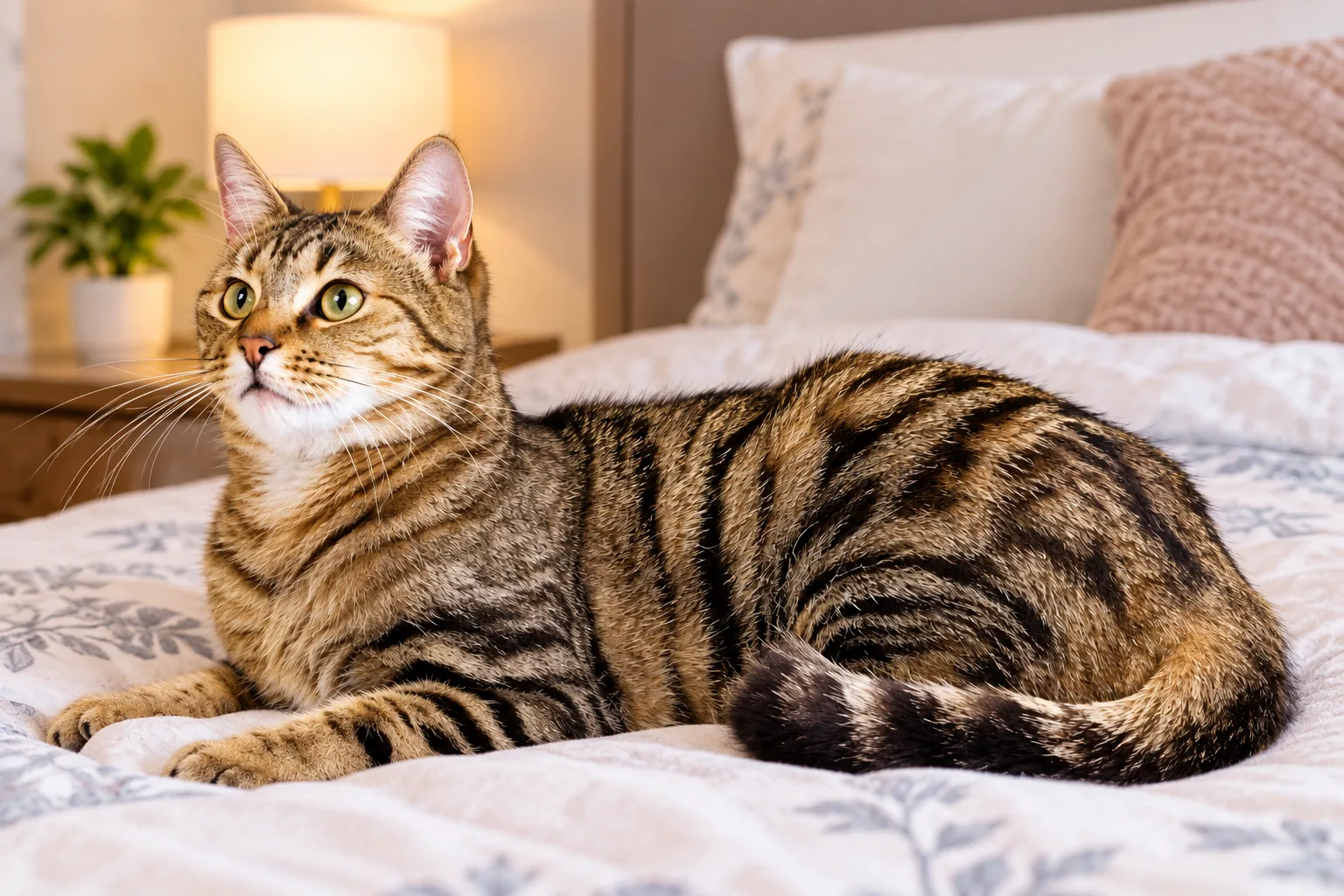
The Indian Shorthair is a naturally evolved cat found across India, shaped by generations of natural selection rather than breeding programs. What it lacks in pedigree papers, it makes up for in resilience, intelligence, and hardiness.
Alert and affectionate, bonds well with family while keeping a streak of independence. Often an excellent hunter and natural problem solver.
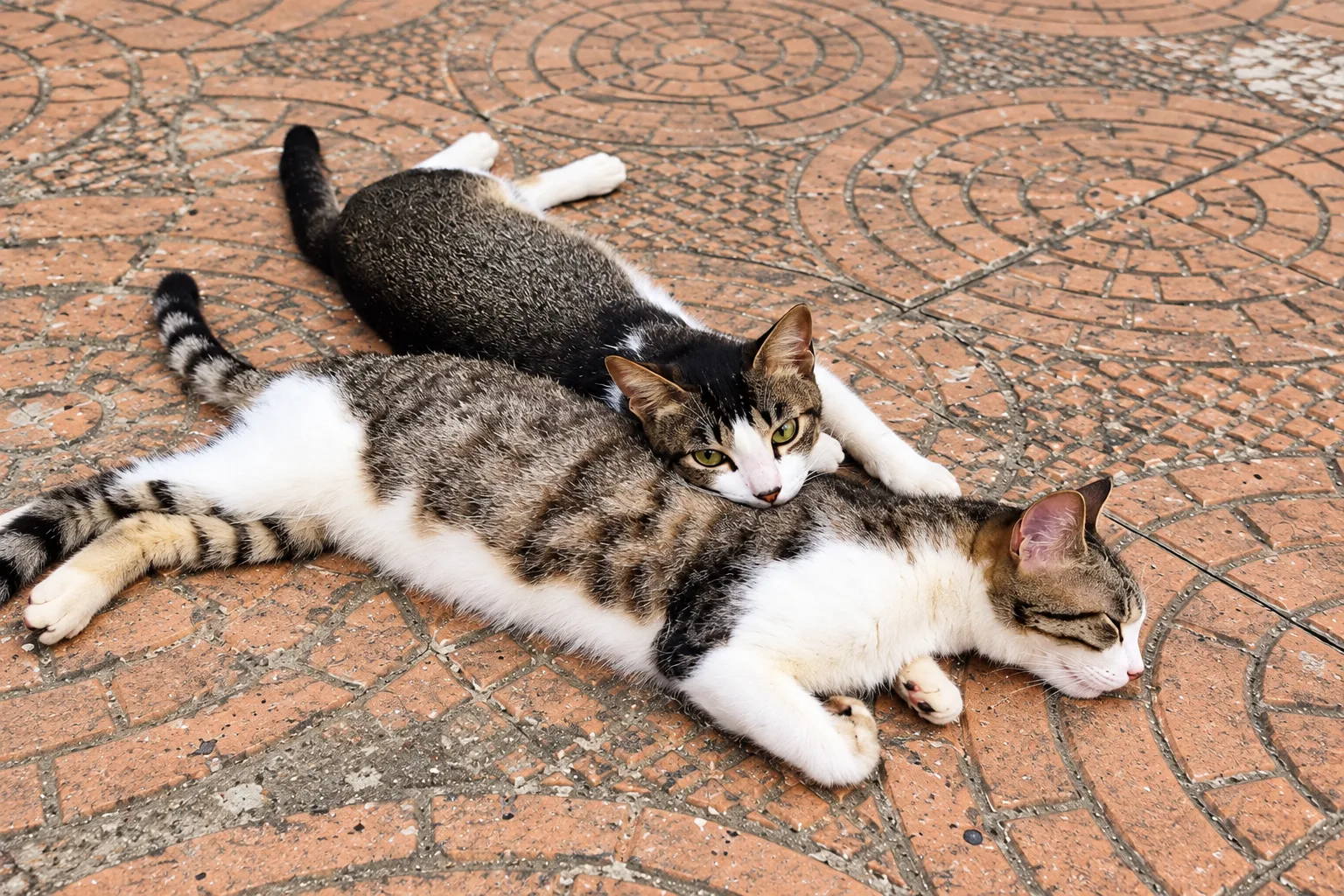
A landrace that developed naturally across India over a long period, found in homes, streets, and farms nationwide, informally recognised as India's own native cat.
1. A Loyal Family Companion
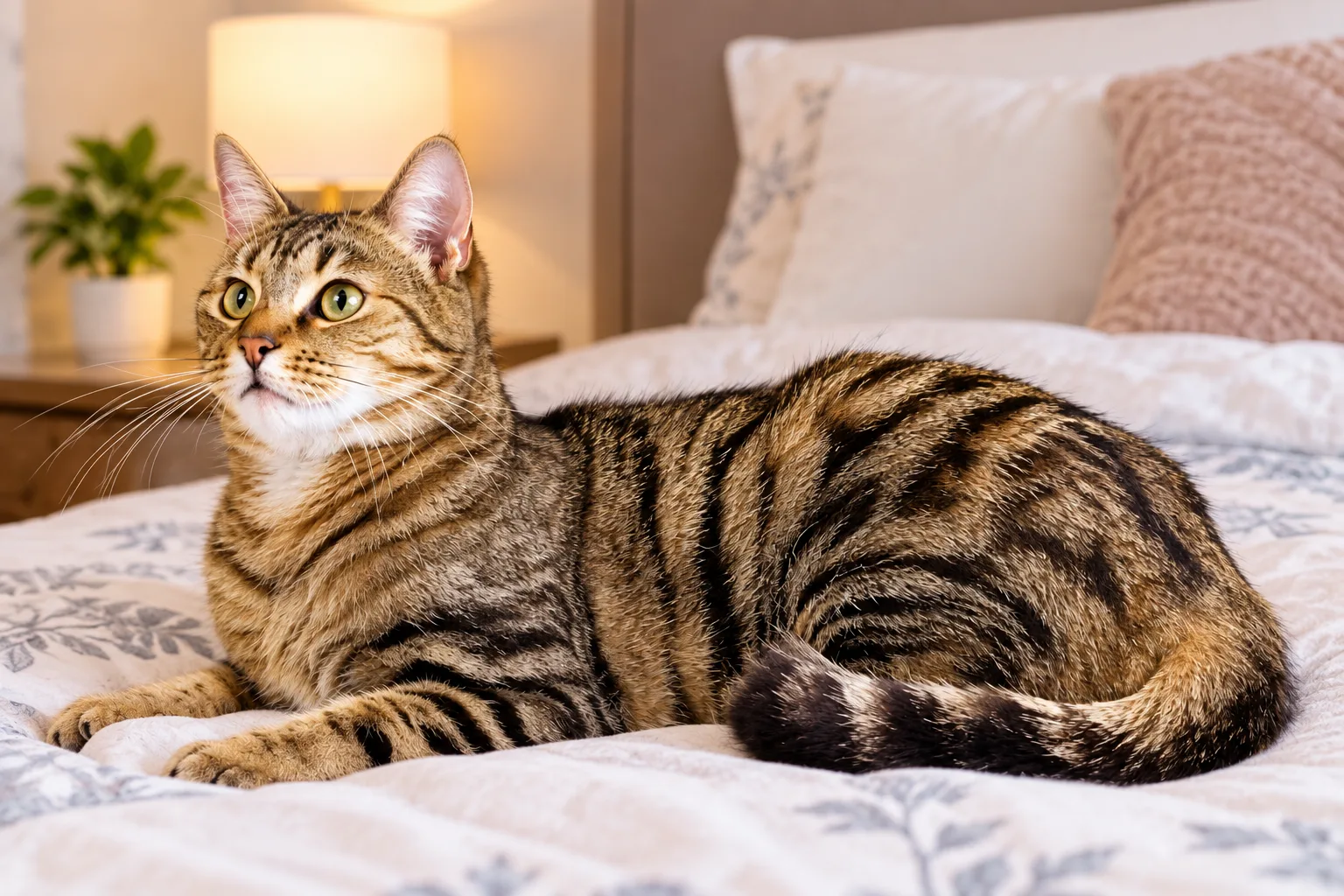
Alert and affectionate, bonds well with family while keeping a streak of independence. Often an excellent hunter and natural problem solver.
Is the Indian Shorthair Right for You?
Ideal Home / Owner
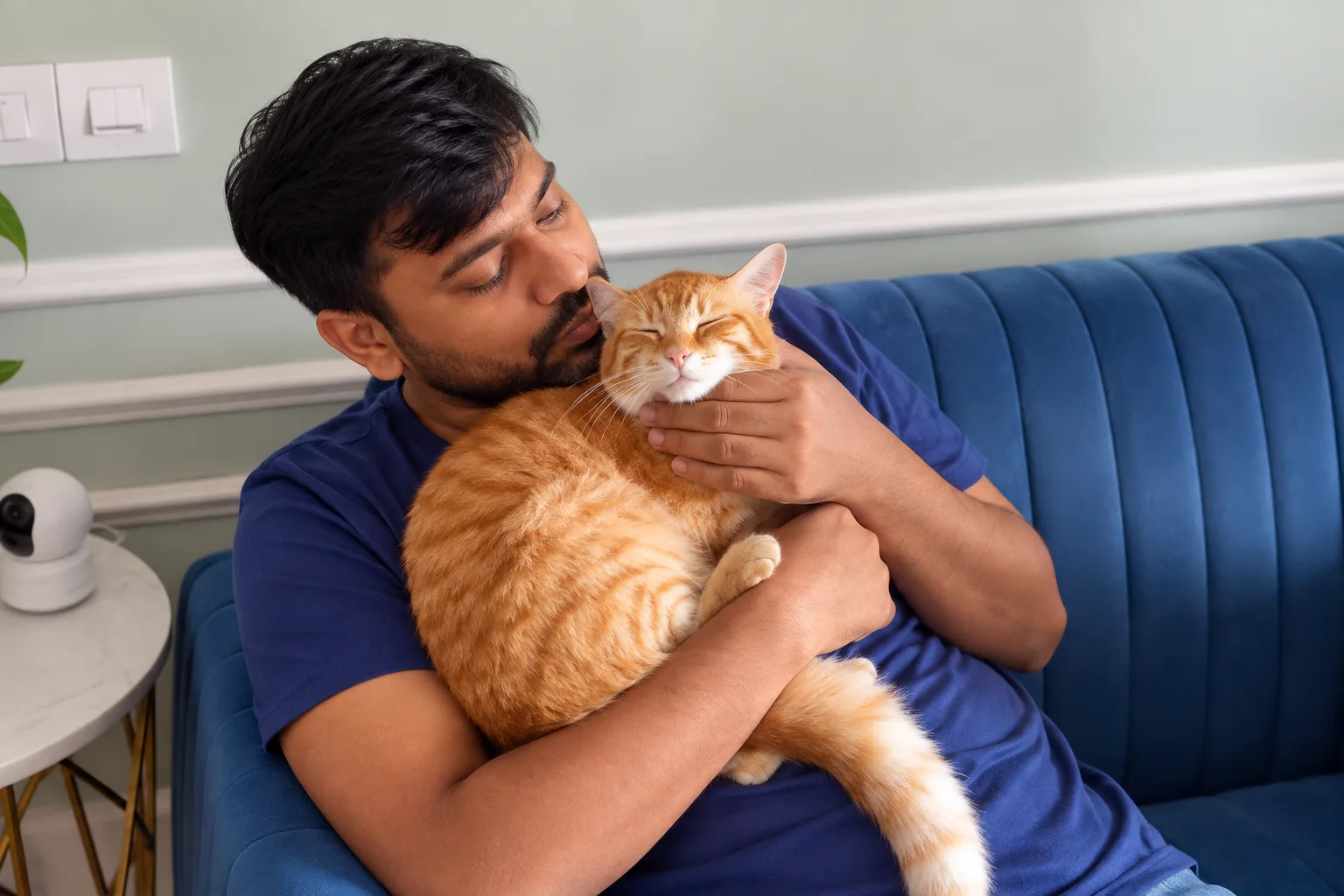
Suits nearly any Indian household, from first-time owners to experienced cat lovers, especially homes that give it room to express its natural curiosity.
Care Tips
- Regular vaccinations and preventive vet care
- Toys and climbing spaces indoors
- Occasional brushing
- Balanced diet for an active cat
- Consider adoption, many need homes
- Give independence alongside affection
Indian Shorthair History
The Indian Shorthair doesn't have a founding story or a breeder credited with creating it, and that's exactly the point. It's a landrace cat, one that developed naturally over centuries across the subcontinent, shaped by climate, food, and the plain business of survival rather than anyone's breeding plan. It's the cat dozing on a windowsill in Mumbai, prowling a farm in Punjab, or weaving between market stalls in Kolkata.
For most of its history it simply lived alongside people as a working animal and companion, valued for keeping homes and grain stores free of rodents long before anyone thought to give it a breed name. Because nobody bred it for a particular look, it developed huge natural variety in colour, pattern, and build, while keeping a consistently sturdy, medium-sized frame suited to India's varied climate.
Only in recent years has the Indian Shorthair started getting the recognition it deserves. As pride in native breeds has grown, more people and organisations across India have begun to see this cat not as a generic street cat but as a genuine, historically rooted breed with real qualities worth celebrating and protecting.
Today more cat lovers are choosing the Indian Shorthair precisely because it suits Indian homes and weather so well, and because centuries of natural selection have given it a hardiness and genetic health that many pedigree cats don't have. It's a breed built by time and place rather than paperwork, and that story is finally getting the respect it has long deserved.
Diet
Robust digestion and does well on a balanced diet, with portion control and quality nutrition supporting long-term health.
1. Feed a balanced diet
Feed a balanced diet suited to their age and activity level, with quality protein for a lean, active build.
2. Limit scraps, keep water fresh
Avoid excessive table scraps and provide fresh water daily, especially in warm months.
Built for India
Having evolved here over generations, the Indian Shorthair handles heat and humidity far better than many imported breeds. That adaptability is one of its quiet strengths.
Training
Intelligent and resourceful; many take well to basic training when it's framed as a game rather than a strict routine.
1. Start Early Socialisation
Especially helpful for kittens adopted from street or shelter backgrounds, building trust around people, pets, and new places.
Grooming
Short, low-maintenance coat, easy for any owner.
1. Simple and Occasional
A brush every week or two is usually enough.
Health
Thanks to natural development and wide genetic diversity, generally very healthy, with few breed-specific hereditary conditions. Routine vaccinations and preventive care still matter.
1. Genetic Diversity Is a Strength
Without a narrow gene pool, they avoid many inherited conditions seen in pedigree breeds, so regular preventive care is often all they need.