Russian Blue
 Russia
Breed Traits
About
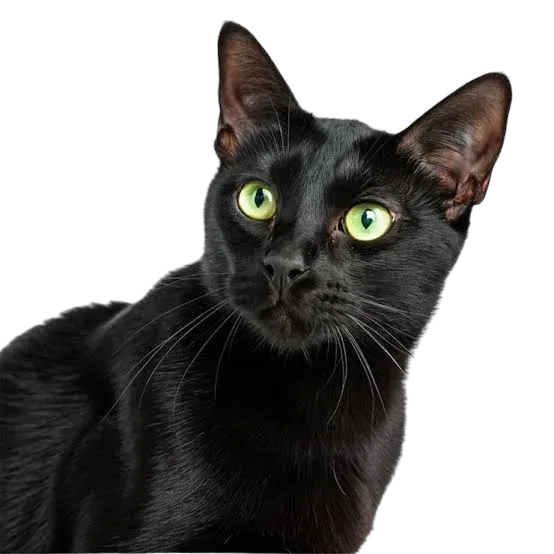
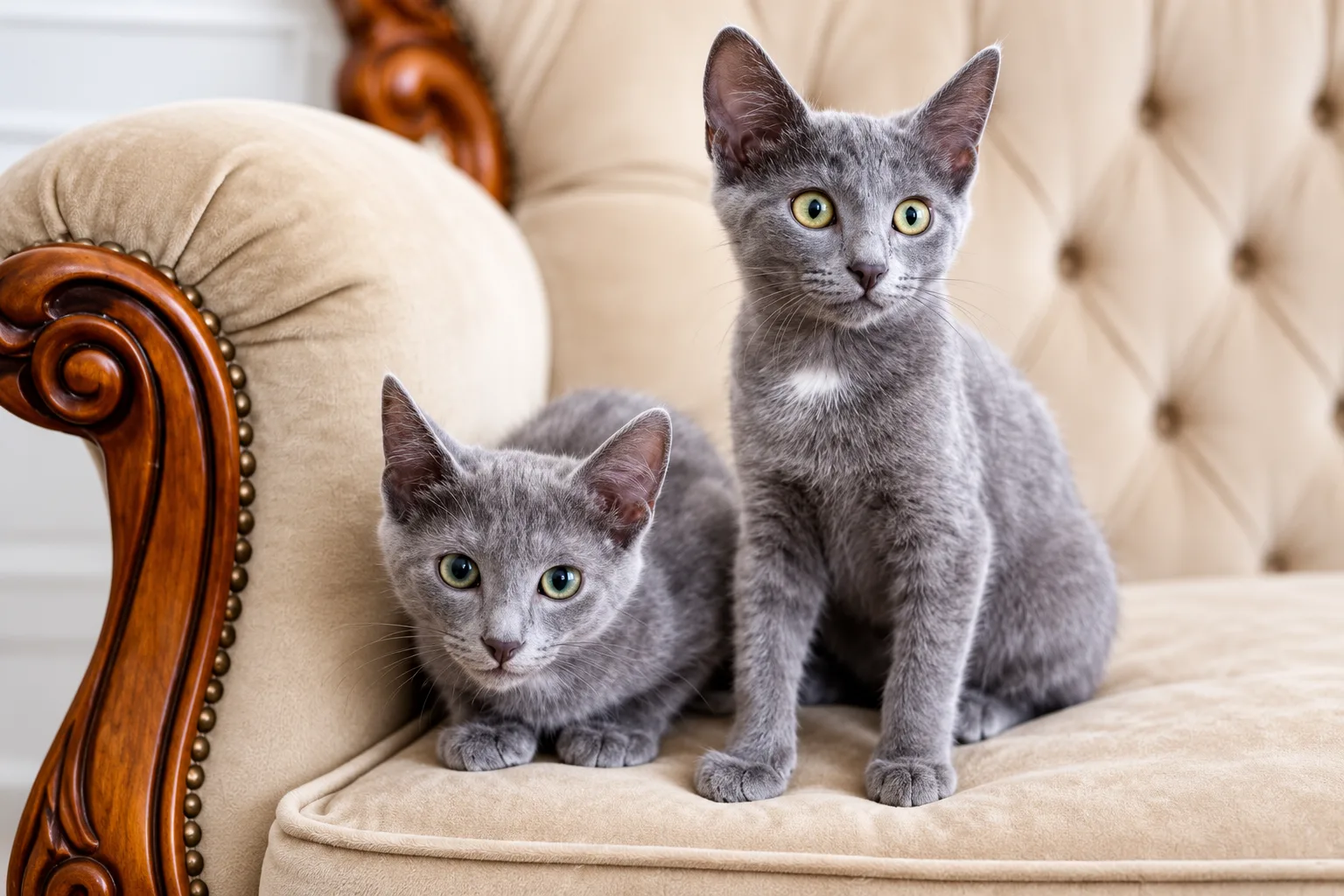
The Russian Blue is an elegant, quietly dignified cat with a plush blue-grey coat and striking green eyes. Reserved with strangers, it forms deep, loyal bonds with its own family.
Once it trusts you, it becomes a devoted, gentle companion that enjoys quiet company and steady routines.
Believed to originate around the port city of Archangel in northern Russia, where its dense coat helped it through harsh winters. Sailors likely brought it to Europe in the 1800s.
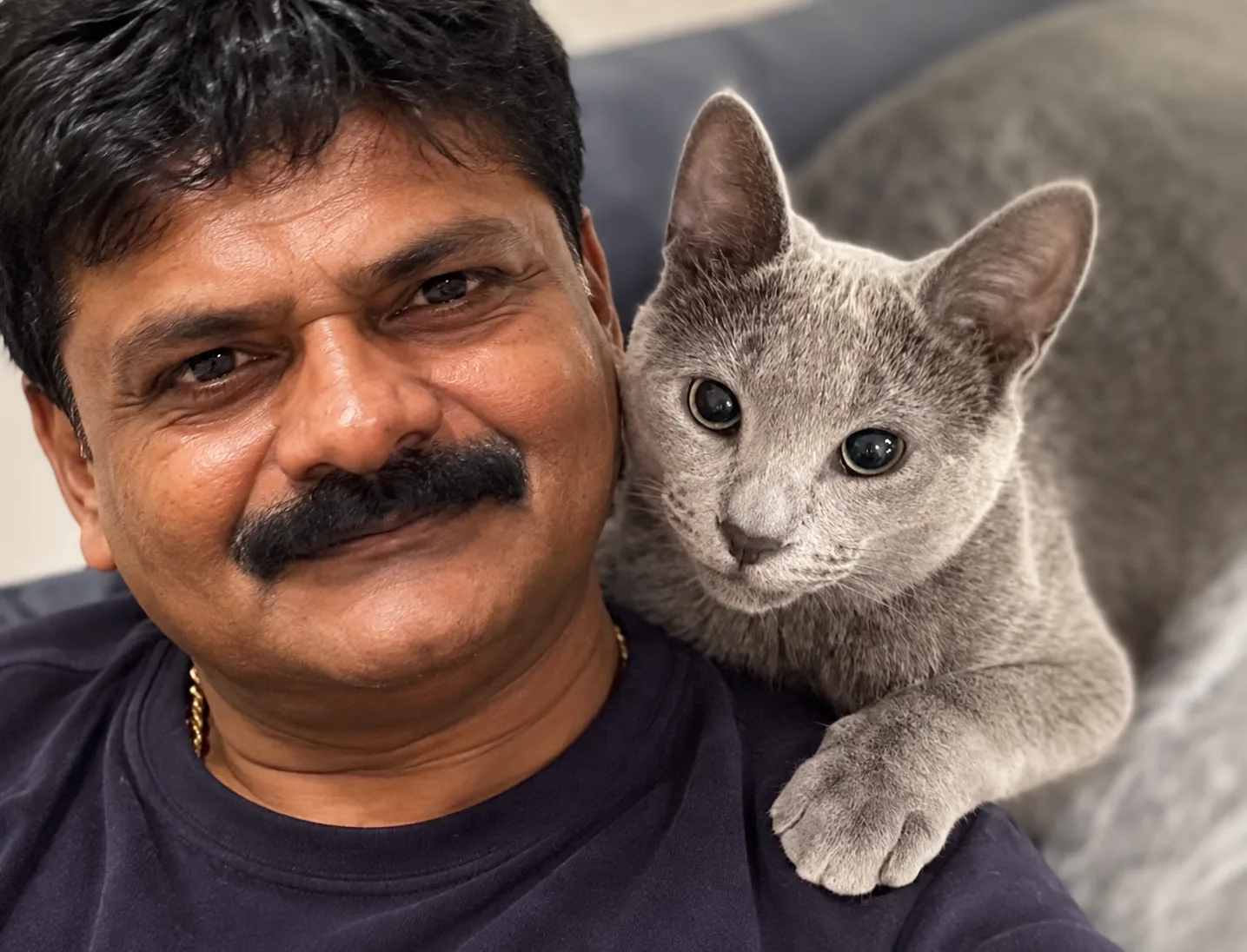
1. A Loyal Family Companion
Once it trusts you, it becomes a devoted, gentle companion that enjoys quiet company and steady routines.
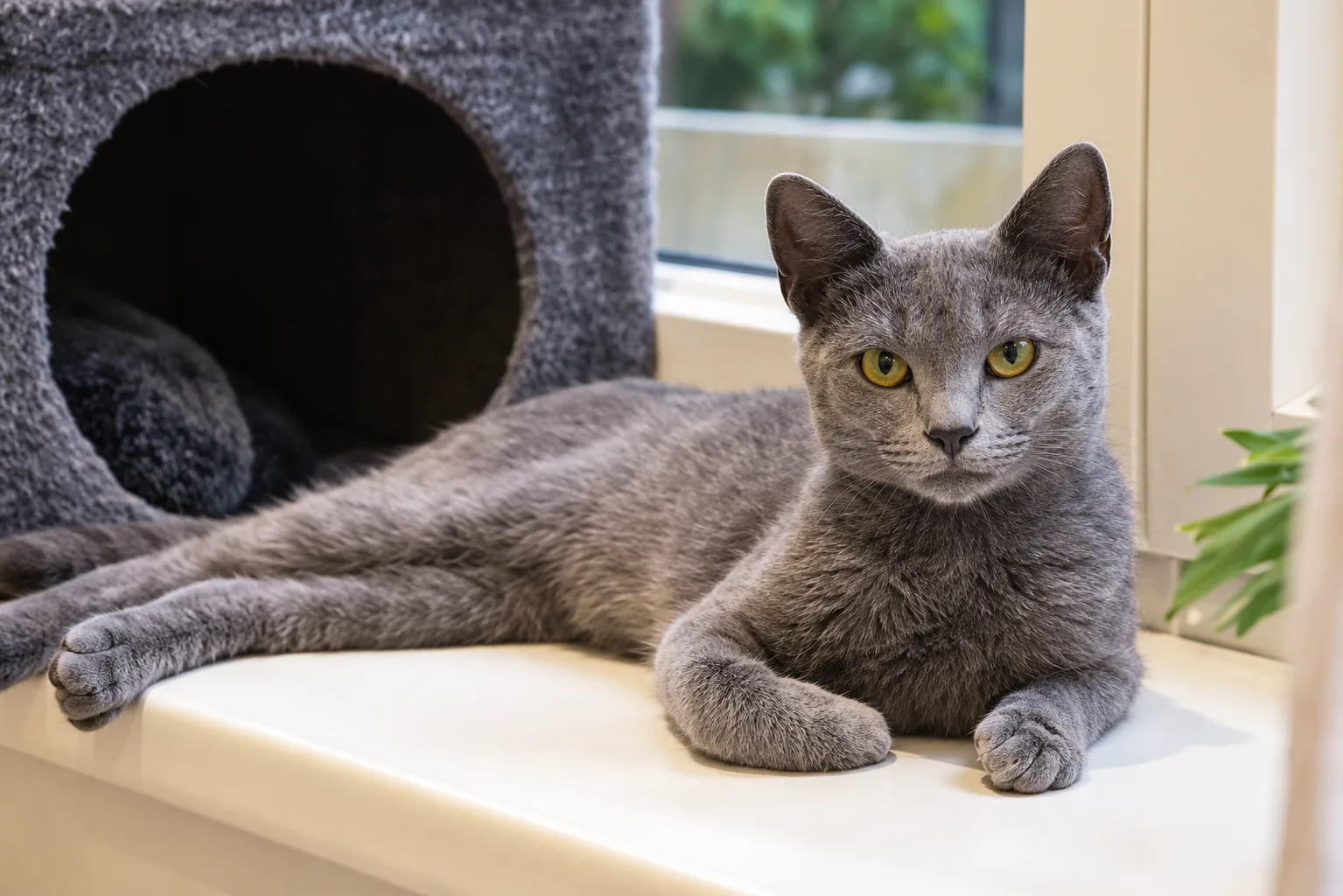
Is the Russian Blue Right for You?
Ideal Home / Owner
Owners wanting a calm, quiet, deeply loyal companion who don't mind a cat that takes time to warm up to new people.
Care Tips
- Give them time to warm up to new people or pets
- Keep a consistent daily routine
- Brush weekly
- Watch weight as they age
- Provide quiet retreat spaces
- Regular dental checkups
Russian Blue History
The Russian Blue's story begins, as the name suggests, in Russia, around the northern port city of Archangel. Cats with dense, silvery-blue coats are thought to have developed there naturally over generations, their thick fur a practical answer to brutally cold winters. Local legend says these cats were favourites of the Russian czars, though solid records from that early period are hard to find.
How the breed reached the rest of the world is better documented. Sailors travelling between Archangel and northern Europe in the 1860s are believed to have taken these striking cats aboard, and from there they made their way into British and Scandinavian cat circles. The breed was shown in England in 1875, at first competing in a general category alongside other blue-coated cats.
It wasn't until the early 20th century that breeders began working to set the Russian Blue apart as its own breed. Like many breeds, its numbers were devastated by the World Wars, and dedicated breeders in England and Scandinavia worked hard, sometimes with careful outcrossing, to keep the line alive and rebuild it afterwards.
Those efforts paid off. The Russian Blue spread to America and beyond, prized for its shimmering coat, vivid green eyes, and gentle, loyal temperament. Today it's known as one of the calmest and healthiest cat breeds around, a quiet survivor with a history as tough as the Russian winters it was built to endure.
Diet
Balanced, high-quality diet; their calm nature means portion control matters to avoid weight gain.
1. Feed a balanced, measured diet
Feed a high-protein, balanced diet in measured portions rather than leaving food out all day.
2. Limit treats and monitor weight
Limit treats, monitor weight, and offer fresh water that's changed often.
Quiet and Composed
The dense double coat handles cooler months very comfortably but feels the heat more than thin-coated breeds. Good ventilation and cool spaces help in summer.

Training
Intelligent and responsive, especially to food rewards; a calm, patient approach works best.
1. Start Early Socialisation
Especially important given their natural wariness, so kittens grow into confident rather than overly shy adults.
Grooming
Surprisingly low-maintenance, the coat doesn't mat easily and stays clean with little effort.
1. Let the Coat Do the Work
A weekly brush is usually all it needs.
Health
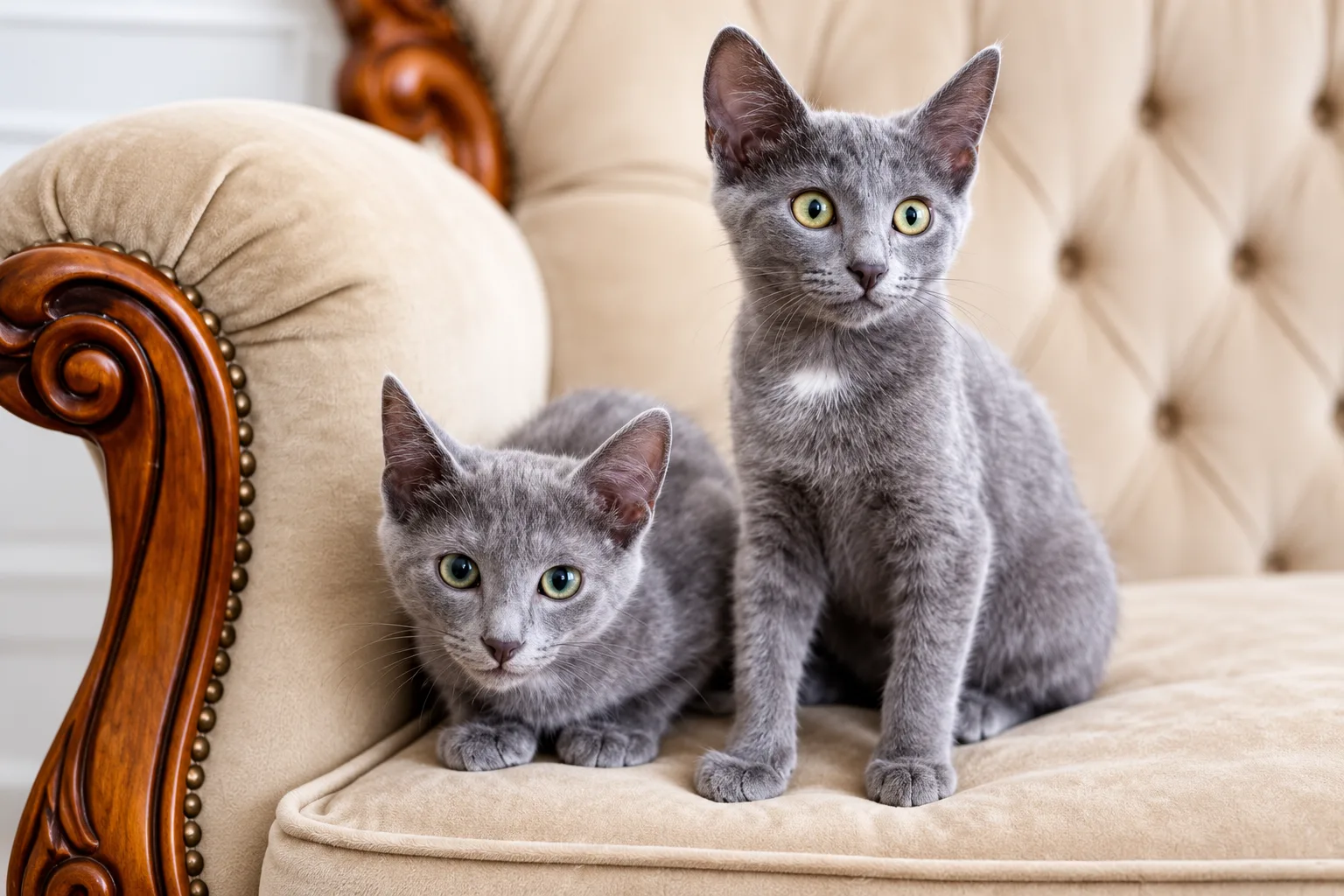
One of the healthiest and longest-living cat breeds, with few known hereditary conditions. Obesity and dental issues are the main things to manage.
1. Protect That Long Life
Dental cleanings and regular checkups help them make the most of a naturally long lifespan.