Scottish Fold
 Scotland
Breed Traits
About
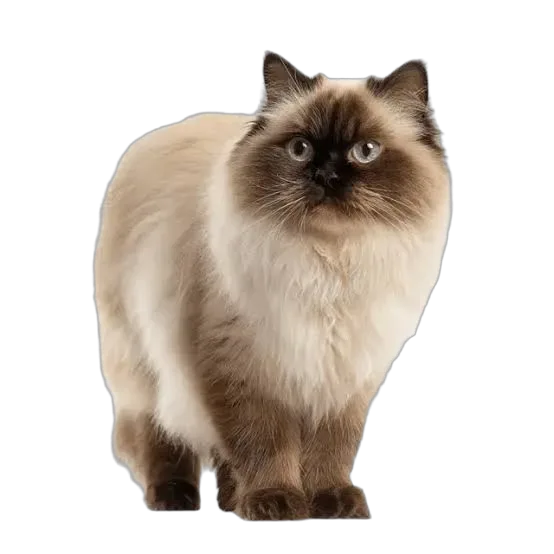
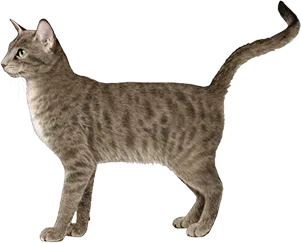
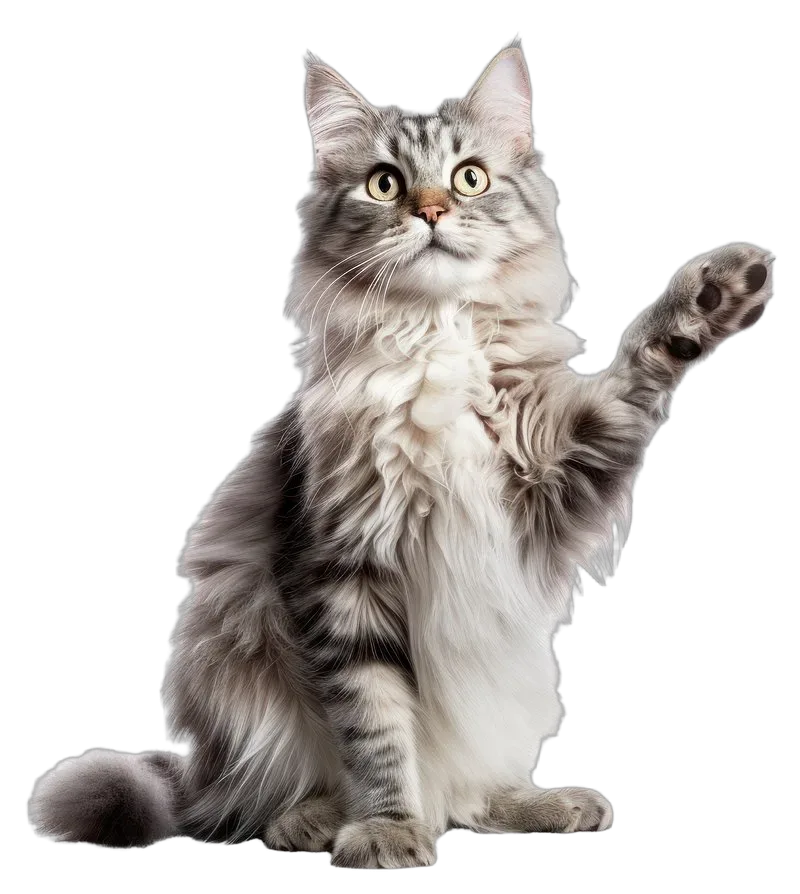
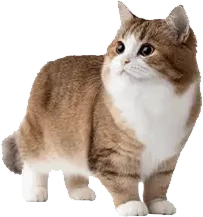
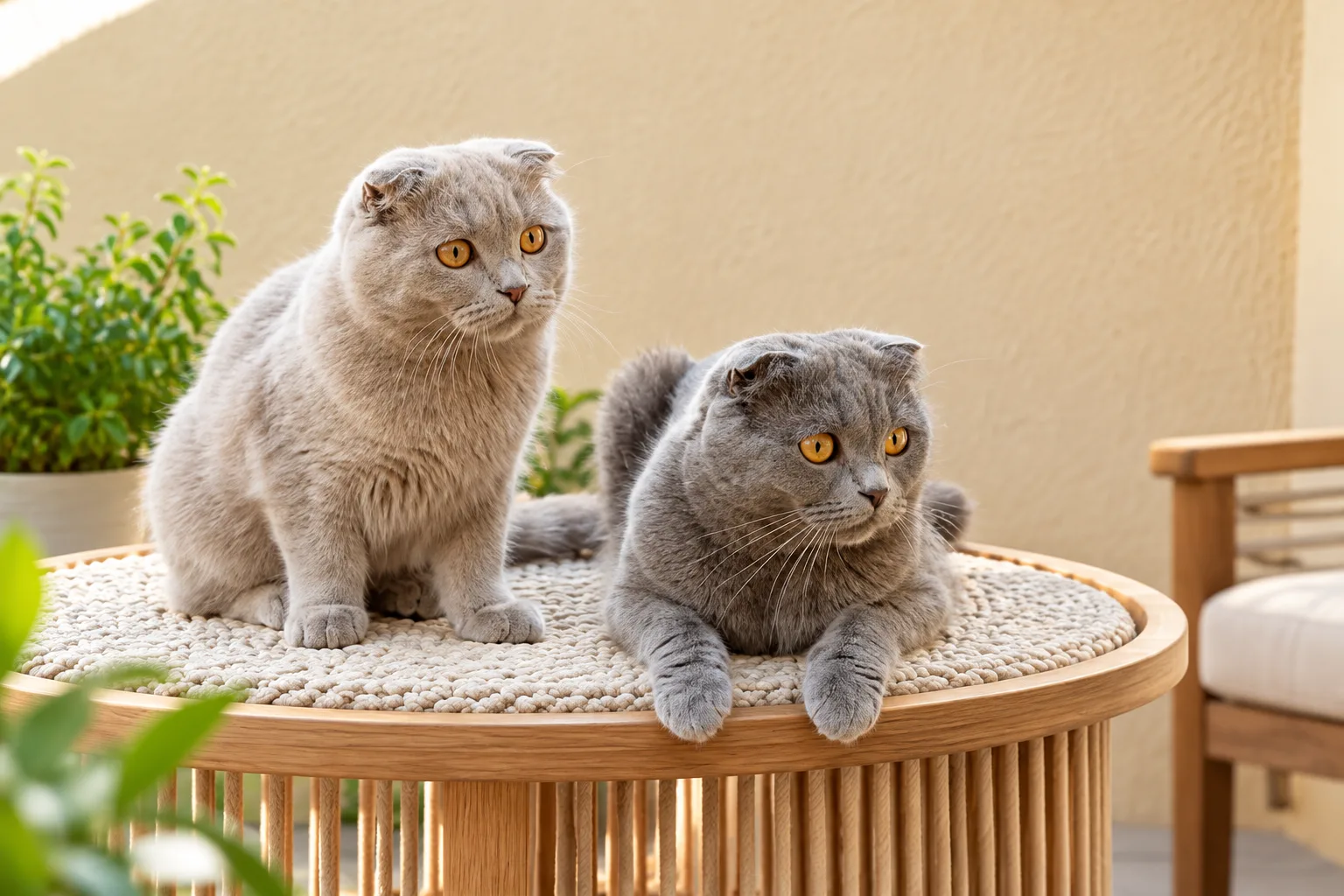
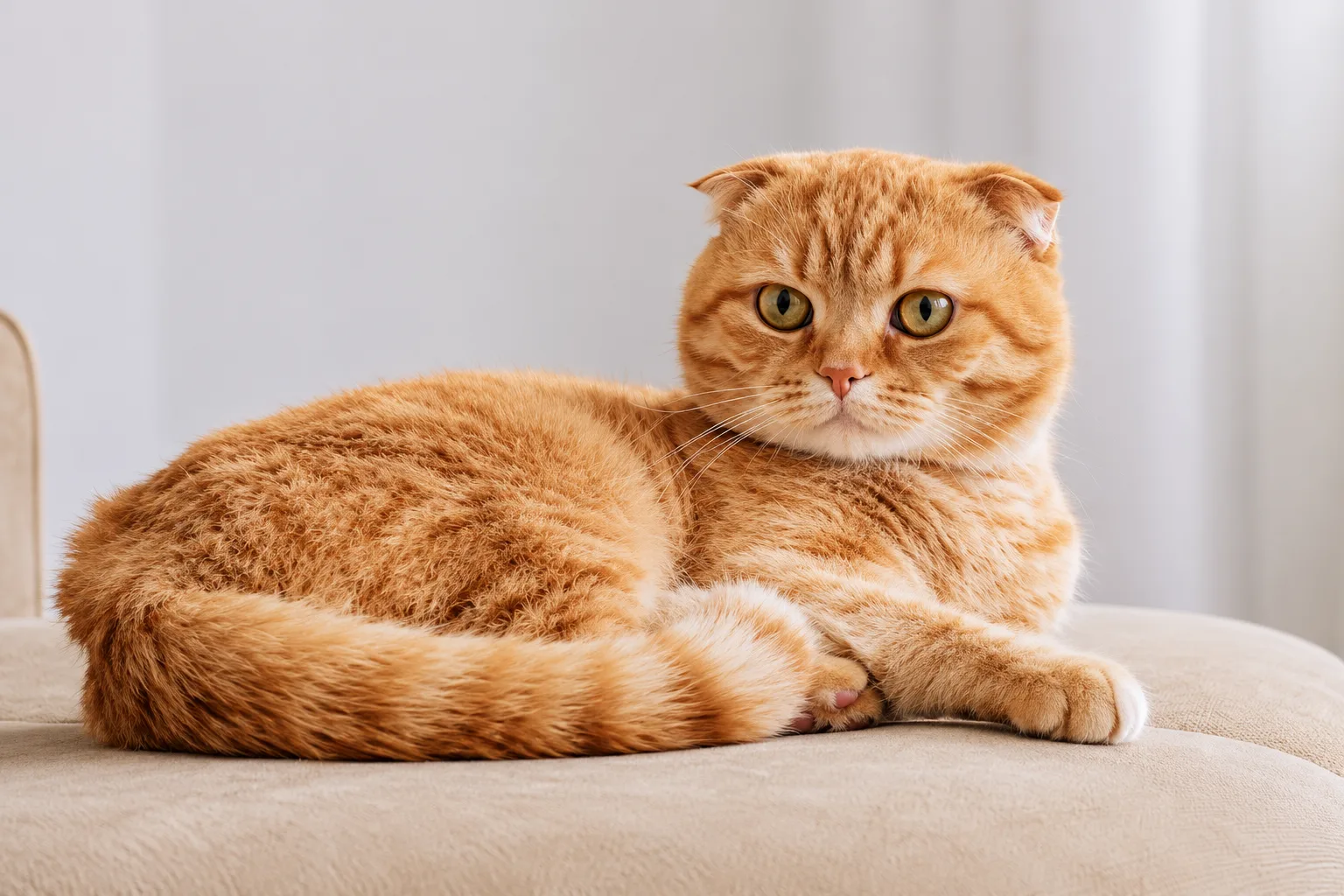
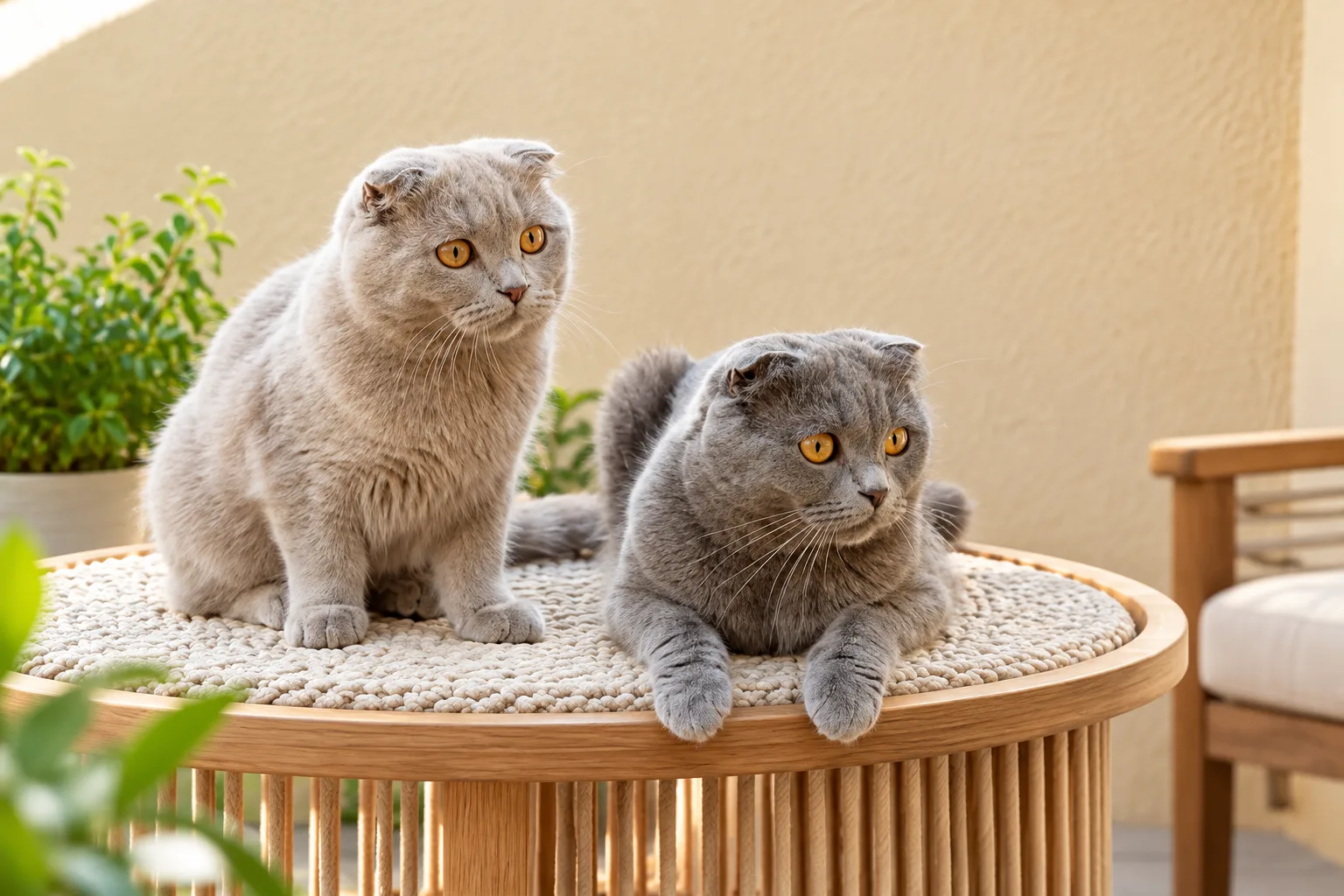
The Scottish Fold is instantly recognisable for its folded ears and round, owl-like face, giving it a permanently sweet, curious expression. Beyond the looks, it's a gentle, calm cat that bonds closely with its family.
Easygoing and affectionate, often following owners around and settling nearby rather than demanding to be held. Gets along well with children and other pets.
The breed began with a single farm cat named Susie, found in Scotland in 1961, whose folded ears came from a natural genetic mutation.
1. A Loyal Family Companion
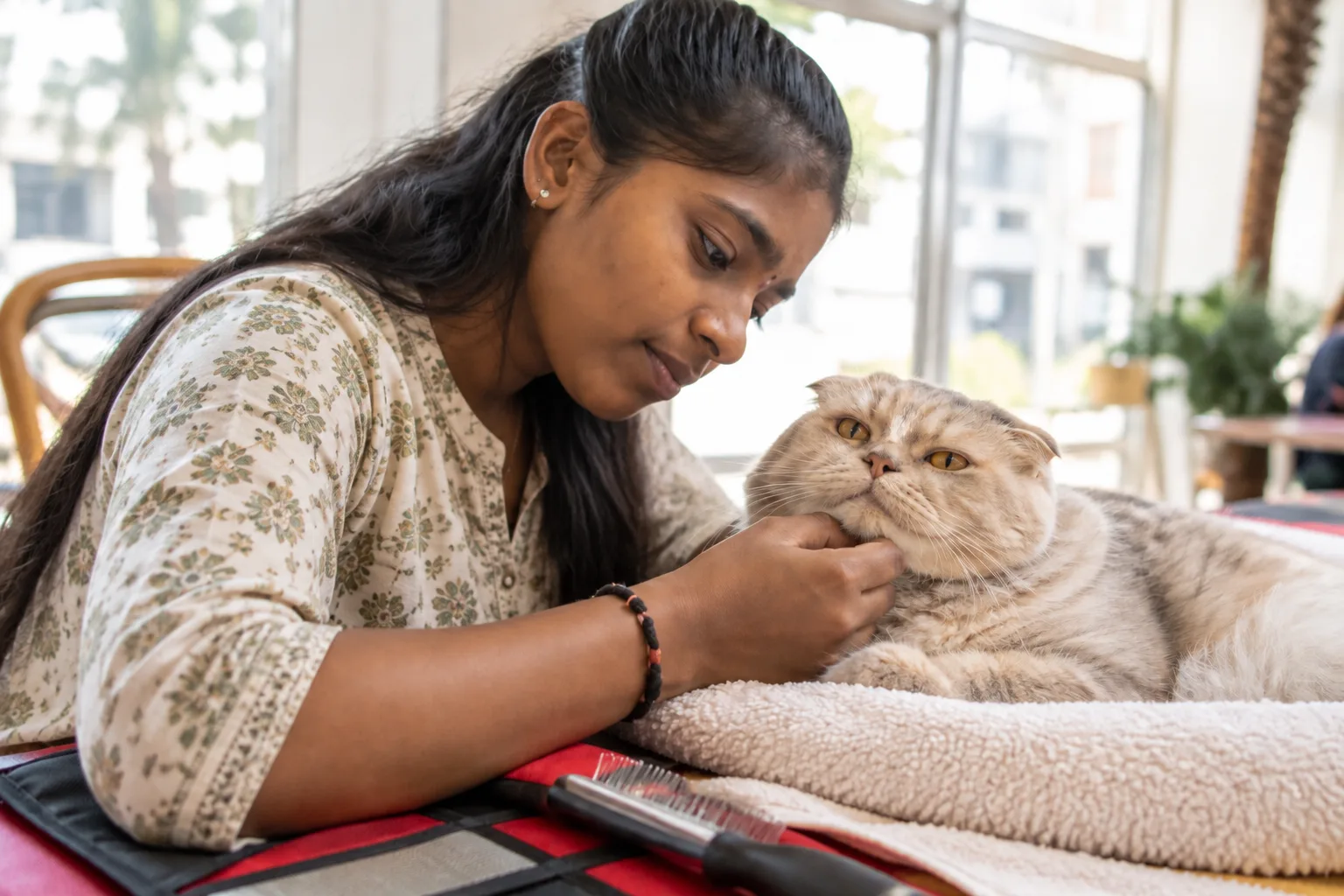
Easygoing and affectionate, often following owners around and settling nearby rather than demanding to be held. Gets along well with children and other pets.
Is the Scottish Fold Right for You?
Ideal Home / Owner
A calm household with owners who understand the breed's health background and are committed to responsible sourcing and ongoing joint care.
Care Tips
- Source only from breeders who never breed fold-to-fold
- Monitor mobility and joint comfort as they age
- Handle gently, especially around tail and legs
- Clean ears regularly but gently
- Soft, supportive bedding
- Maintain a healthy weight
Scottish Fold History
Every Scottish Fold in the world today traces back to one farm cat named Susie, found in 1961 on a farm near Coupar Angus in Scotland. Susie's ears folded forward and down, giving her an owl-like look nobody in the area had seen before. When she had kittens, two inherited the same folded ears, and that caught the attention of a local shepherd and cat lover named William Ross.
Ross was fascinated and, with advice from geneticists, started a careful breeding program to establish the trait as a breed. It was registered in the UK in 1966 and gained some early popularity. But as more became known about the genetics behind the fold, specifically that it came from a cartilage mutation affecting the whole body, serious concerns about the breed's health began to surface.
By the early 1970s, the UK's main cat registry stopped registering new Scottish Folds over welfare concerns, and development moved largely to the United States. American breeders set a firm rule that still stands among responsible breeders today: fold-eared cats should only ever be bred with straight-eared cats, never with each other, to limit how severely the cartilage condition affects the kittens.
The Scottish Fold remains popular worldwide for its sweet expression and gentle temperament, but it's also a breed that has pushed cat lovers into honest conversations about breeding for physical traits tied to genetic mutations. That's a conversation every prospective Scottish Fold owner should be part of before bringing one home.
Diet
No unusual dietary needs, but given the breed's joint predisposition, supporting bone and cartilage health is worth attention.
1. Feed a joint-supporting diet
Feed a high-quality diet for their life stage, adding joint-supporting foods or supplements with vet guidance.
2. Avoid overfeeding
Avoid overfeeding, since extra weight strains their joints, and keep fresh water available at all times.
Gentle Homebody
Adaptable cats that prefer stable, comfortable indoor temperatures over extremes, and do best in a climate-controlled home.
Training
Moderately intelligent and cooperative; basic training works with patience and gentle rewards.
1. Start Early Socialisation
Early handling builds confidence. Gentle, careful handling matters especially given their joint sensitivities.
Grooming
Moderate needs; longhair Folds need more frequent brushing to prevent matting.
1. Check Those Ears
The folded ear structure can trap wax, so gentle regular checks and cleaning are important.
Health
The folded ear comes from a cartilage mutation called osteochondrodysplasia, which affects cartilage throughout the body, not just the ears. Fold-to-fold breeding should never be done because it greatly increases the severity of joint problems. Reputable breeders only pair Folds with straight-eared cats.
1. Watch for Stiffness
Reluctance to jump or a stiff tail can be early signs of joint trouble. Talk to your vet early.