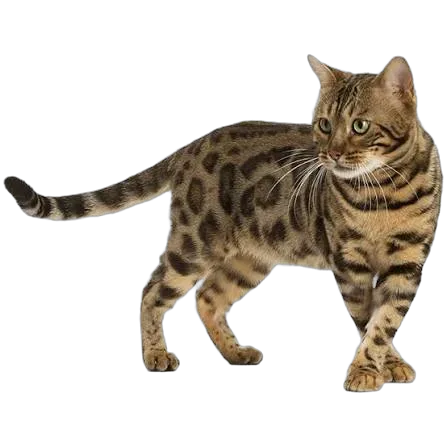
Siamese
 Thailand
Breed Traits
About
The Siamese is one of the oldest and most recognisable cat breeds in the world, known for its sleek body, striking blue eyes, and a voice it's never shy about using. This is a cat that talks back, follows you room to room, and generally behaves like a small, opinionated human.
Siamese cats form deep bonds and often pick a favourite person to shadow all day. They want to be involved in whatever you're doing, whether that's cooking, working, or sitting on the sofa.
The breed traces back to Thailand (formerly Siam), where these cats were kept in royal households and temples for centuries before reaching the West in the late 1800s.
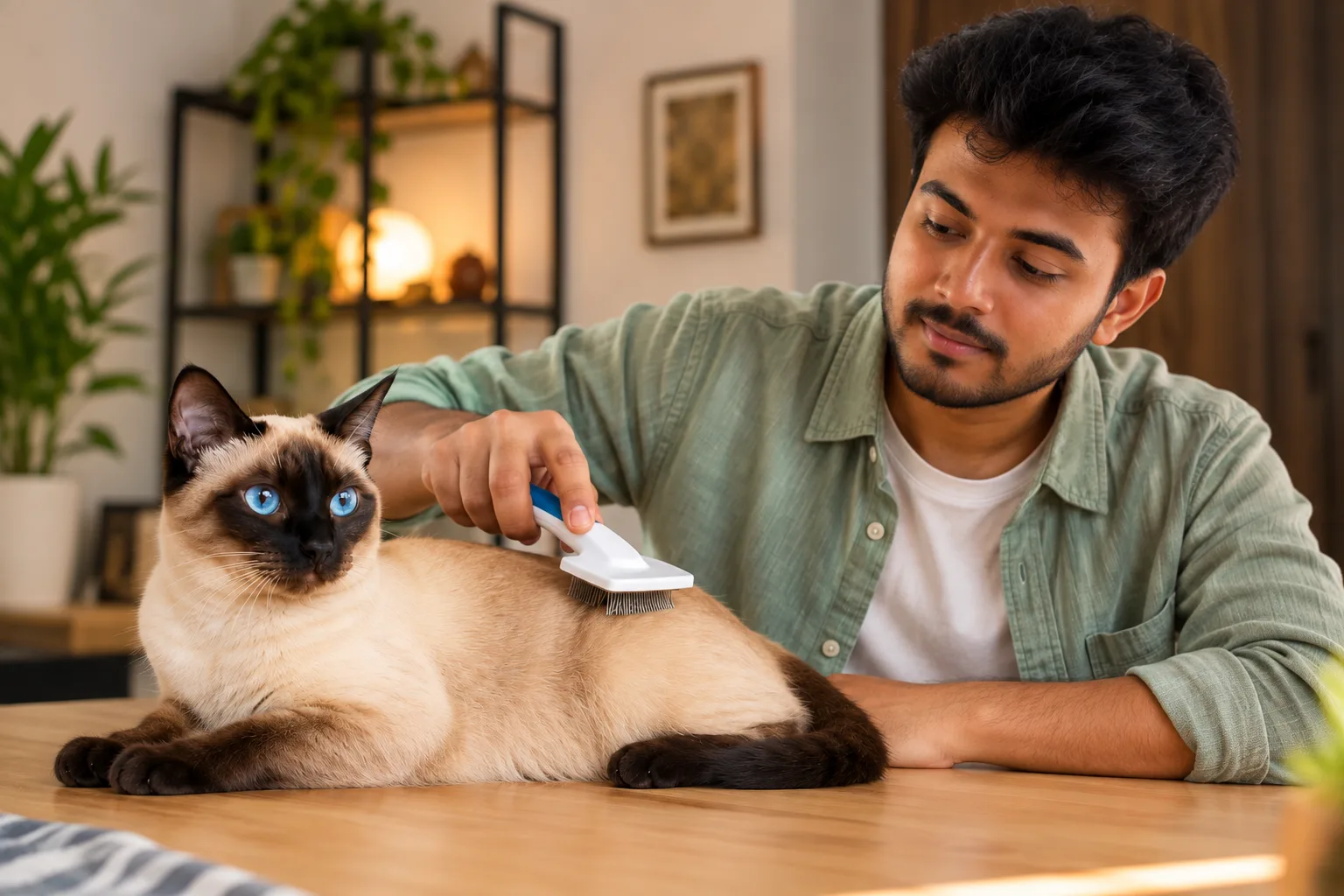
1. A Loyal Family Companion
Siamese cats form deep bonds and often pick a favourite person to shadow all day. They want to be involved in whatever you're doing, whether that's cooking, working, or sitting on the sofa.
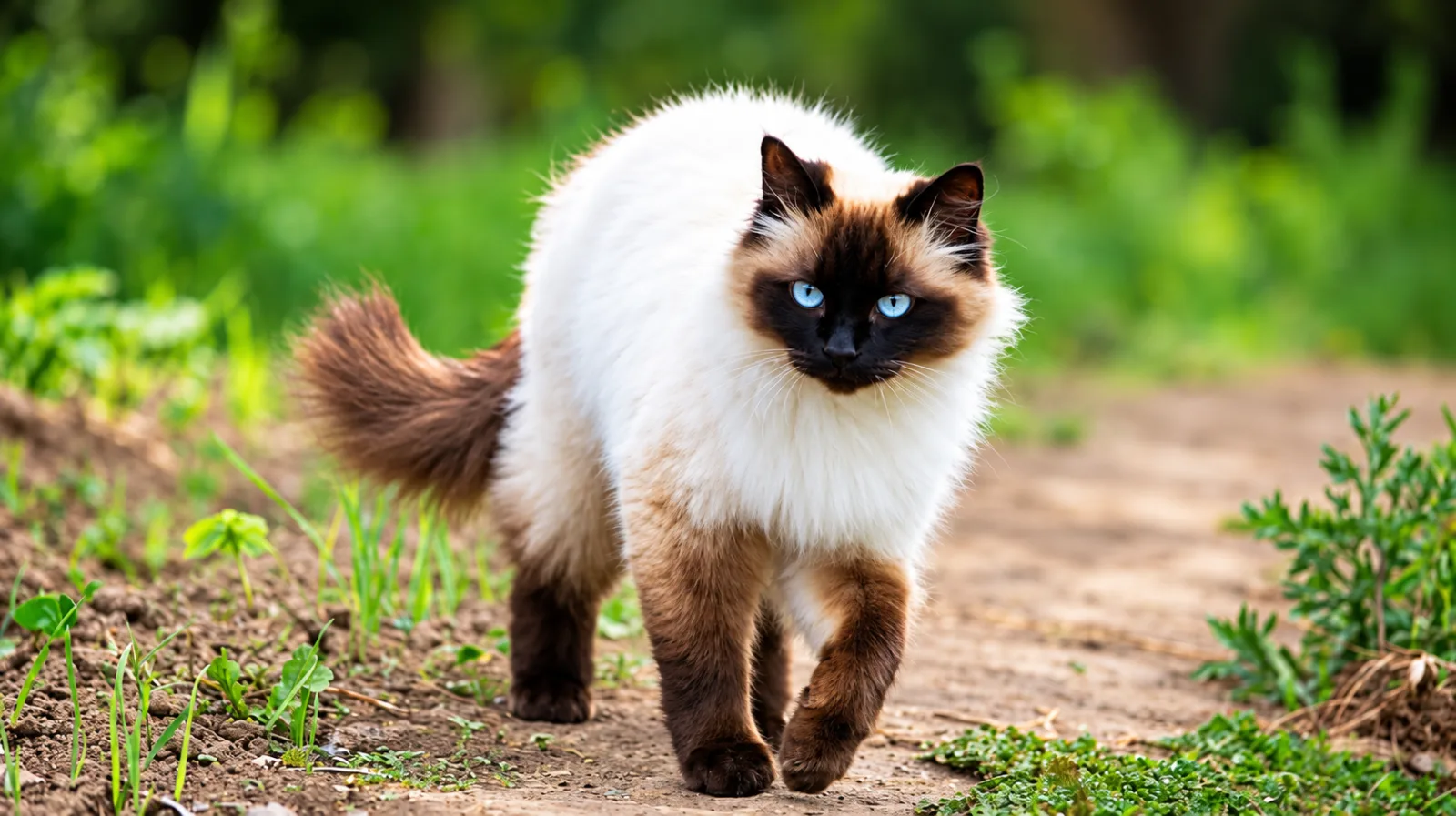
Is the Siamese Right for You?
Ideal Home / Owner
An owner who's home often and wants a genuinely interactive companion, doesn't mind a vocal cat, and can offer plenty of playtime and affection.
Care Tips
- Daily interactive play to burn off energy
- Don't leave them alone for long stretches
- Puzzle feeders and toys for their sharp minds
- Regular dental care
- Consistent routine, they're sensitive to change
- Consider a second cat if you're away often
Siamese History
The story of the Siamese begins in the old kingdom of Siam, what we now call Thailand, where cats of this type were treasured companions in royal palaces and Buddhist temples for hundreds of years. Old manuscripts from the region describe cats matching the Siamese's distinctive look, suggesting this breed has been around in some form for centuries, quietly padding through the courts of Southeast Asian royalty.
Siamese cats first caught Western attention at a London cat show in 1871, and not entirely in a good way. Some early observers described them as an unnatural, nightmare kind of cat, simply because they looked so different from the plush, round cats popular in Europe at the time. A few years later, in 1884, the British Consul-General in Bangkok brought a pair back to England, and those cats helped lay the foundation for the breed in the West.
Despite that mixed first impression, the Siamese quickly won people over with its striking looks and even more striking personality. By the early 1900s it had become one of the most sought-after breeds in Britain and soon after in the United States, where breeders began refining the sleek body, wedge-shaped head, and vivid blue eyes we recognise today.
Over the decades, breeders have developed different lines, from the traditional apple-head build to the far more slender modern show style. Whatever the exact look, the breed has never lost its defining trait, a big personality wrapped in a small, elegant frame. Today the Siamese remains one of the most beloved cat breeds anywhere in the world, with a growing fan base right here in India.
Diet
Siamese cats stay lean and active most of their lives, and a good quality, protein-rich diet supports their muscle tone and energy.
1. High-protein diet
High-protein diet with real meat as the first ingredient, split into two to three smaller meals rather than one large one.
2. Keep treats minimal
Keep treats minimal, they're persistent beggars, and provide constant access to fresh water, especially in Indian summers.
Sun-Loving Chatterbox
Given their Southeast Asian origins, Siamese cats handle warm Indian climates well and love sunny spots. They're less tolerant of cold and appreciate a warm blanket in winter.

Training
Among the most trainable cat breeds, quick learners who respond well to positive reinforcement and genuinely enjoy the mental engagement.
1. Start Early Socialisation
Expose kittens to different people, sounds, and handling early, since this breed can become overly dependent or anxious without it.
Grooming
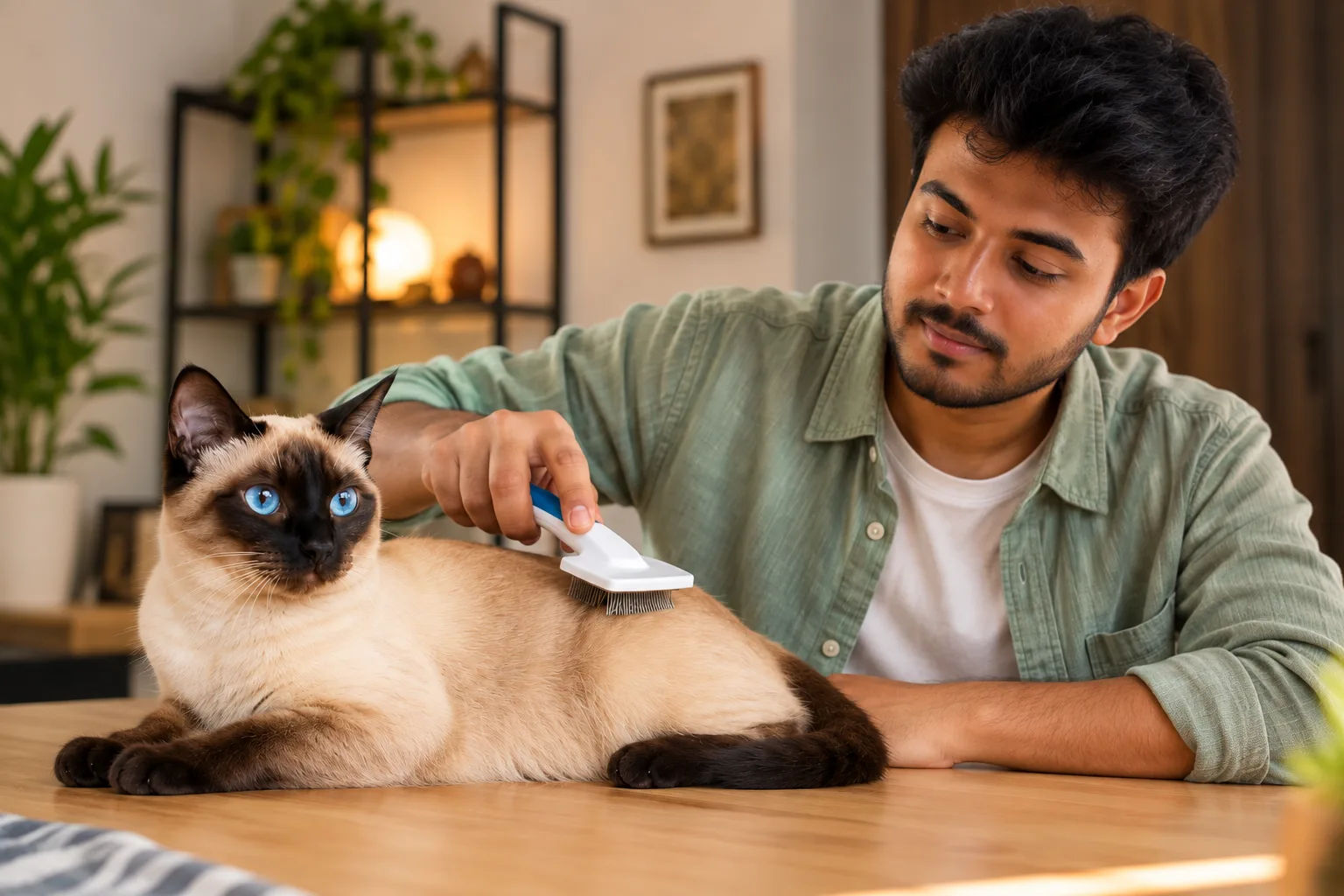
Short, fine coat, very low maintenance.
1. Weekly Wipe-Down
A rubber grooming glove or soft brush once a week removes loose hair and keeps the coat glossy.
Health
Generally healthy, but can be prone to respiratory and dental issues, and some lines carry amyloidosis, which affects the liver and kidneys.
1. Watch the Teeth
Regular teeth brushing and annual dental checkups prevent painful problems later.