Turkish Angora
 Turkey
Breed Traits
About
The Turkish Angora is an ancient, elegant breed with a silky single coat, a graceful athletic build, and a lively, intelligent personality. Despite the glamorous look, it's a genuinely playful cat, not a delicate ornament.
Affectionate and often attached to a favourite person, social and expressive, with an independent streak.
Named after Ankara, Turkey, where it developed naturally centuries ago. The Ankara Zoo has long run a breeding program to preserve it, especially the famous white variety.
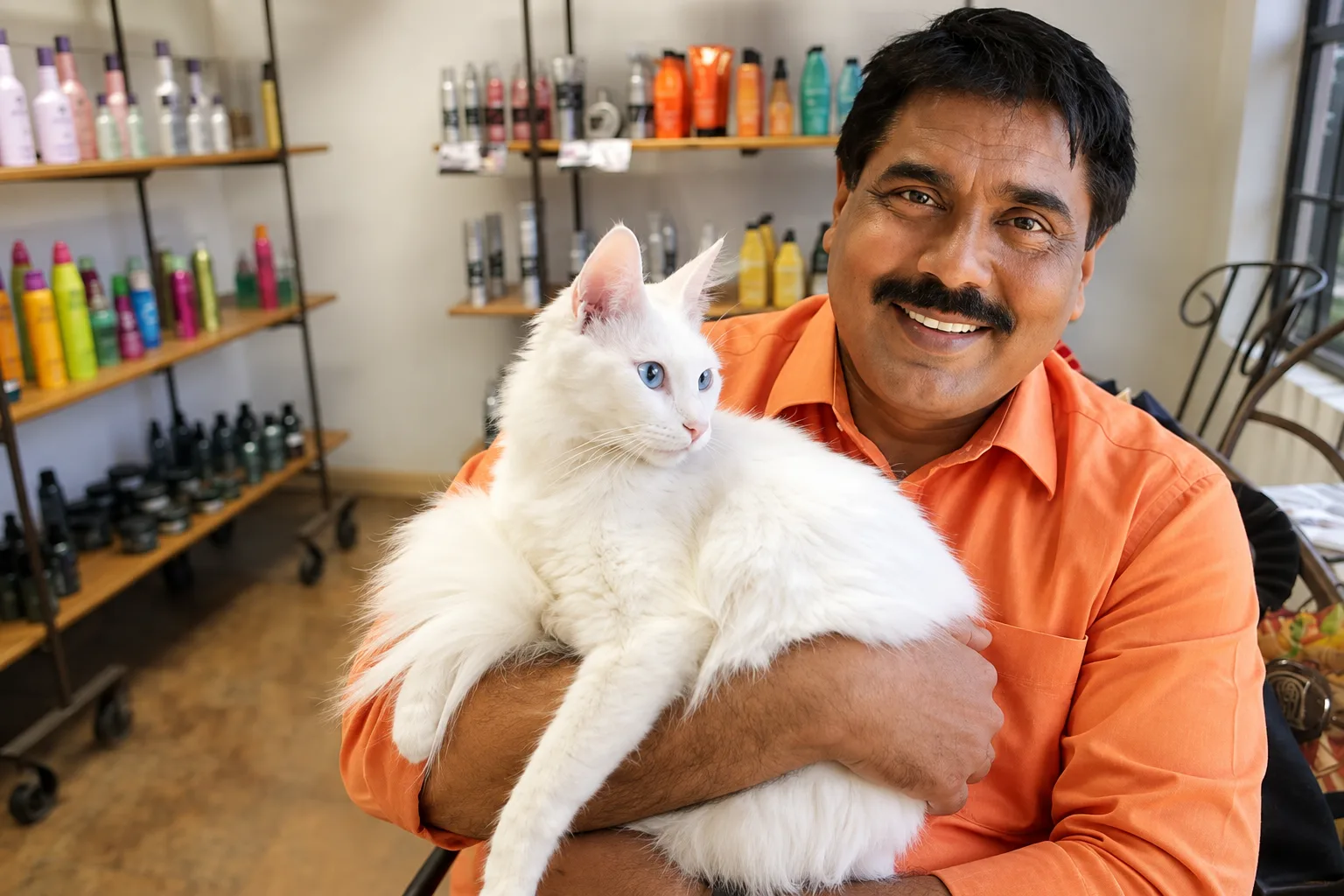
1. A Loyal Family Companion
Affectionate and often attached to a favourite person, social and expressive, with an independent streak.
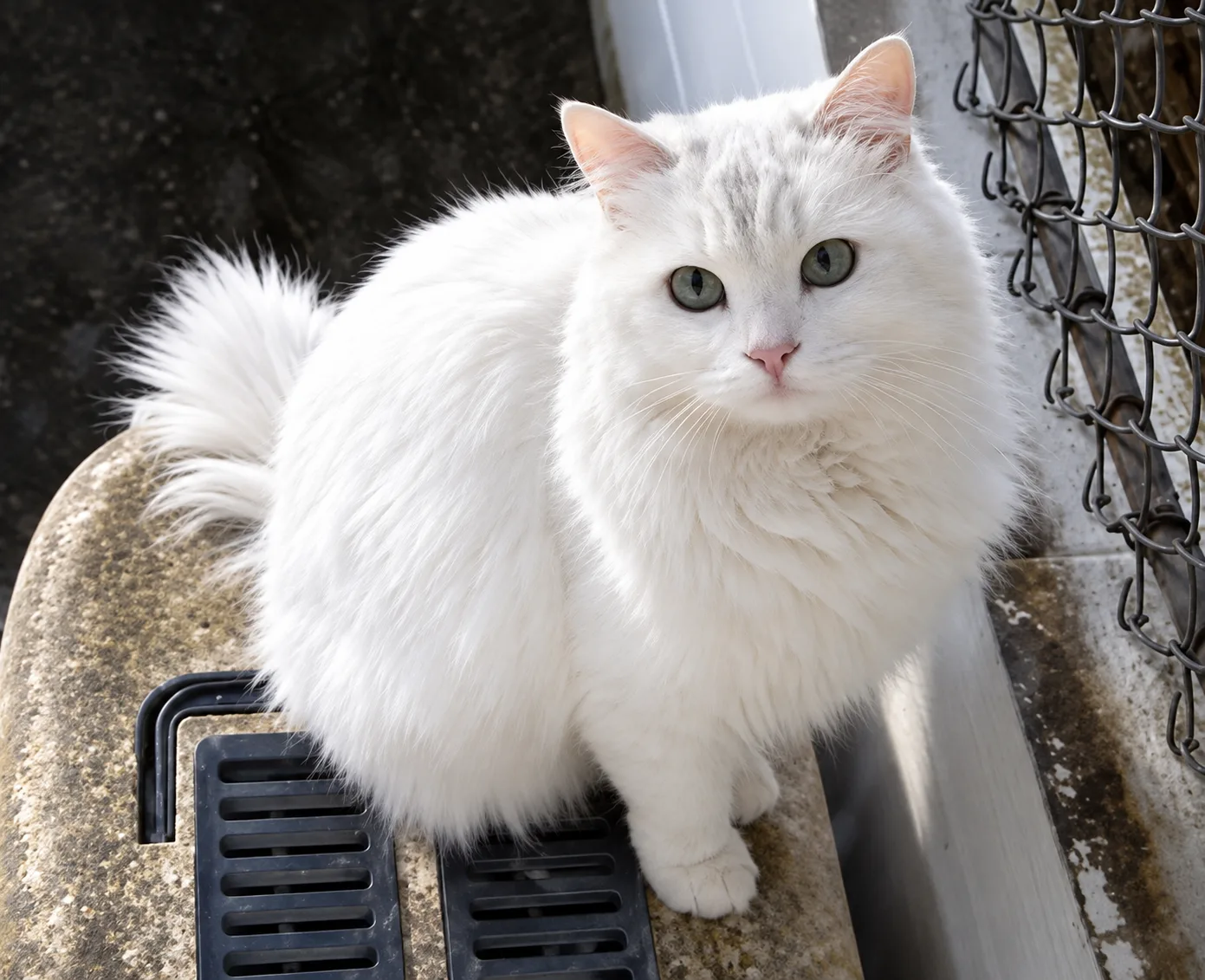
Is the Turkish Angora Right for You?
Ideal Home / Owner
Owners who want an elegant, intelligent, playful cat and can offer regular interaction and mental stimulation.
Care Tips
- Brush two to three times a week
- Interactive toys and climbing opportunities
- Ask about hearing tests for white or odd-eyed kittens
- Keep them mentally engaged
- Stable routine
- Regular playtime
Turkish Angora History
The Turkish Angora is one of the oldest natural cat breeds in the world, developing over centuries in and around Ankara, a region long known for fine, silky-coated animals, from Angora goats to Angora rabbits. Old accounts and artwork suggest cats matching this description lived there for hundreds of years, admired for their flowing white coats.
The breed reached Europe as early as the 1500s and 1600s, often as gifts to nobility, and quickly became fashionable among aristocrats in France and Britain. For a while it was among the most prized cats in Europe, until the rise of the Persian in the 1800s gradually pushed it aside and its numbers in the West began to fall.
Back in Turkey, the breed's cultural value was taken seriously. The Ankara Zoo set up a dedicated breeding program in the 20th century to preserve the Turkish Angora, with special focus on the pure white, odd-eyed cats. That program did a great deal to keep the breed's line intact while its popularity rose and fell elsewhere.
Turkish Angoras were reintroduced to America in the mid-20th century, where breeders worked to re-establish them internationally, and the breed gradually earned recognition from major cat associations. White remains its most iconic look, but today it comes in many colours and patterns, carrying forward its legacy as a true ancient breed loved for its grace and intelligence.
Diet
More active than most longhairs, so it benefits from a nutrient-dense diet supporting lean muscle and coat health.
1. Feed a protein-rich diet
Feed a high-quality, protein-rich diet with omega fatty acids to support skin and coat health.
2. Measure meals, keep water fresh
Measure meals rather than free-feeding, and keep fresh, clean water always available.
Graceful and Adaptable
Handles a range of climates well, though it feels the heat during peak Indian summers. Good ventilation and shaded resting spots help.
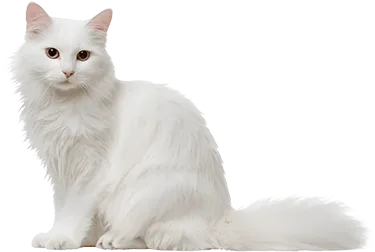
Training
Quick learners who enjoy mental engagement, one of the more trainable longhair breeds.
1. Start Early Socialisation
Helps channel their energy and curiosity and builds the confidence this alert breed thrives on.
Grooming
The single coat has no dense undercoat, so it mats far less than breeds like the Persian.
1. Twice-Weekly Brushing
Two or three gentle brushes a week keeps the coat tangle-free.
Health
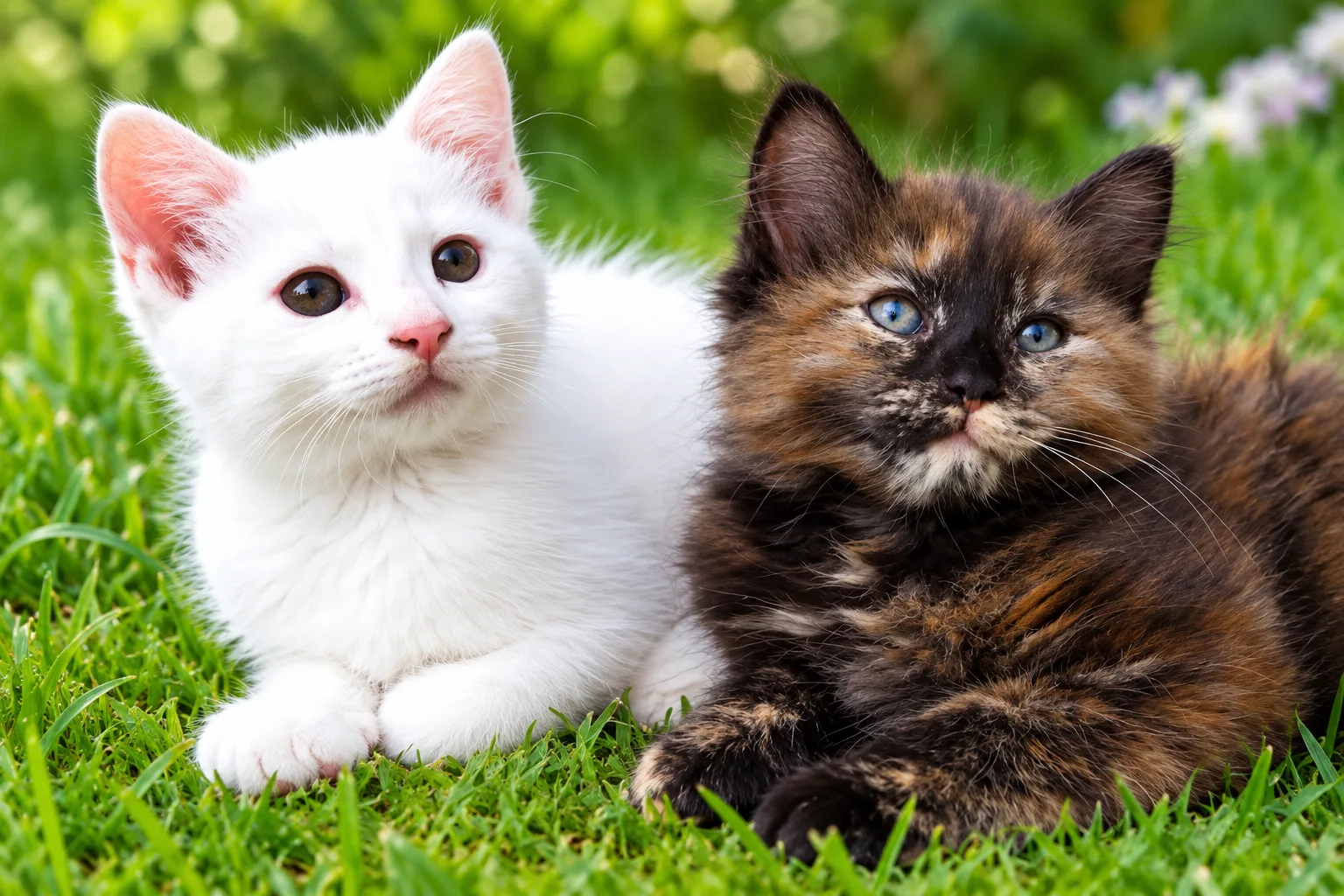
Generally healthy, but white cats with blue or odd eyes carry a higher risk of congenital deafness linked to the white coat gene. Responsible breeders test hearing.
1. Ask About Hearing
For white, blue-eyed, or odd-eyed kittens, ask the breeder about hearing tests. A deaf cat can still live a happy, safe indoor life with simple adjustments.