Belgian Malinois
 Belgium
Breed Traits
About
The Belgian Malinois is a dog with a constant need for purpose. It is fiercely loyal, intensely focused and eager to work alongside its handler. In the right home it is affectionate and responsive, but it is not a relaxed family pet for most people. Without enough physical and mental work, it can become destructive, anxious or obsessive. Malinois are naturally protective and wary of strangers. Living with one is rewarding for experienced, active owners who enjoy training daily, but it can overwhelm families looking for a calm, easy companion.
Is the Belgian Malinois Right for You?
Ideal Home / Owner
The Belgian Malinois suits experienced, active owners who enjoy daily training, dog sports or working roles and have time to devote to it. It is not ideal for first-time owners, busy families or anyone wanting a laid-back companion.
Belgian Malinois History
The Belgian Malinois is one of four varieties of Belgian shepherd dog, along with the Groenendael, Tervuren and Laekenois. In the late nineteenth century, Belgian farmers kept herding dogs of varied coat types. In 1891 the Belgian Shepherd Dog Club was formed, and Professor Adolphe Reul led efforts to study and classify these dogs, eventually grouping them by coat type and colour.
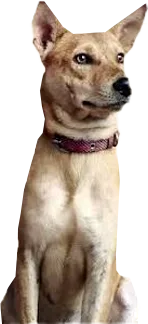
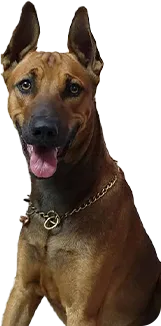
The short-coated fawn dogs with black masks became known as the Malinois, named after the city of Malines, also called Mechelen, where the type was especially common. Breeders there focused heavily on working ability rather than appearance, selecting dogs for drive, stamina and trainability in herding and guarding work. That practical focus gave the Malinois its lean, athletic frame and the tireless working attitude it is known for today.
By the early twentieth century, Belgian shepherds were already being used by police, and during the First World War they served as messenger, ambulance and guard dogs. The Malinois was recognised in the United States as part of the Belgian Sheepdog group before receiving separate American Kennel Club recognition in 1959. Its reputation as a working dog grew steadily throughout the century.
Today the Malinois is a leading choice for police, military, detection and protection work worldwide, as well as dog sports. In India it is widely used by security forces, including the army and paramilitary units, for detection and assault roles. Its rising fame has increased interest from pet owners, but it remains a demanding breed suited mostly to experienced handlers.
Diet
A working Malinois burns a lot of energy and needs a high-quality, protein-rich diet suited to active medium to large breeds. Feed measured portions split into two meals, and adjust based on activity, as a dog doing serious training needs more than one with lighter routines. Avoid heavy exercise just before or after meals, as deep-chested breeds can be at risk of bloat. Keep fresh water available at all times, especially during hot Indian summers. Monitor body condition regularly, aiming for a lean, muscular build. Ask your vet for exact portions.
Weather & climate
Driven and Devoted
An exceptionally intelligent working dog that bonds closely with its handler and thrives on constant purpose and structured activity.
Training
The Malinois is one of the most trainable breeds in the world, but its drive means training must be consistent, fair and ongoing. Use reward-based methods with toys and food, and channel its natural intensity into structured activities such as obedience, tracking, agility or protection sports under expert guidance. Early and thorough socialisation is essential to prevent over-guarding or reactivity. Teach impulse control and an off switch from puppyhood so your dog learns to settle at home. Inconsistent or harsh handling can create serious behavioural problems in this sensitive, powerful breed.
Grooming
The Malinois has a short, dense double coat that is easy to care for. A weekly brush with a rubber curry or slicker brush removes loose hair, and more frequent brushing helps during the twice-yearly seasonal shed. Bathe only when needed, as frequent bathing can strip natural oils. Check paws after outdoor work for cuts, ticks or embedded grass seeds, which are common in Indian fields. Trim nails regularly if they are not worn down naturally, clean ears weekly and brush the teeth several times a week.
1. Brush More During Shedding
Increase brushing to every few days when the coat sheds heavily.
2. Check for Ticks
Inspect the coat and paws after outdoor sessions, especially during the monsoon.a
Health
The Malinois is generally a healthy, long-lived breed. Conditions to watch for include hip and elbow dysplasia, progressive retinal atrophy, epilepsy and occasional bloat. Choose breeders who screen hips, elbows and eyes. In India, its short coat handles warm weather better than many large breeds, but its high drive means it will keep working even when overheating. Schedule training in early mornings or evenings, provide shade and water breaks and watch for heavy panting. Tick-borne diseases are a concern, so year-round tick prevention is important.
1. Prevent Overheating
Enforce rest breaks in hot weather, as a Malinois often won't stop on its own.
2. Use Tick Prevention
Keep up year-round tick control to protect against tick fever.