Bullmastiff
 England
Breed Traits
About
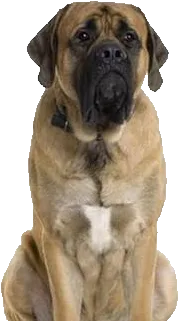
Bullmastiffs are gentle giants at home and serious guardians at the gate. Indoors they are usually calm, affectionate and happy to lean their considerable weight against you on the sofa. They rarely bark without reason, preferring to watch quietly and step in only when they sense a real threat. That protective instinct is strong, so they are naturally wary of strangers and need clear boundaries. They are not high-energy dogs, but they are very strong, and a poorly trained adult can be hard to manage. Expect drool, snoring and a big heart in a very big body.
Is the Bullmastiff Right for You?
Ideal Home / Owner
A Bullmastiff suits an experienced owner with a spacious, cool home, ideally with air conditioning, who wants a calm and devoted guardian. It is not ideal for small flats without lifts, very hot homes without cooling, or households that cannot handle a strong, protective dog.
Bullmastiff History
The Bullmastiff was developed in England during the 19th century, at a time when poaching on large country estates was a serious and sometimes violent problem. Gamekeepers needed a dog that was fast enough to catch an intruder over a short distance, strong enough to hold him and steady enough not to maul him. They found their answer by crossing the Mastiff with the old English Bulldog of the day.
The commonly cited ideal was roughly 60 percent Mastiff and 40 percent Bulldog, combining the Mastiff's size and calm with the Bulldog's speed and determination. The dogs earned the nickname gamekeeper's night dog. Darker brindle coats were favoured because they were harder to spot in the dark, and the dogs were trained to work silently, knocking down and pinning a poacher until the keeper arrived.
As poaching declined, breeders began to standardise the type, and the Bullmastiff was recognised by The Kennel Club in Britain in 1924 and by the American Kennel Club in 1934. Its reputation as a reliable guard spread, and the breed was used in various security roles in the early 20th century, valued for its ability to deter people largely through presence alone.
Today the Bullmastiff is mainly a family companion and home guardian, known for being calm indoors and devoted to its people. In India it is seen in modest numbers, usually in larger homes and farmhouses. Its size, short lifespan and poor heat tolerance mean it suits owners who have done their homework and can provide a cool, spacious home.
Diet
A Bullmastiff puppy should be fed a large breed puppy food that supports slow, steady growth, because growing too fast can strain developing joints. Adults need a good quality diet in carefully measured portions, as extra weight puts pressure on hips, elbows and the heart. The breed is deep chested and at risk of bloat, a life-threatening twisting of the stomach. Feed two or three smaller meals rather than one large one, avoid exercise for an hour before and after meals, and discourage gulping. Your vet can help you set exact portions and a healthy target weight.
Weather & climate
Calm and Protective
A quiet, steady guardian that settles well into family life, but its size and poor heat tolerance demand a cool, roomy home.
Training
Bullmastiffs are intelligent but independent, and they can be stubborn if they do not see the point of a request. Begin training as soon as your puppy comes home, while it is still small enough to guide easily. Use calm, consistent, reward-based methods and keep sessions short. Harsh handling backfires with this breed and can damage trust. Lead manners are essential, because an adult outweighs many owners. Teach a reliable sit, stay and leave it, and make sure visitors can enter your home without your dog taking charge of the situation.
Grooming
The short, dense coat is easy to look after. A weekly brush with a rubber mitt or bristle brush removes loose hair, though shedding increases during seasonal changes. The real grooming work is in the details. Facial wrinkles and lip folds should be wiped and dried regularly to prevent skin infections, which are more likely in humid Indian weather. Clean ears weekly, trim nails every few weeks because heavy dogs need healthy feet, and brush teeth several times a week. Keep a drool cloth handy, especially after meals and water breaks.
Health
Sadly, the Bullmastiff has a short lifespan of around 7 to 9 years. Common concerns include hip and elbow dysplasia, bloat, certain cancers, eyelid problems such as entropion, hypothyroidism and heart disease. Choose a breeder who health screens parent dogs. Heat is a major risk in India. The breed's large body and shortened muzzle make cooling difficult, so heatstroke can develop quickly. Keep your dog in a cool, shaded or air conditioned space during the day, walk only in the early morning or late evening, and never leave it in a car or on a hot terrace.