Golden Retriever
 Scotland
Breed Traits
About
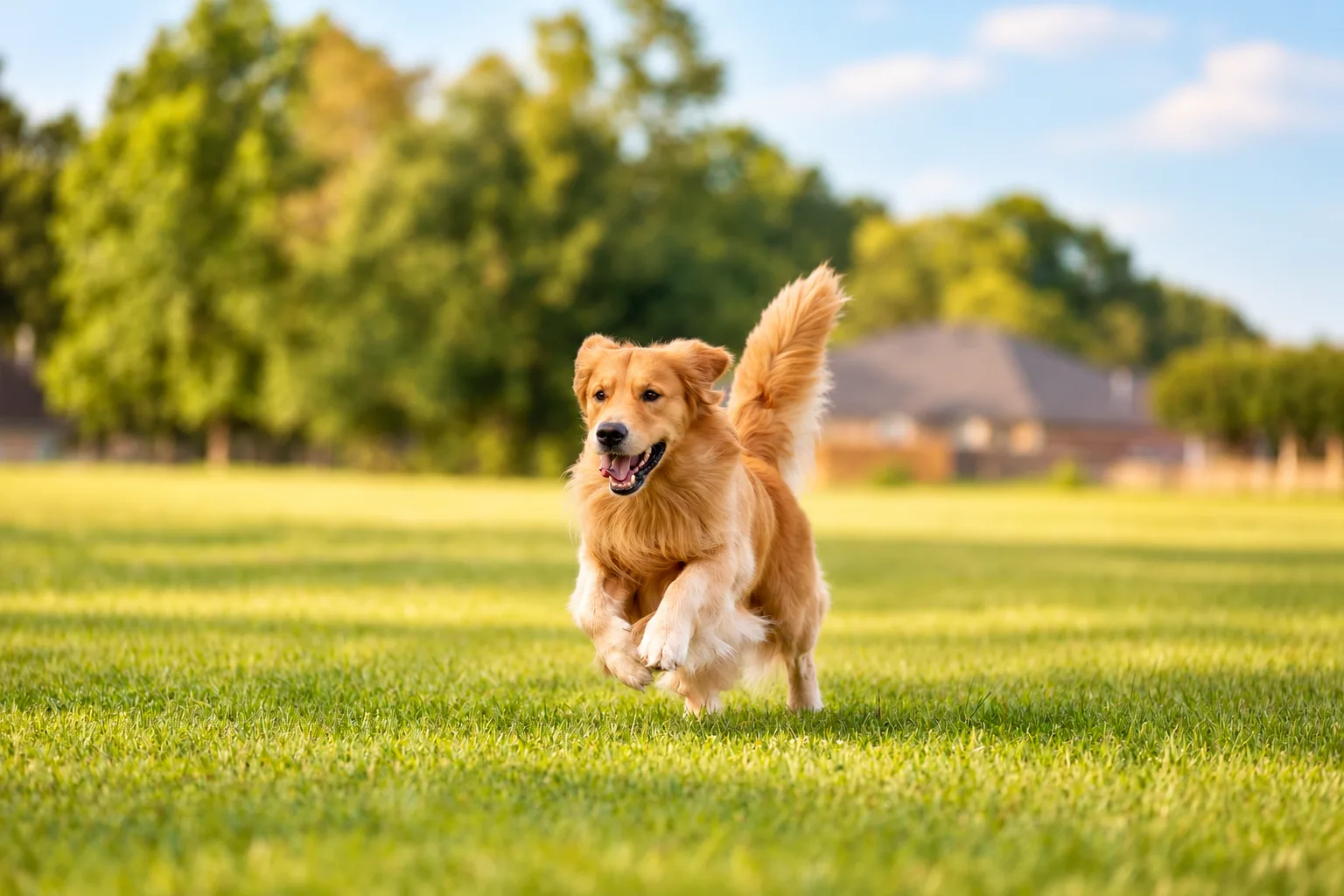
The Golden Retriever is a friendly, intelligent, and devoted breed originally developed in Scotland to retrieve waterfowl. Known for their patience with children and their eagerness to please, Goldens have become one of the most popular family dogs in India and around the world.
1. A Loyal Family Companion
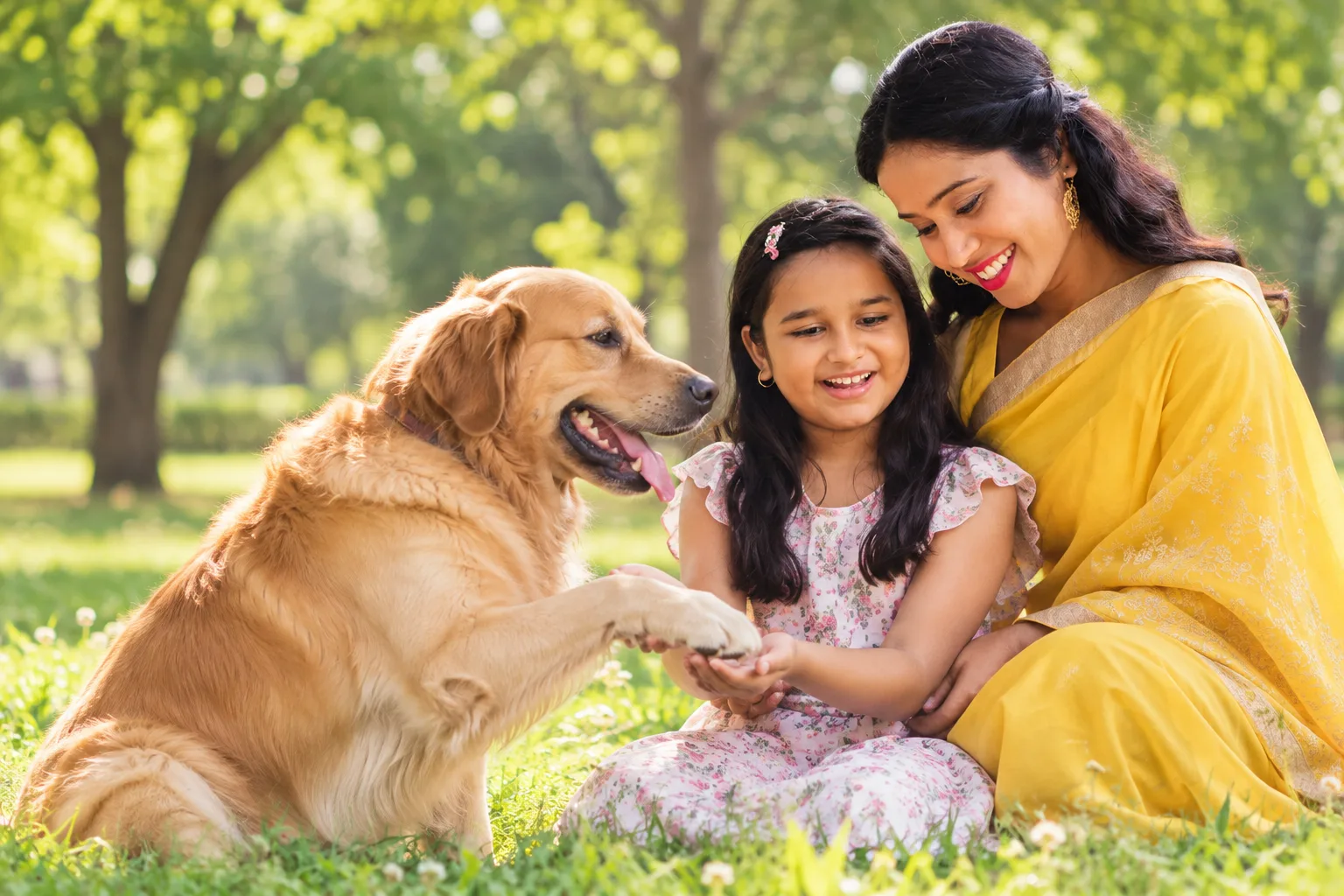
Golden Retrievers form close bonds with every member of the household, not just one person. They're famously good with strangers too, which makes them wonderful companions but poor guard dogs. What they lack in wariness, they make up for in warmth, following their people from room to room and genuinely wanting to be included in daily life.

2. Where the Golden Retriever Comes From
The breed was developed in the mid-1800s on a Scottish estate, breed specifically to retrieve shot waterfowl from both land and water without damaging the bird. That working retriever history still shows today in their love of swimming, carrying things gently in their mouth, and their steady, biddable temperament.

Is the Golden Retriever Right for You?
Ideal Home / Owner
Active families or individuals with time to include the dog in daily life, some outdoor access, and patience for regular grooming. Not ideal for owners who are away for long hours with no plan for exercise or company.
Care Tips
- Brush 3 to 4 times a week, daily during shedding season
- Walk or exercise 60 to 90 minutes a day, avoiding peak afternoon heat
- Check and clean ears regularly
- Feed measured portions of large-breed appropriate food, twice a day
- Schedule regular vet checks for hips, heart, and weight
- Start training and socialisation early with positive reinforcement
Golden Retriever History
The story of the Golden Retriever starts on a Scottish estate in the mid-1800s, with a man named Dudley Marjoribanks who had a very specific problem. He wanted a dog that could retrieve waterfowl from both land and water without shredding the bird on the way back, since the retrievers of the time tended to be a bit rough with their catch.
His solution was to cross a yellow-coloured retriever with a Tweed Water Spaniel, a breed that's since gone extinct but clearly left its mark. Over the following years he added in some Irish Setter and Bloodhound lines too, rounding out the nose and temperament until he had something close to what we recognise today.
What came out of that breeding program was a dog that was gentle enough to carry a duck in its mouth without damaging a single feather, sharp enough to be trained for genuinely complex retrieving work, and even-tempered enough to come inside and lie by the fire once the hunting season ended. That balance of working ability and gentleness is really the whole story of the breed, even now that most Goldens have never seen a hunting field.
The breed made its way to India decades ago and has since settled comfortably into city life here. You'll find them in parks in Mumbai, Delhi, Bangalore, and Pune in fairly large numbers these days, which says something about how well that original Scottish temperament translates to an Indian living room.
Diet
Golden Retrievers love food and can gain weight quickly if meals aren't measured properly. A good quality, large-breed appropriate diet suited to their age and activity level is the safest starting point.
Key guidance:
- Choose a protein-rich, large-breed formula
- Split meals into two servings a day rather than free feeding
- Avoid fillers, excess treats, and table scraps
- Keep treats to a small share of daily calories, even during training
Weather & climate
Adaptability
Golden Retrievers adapt reasonably well to Indian conditions, but their thick double coat means hot weather needs to be managed carefully. With shaded outdoor time, indoor cooling during peak summer, and consistent grooming to manage the undercoat, they settle comfortably into most Indian homes.
Training
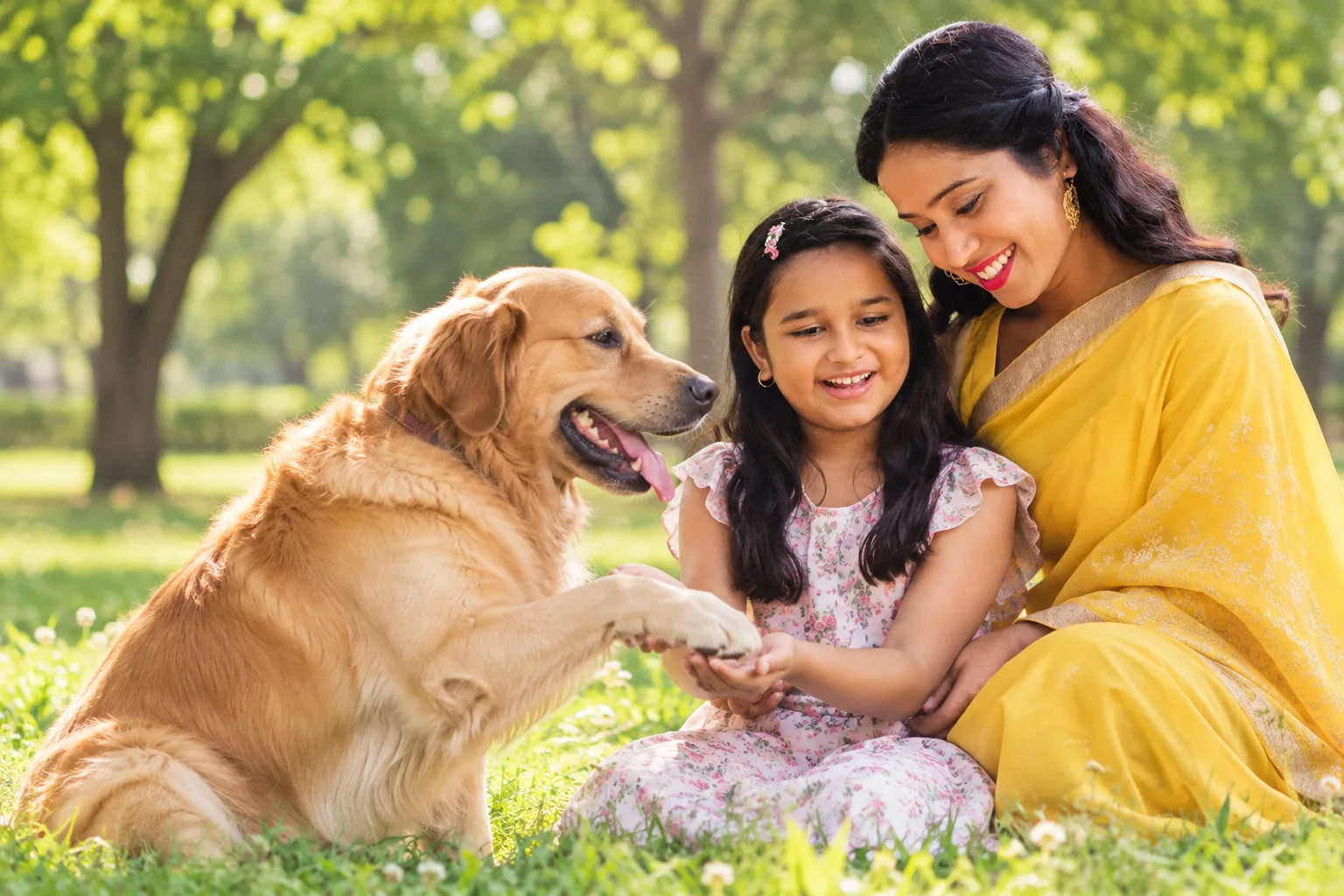
Golden Retrievers are among the easiest large breeds to train, food motivated and genuinely eager to work with their handler. Positive reinforcement works best, since Goldens are sensitive to tone and take harsh corrections to heart.
1. Start Early Socialisation
Introduce puppies to different people, pets, sounds, and environments from around 8 to 16 weeks old. Puppy classes are worth it if you can find a good trainer, and most Goldens are well-mannered well before their first birthday.
Grooming
Golden Retrievers have a dense, water-repellent double coat that sheds steadily year-round, with heavier shedding twice a year as the undercoat turns over. Regular brushing keeps loose hair under control and prevents matting.
1. Brush and Bathe Regularly
Brush three to four times a week, daily during shedding season. Bathe every four to six weeks, or sooner if they've been swimming or rolling in something they shouldn't have.
2. Keep Ears and Nails Maintained
Check and clean their floppy ears regularly to prevent moisture-related infections, and trim nails as needed to avoid discomfort while walking.

Health
Golden Retrievers are generally healthy, but like most pure breed large breeds, they're prone to certain hereditary conditions, including hip and elbow dysplasia, certain heart conditions, eye issues like progressive retinal atrophy, and an elevated lifetime risk of certain cancers. Regular vet checkups, health screening from reputable breeders, and maintaining a healthy weight go a long way toward a long, active life.