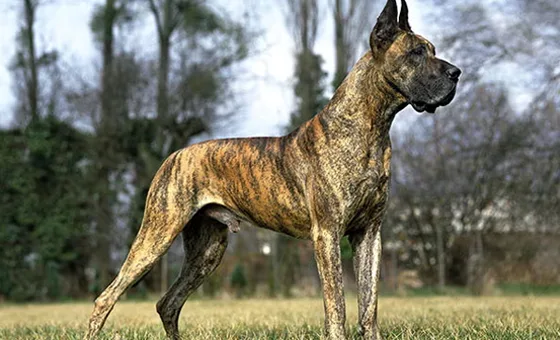
Great Dane
 Germany
Breed Traits
About
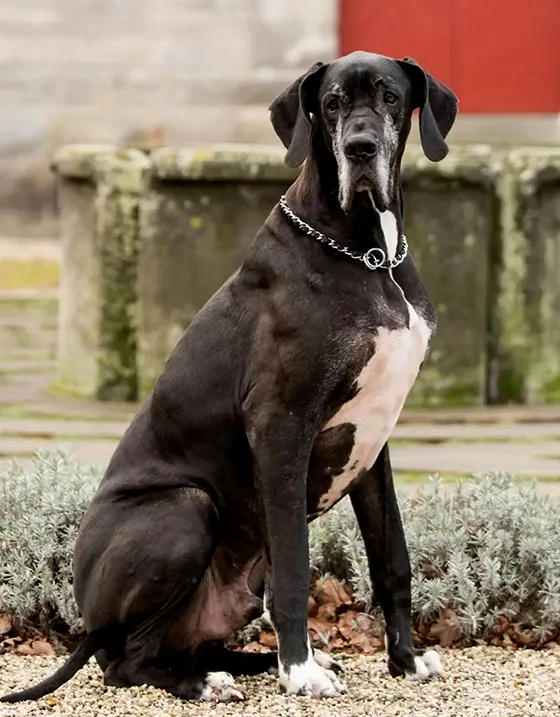
Living with a Great Dane is a bit like living with a very large, very polite roommate who thinks it is a lap dog. Danes are usually calm and quiet indoors, happy to lounge on a big bed for much of the day. They are affectionate, gentle with children and friendly with most people, while their size and deep bark keep intruders away. Everything costs more with a giant, from food and medicines to beds and transport. A Dane's tail can also clear a coffee table in one happy wag.
Is the Great Dane Right for You?
Ideal Home / Owner
A Great Dane suits a calm household with a spacious home, ideally on the ground floor with a garden, and owners prepared for giant-breed expenses. It is not ideal for small flats, homes with many stairs, or owners who cannot lift or control a very large dog.
Great Dane History
Despite its name, the Great Dane is a German breed, known in its homeland as the Deutsche Dogge. Its ancestors were large boarhounds kept by German nobility, probably created by crossing heavy mastiff-type dogs with faster, lighter hounds similar to the Irish Wolfhound and Greyhound. The result was a dog with the strength to hold a wild boar and the speed to catch one.
By the 1600s, these big hounds were prized on noble estates for hunting and also as imposing guardians of homes and carriages. The English name is thought to come from the French naturalist Buffon, who called a similar dog le grand Danois in the 1700s. German breeders, however, worked to standardise the breed during the 1800s and adopted the name Deutsche Dogge in 1880.
As boar hunting faded, breeders began selecting for a gentler, more reliable temperament, and the ferocity of the hunting dog gave way to the calm companion of today. The Great Dane became a status symbol across Europe and later the United States, and it has appeared in popular culture through characters such as Scooby-Doo and Marmaduke. Its size and dignified bearing have long made it a favourite subject for artists and photographers.
Today the Great Dane is kept almost entirely as a companion and watchdog, admired for its elegance and kind nature. In India it has a dedicated following among owners with larger homes, though its size, short lifespan and feeding costs mean it remains far less common than medium breeds. Responsible breeders focus on heart health, sound joints and steady temperament.
Diet
Feeding a Great Dane puppy correctly is critical. Use a complete large or giant-breed puppy food with controlled calcium and energy, so the puppy grows slowly and steadily, as fast growth increases the risk of bone and joint problems. Never add calcium supplements unless your vet advises them. Danes are the breed most at risk of bloat, so feed two or three measured meals a day, use a slow-feeder bowl and keep the dog calm for an hour around meals. Your vet can set exact portions.
Weather & climate
Calm Gentle Giant
A quiet, affectionate giant that is easy-going at home, gentle with family and protective by its presence alone.
Training
Great Danes are sensitive and generally willing, and they respond well to gentle, reward-based training. Start obedience early, because a 60 kg dog that jumps up or pulls on the lead is a real hazard. Teach polite greetings, loose-lead walking and a reliable recall while the puppy is still manageable. Socialise widely so your Dane grows into a confident adult, as a fearful giant dog can be difficult to handle.
Grooming
The Great Dane's short, smooth coat is easy to care for. Brush once a week with a rubber mitt or soft brush to remove loose hair, a little more during seasonal shedding. Baths are only needed occasionally, though bathing a giant is easiest with a hose and a helper. Keep nails short, as long nails affect posture on tiled Indian floors. Clean ears weekly, brush teeth regularly and wipe any drool from the lips.
Health
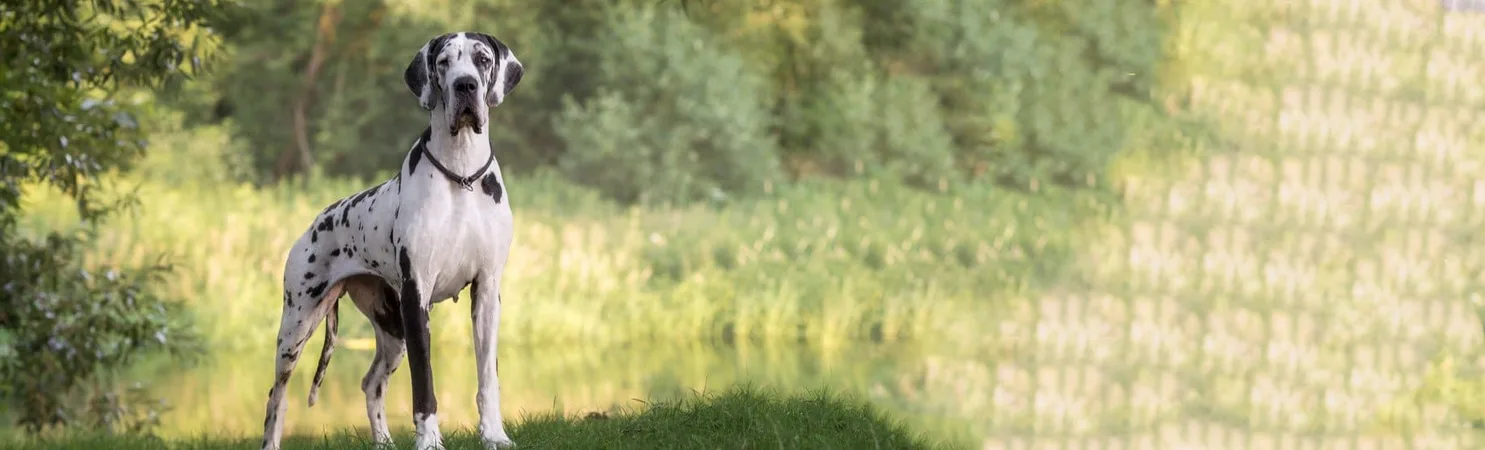
Bloat is the leading health emergency in Great Danes, and many owners discuss a preventive stomach-tacking surgery (gastropexy) with their vet. The breed is also prone to dilated cardiomyopathy, hip dysplasia, wobbler syndrome, bone cancer and hypothyroidism, and its lifespan is short. Danes can also develop pressure sores on elbows, so provide a thick, soft bed. In Indian summers, their size makes them slow to cool down, so walk in cool hours and keep them in shaded, ventilated rooms.