Toy Poodle
 Germany/France
Breed Traits
About
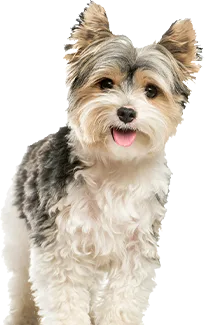
The Toy Poodle is a small dog with a big brain. It is lively, curious and deeply attached to its people, often following family members from room to room. Most Toy Poodles love learning tricks and games, and they pick up household routines quickly. They can be a little reserved with strangers and will happily announce visitors at the door. Because they bond so closely, they do best in homes where someone is around for much of the day. Left alone for long hours, a bored Toy Poodle can become anxious and noisy.
Is the Toy Poodle Right for You?
Ideal Home / Owner
The Toy Poodle suits apartment dwellers, older couples and families with considerate children who want a clever, affectionate companion and can budget for regular grooming. It is not ideal for homes with toddlers or for owners who are away all day and want a low-maintenance dog.
Toy Poodle History
The Poodle is an old European breed, and the Toy is simply its smallest size. The breed is generally believed to have developed in Germany as a water retriever, where the name comes from the German word pudel, linked to splashing in water. It was later refined and championed in France, which is why the Poodle is so often called the national dog of France. All three sizes share the same breed standard apart from height.
Smaller Poodles were bred down from the Standard over several centuries by selecting the smallest dogs. These little Poodles became favourites of European city dwellers and the French nobility, who valued a clever, portable companion. Their quick minds and willingness to learn tricks also made them popular with travelling circuses and street performers. Smaller Poodles are also often associated with truffle hunting, using their keen noses to find the prized fungus.
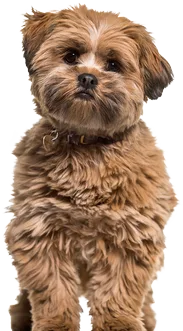
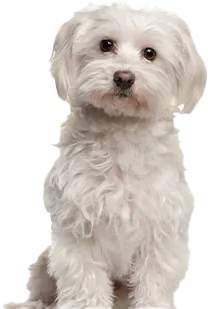
The Toy variety as we know it today was firmly established in the early twentieth century, when breeders focused on producing a dog under about 25 cm with sound structure and the same sharp temperament as its larger cousins. Kennel clubs recognise it as a variety of the Poodle rather than a separate breed, and it is shown alongside other toy breeds. Its coat colours range widely, from black and white to apricot and red.
Today the Toy Poodle is one of the most popular small dogs in the world, valued for its long life, trainability and low-shedding coat. In India it has become a common sight in metro cities, where apartment living makes a small, adaptable dog appealing. It is also a parent breed of many popular crosses, although responsible Indian breeders of purebred Toy Poodles remain fewer than demand.
Diet
A Toy Poodle eats very little, so every bite should count. A good-quality small-breed food with appropriately sized kibble suits most adults, usually split into two or three small meals. Tiny puppies can be prone to low blood sugar, so they need regular meals and should not skip feeds. Treats add up fast at this size, and a few extra chapatis or biscuits from the table can quickly cause weight gain. Dental health matters too, so dry food and vet-approved chews can help. Ask your vet for exact portions based on age, weight and activity.
Weather & climate
Clever and Devoted
A quick learner that bonds closely with its family and adapts happily to apartment life when given company and mental stimulation.
Training
Few breeds learn as quickly as the Toy Poodle. It responds beautifully to positive, reward-based training and enjoys obedience, tricks and even small-dog agility. Harsh corrections tend to make this sensitive breed nervous, so keep sessions short, upbeat and consistent. House training can take a little longer than in larger dogs because of the tiny bladder, so a regular routine and frequent toilet breaks help. Early socialisation with people, sounds and other dogs prevents shyness and excessive barking, which some Toy Poodles develop if they are carried everywhere and never allowed to explore.
Grooming
The Poodle coat is curly, dense and keeps growing, which is why it sheds so little but needs real commitment. Brush thoroughly several times a week with a slicker brush and comb right down to the skin, or mats will form, especially behind the ears and under the legs. Most owners book a professional groom every four to six weeks. In Indian summers a shorter puppy or lamb clip keeps the dog comfortable and easier to dry after monsoon walks. Check and clean the ears weekly, trim nails regularly and brush teeth often, as small breeds are prone to dental problems.
Health
Toy Poodles are generally long-lived, but they have some breed-related concerns. Watch for luxating patella, where the kneecap slips, as well as progressive retinal atrophy, Legg-Calve-Perthes disease, epilepsy and dental disease. Tear staining and ear infections are common nuisances. Buy only from breeders who health test their parents. In Indian heat, the curly coat traps warmth, so keep the coat short in summer, walk in the early morning or evening and avoid hot pavements. Provide shade, fresh water and a cool floor to rest on during humid months.