French Bulldog
 France (with English roots)
Breed Traits
About
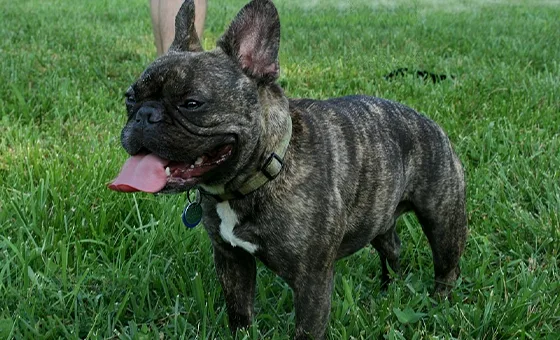
The French Bulldog is a clown in a small, sturdy body. It loves people, enjoys a good game and is just as happy snoozing on the sofa. Frenchies rarely bark without reason, which makes them pleasant neighbours in apartment buildings, though they snort, snore and grumble plenty. They usually get on well with children and other pets. They can be stubborn and dislike being left alone for long periods. Living with one is great fun, but owners in India must take their sensitivity to heat very seriously every single day.

Is the French Bulldog Right for You?
Ideal Home / Owner
The French Bulldog suits apartment dwellers and families who are home often and can keep the dog in a cool, air-conditioned space through Indian summers. It is not ideal for very hot homes without cooling, outdoor living or owners wanting an active jogging partner.
French Bulldog History
The French Bulldog's story begins in England in the nineteenth century. Lace workers in Nottingham kept small, toy-sized bulldogs as companions and ratters. When the Industrial Revolution reduced demand for handmade lace, many of these workers moved to northern France for work, taking their little bulldogs with them. In France these dogs were likely crossed with local small breeds, gradually producing a distinct type with upright ears.
The small bulldogs became fashionable in Paris, popular with shopkeepers, artists and café society, and the breed became known as the Bouledogue Français. By the late 1800s wealthy American visitors to France were bringing them home. American fanciers played an important role in fixing the famous bat ears as the preferred ear type, against some early European preference for rose ears.
The French Bulldog Club of America was formed in 1897, and the American Kennel Club recognised the breed the following year. The Frenchie was always a companion rather than a working dog, and its calm, adaptable nature made it a natural fit for city homes. Its popularity dipped in the mid twentieth century but recovered strongly from the 1980s onward.
Today the French Bulldog is among the most popular breeds in the world and was ranked the most registered breed in the United States in 2022 and 2023. In India it has become a fashionable choice in metro cities, often kept in apartments. Its rapid popularity has also brought concerns about poor breeding and breathing problems, so careful sourcing matters.
Diet
French Bulldogs gain weight easily, and extra kilos make their breathing and joint problems worse. Feed a quality small or medium breed food in measured portions, usually split into two meals, and keep treats modest. Some Frenchies gulp air while eating, which can cause wind and discomfort, so a slow feeder bowl often helps. Many also have sensitive stomachs or food allergies that show up as itchy skin or loose stools, so change foods gradually. Avoid rich, spicy or oily leftovers. Ask your vet for exact amounts and an ideal target weight.
Weather & climate
Easygoing City Companion
A cheerful, quiet and adaptable dog that thrives in apartments, provided its owners carefully manage heat and breathing.
Training
French Bulldogs are clever but can be stubborn, so training works best when it feels like a game. Use food rewards, short sessions and lots of praise, and stop before your dog loses interest. House training can take patience, so stick to a fixed routine and reward every success outdoors. Early socialisation helps them stay friendly with visitors and other dogs. Keep training indoors or in shade during warm weather, because overexcitement and exertion in the heat can quickly lead to breathing distress in this flat-faced breed.
Grooming
The Frenchie's short coat is easy to care for, needing only a weekly brush with a rubber mitt or soft bristle brush. They do shed moderately, more so during seasonal changes. The real grooming work is in the details. Clean and dry the facial folds every few days, especially in humid monsoon weather, as trapped moisture leads to infections and odour. Check the ears weekly, trim nails regularly and look between the toes for redness. Bathe only when needed with a gentle dog shampoo and dry the skin folds thoroughly afterwards.

Health
Frenchies are brachycephalic, so brachycephalic obstructive airway syndrome is the biggest concern. Narrow nostrils, a long soft palate and a small windpipe make breathing harder, especially in heat. Other common issues include spinal problems such as intervertebral disc disease, skin allergies, eye ulcers, ear infections and difficult births, which often require caesarean delivery. In India, heatstroke is a real danger. Keep your dog in air-conditioned or well-cooled rooms during summer, avoid any exercise in the heat and never leave it in a parked car. Choose breeders who prioritise open nostrils and health testing.